
Walk into any home, café, or historic building, and there's a good chance wood is there to greet you. It's the floor underfoot that creaks gently with age, the beam overhead that has held up roofs for decades, the table where families share meals, and the shelves that cradle our most cherished books. Wood isn't just a building material—it's a storyteller. It carries the warmth of campfires, the nostalgia of childhood treehouses, and the craftsmanship of generations of builders who've shaped it into something both functional and beautiful.
But for all its charm, wood has never been perfect. Ask any homeowner who's watched their wooden deck warp after a rainy season, or a carpenter who's spent hours sanding a door that refused to close because the wood swelled in humidity. Ask a conservationist about the toll of deforestation, or a coastal resident who's replaced termite-eaten siding for the third time. Traditional wood, for all its soul, has always been a little too delicate, a little too vulnerable to the elements, and a little too dependent on finite resources to keep up with our modern world's demands.
That's where MCM Wood Line comes in. It's a material that doesn't just mimic wood—it reimagines it. Part science, part art, and entirely human-centered, MCM Wood Line is the answer to a question builders and homeowners have been asking for years: Can we have the beauty of wood without its flaws? The short answer? Yes. The longer answer? Let's dive into what makes this material not just a substitute, but a—a stronger, smarter, and more sustainable version of the wood we love.
To understand why MCM Wood Line is a game-changer, we first need to talk about why traditional wood often falls short. Let's start with the basics: wood is a living material. Even after it's cut down, it retains some of the properties that helped it grow—like the ability to absorb moisture. That's great for a tree in the forest, where flexibility helps it withstand wind, but terrible for a bookshelf in your living room. When wood absorbs water, it swells; when it dries out, it shrinks. Over time, this cycle leads to warping, cracking, and splitting. Ever noticed how a wooden tabletop develops gaps between boards in the winter? That's the wood shrinking as humidity drops.
Then there are the pests. Termites, carpenter ants, and even fungi see wood as a buffet. In warm, humid climates, a wooden fence can become a termite colony's home in months, turning solid timber into a hollow shell. And let's not forget the sun: UV rays bleach wood's color, turning rich mahogany into a faded gray, while heat accelerates drying and cracking. For outdoor projects—decks, siding, fences—wood often needs yearly treatments with sealants or stains just to stay intact. Even then, its lifespan is limited: a typical wooden deck, with regular maintenance, might last 10-15 years. Without it? Maybe 5.
And then there's the environmental cost. According to the Food and Agriculture Organization, over 10 million hectares of forest are lost each year, much of it to logging for timber and paper. While sustainable forestry practices exist, they can't keep up with global demand for wood in construction. For builders and homeowners who care about the planet, choosing wood often means balancing aesthetics with guilt—a trade-off no one should have to make.
Fun fact: The average wooden bookshelf can absorb up to 12% of its weight in moisture, which is why your favorite novels might develop mildew in a damp basement. Traditional wood doesn't just warp—it can become a breeding ground for mold if not properly sealed.
MCM Wood Line isn't just another "fake wood" product. It's not plastic decking that feels cold and artificial, or laminate that peels at the edges. MCM stands for Modified Composite Material, a blend of natural fibers, polymers, and minerals that's been engineered to capture wood's warmth while ditching its weaknesses. Think of it as wood's smarter cousin—the one who kept all the family charm but also went to school to learn resilience, sustainability, and adaptability.
The story of MCM Wood Line starts with a team of material scientists, architects, and craftsmen who got tired of choosing between beauty and durability. "We wanted to create something that builders would want to work with," says Elena Martinez, a lead engineer on the MCM development team. "Something that feels familiar in your hands, that cuts and sands like wood, but that you can install in a bathroom or a beach house without holding your breath."
After years of testing—subjecting prototypes to extreme heat, freezing cold, drenching rains, and even termite infestations—they landed on a formula that works. MCM Wood Line isn't just strong; it's adaptable . It can be stained to match oak, pine, or walnut. It can be carved into intricate designs, just like traditional wood. And it can stand up to things that would turn regular timber into mulch. But what exactly is in this material that makes it so tough?
At its core, MCM Wood Line is a symphony of three key ingredients: recycled wood fibers, a polymer matrix, and mineral additives. Let's break them down, one by one, and see how they work together to create something stronger than the sum of its parts.
First, there are the wood fibers. But not just any wood fibers— recycled ones. These come from sawdust, wood scraps, and even old furniture that would otherwise end up in landfills. Instead of cutting down new trees, MCM Wood Line gives new life to wood that's already been used. It's a small detail, but it's a big deal for sustainability: for every ton of recycled wood fibers used, we save approximately 17 trees from being logged, according to the Environmental Protection Agency.
These fibers are processed into fine strands, which are then treated to remove any impurities (like bark or dirt) and dried to a precise moisture level. Why? Because moisture is the enemy of consistency, and MCM Wood Line's strength starts with uniformity. These fibers are what give the material its wood-like texture—the grain you can see, the warmth you can feel when you run your hand over it. They're the reason MCM Wood Line doesn't feel like plastic; they're the reason it still looks and feels like wood, even up close.
If the wood fibers are the soul, the polymer matrix is the backbone. This is the material that binds the fibers together, creating a structure that's both strong and flexible. The polymer used here is a type of thermoplastic resin—think of it as a super-strong, heat-resistant glue that doesn't melt or break down easily. When mixed with the wood fibers, it seeps into every crevice, coating each strand and creating a bond that's far tighter than the natural bonds in traditional wood.
What makes this matrix special is its flexibility. Unlike traditional wood, which is rigid and prone to cracking under stress, the polymer allows MCM Wood Line to bend slightly without breaking. That's why it doesn't warp in humidity or split in cold weather. It's also water-resistant: the polymer forms a barrier that prevents moisture from seeping into the wood fibers, something traditional wood can never do on its own. "It's like wrapping each wood fiber in a tiny raincoat," Elena Martinez explains. "Water can't get in, so the material doesn't swell, shrink, or rot."
The third ingredient is a mix of mineral additives, and they're the unsung heroes of MCM Wood Line's durability. These include things like calcium carbonate (for strength), fire-retardant compounds (to resist flames), and UV stabilizers (to prevent fading in sunlight). There are even anti-microbial additives that keep mold and mildew at bay—handy for bathrooms, kitchens, or coastal homes.
One of the most important additives is fiberglass , which is mixed into the polymer matrix to boost tensile strength (that's the ability to resist being pulled apart). Traditional wood has grain, which means it's stronger in some directions than others. A knot in the wood, for example, is a weak spot where the grain twists. MCM Wood Line, with its randomly oriented wood fibers and fiberglass-reinforced matrix, has no such weak spots. It's strong everywhere .
Fun fact: The mineral additives in MCM Wood Line include trace amounts of dolomitic travertine —a type of stone known for its durability. It's the same material used in ancient Roman aqueducts, which have stood for thousands of years. Talk about borrowing from the past to build the future!
Now, let's get to the good stuff: why MCM Wood Line outperforms traditional wood in almost every category. It's not just about one ingredient—it's about how they work together . Let's take a closer look at the key areas where MCM Wood Line shines.
Traditional wood's strength depends on its species and grain. Oak is strong, but it's heavy. Pine is light, but it dents easily. And no matter the species, wood is prone to splitting along its grain. MCM Wood Line, on the other hand, is engineered to be strong in all directions. The polymer matrix locks the wood fibers in place, while the fiberglass additives add tensile strength. Tests show that MCM Wood Line has a flexural strength (the ability to bend without breaking) of 25 MPa, compared to 12-18 MPa for most hardwoods. That means it can support more weight, withstand more impact, and resist bending better than even oak.
But strength isn't just about brute force—it's about consistency. A single piece of traditional wood can have variations in density, knots, and grain that make it stronger in some spots and weaker in others. MCM Wood Line, made in controlled factory conditions, has uniform density from one end to the other. That's a big deal for builders: when you cut a board of MCM Wood Line, you know exactly how much weight it can hold, no guesswork required.
Remember how wood swells and shrinks with humidity? MCM Wood Line's polymer matrix puts an end to that. The polymer is hydrophobic, meaning it repels water. Even if the material gets wet, the wood fibers are so tightly coated in polymer that moisture can't penetrate them. In lab tests, MCM Wood Line was submerged in water for 30 days and showed less than 1% water absorption. Traditional wood, by comparison, can absorb up to 20% of its weight in water in the same amount of time—enough to cause significant warping.
This resistance to moisture also means no rotting. Rot is caused by fungi that feed on the organic material in wood. Since MCM Wood Line's wood fibers are sealed in polymer, fungi can't get to them. Even in damp basements or rainy climates, MCM Wood Line stays intact. "I installed MCM Wood Line siding on my beach house five years ago," says Mark, a homeowner in Florida. "We get hurricanes, salt spray, and humidity so thick you can almost drink it. The siding still looks like the day it went up. My neighbor's wooden siding? He's repainted it twice and replaced three panels already."
Termites, carpenter ants, and wood-boring beetles love traditional wood because it's their food source. MCM Wood Line? Not so much. The polymer matrix and mineral additives make the material indigestible to pests. In fact, pest control companies have tested MCM Wood Line by placing it in termite colonies—after six months, the termites hadn't touched it. They'd moved on to nearby pieces of pine instead. For homeowners in termite-prone areas, this isn't just a convenience—it's a financial lifesaver. Termite damage costs homeowners billions of dollars each year; MCM Wood Line eliminates that risk entirely.
Traditional wood is flammable, which is why many building codes restrict its use in high-rise apartments or commercial buildings. MCM Wood Line, with its fire-retardant additives, is classified as a Class B fire-resistant material. That means it won't catch fire easily, and if it does, it burns slowly and doesn't spread flames. In contrast, traditional wood is Class C or lower, depending on the species. For families, this means more time to escape in a fire. For businesses, it means meeting strict safety codes without sacrificing the warmth of wood.
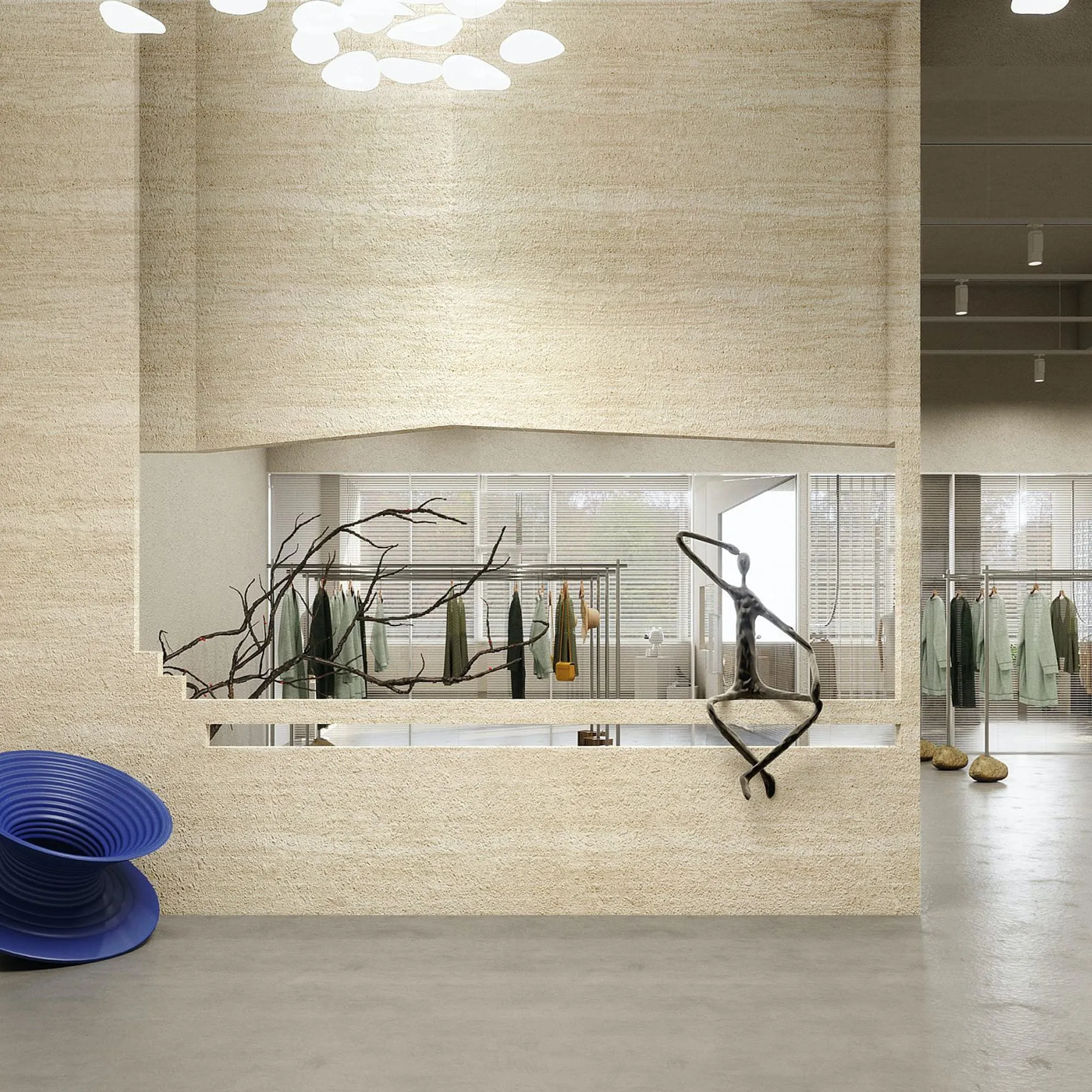
Numbers tell a story too. Let's put MCM Wood Line and traditional wood head-to-head in the categories that matter most to builders, homeowners, and the planet.
| Category | MCM Wood Line | Traditional Wood (Oak/Pine) | Why It Matters |
|---|---|---|---|
| Flexural Strength | 25 MPa | 12-18 MPa | Higher strength means less sagging, bending, or breaking under weight. |
| Water Absorption (30-day submersion) | <1% | 15-20% | Less absorption = no warping, swelling, or rot in humid/damp areas. |
| Pest Resistance | Termite/ant-proof | Susceptible to infestations | Saves money on pest control and repairs; longer lifespan. |
| Fire Rating | Class B (fire-retardant) | Class C or lower | Safer for homes, meets stricter building codes. |
| Environmental Impact | Uses 100% recycled wood fibers; no new logging | Requires virgin timber (unless certified sustainable) | Reduces deforestation and landfill waste. |
| Lifespan (Outdoor Use) | 25-30 years (no maintenance) | 10-15 years (with yearly maintenance) | Fewer replacements = less cost and waste over time. |
| Maintenance Required | None (no staining, sealing, or painting) | Yearly sealing/staining; occasional repairs | Saves time, money, and hassle for homeowners. |
| Cost (Initial vs. Long-Term) | Higher upfront cost (~20% more than wood) | Lower upfront cost, but higher long-term (repairs, maintenance) | MCM pays for itself in 5-7 years via reduced maintenance/repairs. |
Strength and durability are important, but let's be honest: we don't choose wood just because it's strong. We choose it because it feels alive . It has texture, character, and warmth that cold stone or plastic can't match. MCM Wood Line gets this—and that's why it's designed to preserve wood's soul, even as it fixes its flaws.
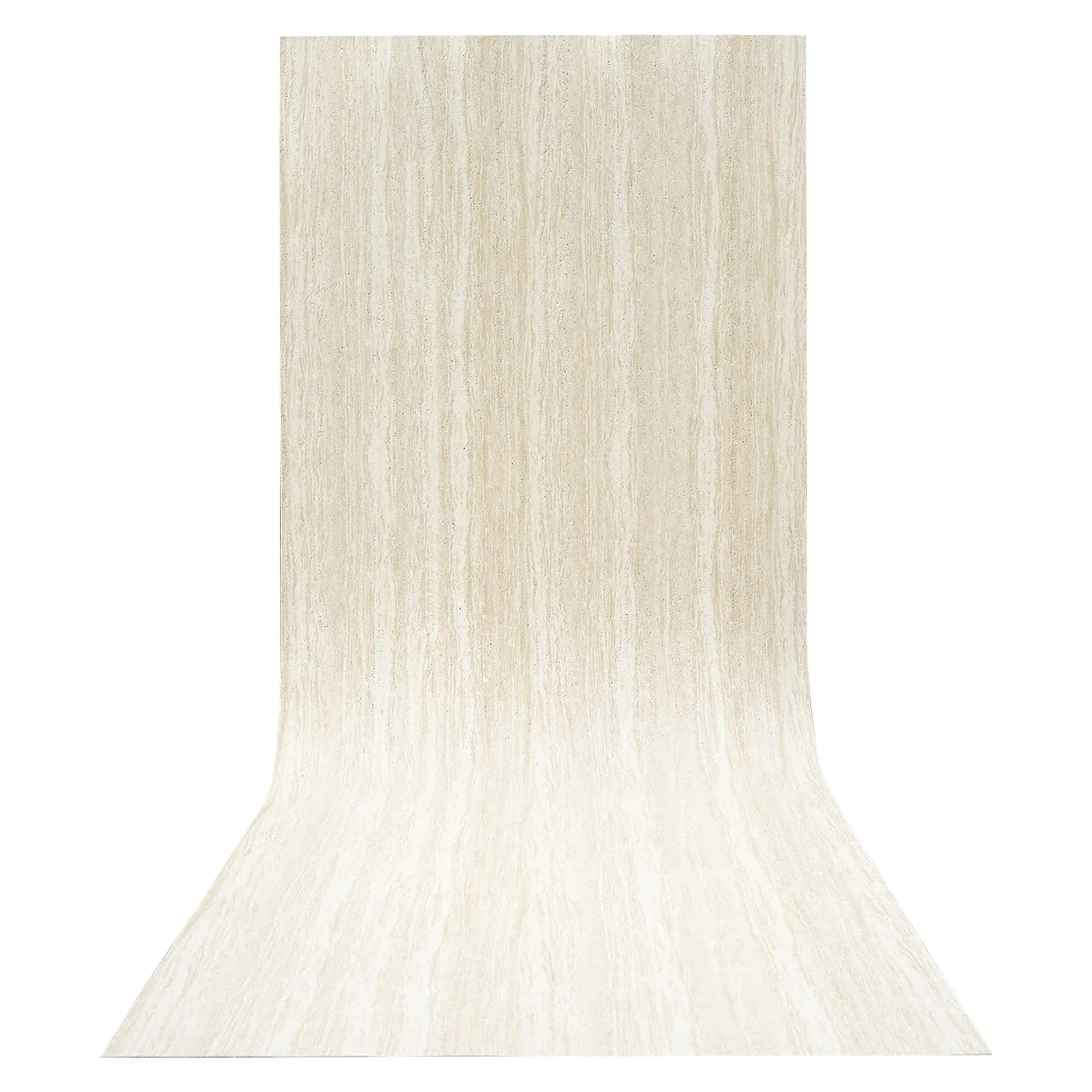
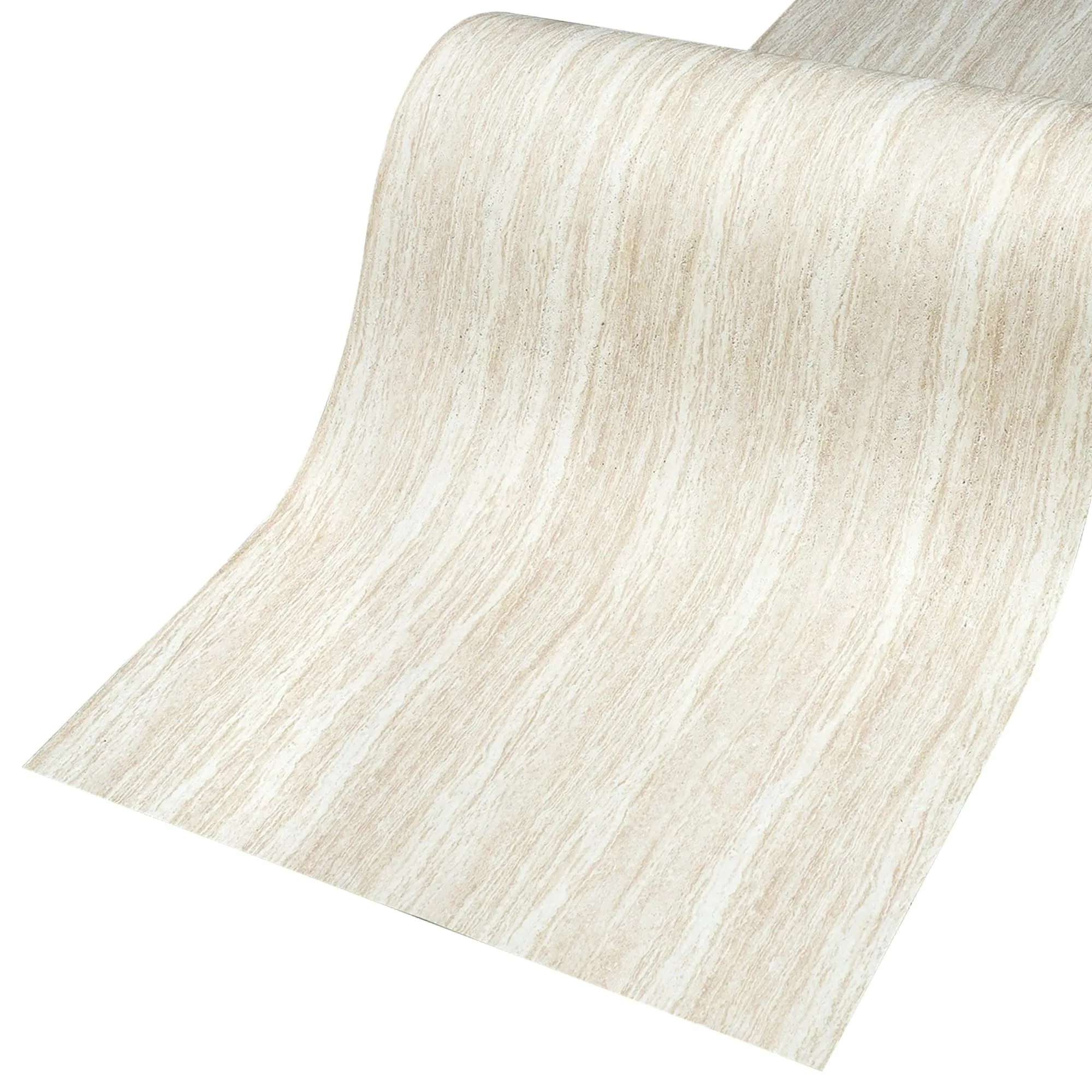
Take a piece of MCM Wood Line and run your hand over it. You'll feel the grain—the same subtle ridges and valleys you'd find in oak or maple. Look closely, and you'll see variations in color, just like natural wood. That's because the recycled wood fibers come from different types of wood, giving the material a organic, non-uniform look. "When I first saw it, I thought it was real walnut," says Sarah, an interior designer in Chicago. "I had to check the label twice. My clients love it because it gives their spaces that cozy, cabin-like feel without the worry of water damage in their bathrooms."
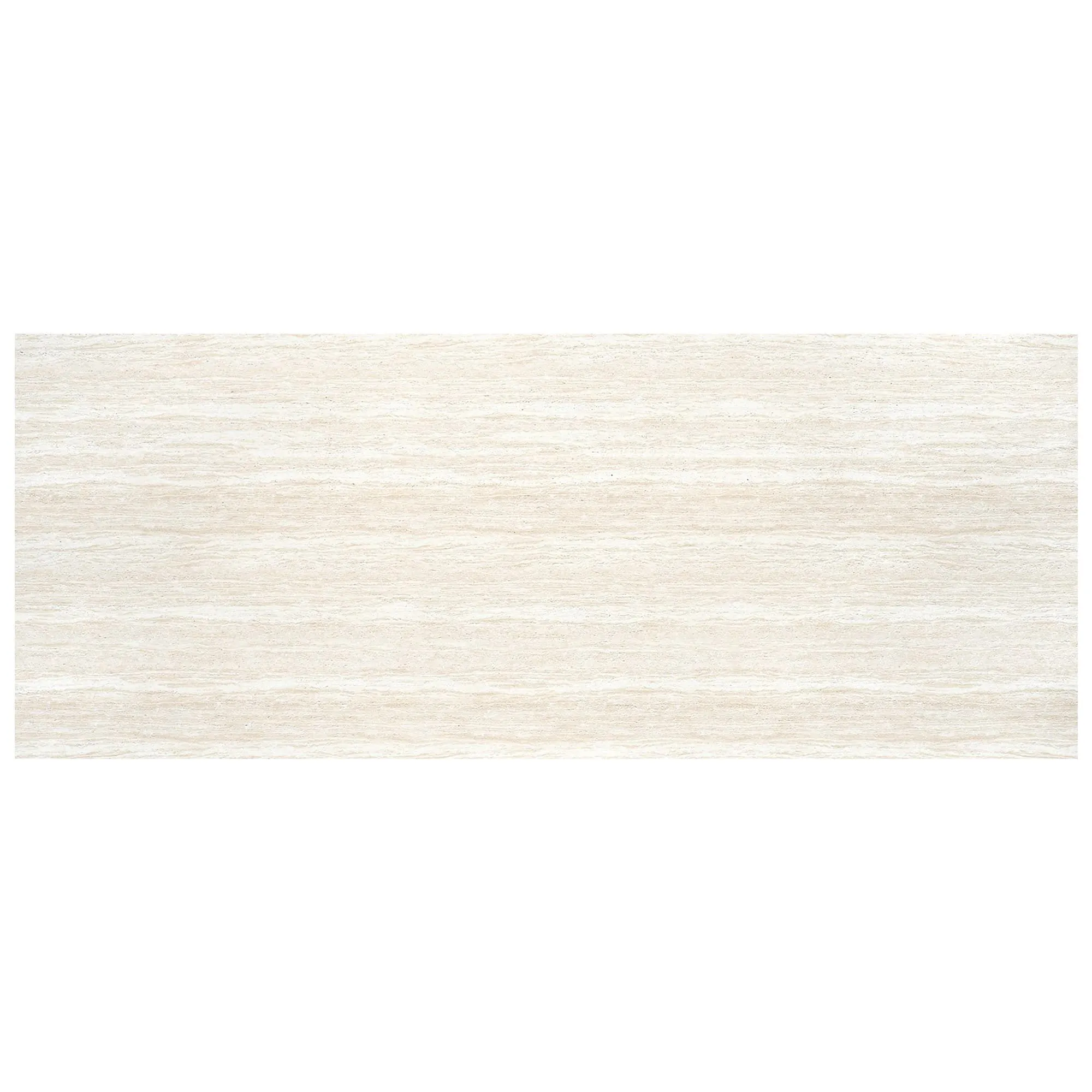
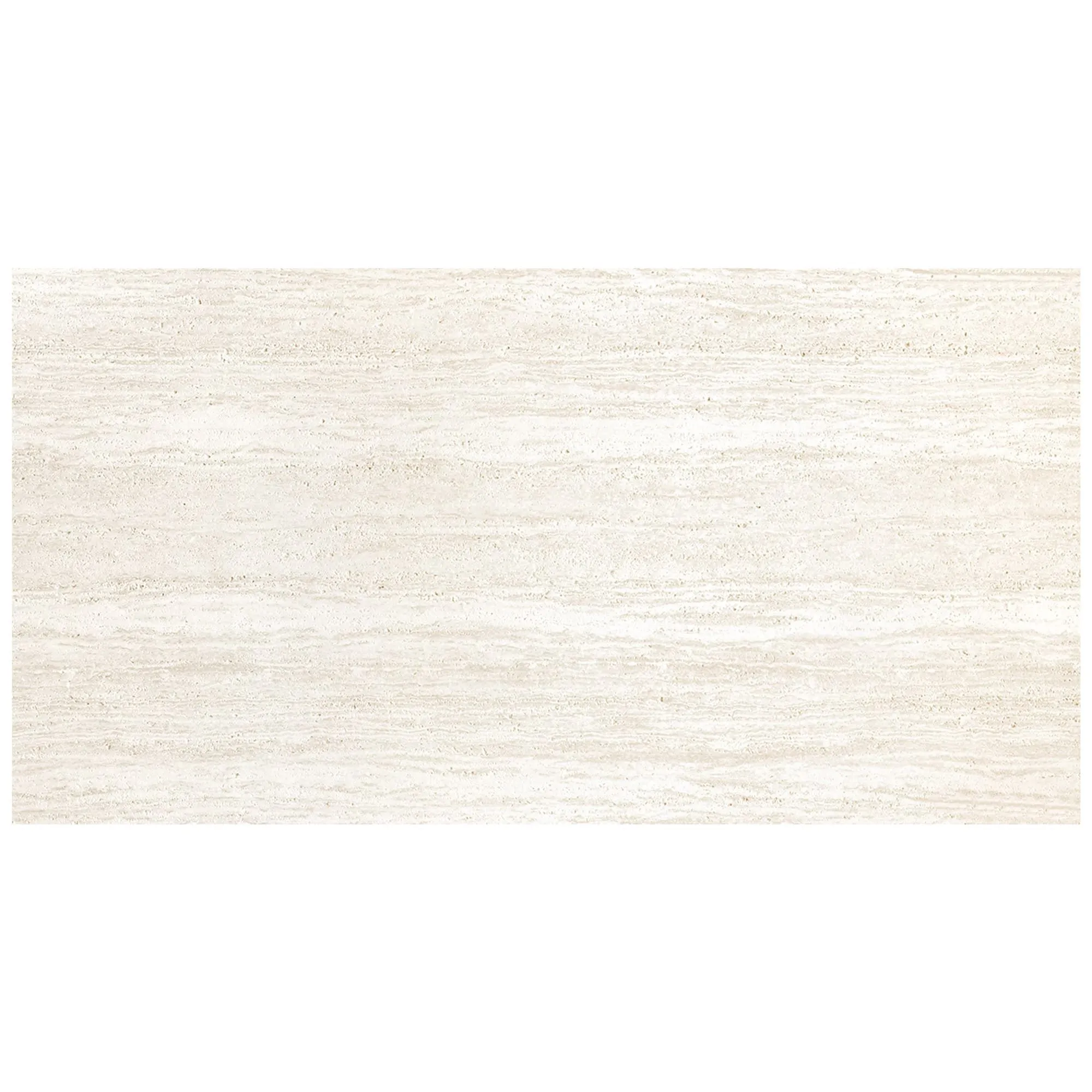
MCM Wood Line comes in a range of finishes, from light pine to dark walnut, and even specialty looks like "wood grain board" (which mimics the look of hand-planed wood) and "thread" (a subtle, linear texture that adds depth). It can be stained, painted, or left natural—whatever fits the design vision. And unlike some wood-look alternatives, it doesn't have that plastic-y shine. It has a matte, natural finish that ages gracefully, developing a soft patina over time, just like real wood.
Builders and carpenters are notoriously picky about materials. They've spent years mastering tools and techniques that work with wood, and they don't take kindly to materials that fight back. MCM Wood Line, happily, plays nice. It cuts with standard saws, drills with regular bits, and sands smooth—no special tools required. "It's like working with kiln-dried hardwood, but better," says Mike, a carpenter with 20 years of experience. "No splinters, no tear-out (that frustrating tendency of wood to split when cut), and it holds screws and nails perfectly. I can build a bookshelf in half the time because I'm not stopping to fix mistakes."
Even better, MCM Wood Line doesn't require the same level of precision as traditional wood. With traditional wood, you have to account for expansion and contraction—leaving gaps around doors, for example, so they don't stick in humidity. With MCM Wood Line, there's no expansion. You can build a tight-fitting cabinet or a seamless wall panel without worrying about future warping. "It's a dream for custom work," Mike adds. "I built a curved headboard for a client last year, and it still looks perfect. With real wood, that curve would have split by now."
MCM Wood Line isn't just for decks and siding (though it's great for those). Its versatility means it can be used in almost any application where traditional wood would go—plus a few places where traditional wood would never dare. Let's explore some of the most popular uses:
Outdoor projects are where MCM Wood Line truly shines. Decks built with MCM Wood Line don't warp, so they stay level and safe for years. Fences don't rot or get eaten by termites, so they keep your yard private without constant repairs. Siding resists fading, even in direct sunlight, so your home's curb appeal stays strong. "I installed an MCM Wood Line fence around my backyard three years ago," says Lisa, a homeowner in Texas. "We get 100-degree summers and monsoon-like rains, and the fence still looks brand new. My neighbor's wooden fence is gray and splintered. I don't even have to power wash mine!"
Inside the home, MCM Wood Line is a hit in kitchens and bathrooms, where moisture is a constant threat. Kitchen floors made of MCM Wood Line resist water from spills, while bathroom vanities don't swell or crack around sinks. It's also great for accent walls—imagine a living room with a wood grain board accent wall that adds warmth without the risk of fire damage. And furniture? MCM Wood Line tables, chairs, and bookshelves are lightweight (easier to move!) and durable enough for kids and pets.
Businesses love MCM Wood Line for its low maintenance and long lifespan. Cafés use it for tabletops that withstand coffee spills and constant wiping. Offices use it for reception desks that make a warm first impression. Retail stores use it for shelving that holds heavy products without sagging. "We replaced all our wooden display shelves with MCM Wood Line last year," says Jake, manager of a boutique in Seattle. "No more refinishing, no more replacing shelves that warped under the weight of clothes. It's saved us hours of maintenance time—and our customers comment on how 'cozy' the store feels. Win-win."
At the end of the day, MCM Wood Line isn't just about stronger decks or longer-lasting fences. It's about sustainability. By using recycled wood fibers, it reduces the demand for new timber, which in turn reduces deforestation. According to MCM's sustainability report, every ton of MCM Wood Line produced saves approximately 17 trees and reduces carbon emissions by 500 kg (compared to producing the same amount of traditional wood). That's a big deal in a world where climate change is top of mind for so many.
But sustainability isn't just about materials—it's about longevity. A product that lasts longer means less waste. If a traditional wooden deck needs to be replaced every 10 years, and an MCM Wood Line deck lasts 30, that's two fewer decks in a lifetime. Less wood harvested, less waste sent to landfills, and less energy spent on manufacturing and installation. It's a circular approach to building that respects both the planet and our wallets.
And MCM Wood Line is just the beginning. The MCM family of products includes other innovative materials like flexible stone (a lightweight, durable alternative to natural stone), 3D printing series (custom-shaped panels for unique architectural designs), and foamed aluminium alloy board (for modern, industrial looks). Together, they're redefining what building materials can be—stronger, smarter, and more sustainable.
Traditional wood will always have a special place in our hearts. It's the material of our memories, the backdrop to our lives, and a symbol of craftsmanship that spans centuries. But that doesn't mean we can't make it better. MCM Wood Line is a love letter to wood—a way to honor its beauty while fixing its flaws. It's stronger, more durable, and more sustainable than traditional wood, but it never loses sight of what makes wood special: its warmth, its texture, and its ability to turn a house into a home.
Whether you're building a new home, renovating a bathroom, or just looking for a deck that won't require yearly maintenance, MCM Wood Line is worth considering. It's not just a material—it's a promise: the beauty of wood, without the headaches. And in a world that's always rushing, that's a promise worth keeping.
Recommend Products












