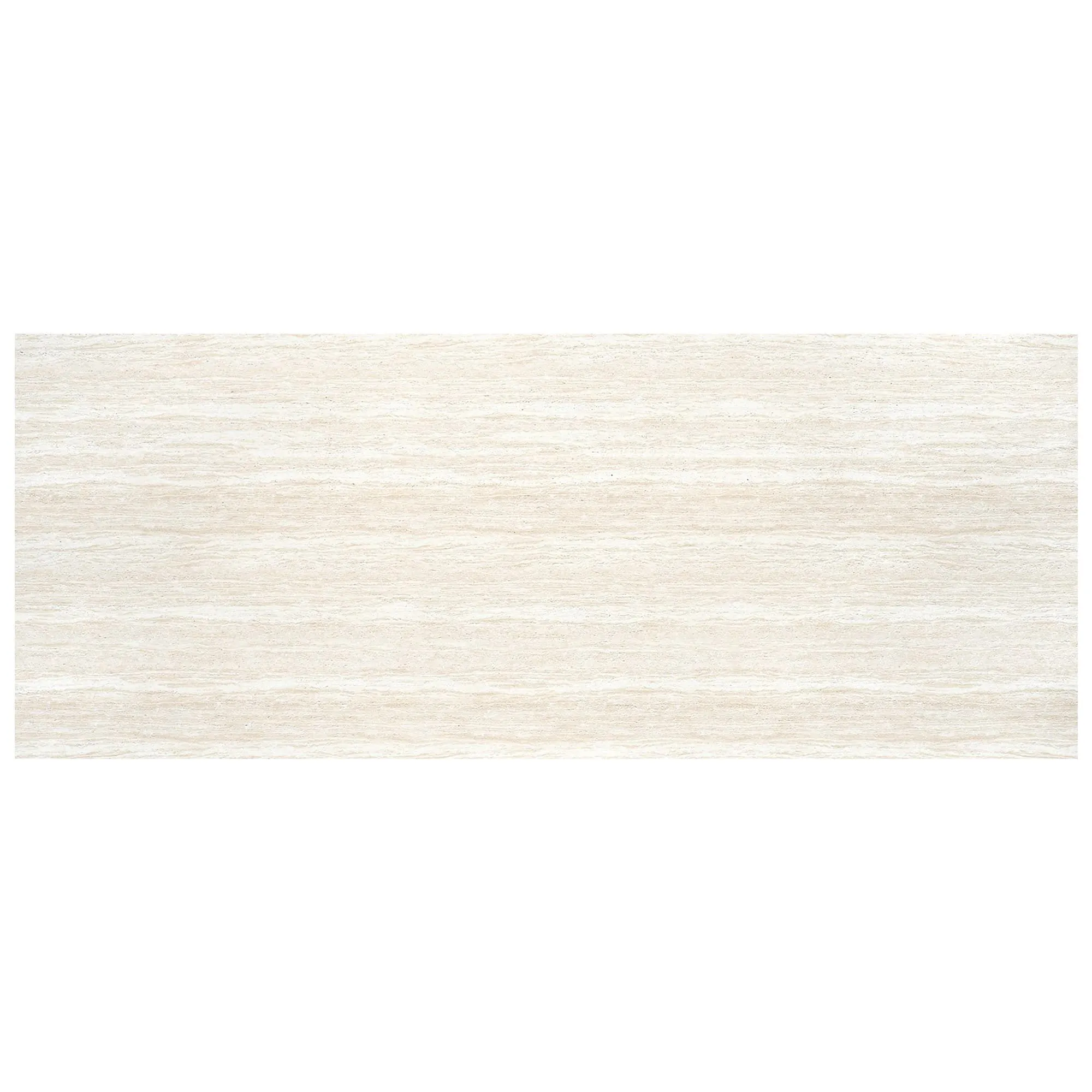
Picture this: you're standing in your backyard, coffee in hand, staring at a blank space where your dream outdoor deck will soon be. It's more than just a platform—this deck will be where your kids learn to ride their first bike, where you host weekend barbecues with friends, and where you'll unwind after long days, watching the sunset dip below the trees. But there's a problem: choosing the right decking material. With so many options out there, it's easy to feel overwhelmed. Today, we're breaking down two popular choices:
MCM Wood Line
and Acacia Wood. By the end, you'll have a clearer idea of which one fits your lifestyle, budget, and vision.
First, Let's Talk About MCM Wood Line: The Modern Contender
If you've never heard of MCM, you're not alone—but once you learn about it, you might wonder how you lived without it. MCM stands for Modified Composite Material, a cutting-edge blend of natural minerals, polymers, and fibers designed to mimic the look of natural materials while fixing their biggest flaws. And
MCM Wood Line
is a star in the
MCM project board series
, crafted specifically to replicate the warmth and texture of wood—without the hassle of maintaining real timber.
What makes
MCM Wood Line
stand out? Let's start with its core superpower: flexibility. Thanks to
MCM flexible stone
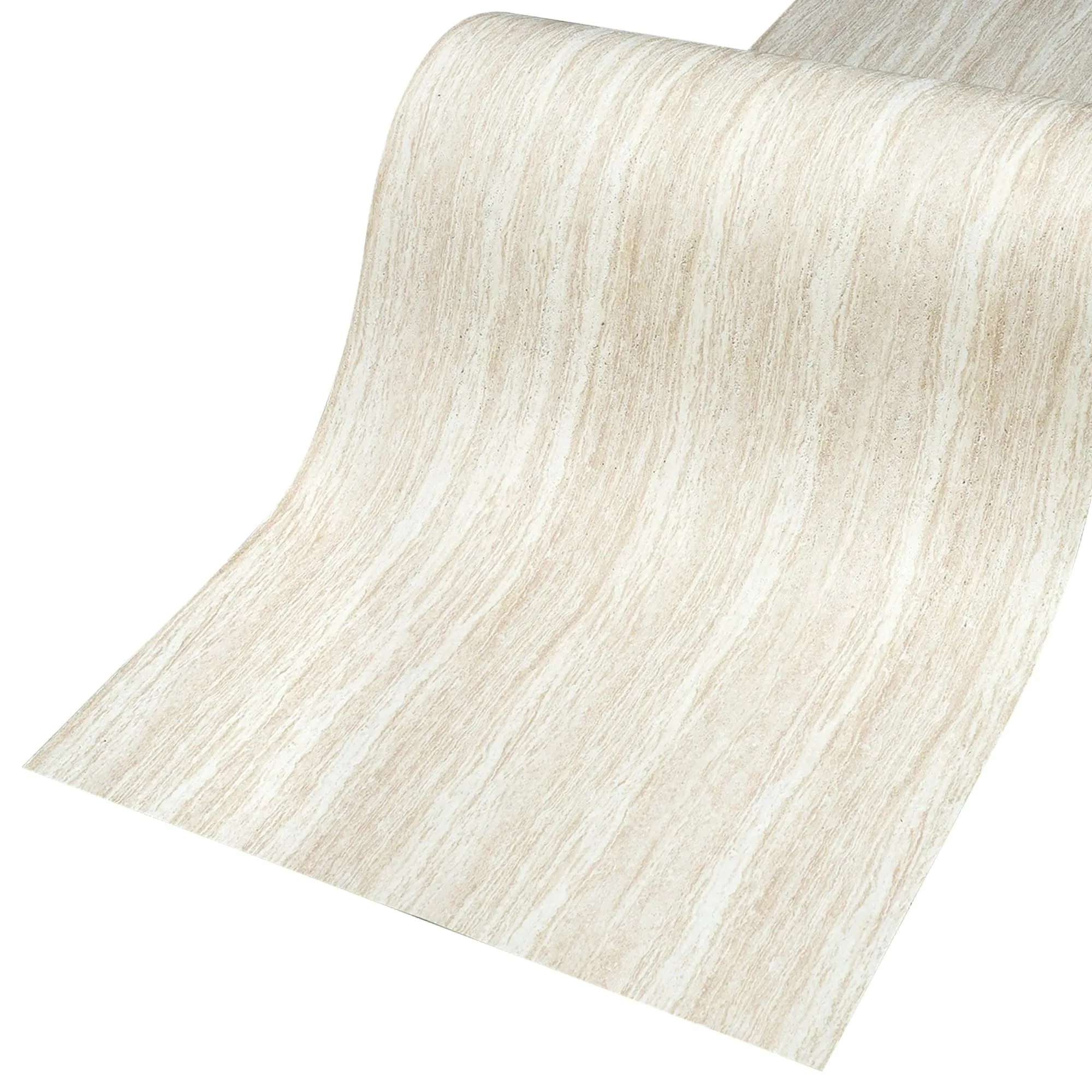
technology, these boards bend slightly underfoot, making them safer (no stiff, unforgiving surfaces here!) and more resistant to cracking under pressure. Imagine a deck that can handle a rowdy game of tag or a summer storm without showing a single scratch—that's MCM in action.
Then there's the aesthetics. The
wood grain board
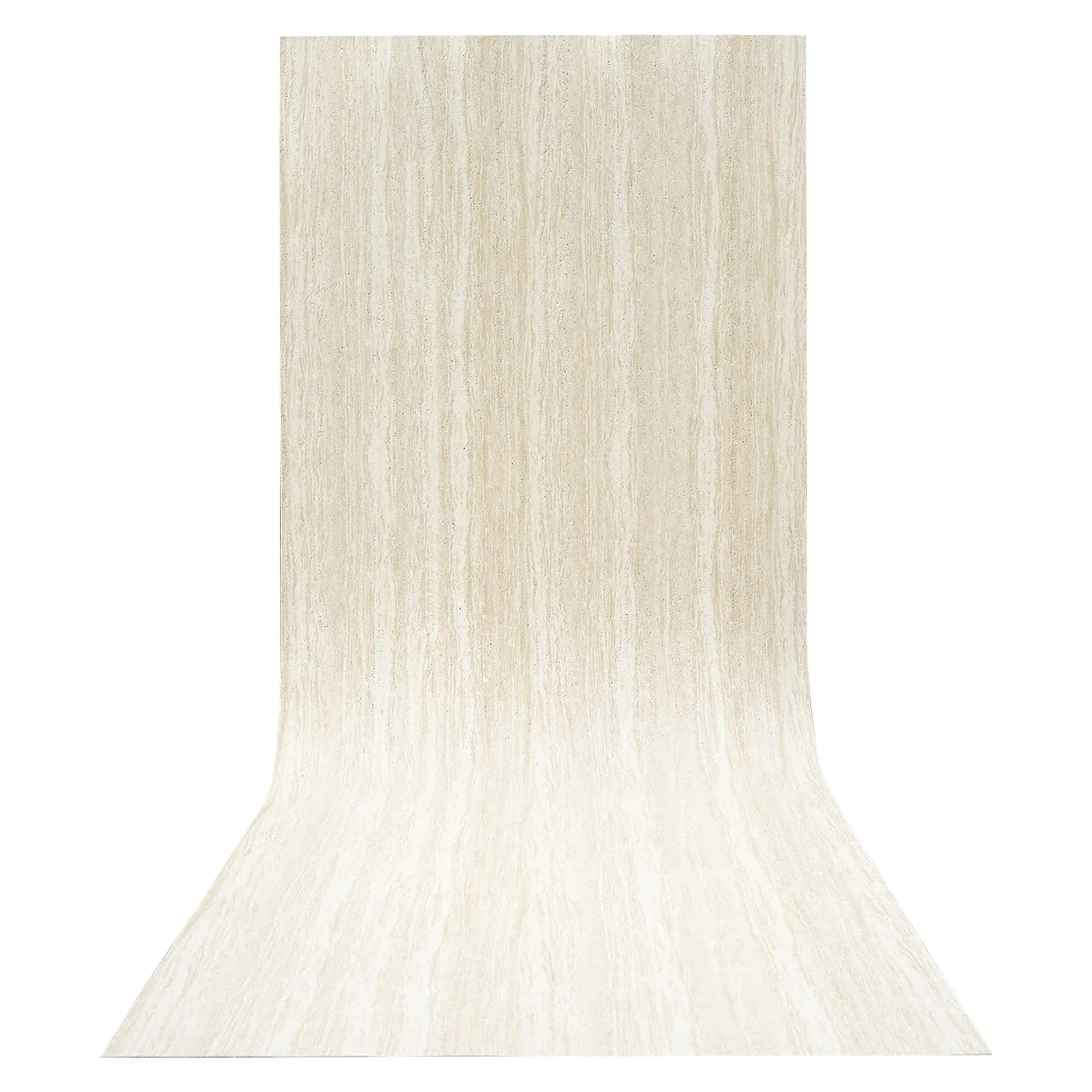
finish is eerily realistic. Run your hand over it, and you'll feel the subtle ridges and knots that make real wood so charming—except this "wood" won't warp, fade, or rot. Manufacturers use advanced printing techniques to replicate everything from light oak to rich walnut, so you can match your home's exterior or get creative with a bold, unique look.
Durability is another win. Unlike natural wood, MCM isn't fazed by rain, snow, or harsh UV rays. Leave it out in the sun all summer, and it won't bleach; let it soak in a downpour, and it won't swell. Even saltwater? No problem—coastal homeowners, rejoice. And because it's made from composite materials, it's resistant to pests like termites. Say goodbye to costly treatments or surprise infestations.
Now, Acacia Wood: The Timeless Natural Beauty
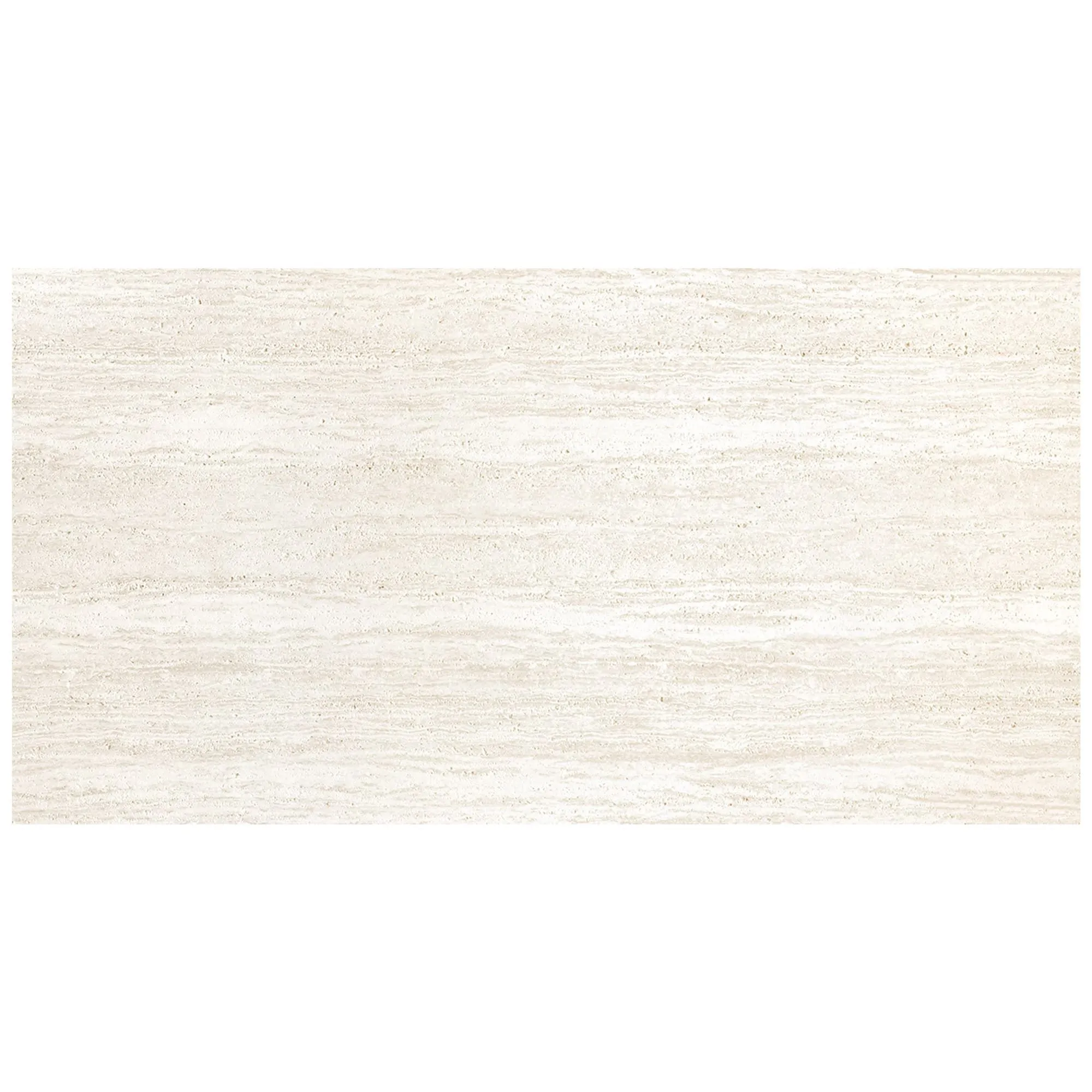
On the other side of the ring, we have Acacia Wood—a natural hardwood with a reputation for turning heads. If you're drawn to the organic, earthy vibe of real wood, Acacia might call to you. Originating from tropical regions like Australia and Southeast Asia, Acacia is prized for its rich, warm tones (think honey-brown with golden highlights) and distinctive grain patterns, which range from straight to swirled, adding character to any space.
Acacia is no pushover, either. It's a dense hardwood, which means it's naturally resistant to dents and scratches—good news if you have pets or kids who treat the deck like their personal playground. It also has a high oil content, which helps it repel water… at first. But here's the catch: like all natural woods, Acacia needs a little TLC to stay in top shape.
Let's be real: natural wood has a magic that's hard to replicate. There's something about the way sunlight filters through the trees and dances on Acacia's surface, or the way it ages gracefully, developing a soft patina over time. For some homeowners, that "lived-in" look is non-negotiable. But that beauty comes with a price—both in time and money.
The Showdown: MCM Wood Line vs. Acacia Wood (By the Numbers)
To make this decision easier, let's put them head-to-head. Below is a breakdown of how they stack up in key categories:
|
Category
|
MCM Wood Line
|
Acacia Wood
|
|
Durability
|
Resistant to rot, mold, and pests; won't warp or crack in extreme weather. Expected lifespan: 25–30 years with minimal maintenance.
|
Dense and scratch-resistant but prone to warping, rotting, or splitting if not sealed regularly. Expected lifespan: 15–20 years with proper care.
|
|
Weather Resistance
|
Impervious to moisture, UV rays, and temperature swings. No swelling in rain, no fading in sun.
|
Natural oil content offers initial water resistance, but prolonged exposure to rain/snow can cause rot. UV rays will fade color over time without sealing.
|
|
Aesthetics
|
Realistic
wood grain board
finish in multiple shades (light oak, dark walnut, etc.). Consistent color and pattern; no two boards are identical, but variations are controlled.
|
Unique, organic grain patterns and warm, natural tones. Ages to a silvery patina over time (some love this; others prefer the original color).
|
|
Maintenance
|
Low-maintenance: Sweep off debris, hose down with soap and water once a season. No sealing, staining, or painting required.
|
High-maintenance: Seal every 1–2 years to prevent water damage and fading. Clean regularly to avoid mold; sand and refinish every 3–5 years if you want to keep the original color.
|
|
Cost
|
Higher upfront cost ($4–$8 per square foot, depending on style). Lower long-term costs (no sealing products or professional refinishing).
|
Lower upfront cost ($3–$6 per square foot for untreated Acacia). Higher long-term costs (sealers, tools, and labor for maintenance add up over time).
|
|
Installation
|
Lightweight and easy to cut; can be installed with standard tools.
MCM flexible stone
technology allows for slight bending, making it ideal for uneven surfaces.
|
Heavier than MCM; may require specialized tools to cut. Needs proper spacing between boards to account for expansion/contraction with temperature changes.
|
Real-World Scenarios: Which One Fits Your Life?
Scenario 1: The Busy Family
You have two kids, a golden retriever, and a schedule that's packed from sunrise to sunset. The last thing you want is to spend weekends sealing the deck instead of cheering at soccer games or having picnic dinners.
MCM Wood Line
would thrive here. Its low maintenance means you can hose it down on a Saturday morning and spend the rest of the day with your family, not worrying about water damage or mold.
Scenario 2: The Nature Enthusiast
You prioritize sustainability and love the look of natural materials. You don't mind spending a few weekends a year maintaining your deck because you enjoy the ritual—sanding, staining, and watching the wood transform. Acacia could be your match. Just make sure to source FSC-certified Acacia (sustainably harvested) to keep your eco-friendly values intact.
Scenario 3: The Coastal Homeowner
You live near the ocean, where saltwater spray and humidity are constant. Acacia would struggle here—saltwater accelerates rot, and humidity breeds mold.
MCM Wood Line
, on the other hand, laughs at salt and moisture. It's why coastal builders are increasingly turning to
MCM project board series
for decks, patios, and even pool surrounds.
The Verdict: It's All About Your Priorities
At the end of the day, there's no "perfect" material—only the perfect material for
you
. If you want a deck that looks like wood but acts like a superhero (resistant to weather, pests, and time),
MCM Wood Line
is the way to go. Its
wood grain board
finish and
MCM flexible stone
durability make it a smart, long-term investment for busy households or anyone who hates maintenance.
But if your heart is set on the warmth and authenticity of natural wood, and you're willing to put in the work to maintain it, Acacia Wood could be worth the effort. Just remember: that patina you love now might turn into a headache later if you're not ready to seal and refinish regularly.
Whichever you choose, your deck will be more than just a space—it will be a backdrop for memories. And isn't that what it's all about?