
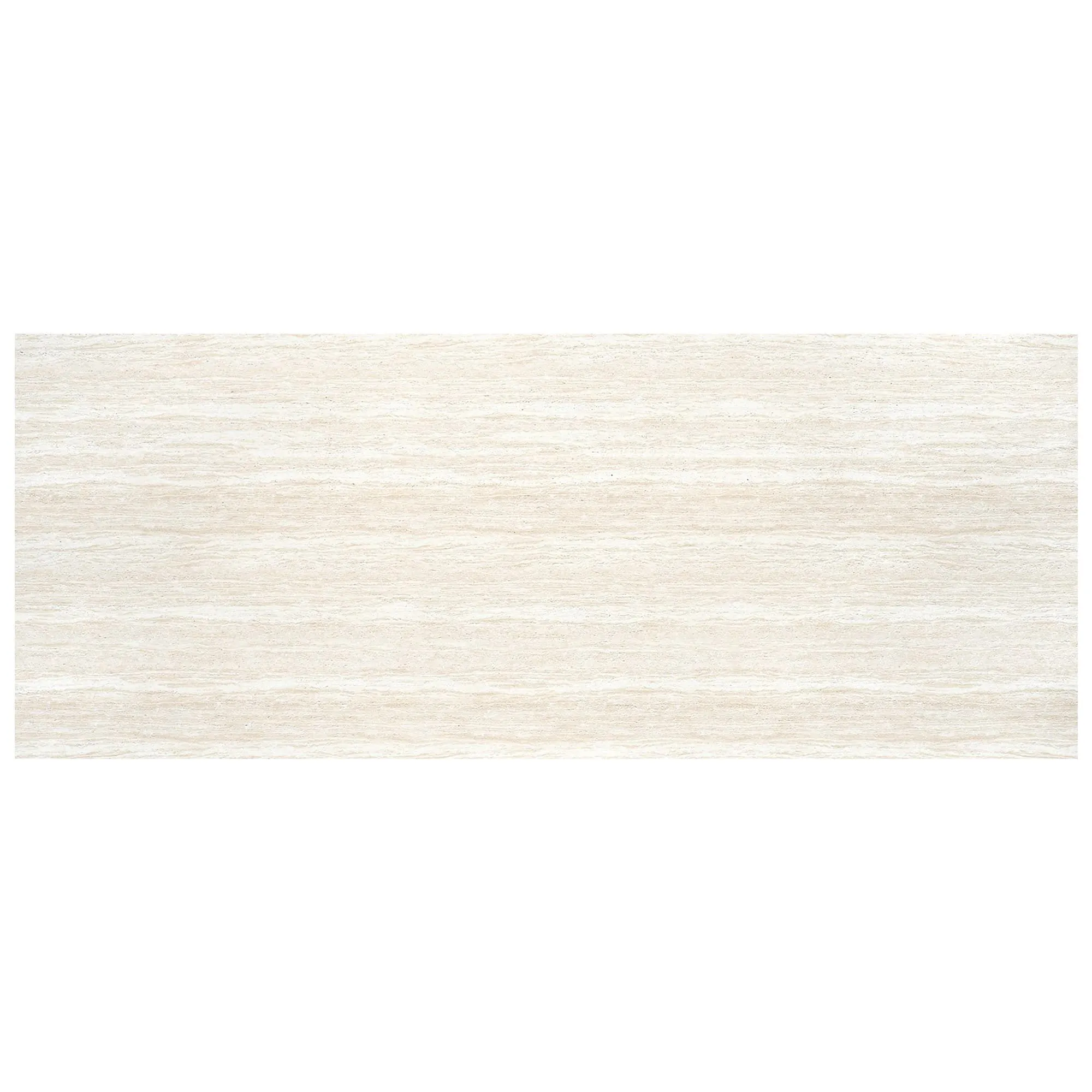
When we talk about "green" building materials, it's easy to get swept up in buzzwords. But true sustainability starts long before a product hits the construction site—it's in the sourcing, the manufacturing, and what happens when that material finally reaches the end of its life. Let's break down how MCM Wood Line and composite wood stack up here.
Composite wood, as the name suggests, is a blend—typically wood fibers (often from fast-growth trees or sawmill scraps) mixed with plastic polymers (think polyethylene or polypropylene). While the wood component might sound renewable, the plastic is often derived from non-renewable fossil fuels. Even "recycled plastic" composites can be problematic; the plastic is often downcycled, meaning it can't be recycled again once the composite itself wears out.
MCM Wood Line, on the other hand, is part of the broader MCM family, which includes innovations like MCM flexible stone . Its core is a modified composite material that prioritizes recycled or sustainably sourced inputs. The wood-like texture? It's achieved through advanced printing techniques that mimic the look of real wood grain without requiring the felling of mature trees. Instead of relying on plastic binders, MCM uses mineral-based adhesives, reducing its dependence on fossil fuels. For example, the wood grain board finish in MCM Wood Line replicates the swirls and knots of oak or teak, but without a single tree being cut down for the process.
Composite wood production is energy-intensive. The process involves melting plastic, mixing it with wood fibers, and extruding the blend into planks—steps that release significant CO2. Plus, any excess material during manufacturing is often non-recyclable, ending up in landfills. MCM Wood Line, by contrast, uses a low-temperature pressing process that cuts energy use by up to 30% compared to traditional composite manufacturing. Its base material, a mix of mineral powders and recycled fibers, generates minimal waste, and what little there is can be reprocessed into new panels.
Here's where the two materials diverge sharply. Composite wood, with its plastic core, doesn't biodegrade. When it cracks, fades, or becomes outdated, it's typically hauled to a landfill, where it can take centuries to break down—all while leaching microplastics into the soil. MCM Wood Line, though not fully biodegradable, is designed for circularity. Its mineral-based composition means it can be crushed and repurposed as aggregate for new construction materials, closing the loop on waste. Imagine a 50-year-old building facade being ground down and turned into part of a new community center's foundation—that's the kind of lifecycle MCM aims for.
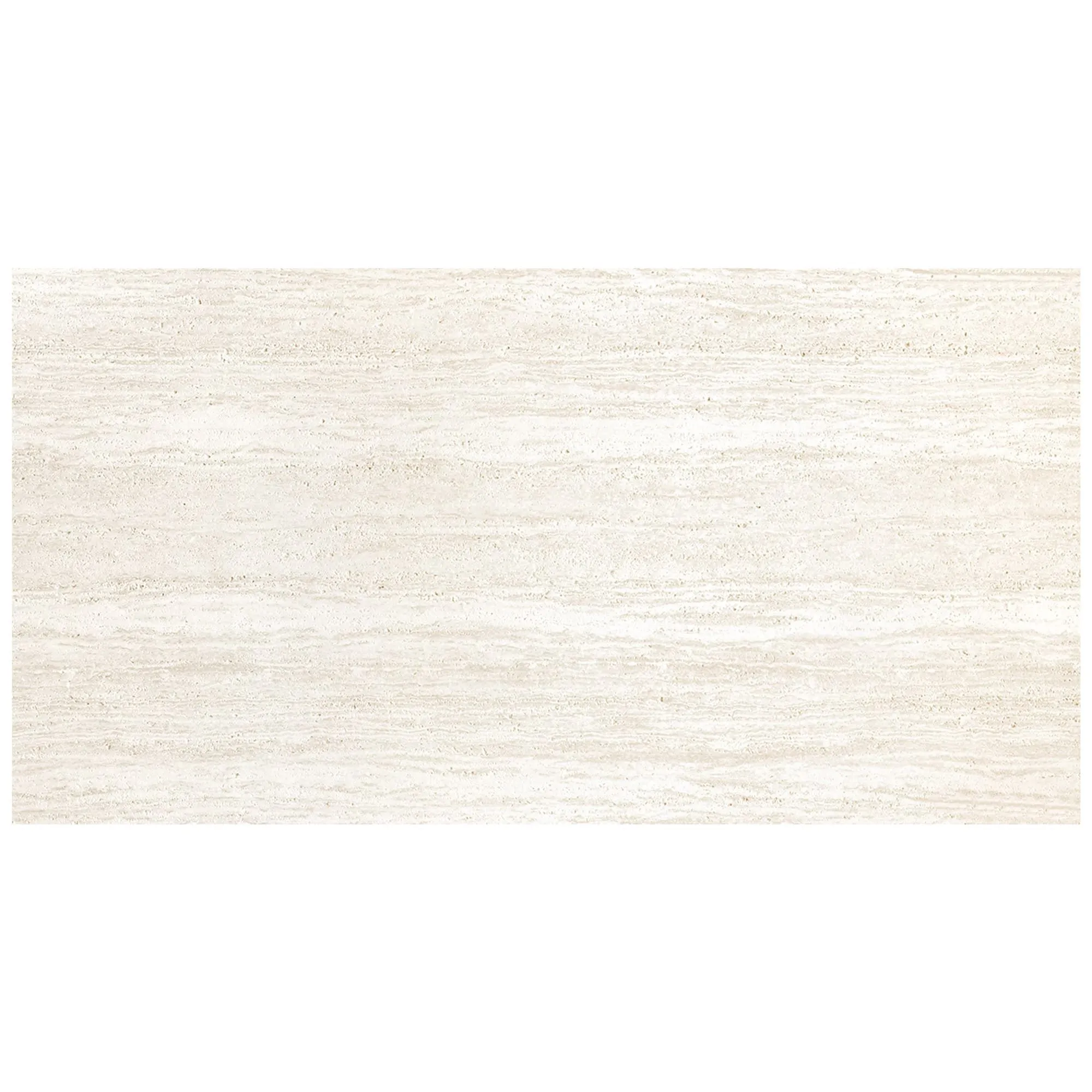
We've all seen it: a "wood-look" deck that starts to peel after one harsh winter, or a siding panel that fades from rich chestnut to dull gray in just a few years. A material's environmental credentials matter, but if it can't stand up to the elements, it's little more than a well-intentioned experiment. Let's talk durability, maintenance, and that all-important "feel" of authenticity.
Composite wood was originally marketed as "maintenance-free," but homeowners quickly learned that wasn't the whole truth. While it resists rot better than real wood, it's prone to warping in extreme heat, swelling in humidity, and even cracking under freeze-thaw cycles. Termites might not eat it, but mold? It loves the trapped moisture between those wood fibers and plastic layers. I once visited a beach house where the composite wood deck had turned into a patchwork of discolored planks after just five years—hardly the "lifetime" investment the homeowner was promised.
MCM Wood Line, built on the backbone of MCM flexible stone technology, is a different beast. Its mineral-rich core makes it impervious to moisture, so no warping or swelling. UV rays? They bounce off its specialized coating, keeping colors vibrant for decades. And pests? They can't digest the mineral binder, so termites and carpenter ants leave it alone. A restaurant in coastal Oregon, exposed to relentless rain and salt air, has used MCM Wood Line siding for 12 years—today, it still looks as warm and textured as the day it was installed.
Composite wood might skip the annual staining required for real wood, but it's not entirely maintenance-free. Most manufacturers recommend power washing twice a year to prevent mold, and if scratches or stains do appear, they're nearly impossible to repair—you're stuck replacing the entire plank. MCM Wood Line, by contrast, asks for almost nothing. A quick hose-down with soapy water once a year is usually enough to keep its wood grain board texture looking crisp. And if it does get scratched? A simple touch-up kit (think of it like nail polish for your siding) blends the mark right back into the pattern. No sanding, no repainting, no stress.
Here's the thing about real wood: it's imperfect. The knots, the variation in grain, the subtle shifts in color—those are the details that make it feel alive. Composite wood, with its uniform texture and limited color options, often falls into the "uncanny valley" of design: it looks almost like wood, but not quite. Up close, the plastic sheen gives it away, making spaces feel sterile rather than inviting.
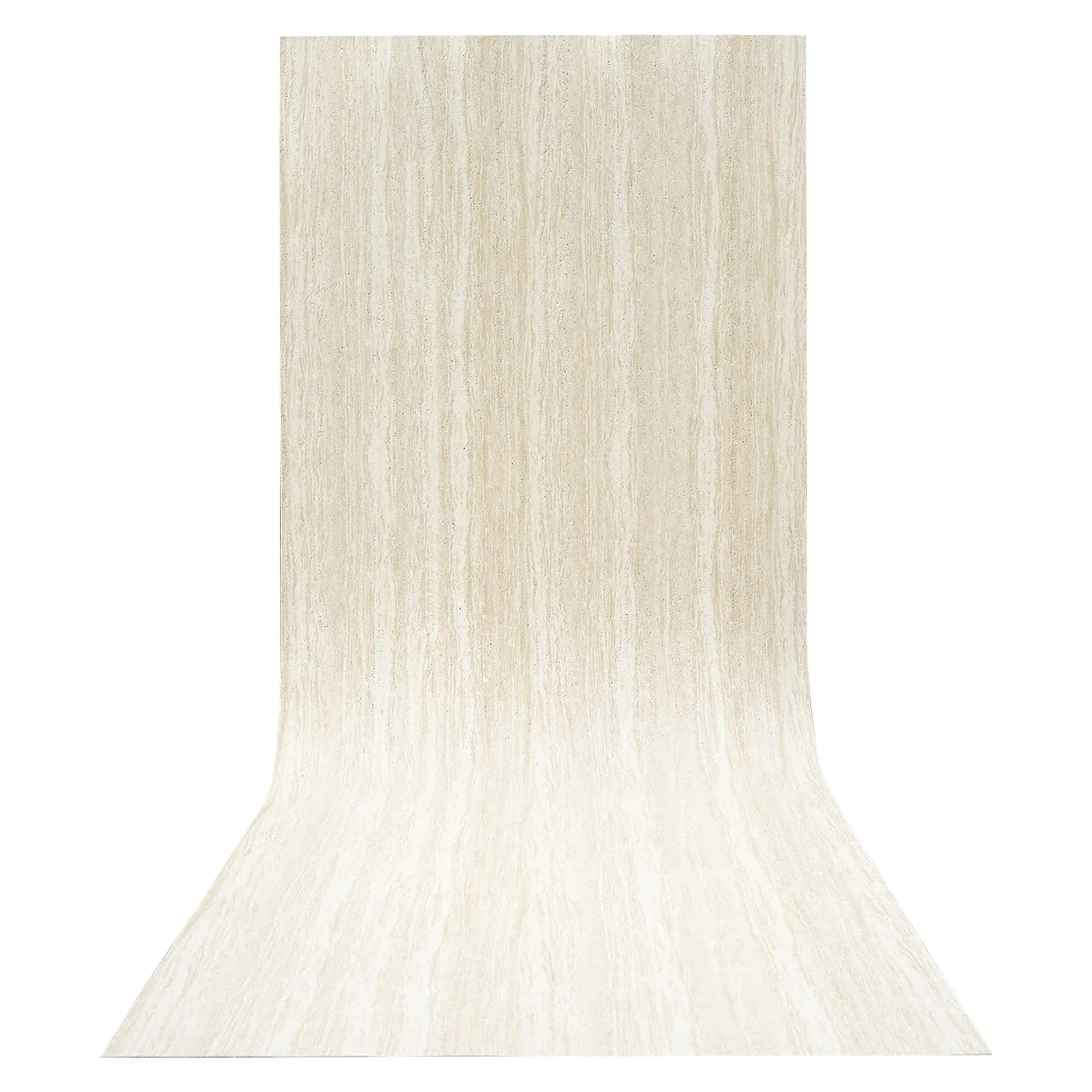
MCM Wood Line, though, leans into imperfection—on purpose. Its wood line patterns are scanned from real reclaimed wood, capturing every knot, every swirl, every tiny crack that tells a story. Run your hand over it, and you'll feel the texture of saw marks and weathered grain, not the smooth plastic of composite. It's why architects are choosing it for everything from boutique hotels to family homes—it doesn't just mimic wood; it honors it.
| Category | MCM Wood Line | Composite Wood |
|---|---|---|
| Environmental Impact |
• Recycled/mineral-based raw materials
• Low-energy manufacturing • Fully recyclable at end-of-life |
• Plastic components from fossil fuels
• High CO2 emissions during production • Non-biodegradable; often landfilled |
| Durability |
• Resists moisture, UV rays, pests, and freeze-thaw cycles
• 50+ year lifespan in most climates |
• Prone to warping, swelling, and mold
• 15-20 year average lifespan (with maintenance) |
| Maintenance | • Minimal: Annual hose-down; minor scratches repairable | • Requires bi-annual power washing; scratches/stains often permanent |
| Aesthetics |
• Realistic wood grain and texture from scanned reclaimed wood
• Rich, fade-resistant colors |
• Uniform, plastic-like appearance
• Limited color options; prone to fading |
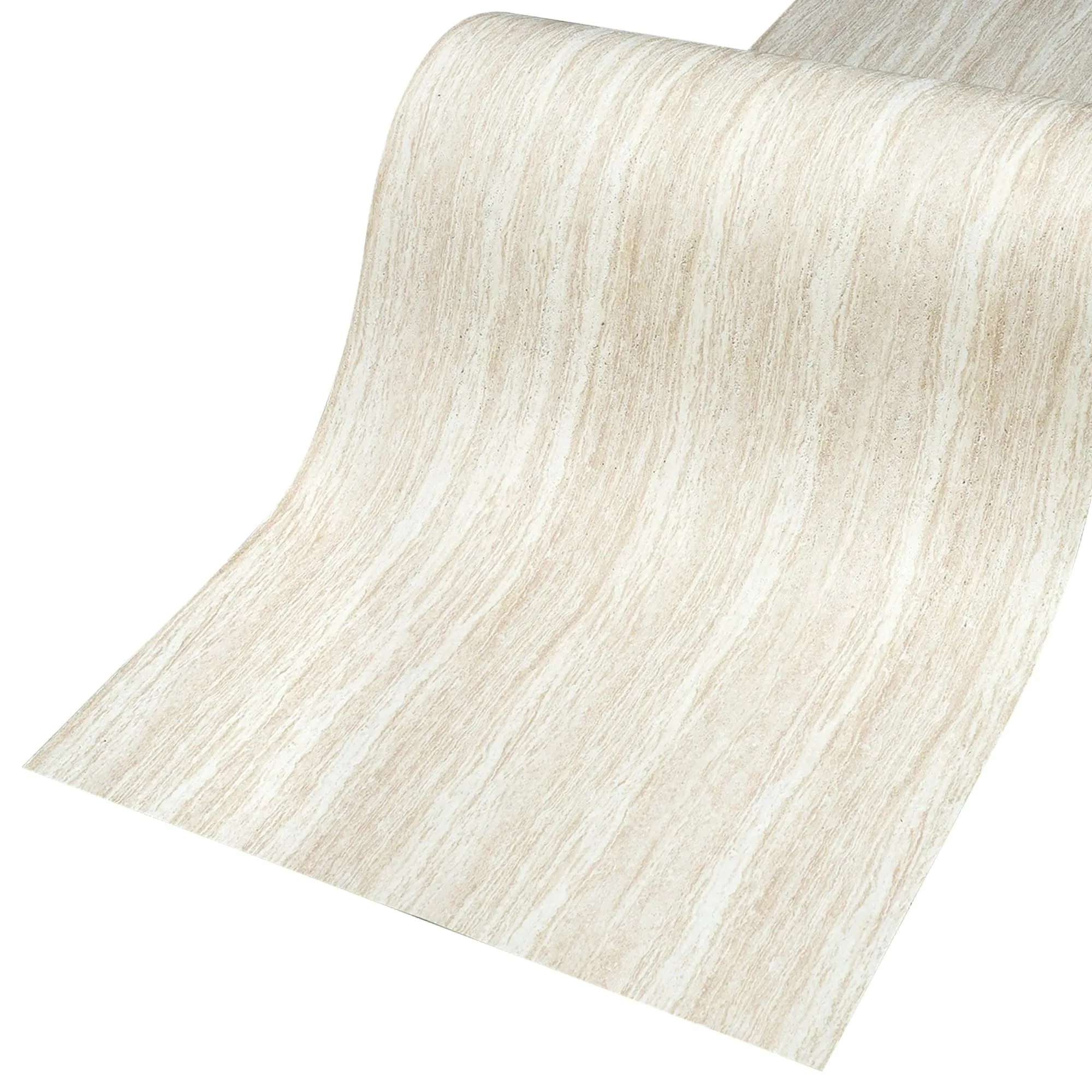
Numbers and specs tell part of the story, but real impact lives in the spaces we inhabit. Let's look at two projects—one using MCM Wood Line, one using composite wood—and how the choice of material influenced everything from daily life to long-term satisfaction.
In a small town on the California coast, the local community center needed a facelift. The goal? A space that felt warm and welcoming, but could stand up to the salty ocean breeze and frequent rain. The architects chose MCM Wood Line for the exterior cladding, paired with fair-faced concrete for contrast. Five years later, the center has become the heart of the town. Kids play on the MCM-clad patio without worrying about splinters, and the wood-like panels still glow honey-gold at sunset. "We didn't just build a building," the lead architect told me. "We built something that grows with the community—and doesn't ask for anything in return."
A few miles inland, a housing developer opted for composite wood decks in a new subdivision, marketing them as "low-maintenance luxury." Homeowners were thrilled at first—no more staining! But by year three, complaints rolled in: decks were warping, some panels had cracked, and the uniform gray color had faded to a dull beige. One homeowner, frustrated after replacing three planks, summed it up: "I thought I was saving time and money. Instead, I'm spending weekends fixing something that was supposed to be 'done.'"
At the end of the day, choosing between MCM Wood Line and composite wood isn't just about picking a siding or deck material. It's about choosing what kind of impact you want to leave on the planet, and what kind of spaces you want to create. Composite wood might seem like the budget-friendly, "good enough" option now, but its hidden costs—environmental and otherwise—add up quickly.
MCM Wood Line, with its MCM flexible stone roots, wood grain board authenticity, and commitment to circularity, offers something rarer: a material that's as kind to the planet as it is to the eyes. It's for the homeowner who wants their home to tell a story of responsibility, the architect who refuses to compromise on design, and anyone who believes that beauty shouldn't come at the cost of sustainability.
So the next time you're planning a project, ask yourself: Do I want a material that fades, warps, and ends up in a landfill? Or one that grows more beautiful with time, and leaves the world a little better than it found it? The answer, I think, is written in the grain.
Recommend Products












