
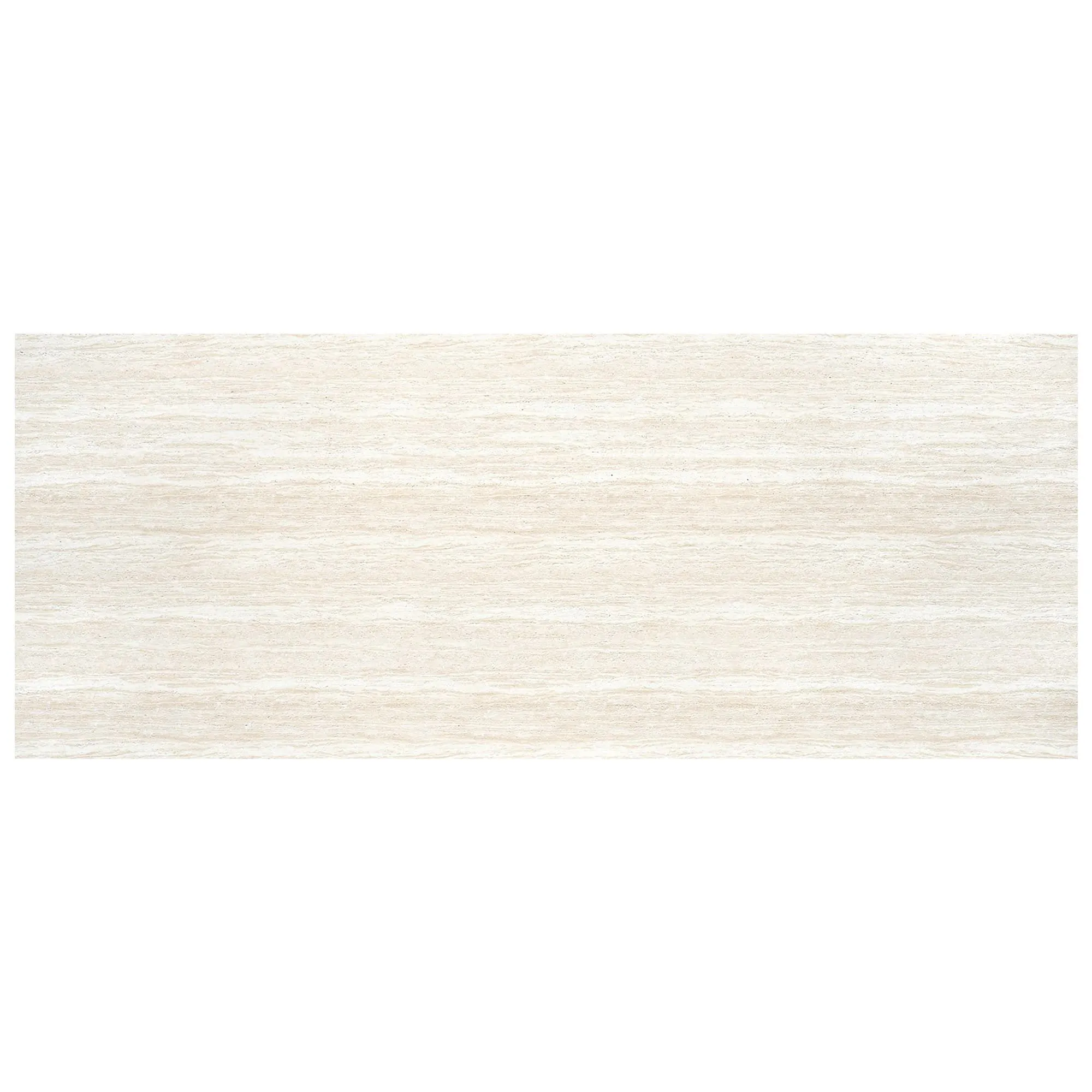
Choosing the right exterior cladding for a home or commercial building is about more than just protection—it's about crafting a first impression that lingers. For architects, homeowners, and designers, the aesthetics of a material can transform a structure from "just a building" into a storyteller, reflecting personality, style, and even cultural roots. In the world of exterior design, two materials have risen to prominence for their blend of functionality and visual appeal: MCM Wood Line and Fiber Cement Siding. While both aim to enhance a building's curb appeal, their approaches to aesthetics are as distinct as a hand-painted mural versus a printed poster. Today, we're unpacking their visual narratives, texture, color, and the unique charm they bring to spaces, with a focus on how they shape the way we experience architecture.
Before diving into aesthetics, let's ground ourselves in what these materials are. MCM Wood Line is part of the broader family of MCM (Modified Composite Material) products, known for their flexibility, lightweight nature, and ability to mimic natural textures. As the name suggests, MCM Wood Line is engineered to replicate the warmth and grain of real wood, but with the durability of modern composites. It's often grouped with materials like Wood Grain Board and Bali Stone, which prioritize organic, nature-inspired aesthetics.
On the other side is Fiber Cement Siding , a stalwart in the industry made from a mix of cement, sand, and cellulose fibers. For decades, it's been praised for its sturdiness, but its aesthetic identity has long been tied to practicality—think uniform panels, muted tones, and a "no-fuss" appearance. It's the go-to for those seeking reliability, but how does it stack up when beauty is the top priority?
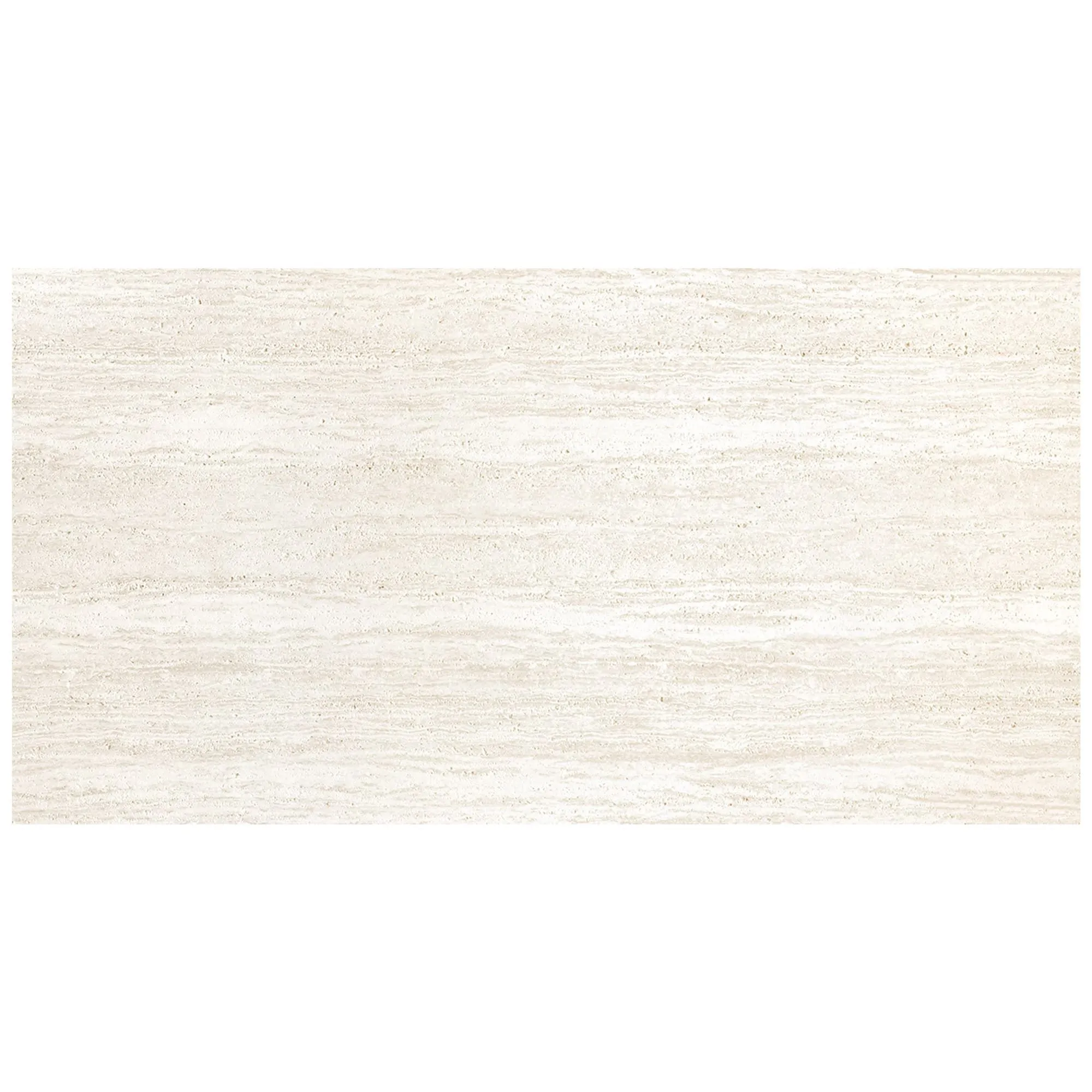
Aesthetics in architecture is about storytelling. Does the cladding whisper of a cozy cabin in the woods, or shout modern minimalism? Let's break down how MCM Wood Line and Fiber Cement Siding craft their narratives.
MCM Wood Line thrives on the beauty of imperfection—the kind that makes natural wood so appealing. Run your eyes over a wall clad in MCM Wood Line, and you'll notice details that feel almost too real: the subtle variation in grain direction, the faint knots that mimic a tree's growth rings, and the soft undulations that suggest years of weathering (without the actual wear). It's not just a "wood-look" material; it's a homage to wood's organic character.
Part of this authenticity comes from MCM's manufacturing process, which uses advanced molding techniques to capture the depth of natural textures. Unlike flat, printed imitations, MCM Wood Line has a three-dimensional quality—you can see shadows play across its surface as light shifts, creating a dynamic, ever-changing appearance. It's the difference between looking at a photograph of a forest and standing in one; the latter surrounds you with life.
This attention to detail makes MCM Wood Line incredibly versatile. Pair it with Bali Stone accents for a tropical, resort-like vibe, or use it alongside Travertine (Beige) panels for a warm, earthy palette that feels rooted in nature. It's equally at home on a modern farmhouse as it is on a sleek urban townhouse, proving that "natural" doesn't have to mean "rustic."
Fiber Cement Siding, by contrast, leans into uniformity. Its panels are designed to look consistent, with minimal variation from one board to the next. This can be a strength: for homeowners who crave a clean, polished exterior, the lack of "distractions" (like knots or uneven grain) creates a sense of order. It's the architectural equivalent of a perfectly made bed—neat, tidy, and reliably put-together.
That said, modern Fiber Cement Siding does offer textured options, like simulated wood grain or stucco-like finishes. But here's the catch: these textures often feel "applied" rather than "integrated." Run your hand over a fiber cement panel, and you might notice the grain is shallower, the patterns more repetitive. It's like comparing a hand-drawn sketch to a digital filter—one has depth, the other has convenience.
This uniformity can limit its storytelling potential. A home clad in fiber cement might read as "practical" or "maintenance-free," but it rarely evokes the same emotional response as a material that feels like it has a history. It's the difference between a song with a steady beat and one with unexpected harmonies—both have their place, but only one is likely to make you pause and listen.
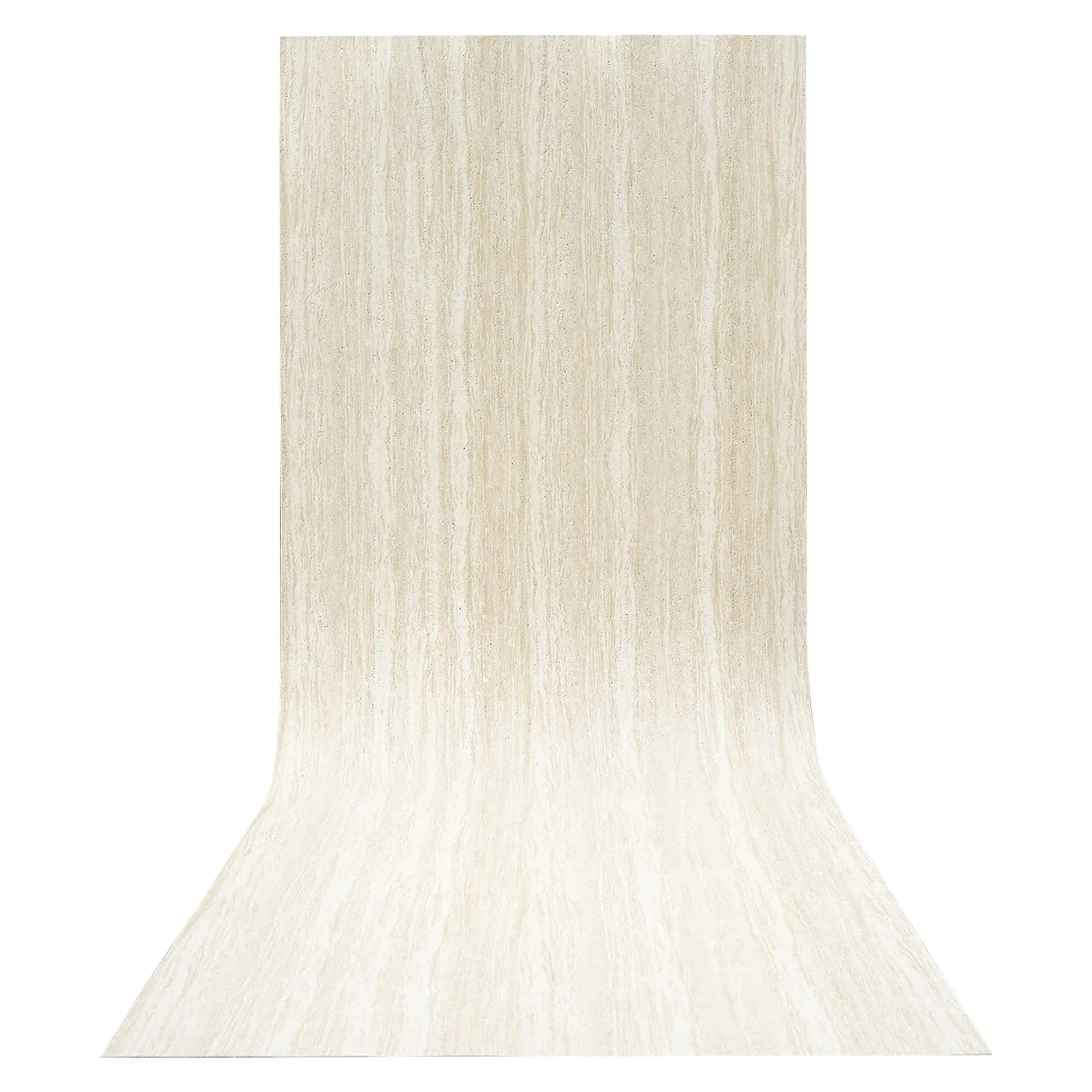
Aesthetics aren't just visual—they're tactile. The way a cladding material feels (even from a distance) shapes how we perceive it. Warm, textured surfaces invite connection; cold, smooth ones can feel sterile. Let's explore how MCM Wood Line and Fiber Cement Siding engage our sense of touch.
MCM Wood Line is designed to be experienced up close. Imagine standing beside a wall covered in it: your hand instinctively reaches out, and when you touch it, you're met with a surface that feels remarkably like real wood—slightly rough in some spots, smooth in others, with grooves that follow the grain. It's not just a visual trick; the texture is physically there, created by layers of modified composite material that mimic the density and porosity of timber.
This tactile quality adds depth to its aesthetic. From a distance, the texture creates shadow and dimension, making the building feel more substantial. Up close, it invites interaction—children might run their fingers along the grain, guests might trace a knot while chatting on the porch. It turns a static wall into something dynamic, something that feels alive.
Compare this to Rough Granite Stone (a cousin in the MCM family), which offers a similarly tactile experience but with a more rugged edge. MCM Wood Line, by contrast, balances texture with softness, making it approachable and warm. It's the kind of material that makes a house feel like a home, simply because it begs to be touched.
Fiber Cement Siding, while durable, often sacrifices tactile depth for practicality. Most fiber cement panels are smooth or have a shallow, uniform texture—think of the feel of a concrete patio versus a cobblestone path. Even when it's designed to mimic wood grain, the texture is often pressed into the surface rather than built up, resulting in a flat, almost plastic-like feel.
This lack of tactile variation can make fiber cement feel "closed off." There's no invitation to touch, no subtle details to explore. It's functional, yes, but it doesn't create the same emotional bond as a material that feels like it has a story. In a world where we're starved for genuine connection, that matters. A home should feel like a place that welcomes you, not just shelters you—and texture plays a big role in that.
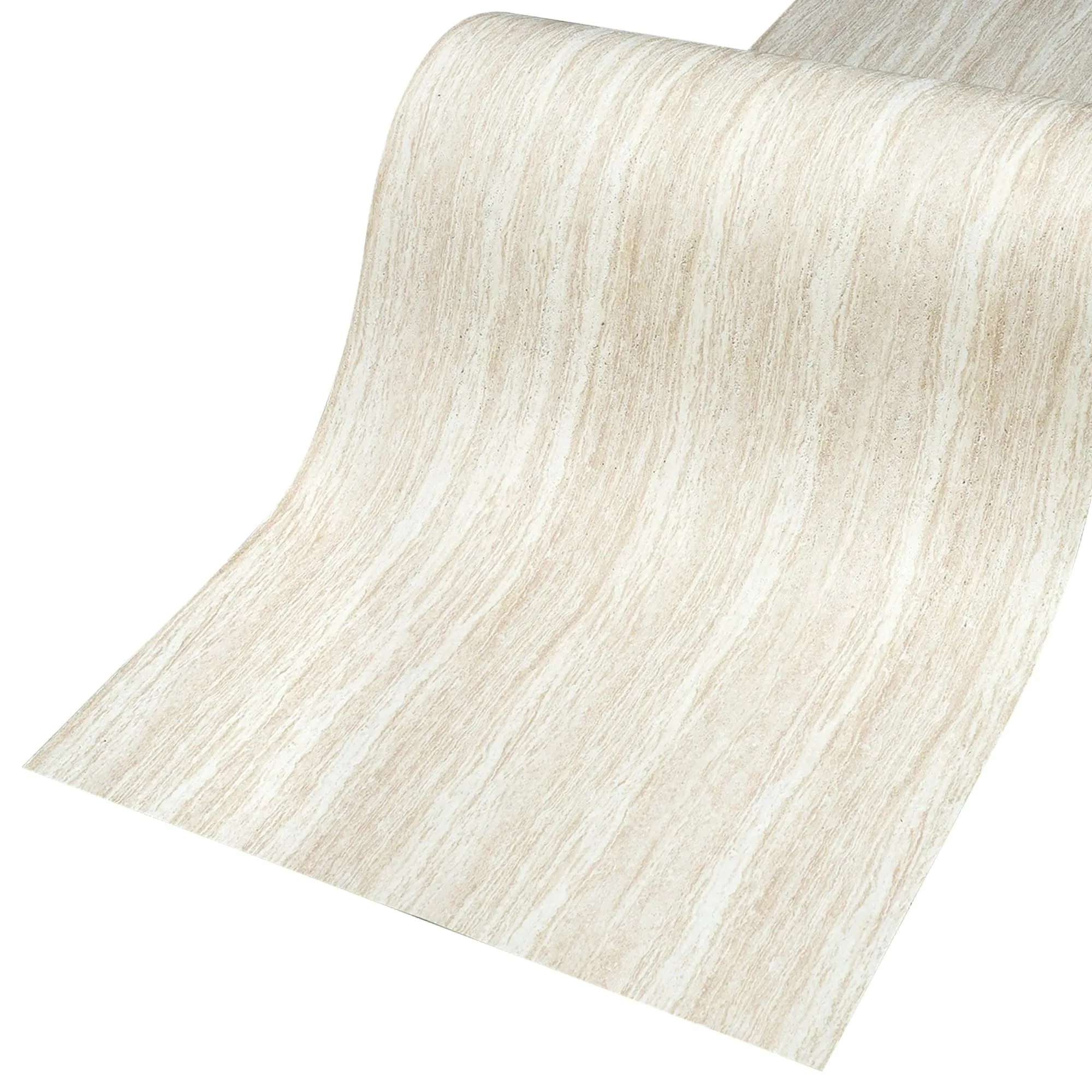
Color is the first thing we notice about a building, and it sets the entire mood. Does the cladding feel warm and inviting, or cool and modern? Let's compare the color offerings of MCM Wood Line and Fiber Cement Siding, and how they impact aesthetic versatility.
MCM Wood Line draws its color inspiration from the natural world, and it shows. Think of the soft beige of Travertine (Beige), the warm gold of Rona Yellow, or the rich, earthy tones of Bali Stone—these are colors that feel grounded, like they've been pulled straight from a forest floor or a sunlit meadow. But what truly sets MCM apart is its ability to blend these hues in ways that mimic nature's unpredictability.
A single panel of MCM Wood Line might have subtle shifts in tone—darker streaks here, lighter patches there—creating a depth that flat, solid colors can't match. It's like looking at a tree trunk: from a distance, it's "brown," but up close, you see a mosaic of amber, chestnut, and even hints of green. This variation makes MCM Wood Line incredibly adaptable; it can complement bold accent colors (like a bright door or window trim) or stand alone as a neutral backdrop.
And for those who crave something beyond the traditional, MCM offers options like Travertine (Starry Red) or Travertine (Starry Blue)—colors that add a touch of whimsy without feeling artificial. These aren't just "paint jobs"; they're integrated into the material itself, so they won't fade or chip away, ensuring the color story stays vibrant for years.
Fiber Cement Siding typically comes in a range of standard colors: whites, grays, beiges, and a few muted browns. These are safe choices, designed to appeal to the masses, but they lack the depth and variation of MCM's offerings. A beige fiber cement panel is just that—beige. No streaks, no undertones, no "personality." It's the color equivalent of a generic greeting card: polite, but forgettable.
While some manufacturers offer custom colors, the process is often costly, and the results can feel flat. Fiber cement's color is applied as a coating, which means it's prone to fading over time (especially in harsh sunlight) or chipping if the panel is damaged. What starts as a crisp "navy blue" might turn into a dull gray-blue after a few years, altering the entire aesthetic of the home.
This limited color range also restricts design flexibility. Want to create a home with a "sunset-inspired" exterior? Fiber Cement might leave you stuck with a single shade of orange, while MCM Wood Line could blend Rona Yellow and Travertine (Starry Orange) to capture the gradient of dusk. When it comes to color, fiber cement plays it safe—but safety rarely makes for memorable design.
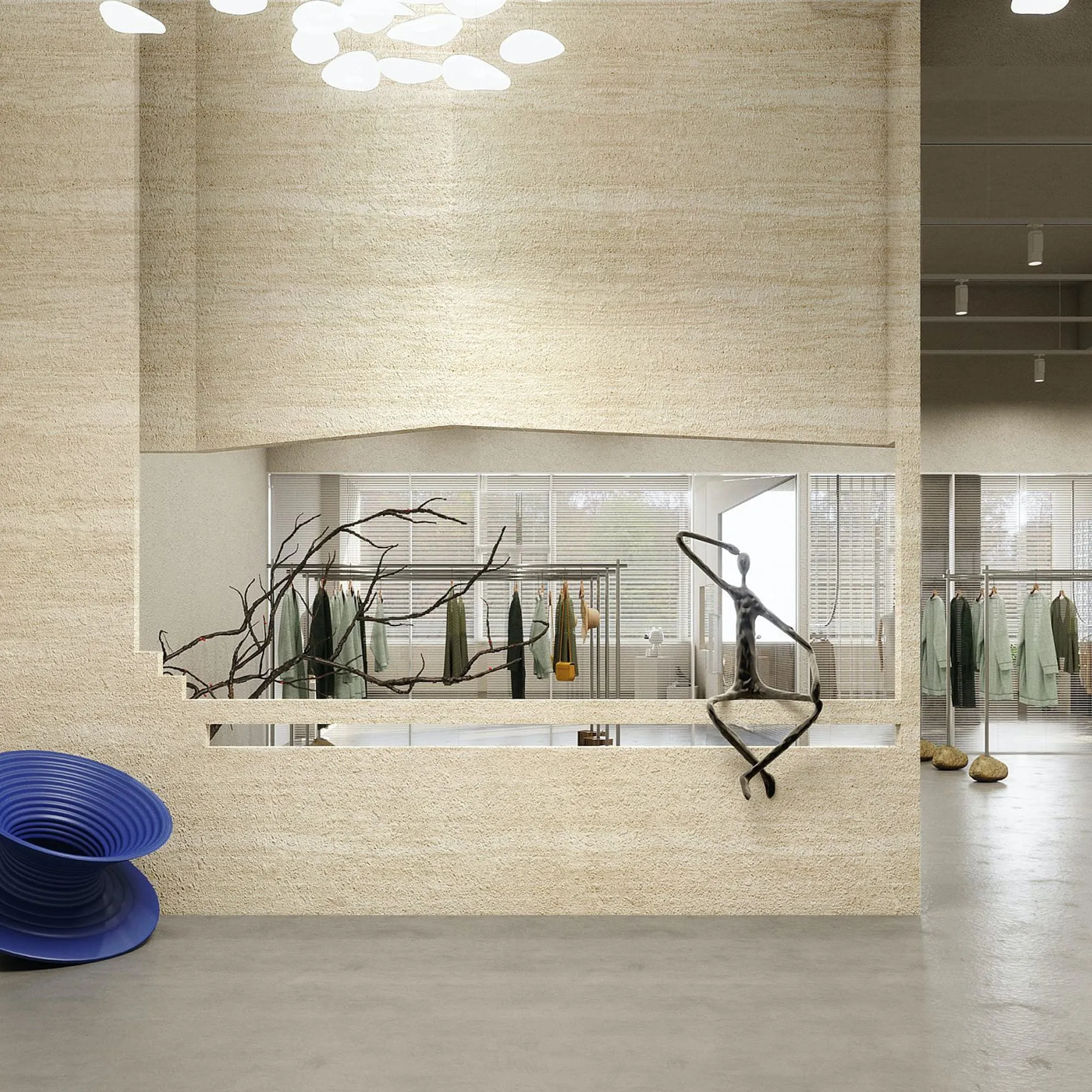
Great cladding should be a chameleon, able to adapt to different architectural styles without losing its identity. Let's see how MCM Wood Line and Fiber Cement Siding hold up across various design visions.
| Design Style | MCM Wood Line | Fiber Cement Siding |
|---|---|---|
| Rustic Farmhouse | Thrives here—warm wood grain, knots, and earthy tones (like Bali Stone) complement shiplap and gabled roofs. | Can work with painted panels, but lacks the "lived-in" texture that defines rustic charm. |
| Modern Minimalist | Surprises with sleek Wood Grain Board in neutral tones (Travertine Beige) paired with clean lines—proves "natural" doesn't mean "cluttered." | Excels at uniformity, but the flat finish can feel cold without additional textures. |
| Tropical/Resort | Shines with Bali Stone accents and warm Rona Yellow hues, evoking beaches and lush landscapes. | Limited—standard colors feel out of place next to palm trees and vibrant flora. |
| Historical Renovation | Mimics aged wood or stone (like Historical Pathfinders Stone) to preserve a building's heritage without compromising durability. | Often too "new-looking" for period homes; lacks the patina of traditional materials. |
| Coastal | Resists saltwater damage while offering soft blues (Travertine Starry Blue) or sandy beiges (Travertine Beige) that blend with ocean views. | Durable but visually generic—fails to capture the "beach house" warmth. |
MCM Wood Line's strength lies in its ability to "bend" without breaking. It can be rustic or refined, bold or subtle, depending on how it's styled. Fiber Cement Siding, while versatile in theory, is held back by its uniform texture and limited color range—it's a solid supporting actor, but rarely the star of the show.
Aesthetics aren't just about how a material looks on day one—it's about how it looks in 5, 10, or 20 years. Will it age gracefully, or become an eyesore?
MCM Wood Line is engineered to age like fine wine. Its color is integrated into the material, not just painted on, so it resists fading from UV rays. The texture, too, holds up—no peeling, cracking, or warping that would mar its appearance. Even after years of rain, snow, or sun, it retains that "just-installed" warmth.
Fiber Cement Siding, while durable, often loses its aesthetic appeal over time. The color coating can fade, especially in direct sunlight, turning a vibrant "navy" into a dull "gray-blue." Chips or cracks (though rare) are more noticeable because the underlying material is a different color, creating unsightly blemishes. It's reliable, but it doesn't "improve" with age—it just… survives.
At the end of the day, the "better" choice between MCM Wood Line and Fiber Cement Siding depends on the story you want your building to tell. If you crave warmth, texture, and a connection to nature—if you want your home to feel like it has a soul—MCM Wood Line is the clear winner. Its ability to mimic the authenticity of wood (and other natural materials like Bali Stone and Travertine) while offering endless color and design flexibility makes it a favorite for those who refuse to choose between beauty and durability.
Fiber Cement Siding, on the other hand, is ideal for those who prioritize uniformity and low maintenance over aesthetic depth. It's a workhorse, but it rarely inspires the same emotional response as a material that feels alive.
In the end, architecture is about more than walls and roofs—it's about creating spaces that make us feel something. MCM Wood Line doesn't just cover a building; it transforms it into a story. And isn't that what great design is all about?
Recommend Products












