
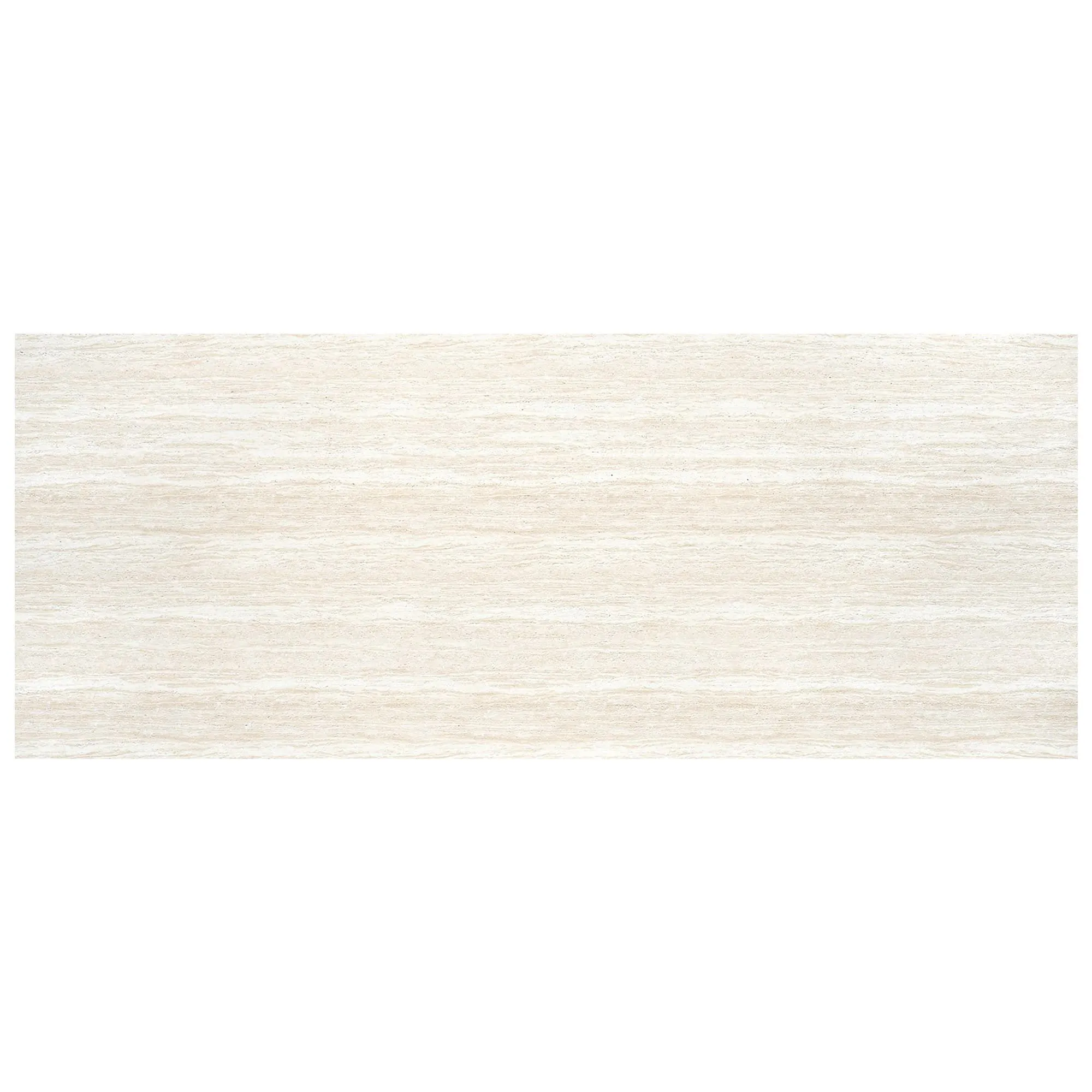
Exterior cladding is more than just a protective layer—it's a building's first impression, a silent storyteller of its purpose, era, and soul. Think of it as the skin that wraps a structure, blending function with feeling, and climate with character. In the world of modern design, two materials have risen as front-runners for architects and homeowners alike: MCM Wood Line and Terracotta . One is a nod to tradition, steeped in centuries of craftsmanship; the other is a triumph of innovation, merging natural beauty with cutting-edge technology. Today, we're diving deep into their aesthetics, textures, and stories to help you decide which one deserves a spot on your next project.
Let's start with the (lǎobīng—veteran) of the duo: Terracotta. Derived from the Latin terra cotta ("baked earth"), this material has been shaping skylines for over 5,000 years. From the terracotta warriors of Xi'an, standing guard with their weathered red armor, to the sunbaked rooftiles of Italian villas, terracotta carries the weight of history in every porous inch. It's a material born from fire and earth—clay dug from riverbanks, shaped by hand or mold, then fired in kilns until it hardens into a resilient, earthy shell. Its warmth comes not just from its color, but from the knowledge that humans have trusted it to protect their homes for millennia.
Then there's MCM Wood Line—a newcomer with old soul. MCM, or Modified Composite Material, is a 21st-century innovation that marries the best of natural aesthetics with engineered durability. MCM Wood Line, in particular, was born from a simple desire: to capture the timeless beauty of wood without its high maintenance and environmental drawbacks. Using MCM flexible stone technology, manufacturers layer wood fibers, polymers, and minerals to create panels that mimic the look of aged oak, weathered pine, or rich walnut—down to the tiniest knot and grain—while remaining lightweight, water-resistant, and flexible enough to curve around architectural details.
Here's the kicker: MCM Wood Line isn't just imitating wood—it's reimagining it. While traditional wood cladding fades, warps, or rots over time, MCM panels retain their color and texture for decades. And unlike solid wood, which requires constant staining or sealing, MCM Wood Line asks for little more than an occasional rinse with water. It's a material that respects the past while embracing the future—a bridge between the craftsmanship of yore and the demands of modern design.
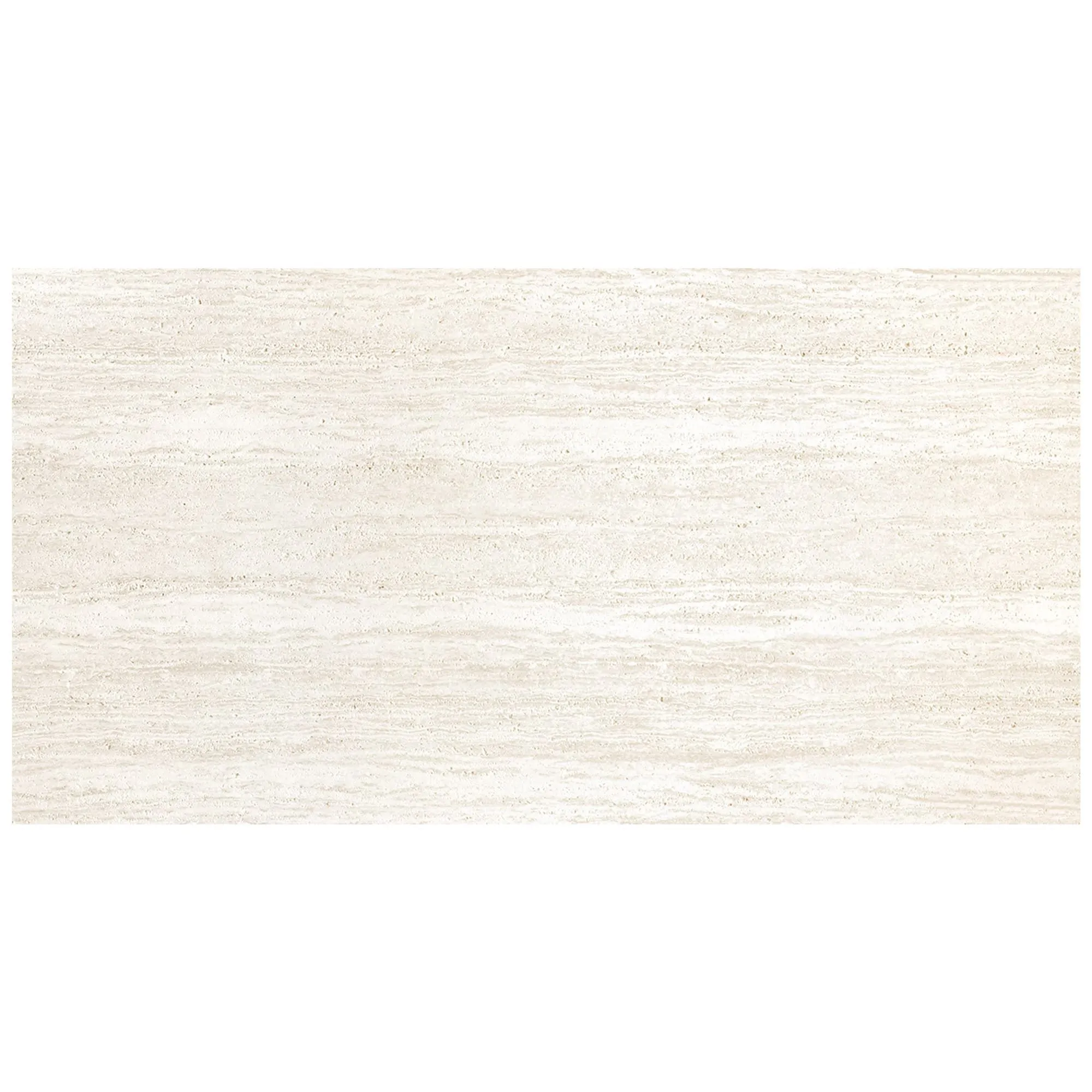
When it comes to looks, Terracotta and MCM Wood Line are like two painters using the same palette but (jiérán bùtóng—starkly different) brushstrokes. Let's break down their visual personalities.
Terracotta's charm lies in its imperfection. No two tiles are exactly alike—some have deeper orange hues, others lean into soft terracotta pink, and a few might even bear faint streaks of gray from minerals in the clay. Its finish is matte, almost velvety, with a subtle sheen that catches the light without glittering. When sunlight hits a terracotta facade, it glows like a ember—warm, inviting, and deeply rooted in the landscape. Think of the adobe homes in Santa Fe, where terracotta walls blend seamlessly with the desert, or the red-tiled roofs of Lisbon, turning the city into a mosaic of rust and amber at sunset.
But Terracotta isn't stuck in the past. Modern manufacturers now offer glazed variants in muted grays, soft whites, or even deep blues, giving it a contemporary edge. Yet even then, it retains that core quality: a sense of being "lived-in," as if the material itself has stories to tell.
If Terracotta is a watercolor painting, MCM Wood Line is a hyper-detailed photograph. Its wood grain board patterns are so precise, you'll find yourself leaning in to check if it's real wood. The secret? Advanced 3D printing and scanning technology that captures the unique texture of aged timber—every swirl, knot, and hairline crack—and replicates it across panels with stunning consistency. Unlike natural wood, which can vary wildly in color and grain from plank to plank, MCM Wood Line offers uniformity, making it a dream for designers aiming for a cohesive look.
But don't mistake consistency for sterility. MCM Wood Line comes in a spectrum of finishes that celebrate wood's diversity: "Driftwood Gray" mimics weathered beach planks, "Chestnut Brown" evokes the richness of mahogany, and "Maple Blonde" radiates Scandinavian minimalism. For those craving a twist, there are even hybrid options—like panels infused with metallic flecks, such as lunar peak golden , which adds a subtle shimmer to the wood grain, blending rustic warmth with futuristic flair.
| Feature | Terracotta | MCM Wood Line |
|---|---|---|
| Color Range | Earthy tones (oranges, reds, browns); limited glazed options | Wide spectrum (wood tones, grays, blondes); metallic accents (e.g., lunar peak golden) |
| Finish | Matte, porous, slightly rough | Smooth yet textured; mimics wood's natural tactile quality |
| Consistency | Natural variation (unique per tile) | Highly consistent (uniform grain and color) |
| Design Flexibility | Best for classic, rustic, or Mediterranean styles | Adapts to modern, industrial, bohemian, or traditional designs |
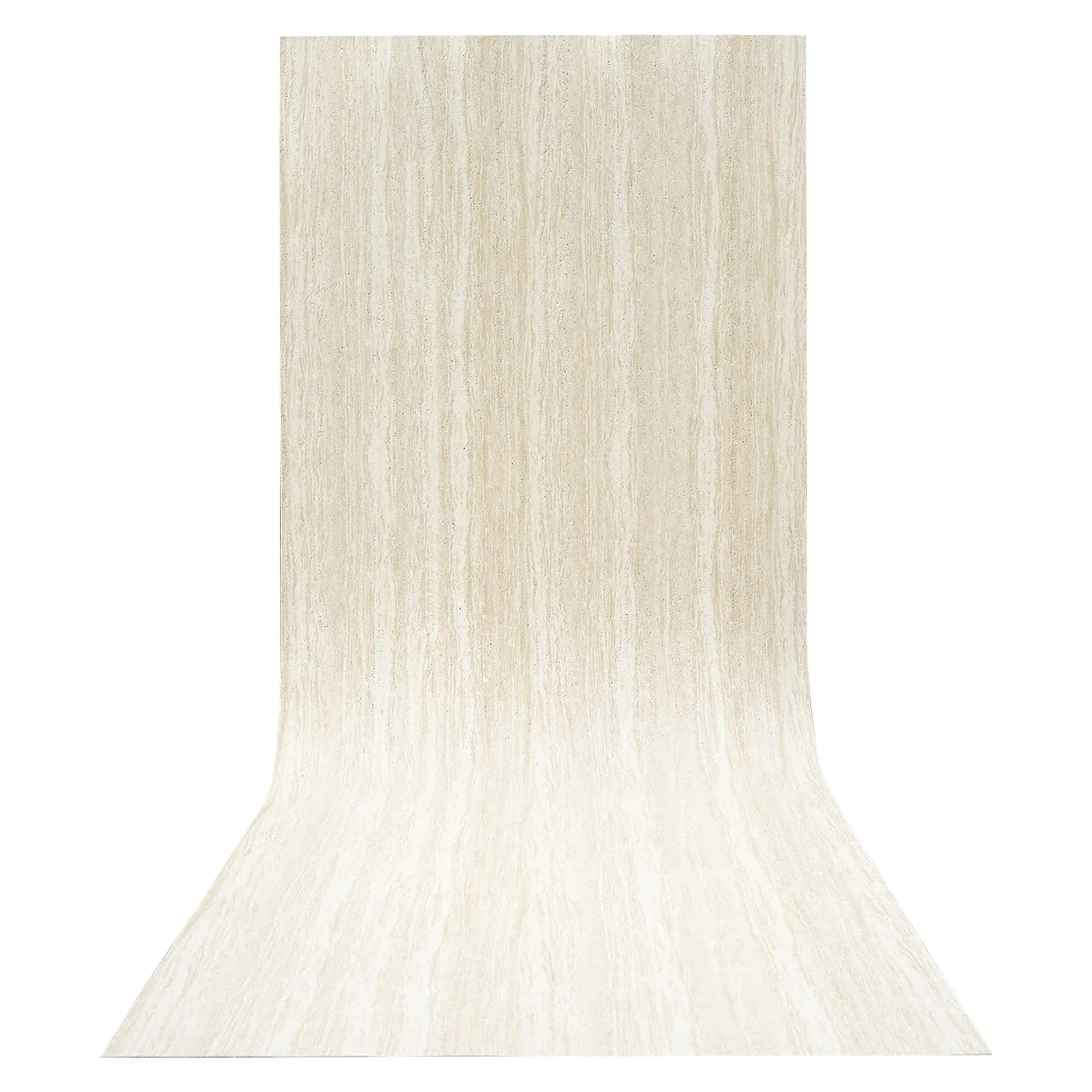
A building's cladding isn't just seen—it's felt. Run your hand along a wall, and the texture can evoke memories: the rough warmth of a childhood treehouse, the cool smoothness of a polished stone countertop. Let's see how Terracotta and MCM Wood Line stack up in the tactile department.
Terracotta, true to its "baked earth" roots, has a porous, slightly gritty surface. Run your fingers over it, and you'll feel tiny indentations and irregularities—traces of the clay's natural composition and the firing process. When it rains, these pores absorb moisture, giving the surface a darker, richer hue before drying back to its original color. It's a material that breathes , and that breathability translates to a tactile experience that feels alive, connected to the elements.
MCM Wood Line, on the other hand, offers a masterclass in controlled texture. While it mimics the look of wood, its surface is surprisingly smooth—no splinters, no rough patches. Run your hand across a wood grain board panel, and you'll feel the subtle rise and fall of the printed grain, like a gentle wave. It's the best of both worlds: the authentic look of weathered wood without the practical downsides. Compare it to fair-faced concrete , another material prized for its texture—concrete is bold and industrial, while MCM Wood Line is soft and inviting, like running your hand over a well-loved wooden table.
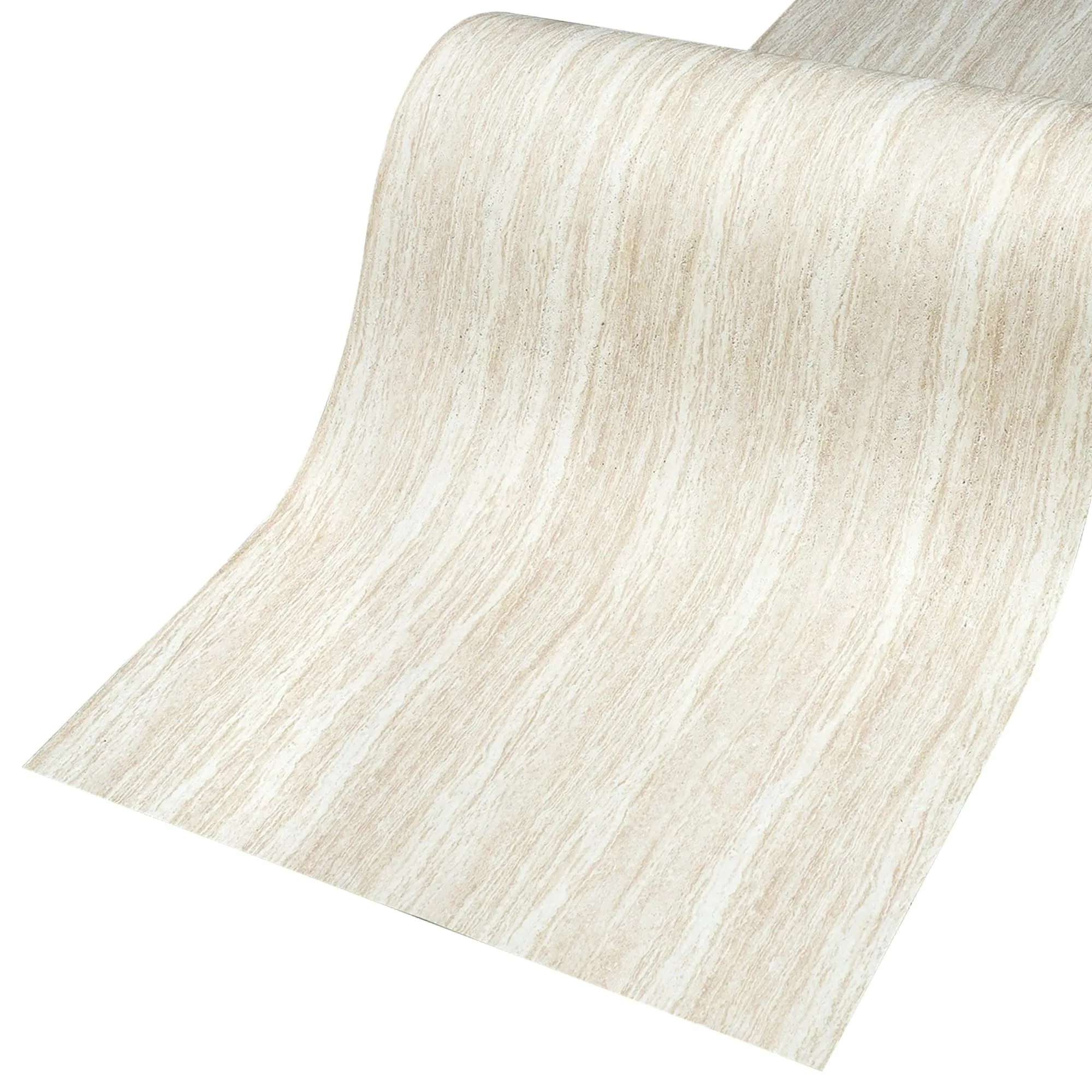
Aesthetics are important, but let's get real: exterior cladding has to survive rain, wind, UV rays, and the occasional hailstorm. Here's how our two contenders hold up.
Terracotta's track record speaks for itself. The Great Wall of China, parts of which are clad in terracotta bricks, has stood for over 2,000 years. When properly fired, terracotta is resistant to fire, pests, and rot. Its porous nature even helps regulate moisture—absorbing rainwater and releasing it slowly, which can prevent mold growth. However, it's not without flaws. Terracotta is heavy (around 30-40 kg per square meter), which requires strong structural support. It's also brittle: a severe impact or freeze-thaw cycle (where water seeps into pores, freezes, and expands) can cause cracking. And while it's low-maintenance, damaged tiles are hard to replace—you'll likely need to source a matching tile from the same batch, which can be tricky for older projects.
MCM Wood Line was engineered for modern durability. Thanks to its MCM flexible stone core, it's lightweight (just 4-6 kg per square meter), making installation a breeze and reducing strain on a building's structure. Its flexibility is a game-changer too—panels can bend up to 90 degrees without cracking, perfect for curved walls or avant-garde designs. Water-resistant and UV-stable, MCM Wood Line won't fade, warp, or rot, even in humid climates. And if a panel does get damaged? Just pop it off and replace it—no need to match batches, since the color and grain are consistent across production runs.
One unexpected benefit? MCM Wood Line is surprisingly fire-resistant. While natural wood ignites easily, MCM panels are made with flame-retardant materials, making them a safer choice for commercial buildings or areas prone to wildfires.
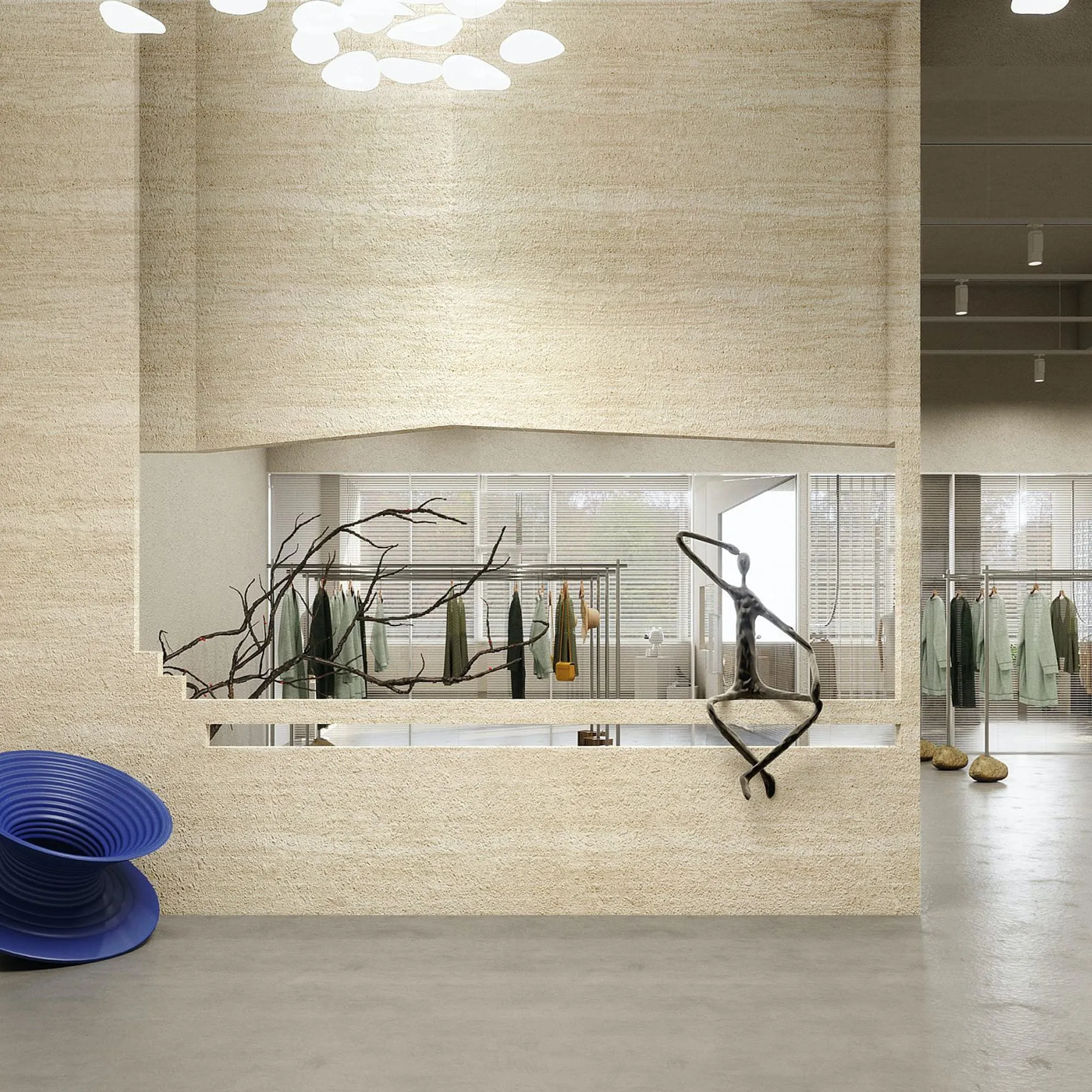
Great cladding doesn't just look good—it elevates the architecture. Let's explore the projects where Terracotta and MCM Wood Line truly come into their own.
Terracotta is a natural fit for projects that celebrate heritage. Imagine a boutique hotel in Tuscany, where terracotta tiles clad the exterior, echoing the region's vineyards and olive groves. Or a restoration of a 19th-century townhouse in Prague, where terracotta roof tiles and facade panels blend seamlessly with the original stonework. It also shines in rustic designs—think mountain cabins, farmhouses, or coastal cottages, where its earthy tones complement natural surroundings.
MCM Wood Line is a chameleon in modern design. For a tech startup's office in Seattle, imagine a facade clad in "Driftwood Gray" MCM panels, paired with floor-to-ceiling glass—warmth meets innovation. In a luxury apartment building in Tokyo, "Chestnut Brown" panels add a touch of coziness to an otherwise minimalist structure. And for something bold? Combine MCM Wood Line with travertine (starry blue) accents—a striking contrast of wood's warmth and stone's cool, cosmic beauty. The flexibility of MCM even allows for creative installations, like vertical "wooden" screens that filter light, or curved entryways that welcome visitors with soft, organic lines.
In an era of climate consciousness, sustainability isn't just a buzzword—it's a priority. Both materials have eco-credentials, but let's dig deeper.
Terracotta is about as "natural" as it gets: clay, water, and fire. No toxic chemicals, no synthetic additives. It's also fully recyclable—old tiles can be crushed and reused as aggregate. However, the firing process requires high temperatures, which can be energy-intensive. Modern kilns are more efficient, but it's still a consideration.
MCM Wood Line, while engineered, is surprisingly green. Manufacturers use recycled wood fibers and low-VOC (volatile organic compound) resins, reducing environmental impact. Its lightweight nature also cuts down on transportation emissions, and its longevity means fewer replacements over time. Plus, since it doesn't require staining or sealing, it avoids the harmful chemicals often used to maintain natural wood. When compared to materials like fair-faced concrete —which has a high carbon footprint due to cement production—MCM Wood Line offers a more sustainable alternative with similar durability.
At the end of the day, choosing between MCM Wood Line and Terracotta is about more than aesthetics—it's about the story you want your building to tell. Do you crave the warmth of tradition, the imperfection of handcrafted history? Then Terracotta is your match. It's a material that ages gracefully, like a well-loved book, each scratch and fade adding to its character.
Or are you drawn to innovation, to materials that blend the best of nature and technology? MCM Wood Line offers the beauty of wood without the hassle, the consistency of engineering without the coldness. It's for designers who want to push boundaries, to create spaces that feel both timeless and forward-thinking.
And here's a secret: you don't have to choose. Some of the most stunning designs mix materials. Imagine a restaurant where terracotta accents frame a facade of MCM Wood Line, or a home where a terracotta chimney rises above an MCM-clad exterior. The possibilities are endless—because great design isn't about picking sides; it's about finding harmony.
So, whether you're drawn to the ancient whispers of Terracotta or the modern hum of MCM Wood Line, remember: the best cladding is the one that makes your building feel alive. After all, a building isn't just walls and a roof—it's a reflection of the people who design it, live in it, and love it. And that, more than any material, is what makes a space truly unforgettable.
Recommend Products












