
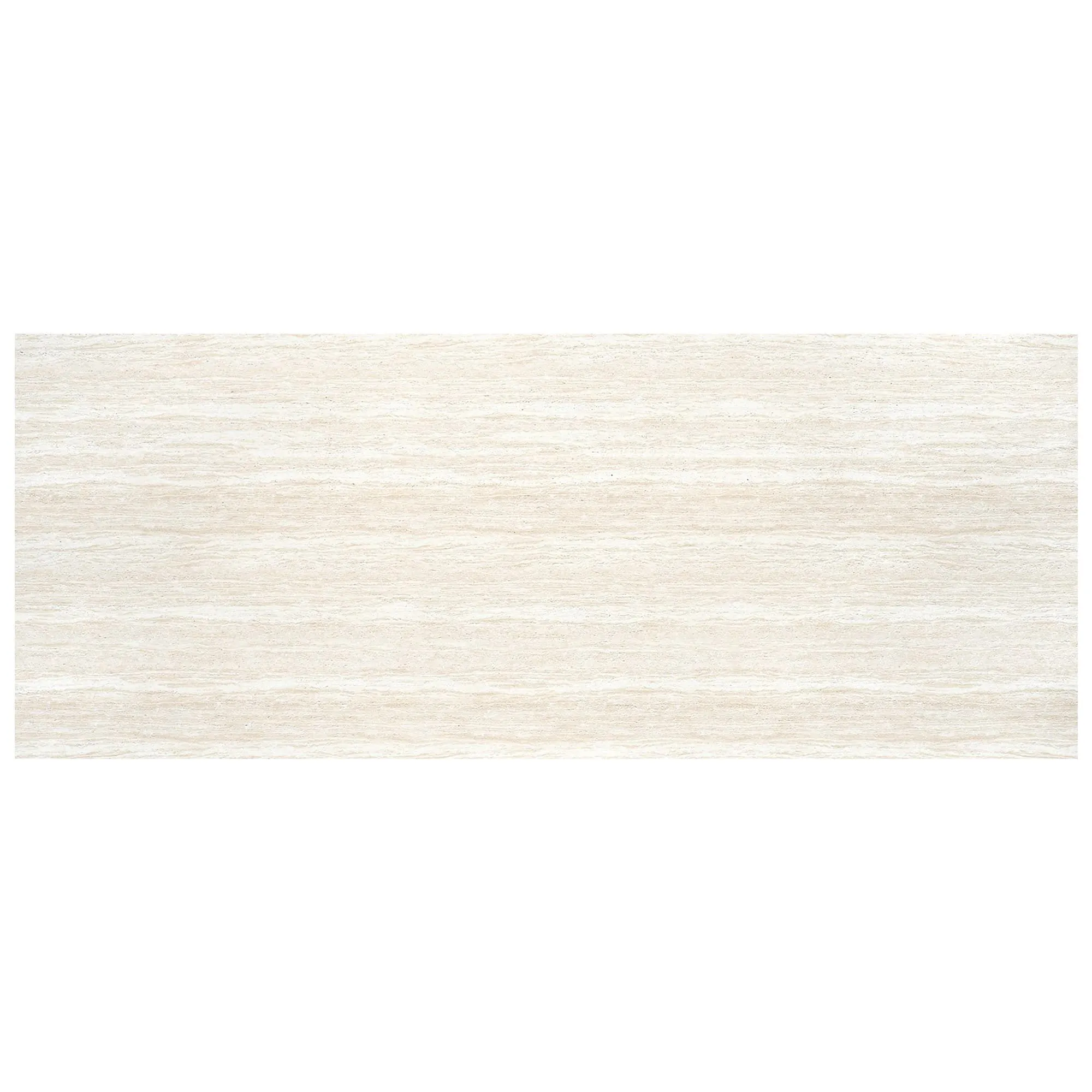
Navigating the chaos of busy spaces—what flooring truly keeps up?
Let's start with a scenario we've all lived through: You're hosting a weekend gathering, and between the kids racing through the hallway, the dog tracking mud from the yard, and your cousin accidentally spilling red wine by the couch, your floor is taking a beating. Now imagine that chaos multiplied by 10—every single day. That's life in a high-traffic area: kitchens, entryways, office lobbies, retail stores, or even busy family rooms. These spaces don't just need flooring—they need a warrior that can handle scratches, spills, foot traffic, and the occasional dropped heavy object.
If you've started shopping for such a warrior, you've probably stumbled onto two popular contenders: MCM Wood Line and Vinyl Planks . Both promise durability and style, but which one actually delivers when the going gets tough? Today, we're breaking down this showdown—no jargon, no sales pitches, just honest talk about which flooring option earns the title of "High-Traffic Hero."
Before we dive into the nitty-gritty, let's make sure we're on the same page about what these two flooring options really are. It's easy to assume "wood line" and "vinyl planks" are just fancy names for the same old stuff, but trust us—they're worlds apart under the surface.
MCM Wood Line isn't your average wood flooring. It's part of a broader family of modified composite materials (MCM) developed to blend the best of natural aesthetics with industrial-strength performance. Think of it as nature's beauty, but with a superhero upgrade. At its core is MCM flexible stone —a lightweight, bendable material that mimics the look and texture of real wood (or stone, in other MCM lines) but shrugs off the weaknesses of natural materials.
If you've seen MCM's wood grain board or big slab board series , you know the drill: these products are designed to fool the eye (in the best way) into thinking you're stepping on real wood, while secretly packing a punch of durability. MCM Wood Line takes that concept and tailors it specifically for spaces where "wood" needs to work harder than ever.
Vinyl planks, on the other hand, are the tried-and-true workhorses of the budget flooring world. Made mostly of PVC (polyvinyl chloride) layers—think a wear layer, a design layer (the part that looks like wood, stone, or tile), a core layer for stability, and a backing layer—they're loved for being affordable, water-resistant, and easy to install. You've probably walked on them in a friend's apartment or a local fast-food joint; they're everywhere, and for good reason: they check a lot of boxes without breaking the bank.
But here's the catch: not all vinyl is created equal. There's luxury vinyl plank (LVP), which is thicker and more durable, and then there's the basic stuff that might start showing wear after a year of heavy use. For high-traffic areas, you're probably looking at LVP, but even then—how does it stack up against MCM Wood Line?
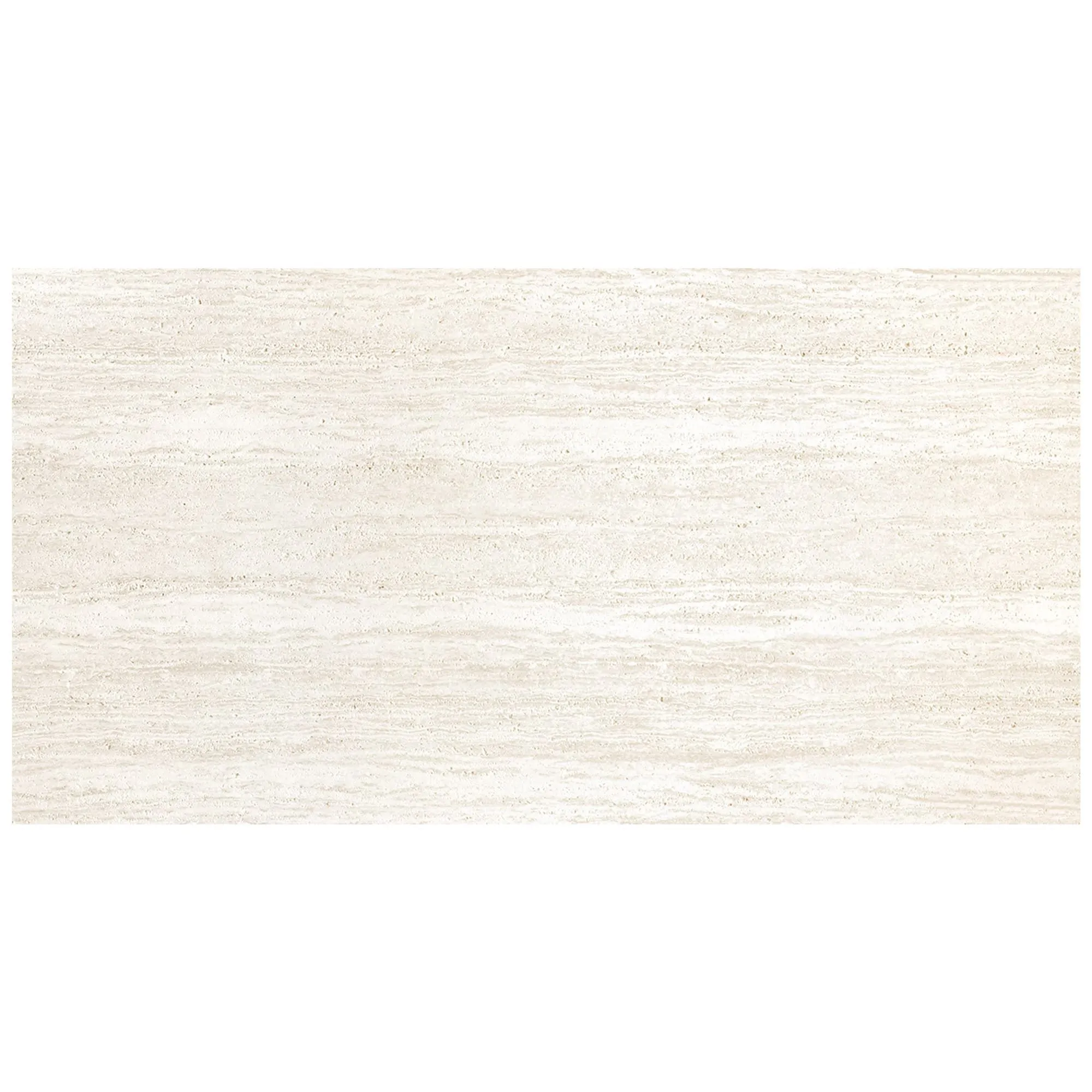
Let's get real—no one wants to stare at a floor that looks like it's survived a zombie apocalypse after just a year. In high-traffic areas, durability isn't a nice-to-have; it's the main event. So how do our two contenders hold up when life throws its worst at them?
MCM Wood Line's secret weapon is its core material: MCM flexible stone . Unlike real wood, which can scratch, warp, or rot, this modified composite is engineered to laugh off the daily grind. Let's break down the threats:
Vinyl planks are marketed as "durable," and to be fair, they're better than many budget options. LVP, in particular, has a tough wear layer that resists scratches from keys or pet nails. But here's where they hit limits:
"We installed MCM Wood Line in our family's mudroom three years ago, and it still looks brand new. Between the kids' cleats, the dog's muddy paws, and the occasional soccer ball bounce, it's taken a beating—but you'd never know it. Our old vinyl floor? It started peeling at the seams after six months." — Sarah, homeowner in Chicago
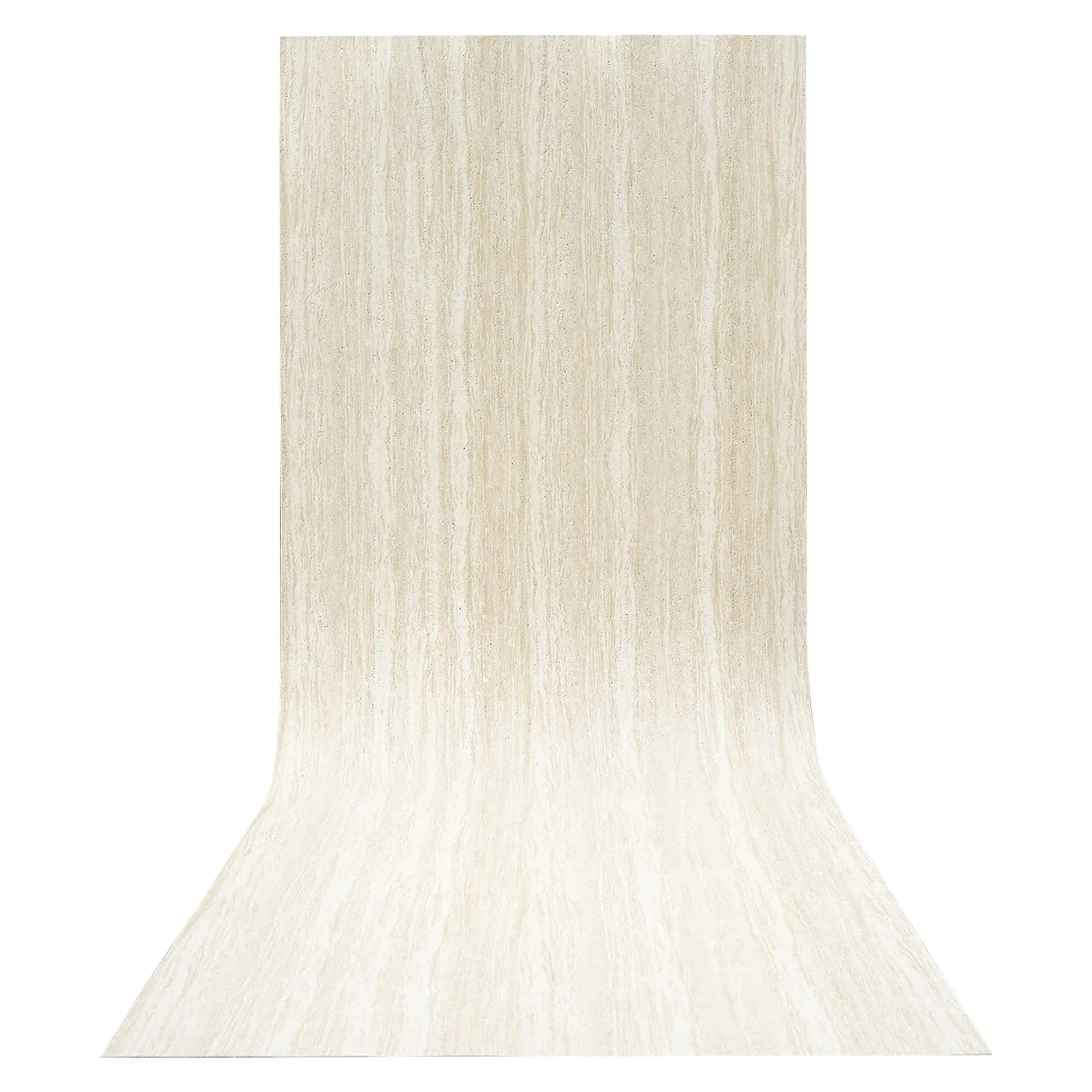
Durability is critical, but let's not forget: we have to live with this floor. It sets the tone for the room, so it better look good. Here's how MCM Wood Line and vinyl planks stack up in the "eye candy" department.
One of MCM's biggest selling points is its ability to mimic natural materials so well, you'd swear you're stepping on the real thing. MCM Wood Line takes this to the next level with details that make designers swoon:
Vinyl planks have come a long way in terms of aesthetics. High-end LVP can look surprisingly realistic, with printed designs that mimic wood, stone, or even concrete. But there's still a gap:
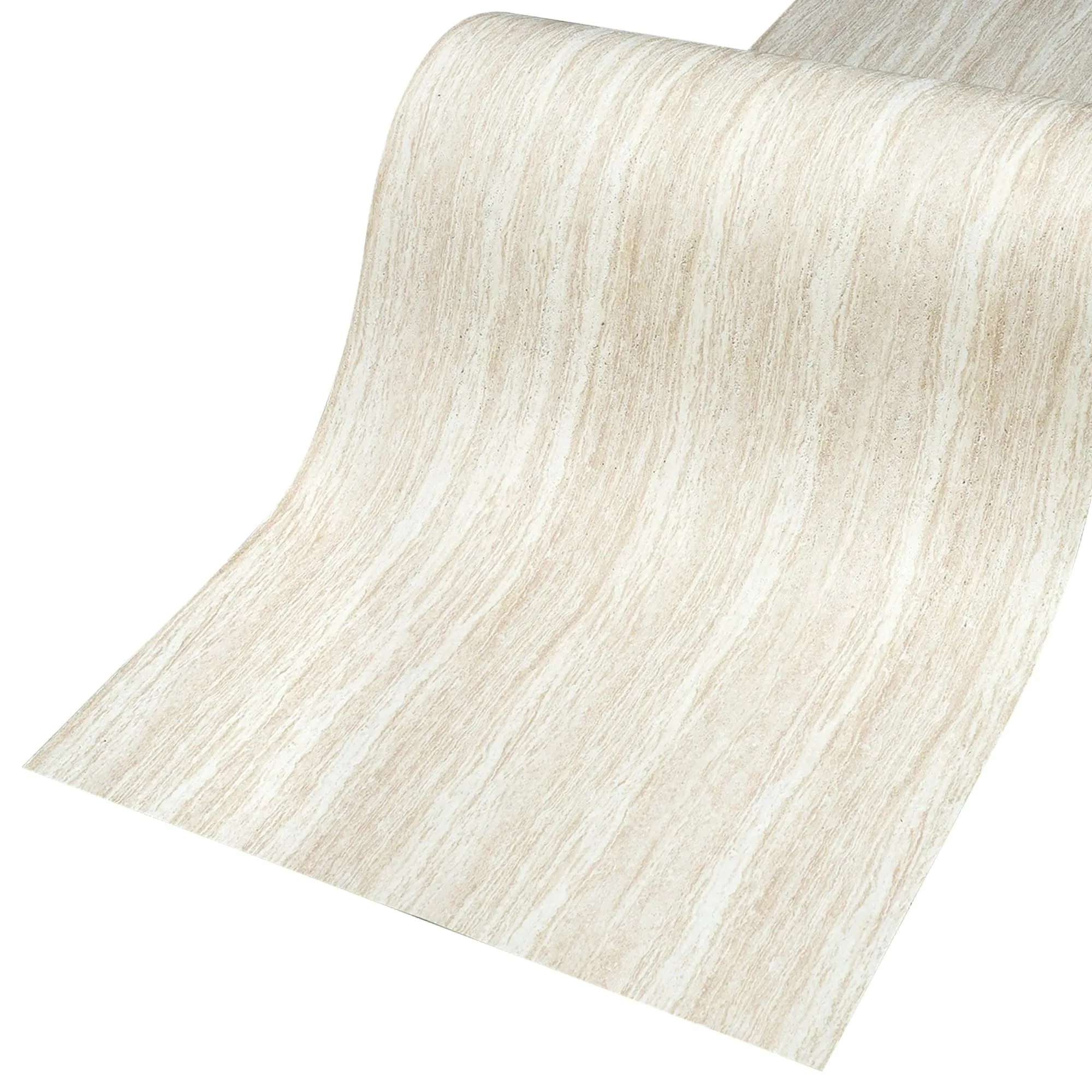
Buying flooring is just the first step. Installing it and keeping it clean? That's where the real work begins. Let's see which option makes your life easier (or harder).
MCM Wood Line: MCM materials are lightweight—thanks to MCM flexible stone —which makes handling and cutting them easier than real stone or thick hardwood. While it's possible to DIY if you have some experience, we recommend hiring a pro for high-traffic areas, especially if you're using the big slab board series (larger slabs mean fewer seams, but they require precise alignment). The good news? Because it's flexible, it can adapt to minor subfloor imperfections, so you won't need to spend weeks leveling the floor first.
Vinyl Planks: Vinyl is the poster child for DIY flooring. Most LVP uses a click-lock system—no glue, no nails—so you can lay it right over existing flooring (like concrete or plywood) as long as the subfloor is smooth. It's quick, too: a small room can be done in a weekend. The downside? If the subfloor isn't perfectly level, the planks might click loose over time, leading to gaps or squeaks.
Let's be honest: the less time you spend scrubbing floors, the better. Here's how the two compare:
MCM Wood Line: Low-maintenance is its middle name. Sweep or vacuum regularly to keep dirt from scratching (though, let's be real, it can handle a little grit). For spills, just wipe with a damp cloth—no need for special cleaners. Unlike real wood, it doesn't need sealing or refinishing every few years. We've had clients tell us they only deep-clean their MCM floors once a month, and they still look spotless.
Vinyl Planks: Also low-maintenance, but with a few caveats. You can sweep, vacuum, or mop with a damp cloth, but avoid harsh cleaners (like bleach or ammonia) that can damage the wear layer. Scratches, while rare, are permanent—you can't buff them out like you might with hardwood. And if a plank gets damaged, replacing it is doable, but finding an exact color match can be tricky, especially if the style has been discontinued.
More and more homeowners and businesses are prioritizing eco-friendly materials, and for good reason: our choices today impact tomorrow. Let's dig into the sustainability of MCM Wood Line and vinyl planks.
MCM Wood Line: MCM materials are often made with recycled content, and because they mimic wood and stone, they reduce the demand for harvesting real trees or quarrying natural stone. MCM flexible stone is also lightweight, which cuts down on transportation emissions (less fuel needed to ship it). Plus, since it lasts longer, you'll replace it less often—reducing waste. Some MCM lines are even GREENGUARD certified, meaning they low chemical emissions, which is better for indoor air quality.
Vinyl Planks: Vinyl is made from PVC, a plastic derived from petroleum—a non-renewable resource. Production of PVC involves harmful chemicals, and while some vinyl is recyclable, the recycling infrastructure for flooring is limited (most ends up in landfills). On the flip side, vinyl's durability can mean less frequent replacement than cheaper materials, but it still can't compete with MCM's eco-credentials.
Let's talk money. Vinyl is known for being budget-friendly, but MCM Wood Line has a higher upfront cost. Is the splurge worth it?
Upfront Cost: Vinyl planks are cheaper—$2–$5 per square foot for mid-range LVP, vs. $5–$10 per square foot for MCM Wood Line (including installation). If you're on a tight budget, vinyl seems like the obvious choice.
Long-Term Value: Here's where MCM shines. Vinyl might last 5–10 years in high-traffic areas before needing replacement. MCM Wood Line? 15–20 years, easy. Do the math: If vinyl costs $3/sq ft and lasts 7 years, that's ~$0.43/sq ft per year. MCM at $7/sq ft lasting 15 years? ~$0.47/sq ft per year. Almost the same—and that's not counting the hassle and cost of replacing vinyl sooner. For commercial spaces, the math is even clearer: downtime during replacement can cost businesses thousands, so MCM's longevity is a no-brainer.
After diving into durability, aesthetics, maintenance, sustainability, and cost, here's the bottom line:
Choose MCM Wood Line if: You want a floor that looks like real wood but can handle the chaos of high-traffic areas (think busy families, commercial spaces, or rooms with moisture). You value long-term durability, natural aesthetics, and sustainability, and you're willing to invest upfront for a floor that lasts decades.
Choose Vinyl Planks if: Budget is your top priority, you're renting or planning to move soon, or the area has very low traffic (like a guest bedroom). Just opt for high-quality LVP and be prepared to replace it sooner.
At the end of the day, flooring is an investment in your space—and in your peace of mind. MCM Wood Line isn't just a floor; it's a solution that balances beauty and brawn, making it the clear winner for high-traffic areas where "good enough" just doesn't cut it.
| Feature | MCM Wood Line | Vinyl Planks (LVP) |
|---|---|---|
| Durability | Highly scratch, impact, and moisture-resistant; ideal for commercial/high-traffic use. | Scratch-resistant but prone to dents; moisture-resistant but vulnerable at seams. |
| Aesthetics | Realistic wood texture and variation; natural sheen; flexible design options. | Good wood mimicry but can look repetitive; shallow texture; often glossy. |
| Installation | Lightweight and flexible; pro recommended for best results, adapts to subfloor imperfections. | DIY-friendly click-lock system; requires smooth, level subfloor. |
| Maintenance | Sweep/vacuum + damp mop; no sealing or refinishing needed. | Sweep/vacuum + damp mop; avoid harsh cleaners; scratches are permanent. |
| Sustainability | Recycled content; reduces demand for real wood/stone; long lifespan cuts waste. | Made from PVC (non-renewable); limited recycling options; shorter lifespan. |
| Cost (Long-Term) | Higher upfront ($5–$10/sq ft) but lower over time (15–20 year lifespan). | Lower upfront ($2–$5/sq ft) but higher long-term (5–10 year lifespan). |
Recommend Products












