
Every building tells a story—but when moisture creeps in, that story can quickly turn from one of pride to one of frustration. Whether it's a historic home with crumbling masonry or a modern apartment dealing with unexpected leaks, water damage is the silent enemy of structures everywhere. Cracks, mold, warped surfaces, and rotting materials—these are the consequences of ignoring the need for reliable, water-resistant cladding. But what if there was a material that didn't just fight moisture, but embraced both durability and beauty? Enter MCM Wood Line, a game-changer in the world of building materials. Let's explore how this innovative solution is redefining how we protect our buildings, one rainstorm at a time.
Think about the last time you walked into an older home. Maybe you noticed a faint musty smell in the basement, or discolored patches on the walls near the windows. Those are telltale signs of moisture damage—and they're more than just cosmetic. Over time, water seeping into building materials can weaken structural integrity, attract pests, and even impact indoor air quality. For homeowners, this means endless repairs, rising maintenance costs, and the heartache of watching a beloved space deteriorate.
Traditional building materials, while charming, often struggle with water resistance. Take masonry stone , for example. Its natural porousness is part of its appeal—those tiny gaps give it character—but they also act like sponges, absorbing rainwater and humidity. In cold climates, that trapped water freezes, expands, and cracks the stone from the inside out. Similarly, travertine , with its distinctive veining and earthy tones, is a favorite in high-end designs, but its porosity makes it prone to staining and water damage if not sealed religiously. Even fair-faced concrete , celebrated for its industrial chic, can develop hairline cracks over time, letting moisture sneak in and erode the material from within.
Then there's the challenge of installation. Heavy materials like masonry stone or solid travertine slabs require reinforced structures and specialized labor, driving up costs. And once they're in place, replacing damaged sections is a labor-intensive, messy process. It's no wonder builders and homeowners alike have been searching for a material that balances strength, beauty, and practicality—something that can stand up to the elements without sacrificing style.
Enter MCM Wood Line—a cladding solution designed to address the flaws of traditional materials while doubling down on aesthetic appeal. Short for Modified Composite Material, MCM is a revolutionary category of building products that combines the best of nature and technology. And MCM Wood Line, in particular, is reimagining what wood-inspired cladding can do. It mimics the warm, organic look of real wood grain—complete with subtle knots and texture—but with a supercharged resistance to water that puts even the toughest traditional materials to shame.
So, what makes MCM Wood Line different? Let's start with its composition. Unlike solid wood or porous stone, MCM Wood Line is engineered as a lightweight, flexible panel. Its core is made from a blend of mineral fibers and polymers, creating a dense, non-porous base that repels water rather than absorbing it. On top, a specialized coating—formulated to resist UV rays, scratches, and moisture—locks in the wood-like appearance while acting as a barrier against rain, snow, and humidity. The result? A material with a water absorption rate of less than 0.5%—a fraction of the 3-5% you might see in standard masonry stone or the 2-4% in untreated travertine .
But MCM Wood Line isn't just about water resistance. It's about durability in the face of daily wear and tear. Unlike real wood, it won't warp, rot, or splinter when exposed to moisture. Unlike masonry stone , it won't crack under freeze-thaw cycles. And because it's lightweight—up to 70% lighter than solid stone or concrete—it puts less stress on building structures, reducing the risk of sagging or structural damage over time. For installers, this means faster, easier installation with fewer workers, cutting down on labor costs and project timelines.
Perhaps the most refreshing part? MCM Wood Line doesn't force you to choose between function and beauty. Its wood grain finish is eerily realistic—close your eyes, run your hand over it, and you might swear it's real wood. But unlike real wood, it's available in a range of tones, from warm honey to rich espresso, and can be cut, shaped, or curved to fit any design vision. Whether you're going for a rustic cabin vibe, a sleek modern home, or a coastal cottage look, MCM Wood Line adapts—all while keeping moisture at bay.
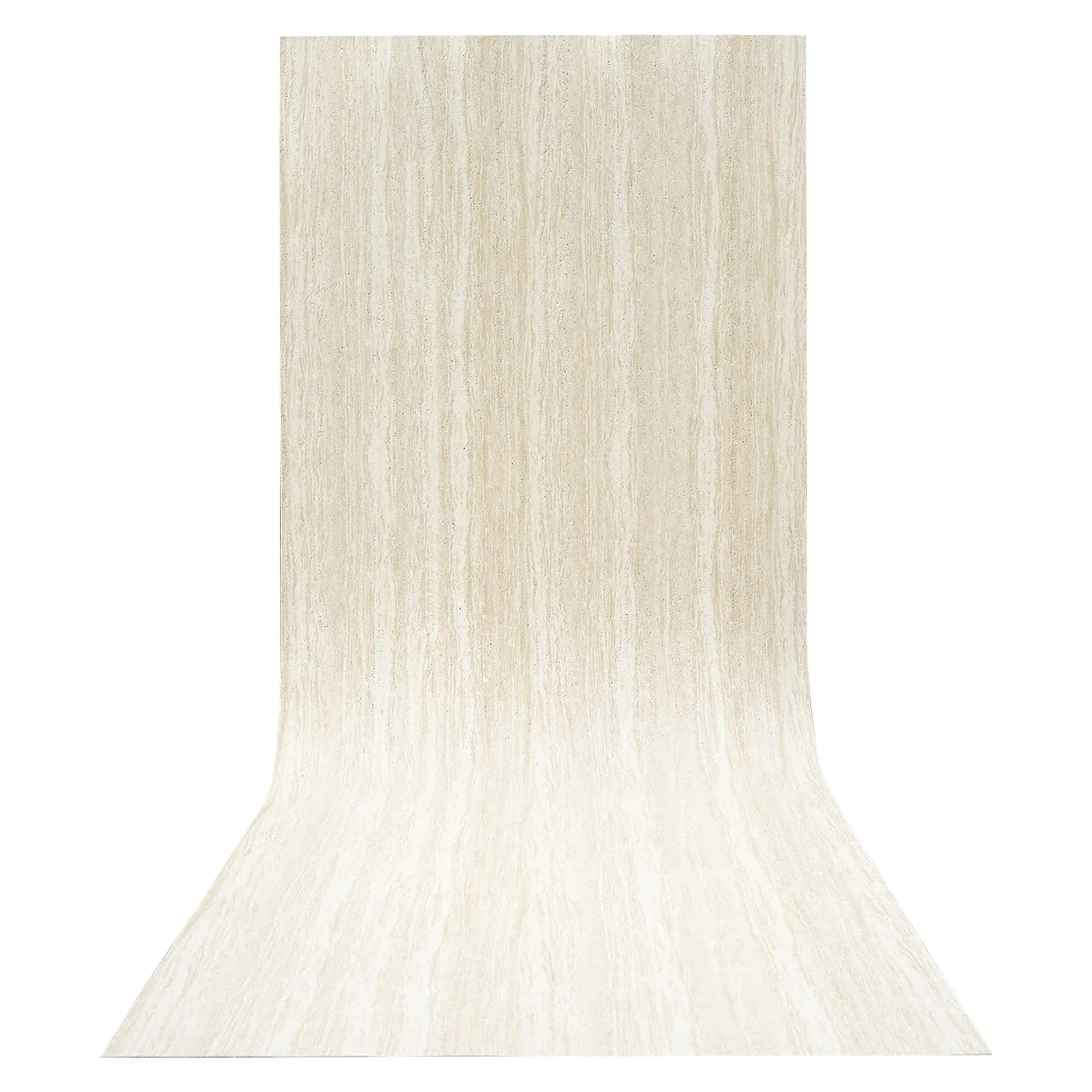
To truly appreciate MCM Wood Line's water resistance, it helps to see how it compares to other popular building materials. Let's break down the numbers and real-world performance of MCM Wood Line alongside masonry stone , travertine , fair-faced concrete , and even lunar peak (a line of metallic-inspired cladding known for its striking appearance).
| Material | Water Absorption Rate | Durability (Resistance to Mold/Warping) | Installation Ease | Aesthetic Appeal |
|---|---|---|---|---|
| MCM Wood Line | <0.5% | Excellent (No mold, no warping) | Easy (Lightweight, flexible panels) | Warm, realistic wood grain; versatile tones |
| Masonry Stone | 3-5% | Moderate (Prone to cracking, mold in pores) | Difficult (Heavy, requires structural support) | Timeless, natural texture; rustic charm |
| Travertine | 2-4% | Moderate (Stains easily, needs sealing) | Moderate (Heavy slabs, precise cutting) | Elegant veining; high-end, earthy look |
| Fair-Faced Concrete | 1-2% | Good (Cracks over time, moisture intrusion) | Difficult (Requires formwork, heavy) | Industrial, minimalist; sleek, modern vibe |
| Lunar Peak (Metallic Cladding) | <1% | Very Good (Resistant to rust, fading) | Moderate (Specialized handling for metallic finish) | Gleaming, futuristic; silvery/golden sheen |
The numbers speak for themselves. MCM Wood Line's water absorption rate is drastically lower than traditional options, meaning it's far less likely to harbor moisture or suffer water-related damage. Its durability is a standout, too—no more worrying about mold growing in hidden corners or panels warping in humid summers. And when it comes to installation, its lightweight design is a game-changer for contractors and DIY enthusiasts alike. Imagine being able to clad an entire exterior wall in a day, rather than a week, without needing a crane or reinforced framing.
But what about when you want to mix materials? Many designers pair MCM Wood Line with complementary products like lunar peak cladding for a striking contrast—warm wood tones alongside sleek metallic surfaces. The key is that both materials prioritize durability, so you don't have to sacrifice one for the other. For example, a home's lower exterior might feature lunar peak silvery panels for a modern, reflective base, while the upper levels use MCM Wood Line in a rich walnut finish to add warmth. Together, they create a cohesive look that's as tough as it is beautiful.
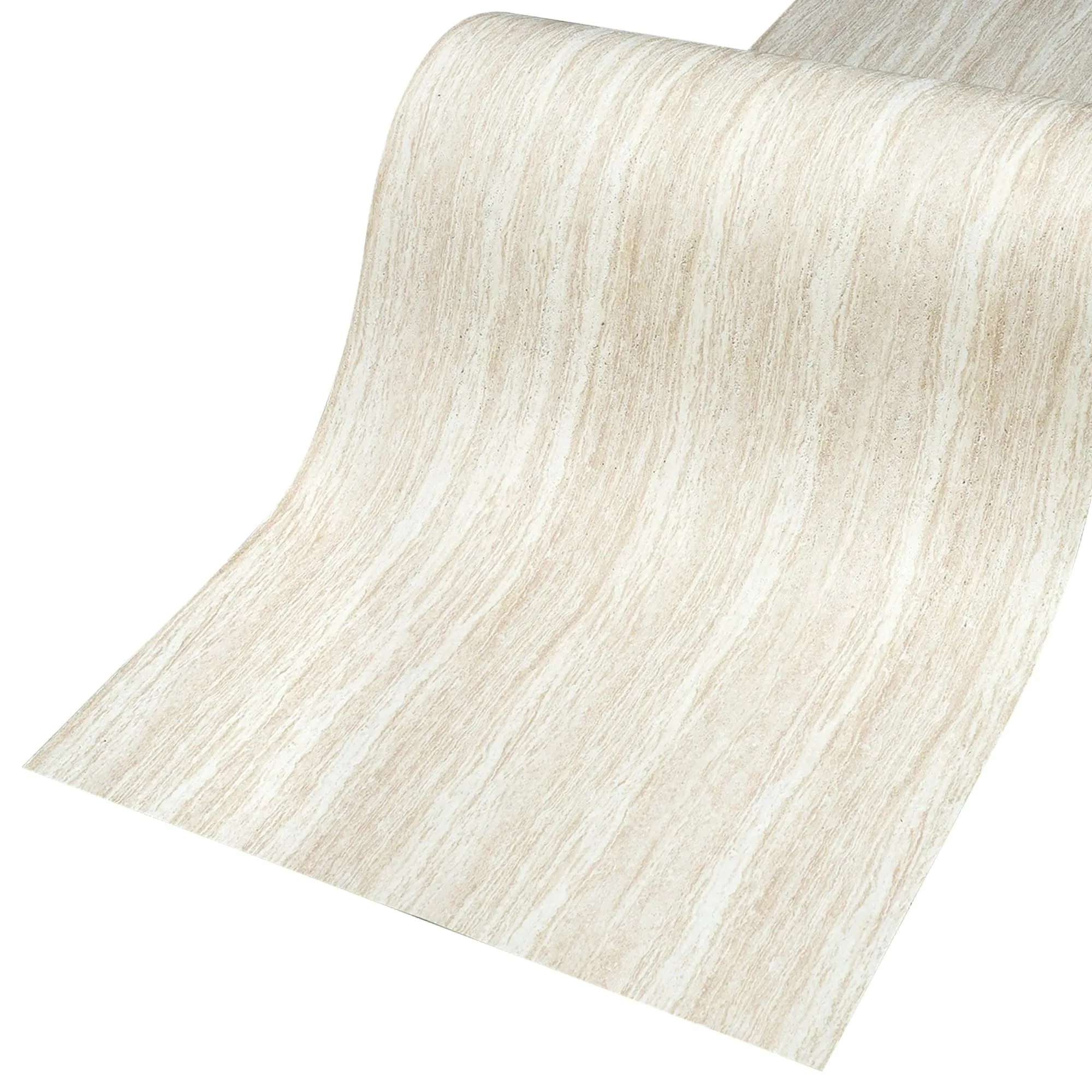
You might be wondering: How does MCM Wood Line achieve such impressive water resistance without losing its natural look? It all comes down to smart engineering. Let's peel back the layers (literally) to understand what makes this material so effective.
At its core, MCM Wood Line is a composite material, meaning it's made by combining two or more distinct substances to create a product with enhanced properties. The base layer is a blend of high-density mineral fibers and polymer resins, compressed into a thin, flexible sheet. This core is inherently dense and non-porous, so it doesn't absorb water like natural stone or wood. But the real magic is in the top coating—a proprietary, UV-stabilized film that's both water-repellent and breathable. Wait, breathable? Isn't that contradictory? Not at all. While the coating blocks liquid water (like rain) from seeping in, it allows water vapor (like humidity) to escape, preventing trapped moisture from causing damage from the inside. It's like a raincoat that lets you sweat—keeping you dry without overheating.
Another key feature is MCM Wood Line's flexibility. Traditional rigid materials like masonry stone or concrete can't bend with a building's natural movement—say, during temperature fluctuations or minor settling. This rigidity leads to cracks, which then become entry points for water. MCM Wood Line, on the other hand, has a slight give to it, flexing with the structure and reducing the risk of cracks forming in the first place. It's a small detail, but it makes a big difference in long-term durability.
Testing is also a critical part of MCM Wood Line's development. Manufacturers subject the panels to rigorous water resistance tests, including prolonged immersion (submerging panels in water for weeks and measuring absorption) and cyclic weathering (exposing them to extreme temperatures, rain, and UV light to simulate years of outdoor exposure). In these tests, MCM Wood Line consistently outperforms traditional materials, maintaining its structural integrity and appearance even after thousands of hours of harsh conditions.
Perhaps the most reassuring aspect is that MCM Wood Line's water resistance doesn't fade over time. Unlike travertine , which requires regular resealing to maintain its water resistance, or wood, which needs staining every few years, MCM Wood Line's protective coating is baked into the material during manufacturing. It won't wear off, chip, or degrade with age, meaning your building's defense against moisture stays strong for decades—no ongoing maintenance required.
MCM Wood Line's versatility makes it a standout choice for nearly any building project, but there are certain environments where its water resistance truly shines. Let's explore some of the most common applications and how this material transforms spaces while protecting them.
Coastal homes face a double whammy: relentless rain and salt-laden air that can corrode even the sturdiest materials. Traditional masonry stone here often develops pitting from salt crystallization, while wood cladding rots within years. MCM Wood Line, however, thrives in these conditions. Its non-porous surface resists salt penetration, and its UV-resistant coating prevents fading from harsh sunlight. In places like Cape Cod or the Pacific Northwest, where rainy seasons stretch for months, homeowners are turning to MCM Wood Line for exteriors that stay looking fresh year after year—no peeling paint, no rotting boards, just the warm glow of wood grain that withstands the elements.
Indoors, moisture is just as big a concern—especially in bathrooms, kitchens, and laundry rooms. Tile and grout can harbor mold in their seams, while natural travertine countertops require constant sealing to prevent water spots. MCM Wood Line offers a stylish alternative for accent walls, backsplashes, or even shower surrounds. Its water resistance means you can enjoy the look of wood in these high-moisture areas without worrying about mold or water damage. Imagine a bathroom with a wood-look accent wall behind the vanity—warm, inviting, and completely maintenance-free. It's a design choice that feels luxurious but practical.
Renovating a historic building often means walking a tightrope between preserving original character and meeting modern performance standards. Many older homes feature masonry stone exteriors that are integral to their architectural identity but are failing due to moisture damage. MCM Wood Line offers a solution here, too. Its lightweight panels can be installed over existing masonry (with proper moisture barriers, of course), adding a layer of protection without altering the building's silhouette. For interiors, MCM Wood Line can replicate the look of original wood paneling that's too damaged to save, keeping the space's historic charm intact while ensuring it stands strong for another century.
Restaurants, hotels, and retail stores need materials that can handle heavy foot traffic, frequent cleaning, and the occasional spill—all while reflecting the brand's aesthetic. MCM Wood Line checks all these boxes. Its scratch-resistant surface stands up to carts, chairs, and bustling crowds, while its water resistance makes cleaning a breeze (no need for harsh chemicals that damage natural materials). For example, a boutique hotel might use MCM Wood Line in its lobby, pairing it with lunar peak golden accents for a sophisticated, modern look that feels warm and welcoming. It's durable enough to last through years of guests, yet stylish enough to make a memorable first impression.
Numbers and technical specs are helpful, but nothing brings a material's value to life like real-world examples. Let's take a look at a few projects where MCM Wood Line made a tangible difference in protecting buildings from moisture—and enhancing their beauty in the process.
In 2020, a family in coastal Oregon purchased a 1970s cottage with a masonry stone exterior. They loved the home's charm, but within months, they noticed signs of trouble: damp spots on the interior walls, a musty smell in the basement, and cracks spreading through the stone. A contractor diagnosed severe moisture damage—the stone had absorbed decades of rain, leading to rot in the underlying framing. The family faced a tough choice: replace the stone with something more durable but lose the home's character, or keep the stone and face endless repairs.
They chose a third option: installing MCM Wood Line over the existing stone (after addressing the rot and adding a moisture barrier). The panels were custom-colored to match the original stone's warm beige tones, but with a subtle wood grain texture that added depth. Three years later, the cottage has weathered two major storms and countless rainy seasons with zero moisture issues. "We walk into the basement now and it's dry—no more musty smell, no more cracks," the homeowner shared. "And from the street, you'd never know it's not the original stone. It feels like we preserved the home's soul while giving it a new lease on life."
A popular farm-to-table restaurant in Chicago wanted to update its interior to reflect its rustic, nature-inspired menu. The designer initially proposed using reclaimed wood for the walls, but the restaurant's location in a humid basement raised red flags—wood would warp and mold in no time. Instead, they opted for MCM Wood Line in a rich oak finish. The panels were installed on the main dining room walls, paired with travertine tabletops and masonry stone accents for a cohesive, earthy look.
Two years later, the restaurant's owner reports zero issues with moisture or damage. "We clean the walls weekly with water and mild soap, and they still look brand new," he said. "Our customers comment all the time on how warm and inviting the space feels—they can't believe it's not real wood. And as someone who's dealt with mold in previous restaurants, I sleep better knowing we won't have to tear out walls in a few years."
A couple building a retreat in the Rockies wanted a home that blended into the natural landscape but could withstand harsh winters and heavy snowmelt. They chose MCM Wood Line for the exterior, drawn to its wood-like appearance and durability. To complement the wood tones, they added lunar peak silvery panels for the roof overhangs, creating a striking contrast against the snow. The home's first winter put it to the test: record snowfall followed by rapid thawing, which would normally flood basements and damage exteriors.
"We came back in spring expecting to find water damage, but the house was bone dry," the homeowner said. "The MCM panels shed the snow and melted water right off—no absorption, no ice dams. And the lunar peak accents still look as shiny as the day they were installed. It's like the house was built to laugh at the weather."
At the end of the day, choosing building materials is about more than just aesthetics or cost—it's about investing in peace of mind. Moisture damage isn't just a repair bill; it's the stress of wondering if your home is safe, the frustration of watching your hard work deteriorate, and the regret of not choosing more wisely. MCM Wood Line offers a different path: a material that protects your building, enhances its beauty, and lets you focus on what matters most—living in, enjoying, and making memories in your space.
Whether you're building a new home, renovating a historic gem, or designing a commercial space, MCM Wood Line stands out as a solution that doesn't compromise. It's durable without being dull, beautiful without being fragile, and innovative without being intimidating. And when paired with complementary materials like lunar peak cladding or travertine accents, it opens up a world of design possibilities—proving that practicality and beauty can go hand in hand.
So the next time you're faced with the choice of building materials, think beyond the surface. Think about the rainstorms, the humid summers, the winter freezes. Think about the years ahead, and the kind of structure you want to leave behind. With MCM Wood Line, you're not just choosing a cladding material—you're choosing resilience, reliability, and the freedom to love your space without worry. And in a world where so much feels uncertain, that's a choice worth making.
Recommend Products












