
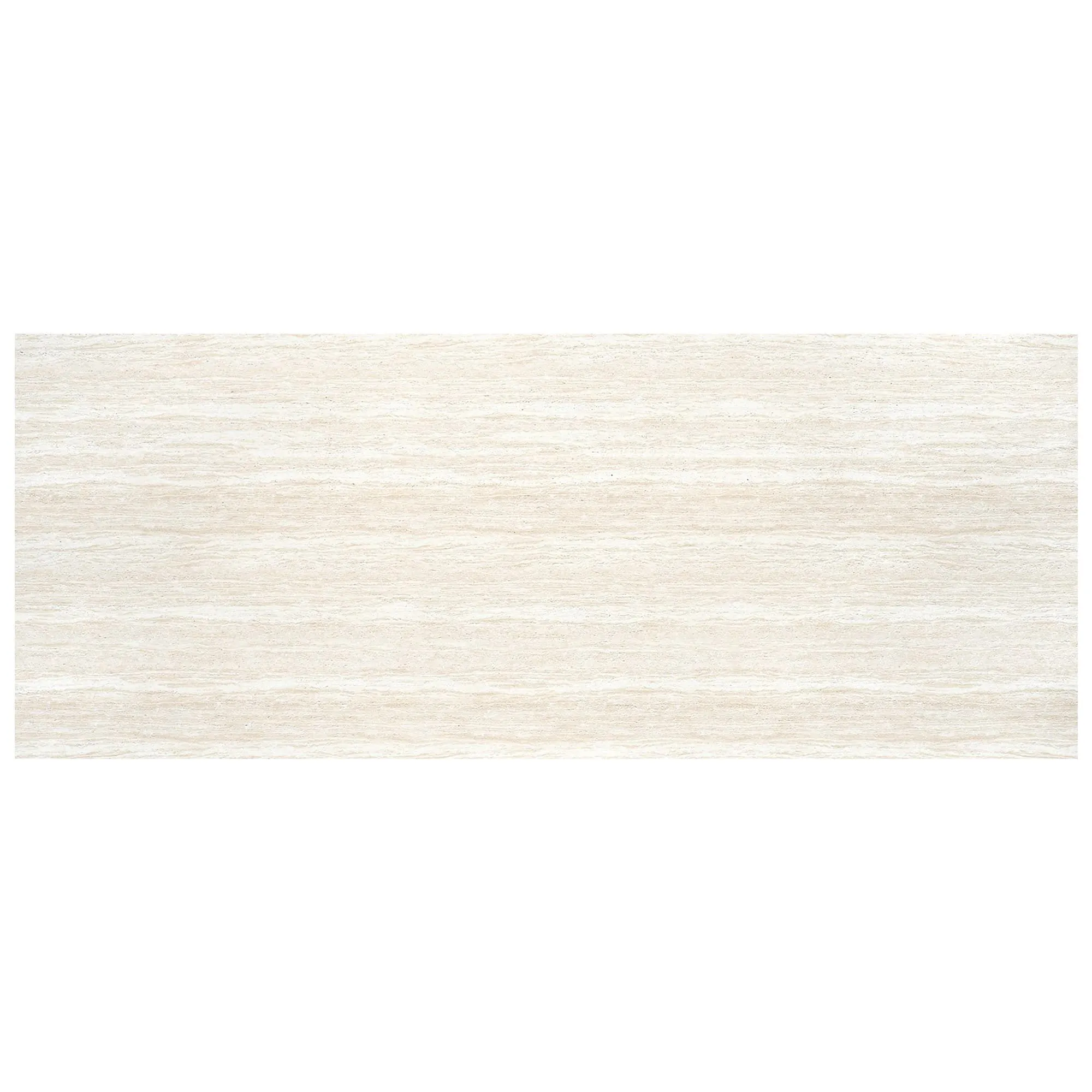
Saudi Arabia is a country of breathtaking contrasts—where vast deserts stretch to the horizon, ancient cities meet futuristic skylines, and temperatures can swing from scorching daylight highs to surprisingly cool nights. For architects, builders, and homeowners here, the climate isn't just a backdrop; it's a relentless test of every material used in construction. From the blistering 50°C (122°F) summers in Riyadh to the sand-laden gales of the Rub' al Khali, and the humid coastal air of Jeddah, building materials face challenges that would break lesser products. Traditional options like solid wood warp and rot, concrete cracks under thermal stress, and even natural stone—once thought invincible—succumbs to erosion from wind-blown sand. But in recent years, a new solution has emerged: MCM Wood Line. More than just a building material, it's a testament to how innovation can turn climate challenges into opportunities for beauty and durability.
At first glance, MCM Wood Line might evoke the warmth of natural wood, with its rich grains and organic textures. But beneath that inviting surface lies a technological marvel—a product of modified composite material panels designed to thrive where other materials fail. In this article, we'll explore why MCM Wood Line has become the go-to choice for projects across Saudi Arabia, diving into its unique weather-resistant properties, real-world applications, and how it stacks up against traditional alternatives like fair-faced concrete and lime stone(beige). Whether you're planning a commercial complex in Dammam, a beachfront villa in Jeddah, or a residential development in Riyadh, understanding what makes MCM Wood Line tick could be the key to building structures that stand strong for decades—even in Saudi Arabia's harshest conditions.
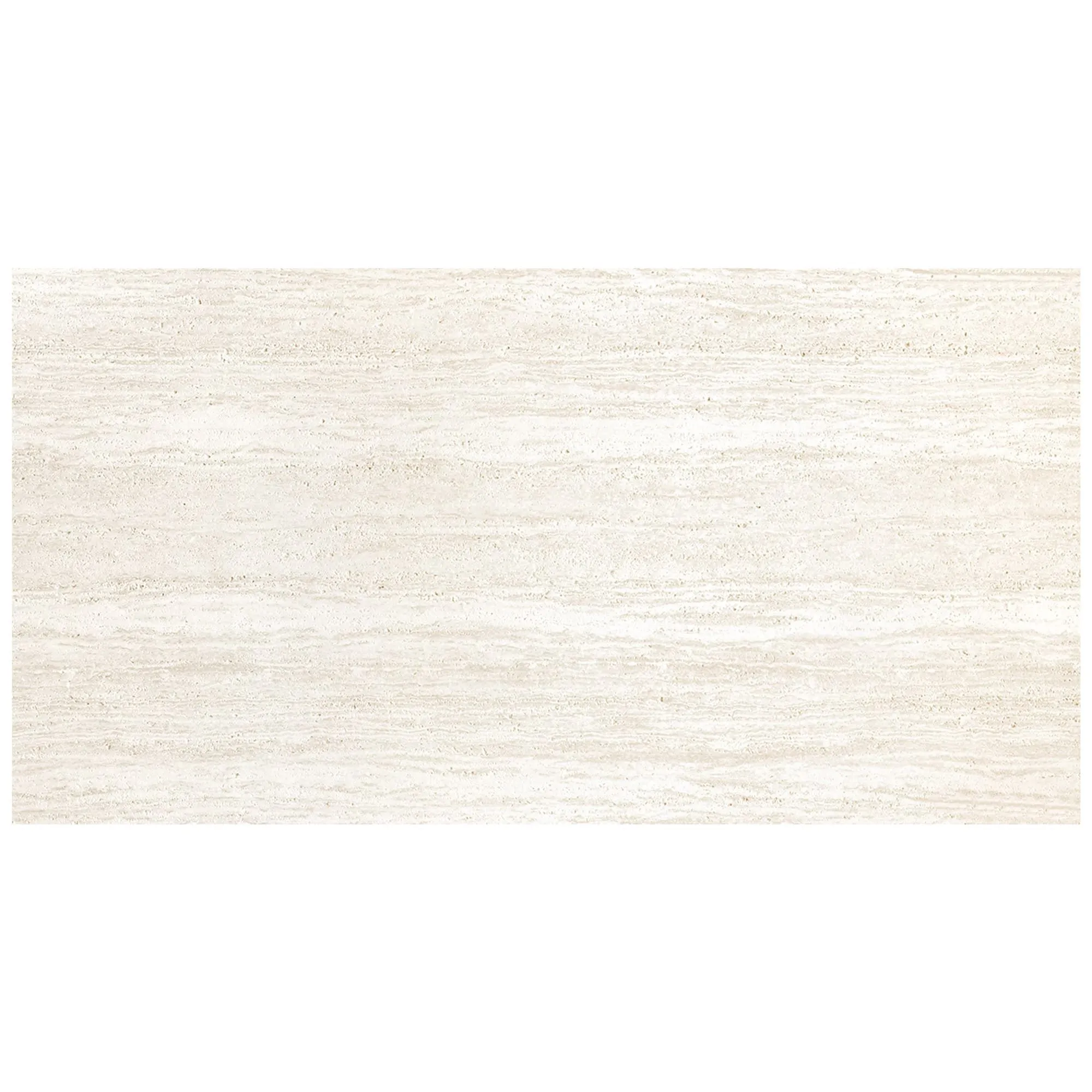
In Saudi Arabia, the sun isn't just bright—it's punishing. UV radiation levels here are among the highest in the world, with summer days bringing intense sunlight that fades paint, weakens plastics, and dries out organic materials like wood. Solid wood, for example, loses moisture rapidly under these conditions, leading to warping, cracking, and splintering. Even treated wood, once a staple for outdoor applications, often lasts only 3–5 years before showing signs of degradation. Concrete, too, struggles: its high thermal mass absorbs heat, causing expansion during the day, then contracts sharply at night, creating micro-cracks that grow over time. These cracks become entry points for moisture and sand, accelerating deterioration.
Sandstorms are a fact of life in Saudi Arabia, especially during the spring months. These storms hurl tiny, sharp grains of sand at speeds up to 60 km/h (37 mph), acting like sandpaper on building exteriors. Traditional stone cladding, such as lime stone(beige), may seem tough, but its porous surface traps sand particles, which grind away at the finish over time. Even polished surfaces lose their luster, while softer materials like wood or vinyl siding quickly develop a worn, faded appearance. For coastal areas like Jeddah, sandstorms are often followed by high humidity, creating a double threat: abrasion followed by moisture damage.
While inland regions like Riyadh are dry, coastal cities face a different challenge: humidity. Jeddah, for instance, sees humidity levels averaging 65–75% year-round, with peaks above 90% during the monsoon season. This moisture infiltrates porous materials, leading to mold growth, rot, and corrosion of metal fasteners. Traditional wood, even when sealed, absorbs this moisture, swelling and then shrinking as humidity fluctuates—eventually leading to structural weakness. Natural stone, too, is vulnerable: lime stone(beige), with its visible pores, can trap salt-laden moisture from sea air, causing efflorescence (white, powdery deposits) and weakening the stone from within.
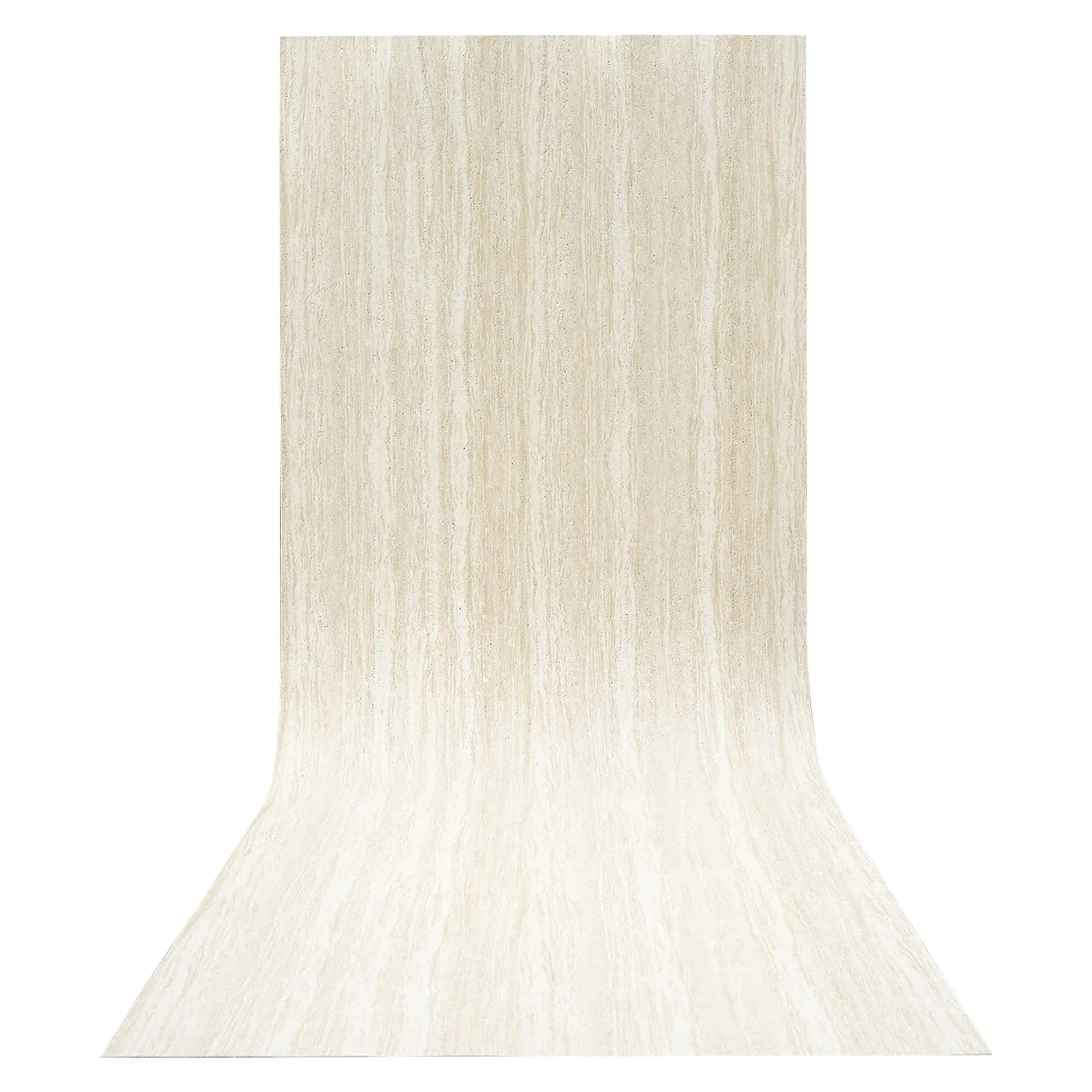
MCM Wood Line isn't just a "better wood"—it's a reimagining of what a building material can be. At its core is a blend of MCM flexible stone and advanced polymers, engineered through MCM 3D printing series technology to create a material that's lightweight, flexible, and incredibly tough. Unlike solid wood, which is prone to warping, or concrete, which is rigid and brittle, MCM Wood Line strikes a balance: it bends without breaking, resists heat without expanding, and repels moisture without trapping it. Let's break down the key features that make it Saudi Arabia-ready.
One of MCM Wood Line's most impressive feats is its ability to handle extreme heat. Traditional wood reaches surface temperatures of 70°C (158°F) or more under direct sunlight, leading to thermal expansion and eventual cracking. MCM Wood Line, however, has a low thermal conductivity rating, meaning it absorbs less heat and releases it more evenly. Its outer layer is treated with a UV-resistant coating that reflects sunlight, keeping surface temperatures up to 20°C (36°F) cooler than solid wood. This not only prevents warping but also reduces the load on air conditioning systems—an added bonus for energy efficiency in a country where cooling costs are a major expense.
But heat resistance isn't just about staying cool; it's about stability. MCM Wood Line's composite structure minimizes thermal expansion and contraction. In laboratory tests, it showed less than 0.3% dimensional change when exposed to temperatures ranging from -20°C (-4°F) to 80°C (176°F)—a range far beyond anything Saudi Arabia's climate can throw at it. Compare that to solid wood, which can expand by up to 2% in high humidity, or concrete, which shrinks by 0.5% as it cures, and the difference is clear: MCM Wood Line stays put, no matter the weather.
Against sandstorms, MCM Wood Line's secret weapon is its dense, non-porous surface. Unlike lime stone(beige), which has a porous structure that traps sand, MCM Wood Line's outer layer is smooth and hard, with a hardness rating of 6H on the pencil scale—harder than most natural stones. This means wind-blown sand slides off instead of grinding into the material. In accelerated wear tests simulating 10 years of Saudi sandstorms, MCM Wood Line showed less than 0.1mm of surface erosion, compared to 1.2mm for untreated wood and 0.8mm for standard concrete panels. The result? A finish that retains its luster, even after years of exposure.
In humid coastal areas, MCM Wood Line's moisture barrier technology shines. The material is engineered with a closed-cell structure that prevents water absorption, with a moisture uptake rate of less than 0.5%—compared to 15–20% for untreated wood and 3–5% for lime stone(beige). This means even in Jeddah's sticky humidity, MCM Wood Line doesn't swell, rot, or grow mold. For added protection, the edges are sealed during manufacturing, eliminating gaps where moisture might seep in. Builders in coastal projects have reported that after 5 years of exposure, MCM Wood Line cladding shows no signs of mold, mildew, or water staining—unlike adjacent sections using traditional wood, which required replacement after just 3 years.
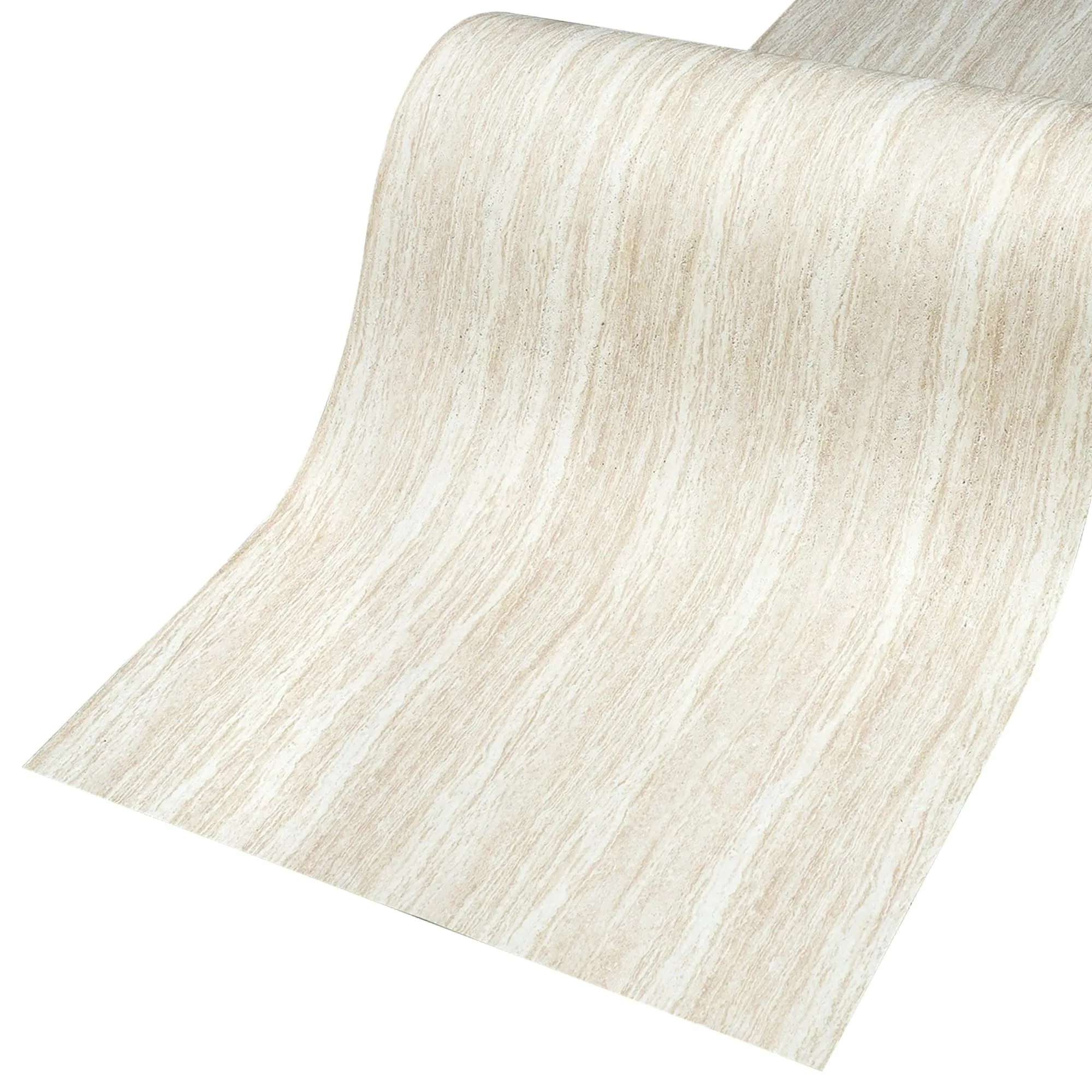
In 2020, a major tech company in Riyadh wanted to create a campus that blended modern design with natural warmth. The architects specified wood-look cladding for the exterior, but concerns about durability in Riyadh's climate led them to MCM Wood Line. Five years later, the campus stands as a testament to the material's resilience. The cladding, which covers over 10,000 square meters, still boasts its original color and texture, with no signs of warping or fading. "We expected to see some wear after a few years, especially on the south-facing walls that get the most sun," says the project's lead architect. "But when we inspected it recently, it looked like it was installed last month. The adjacent building, which used fair-faced concrete, has already developed hairline cracks and needs repainting. MCM Wood Line was the right call."
A luxury beach resort in Jeddah faced the ultimate test: salt air, high humidity, and occasional sandstorms. The developers wanted the exterior to evoke a tropical, wooded oasis, but traditional wood was ruled out due to maintenance concerns. MCM Wood Line was chosen for the resort's cabanas, walkways, and exterior cladding. Three years later, guests still comment on the "beautiful wooden cabanas," unaware that the material isn't wood at all. "We've had zero issues with rot, mold, or fading," says the resort's maintenance manager. "In fact, we did a side-by-side test: one cabana with solid teak wood and one with MCM Wood Line. The teak started showing graying and splintering after 18 months; the MCM Wood Line looks brand new. We're now replacing all the remaining teak with MCM."
In Dammam, a residential developer sought to create affordable housing that didn't compromise on aesthetics. MCM Wood Line was used for balcony railings, exterior accent walls, and even outdoor furniture. Homeowners report that despite the area's extreme temperature swings (from 5°C (41°F) in winter to 48°C (118°F) in summer), the MCM Wood Line elements have stayed stable. "Our balcony railing doesn't get hot enough to burn your hand in summer, which was a problem with the metal railings in our old apartment," says one resident. "And after that big sandstorm last year, I thought the finish would be scratched, but it cleaned right off with a hose. I'm sold."
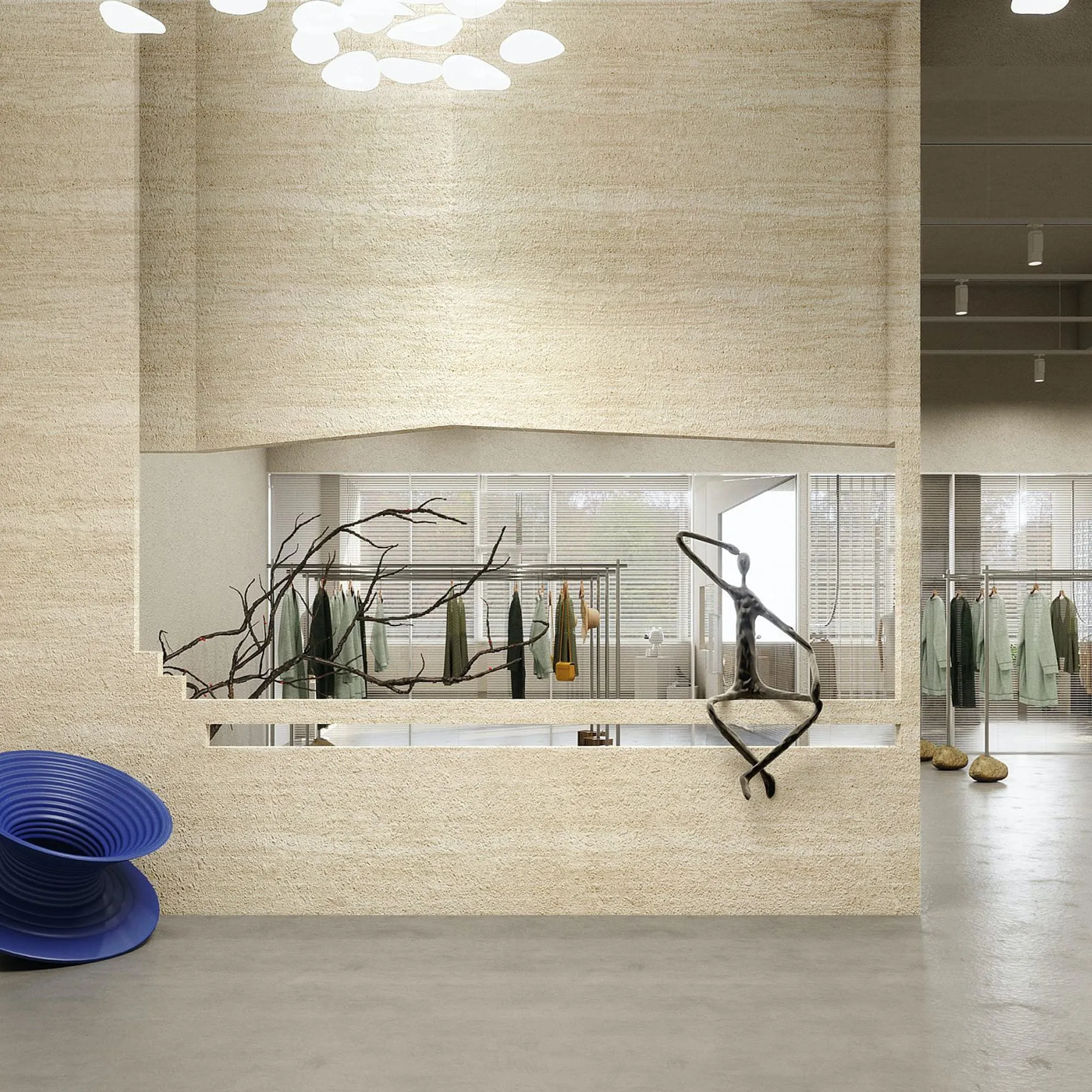
To truly understand MCM Wood Line's, let's compare it to three common alternatives used in Saudi Arabia: solid wood, fair-faced concrete, and lime stone(beige). The table below breaks down key performance metrics based on third-party testing and real-world data.
| Performance Metric | MCM Wood Line | Solid Wood (Treated) | Fair-Faced Concrete | Lime Stone(Beige) |
|---|---|---|---|---|
| Temperature Resistance Range | -20°C to 80°C (-4°F to 176°F) | -10°C to 50°C (14°F to 122°F) | -30°C to 70°C (-22°F to -158°F) | -15°C to 60°C (5°F to 140°F) |
| UV Protection Rating | 98% UV absorption (5-year warranty) | 60-70% (needs re-sealing yearly) | 85% (fades over 3-5 years) | 75% (develops patina over time) |
| Sand Abrasion Resistance (10-year simulation) | 0.1mm surface loss | 1.5mm surface loss (splintering) | 0.8mm surface loss (pitting) | 0.6mm surface loss (porosity clogs) |
| Moisture Absorption Rate | <0.5% | 15-20% | 3-5% | 8-10% |
| Installation Weight (kg/m²) | 8-10 kg/m² | 15-20 kg/m² | 25-30 kg/m² | 35-40 kg/m² |
| Estimated Lifespan (Outdoor Use) | 25+ years | 5-8 years | 15-20 years (with repairs) | 10-15 years (with sealing) |
The data speaks for itself: MCM Wood Line outperforms traditional materials in nearly every category, from temperature resistance to lifespan. Its lightweight nature also reduces installation costs and structural load, making it ideal for both new builds and retrofits.
In a world increasingly focused on sustainability, MCM Wood Line offers another advantage: it's an eco-friendly choice. Unlike solid wood, which contributes to deforestation, MCM Wood Line uses recycled materials in its composite core, reducing the demand for virgin resources. Its durability also means less frequent replacement, cutting down on waste. Additionally, its lightweight design reduces transportation emissions—trucks can carry 3–4 times more MCM Wood Line panels than traditional stone or concrete, lowering carbon footprints. For developers aiming to meet green building standards (like LEED or Estidama in the UAE), MCM Wood Line checks key boxes for material efficiency and longevity.
"Sustainability isn't just a buzzword for us—it's a responsibility," says an architect at a leading Saudi firm. "When we choose MCM Wood Line, we're not only getting a material that lasts; we're reducing our project's environmental impact. Traditional lime stone(beige) mining is resource-intensive, and concrete production is a major CO2 emitter. MCM Wood Line lets us build beautifully without compromising our planet."
Saudi Arabia's climate is unforgiving, but it's also a canvas for innovation. MCM Wood Line represents the best of that innovation—a material that doesn't just survive the harsh conditions but thrives in them. It combines the warmth and beauty of wood with the resilience of advanced composites, making it perfect for everything from luxury resorts to affordable housing. Whether you're battling the sun in Riyadh, sandstorms in the desert, or humidity in Jeddah, MCM Wood Line delivers where traditional materials fail.
As one project manager put it: "In Saudi Arabia, building materials don't just need to look good—they need to earn their place. MCM Wood Line has earned its place, not just with its performance, but with how it makes people feel. When you walk past a building clad in MCM Wood Line, you don't see a 'composite panel'—you see warmth, texture, and a connection to nature. And in a country where the environment is so extreme, that's a powerful thing."
So, to the architects, builders, and dreamers of Saudi Arabia: the next time you're planning a project, ask yourself: Why settle for materials that fight the climate when you can choose one that works with it? MCM Wood Line isn't just a material—it's a promise: beauty that lasts, even in the harshest of lands.
Recommend Products












