

Walk through the streets of Marrakech's medina, and you'll feel it—the weight of history in every sun-baked brick, every intricate zellige tile. Then, turn a corner and find yourself staring up at Dubai's Burj Khalifa, its glass facade piercing the sky like a modern-day minaret. Middle Eastern architecture has always been a dance: one foot rooted in the desert's ancient rhythms, the other stepping boldly into tomorrow. But what makes this dance work? It's in the materials—the quiet storytellers that turn bricks and beams into something alive with culture, memory, and ambition.
Think about the last time you walked into a space that felt "right." Maybe it was a centuries-old mosque with cool stone floors that sighed underfoot, or a sleek café with walls that seemed to glow in the afternoon light. Chances are, the materials had everything to do with it. In the Middle East, where temperatures swing from scorching days to crisp nights and sandstorms test even the sturdiest structures, materials aren't just about looks—they're about survival, identity, and legacy. For decades, architects here have grappled with a challenge: how to honor the past without being trapped by it? How to build for the future without losing the warmth and character that make Middle Eastern spaces so unique?
Enter MCM—Modified Composite Material—a quiet revolution in building materials. MCM takes the best of nature and supercharges it with technology, creating products that look and feel like natural stone or wood but behave like modern marvels. Lightweight, flexible, and durable, MCM is the bridge many architects have been searching for. And among its stars? Red Travertine MCM—a material that doesn't just blend tradition and modernity; it celebrates them.
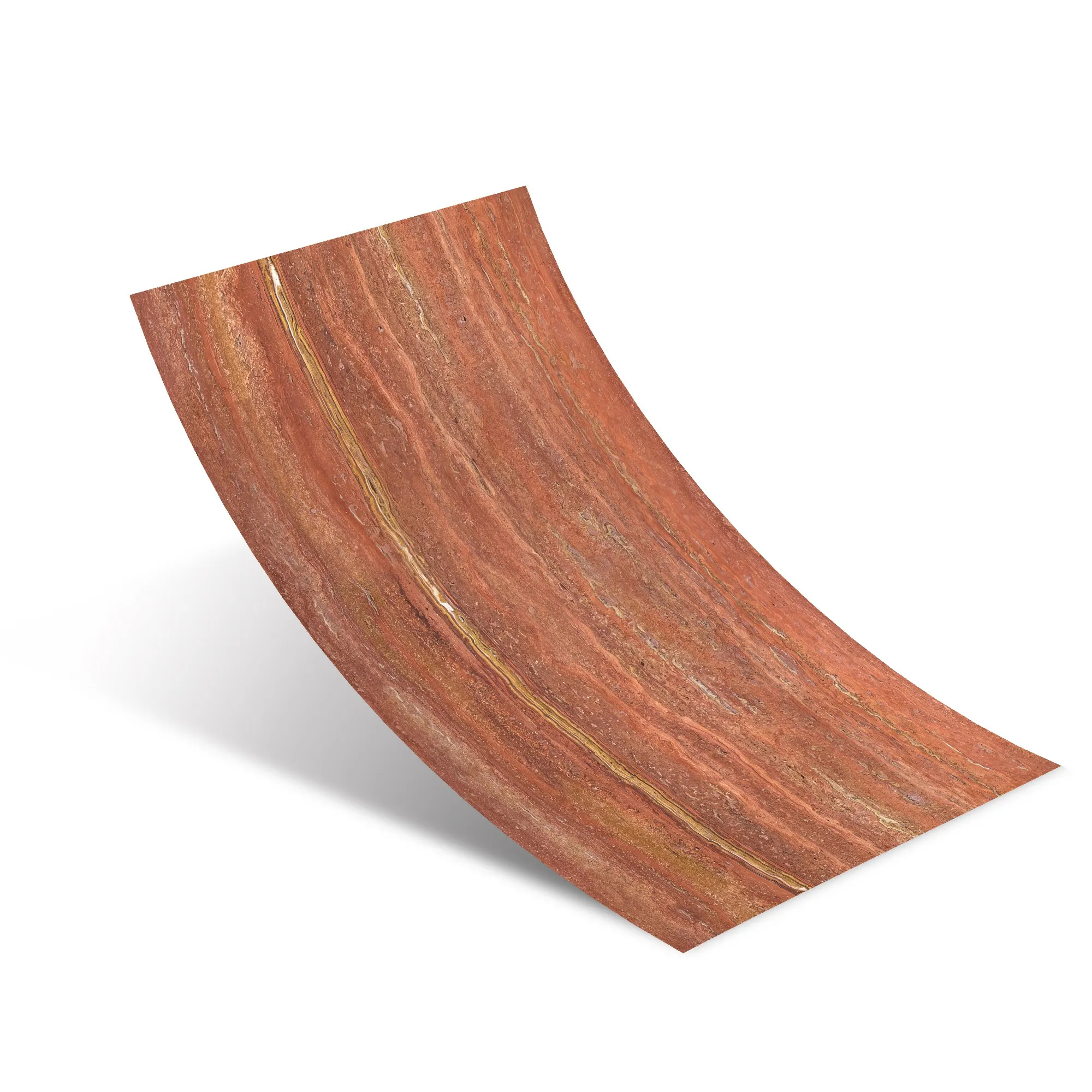
If you've ever run your hand over a travertine wall, you know its magic. The stone, formed from mineral-rich hot springs, has a porous, almost honeycombed texture that feels alive—like it's breathing. Travertine has been a staple in Middle Eastern architecture for centuries, from the Roman ruins of Palmyra to the Ottoman mosques of Istanbul. Its earthy tones—beige, gold, cream—ground buildings in the desert landscape, making them feel like they've grown from the earth itself. But traditional travertine has its limits: it's heavy, which can strain building structures, and porous, which makes it prone to staining in humid or polluted areas.
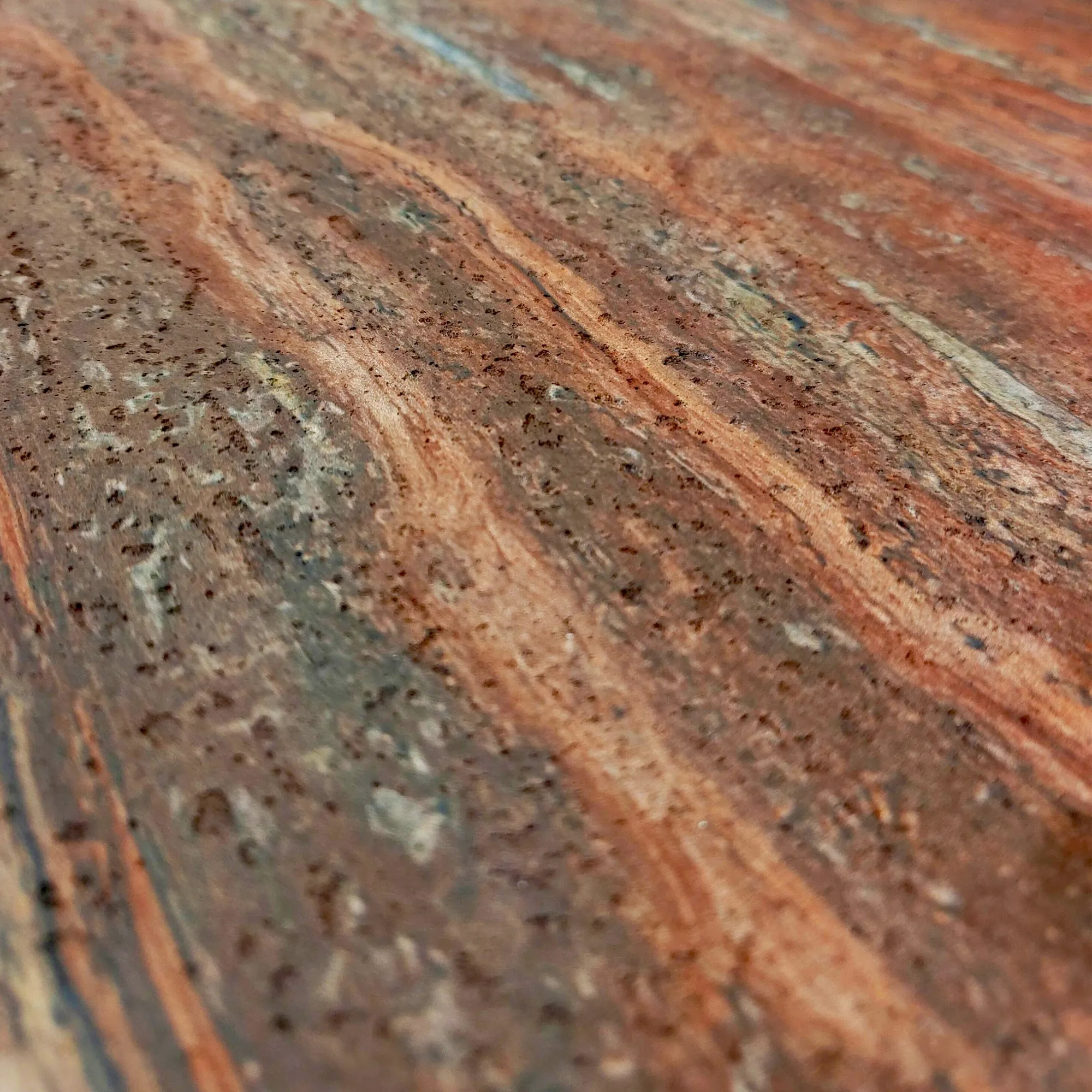
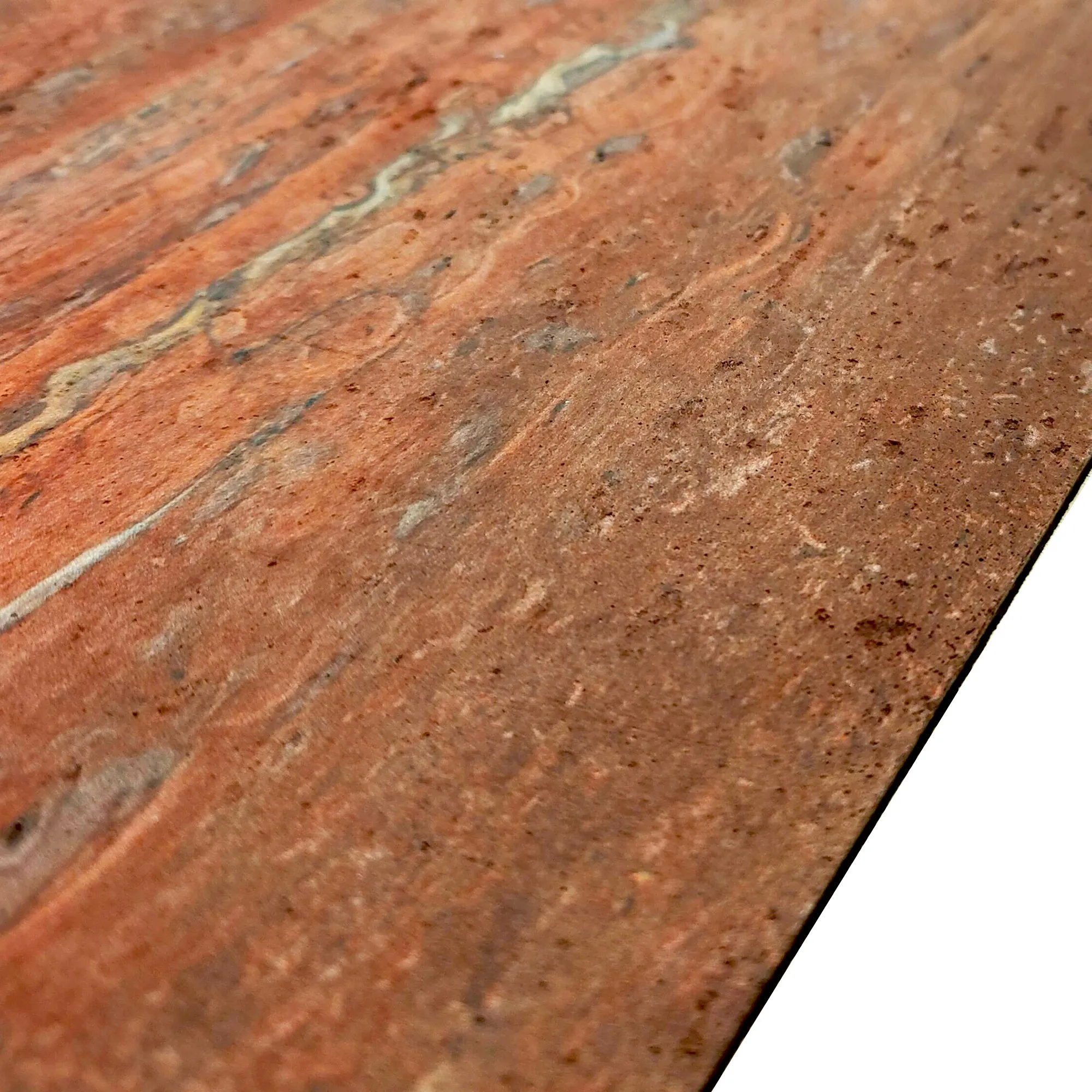
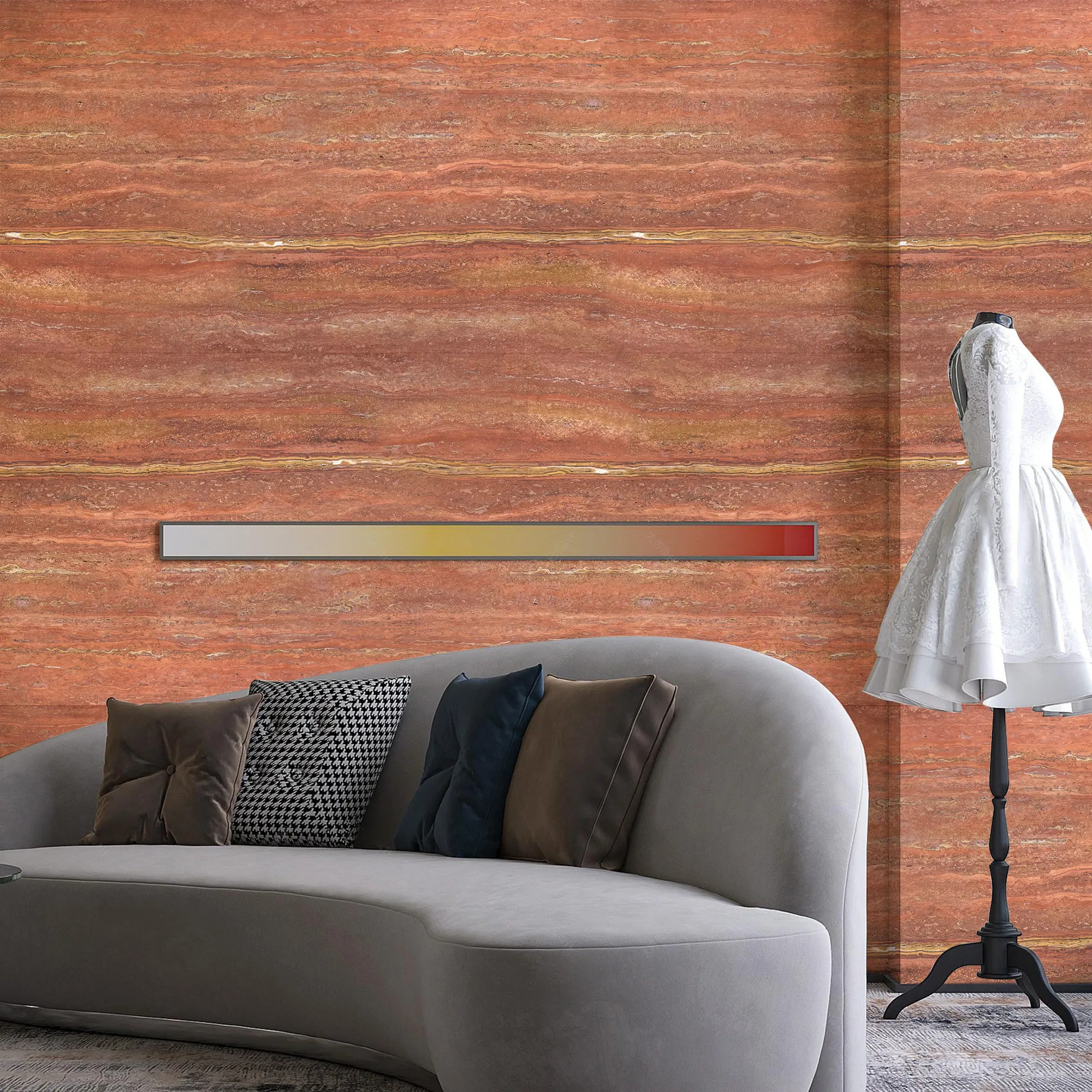
Red Travertine MCM changes the game. Imagine (oops, scratch that—think about) travertine's natural beauty, but with a twist: instead of the usual beige, this variant boasts rich, terracotta hues that evoke the rust-red sands of the Arabian Desert at sunset. It's warm, inviting, and unapologetically Middle Eastern. But here's where the "MCM" part shines: this isn't just stone glued to a backing. It's a composite material, engineered to be lightweight (up to 80% lighter than natural stone), flexible enough to bend around curved surfaces, and treated to resist water, stains, and the harsh UV rays that beat down on the region. Suddenly, that beautiful red travertine can climb the facade of a 20-story skyscraper without weighing it down, or wrap around a curved courtyard wall without cracking.
Take, for example, a new cultural center in Amman. The architects wanted to pay homage to Jordan's Nabatean heritage—think the intricate rock-cut facades of Petra—while creating a space that felt contemporary. They used Red Travertine MCM for the main entrance, carving traditional geometric patterns into the panels. The result? A facade that looks like it was chiseled from ancient stone, but was actually installed in days (not months) and will stand up to Jordan's sandstorms for decades. Inside, the material lines the walls of the auditorium, where its porous texture helps absorb sound, making performances clearer. It's tradition with a practical upgrade.
Great materials rarely work alone. Just as a traditional majlis (gathering room) pairs plush carpets with carved wooden screens, Red Travertine MCM shines brightest when paired with complementary materials that enhance its strengths and add layers of visual interest. Two standouts in this category are Lunar Peak Golden and Fair-faced Concrete—each bringing something unique to the table.
If Red Travertine MCM is the desert at sunset, Lunar Peak Golden is the moon rising over it. This material, part of the Lunar Peak series, has a subtle metallic sheen that catches the light, mimicking the way sand sparkles under a full moon. It's not flashy—think "understated luxury" rather than "glitzy." When paired with Red Travertine, it adds a layer of sophistication without overwhelming the stone's earthy warmth. Imagine a boutique hotel in Riyadh: the exterior walls are clad in Red Travertine MCM, their texture softening the building's modern, angular lines. The hotel's entrance, though, features a canopy of Lunar Peak Golden panels, which reflect the sun during the day and glow under spotlights at night. It's a nod to the region's love for opulence, but grounded by the travertine's rusticity.
Lunar Peak Golden isn't just about looks, either. Like Red Travertine MCM, it's lightweight and durable, making it ideal for both exteriors and interiors. In a restaurant with high ceilings, it could line a feature wall behind the bar, adding depth to the space without requiring heavy structural support. Or, in a private villa, it could frame a floor-to-ceiling window, turning the view of the desert into a work of art framed by golden light.
If Lunar Peak Golden is the soft glow, Fair-faced Concrete is the raw, industrial edge that balances the mix. Concrete has long been associated with modern architecture—think of Le Corbusier's brutalist masterpieces—but in its "fair-faced" form, it's less cold and more honest. Fair-faced Concrete is left uncoated, showing off its natural texture: the slight imperfections, the grain of the wood formwork, the subtle variations in color. It's minimal, but not sterile—like a blank canvas that lets other materials shine.
Pairing Fair-faced Concrete with Red Travertine MCM is like pairing a handwoven keffiyeh with a tailored blazer—it's tradition meeting modernity in the best way. Take a community center in Dubai, designed to serve both elderly residents who cherish their heritage and young professionals craving modern amenities. The center's auditorium features Red Travertine MCM walls, which absorb sound and create a cozy, intimate atmosphere for storytelling nights. The adjacent co-working space, though, has Fair-faced Concrete floors and ceilings, giving it a sleek, contemporary vibe. The two spaces flow into each other, connected by a hallway lined with both materials: travertine panels on one wall, concrete on the other, a visual metaphor for the center's mission to bridge generations.
At this point, you might be wondering: why not just use natural red travertine, real gold leaf, and traditional concrete? The answer, simply put, is practicality. Middle Eastern architects face unique challenges: extreme temperatures, high humidity in coastal areas, and the need to build quickly to keep up with booming urban growth. MCM materials like Red Travertine MCM, Lunar Peak Golden, and even Fair-faced Concrete (when engineered as part of an MCM system) check all the boxes:
| Material | Aesthetic Vibe | Practical Perks | Best For |
|---|---|---|---|
| Red Travertine MCM | Warm, earthy, textured—like desert sandstone with a terracotta twist. | Lightweight, stain-resistant, flexible for curves. | Traditional courtyards, modern facades, cultural centers. |
| Lunar Peak Golden | Subtly metallic, shimmering—like moonlight on sand. | Durable, reflective, works indoors and out. | Accent walls, canopies, luxury interiors. |
| Fair-faced Concrete | Raw, industrial, honest—minimalist with character. | Thermally efficient, low maintenance, fire-resistant. | Modern offices, co-working spaces, minimalist homes. |
| Traditional Limestone | Classic, timeless, creamy—like the walls of old Cairo. | Durable but heavy; requires regular sealing. | Heritage restoration, historic landmarks. |
As Middle Eastern cities continue to grow—Dubai's skyline sprouting new towers, Riyadh's King Abdullah Financial District expanding, Cairo's historic neighborhoods being revitalized—the need for materials that bridge tradition and modernity will only grow. Red Travertine MCM isn't just a trend; it's a response to this need. It's a reminder that innovation doesn't have to mean erasing the past. Instead, it can mean reimagining it—taking the materials that have defined a region for centuries and giving them the tools to thrive in the future.
Imagine (again, no—envision) a skyline where buildings don't just reach for the stars but also bow to the earth. Where a skyscraper's facade shimmers with Lunar Peak Golden accents by day and glows with Red Travertine MCM warmth by night. Where a community center's Fair-faced Concrete walls echo the industrial energy of modern life, while its travertine-lined courtyard whispers stories of generations past. This is the future of Middle Eastern architecture: not a battle between old and new, but a conversation—a beautiful, ongoing dialogue.
At the end of the day, architecture is about more than steel and stone. It's about creating spaces that make us feel connected—to our heritage, to each other, and to the world around us. Red Travertine MCM, with its earthy warmth and modern practicality, does just that. It's a material with heart—a material that remembers where it came from, even as it reaches for where we're going.
So the next time you pass a building that makes you pause—a structure that feels both familiar and fresh—take a closer look. Chances are, it's not just the design that's catching your eye. It's the materials: red travertine that feels like home, golden accents that spark joy, concrete that speaks to the future. And in that moment, you'll see it: the soul of Middle Eastern architecture, alive and well, blending tradition and modernity one panel at a time.
Recommend Products











