

In the world of modern home design, there's a quiet revolution happening—one that blends the raw beauty of nature with the clean lines of contemporary architecture. More and more homeowners are ditching generic wall finishes in favor of materials that tell a story, materials that feel alive. Enter Bali stone wall cladding: a trend that's not just about covering walls, but about creating spaces that breathe, that connect us to far-off landscapes, and that stand the test of time. But what makes this cladding so special? And how does it fit into the homes we actually live in—with kids, with pets, with morning coffee spills and evening movie nights? Let's dive in.
When you hear "Bali stone," your mind might drift to sun-soaked beaches and lush rice terraces—and rightfully so. This material draws inspiration from the organic textures of the Indonesian island, but it's been reimagined for the demands of modern life. Unlike traditional stone cladding, which can be heavy, brittle, or hard to install, today's Bali stone cladding is part of a smarter generation of building materials. Think: thin yet durable, flexible yet strong, and designed to play nice with everything from minimalist living rooms to cozy reading nooks.
A big part of its appeal lies in its ability to mimic the look and feel of natural stone without the drawbacks. Run your hand over a panel, and you'll feel the subtle ridges and valleys, the coolness that makes stone so comforting. But lean against it, and you'll notice it's surprisingly lightweight—no need to worry about straining your walls. And because it's crafted from modified composite materials, it's resistant to the things life throws at it: humidity in bathrooms, splashes in kitchens, even the occasional toy truck collision in the hallway.
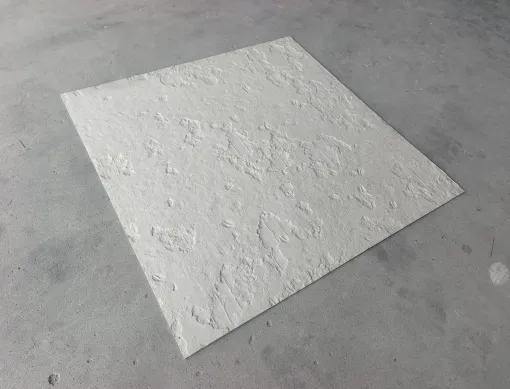
Bali stone cladding is just one star in a constellation of innovative materials changing home design. Take flexible stone, for example—a material so versatile, it's like the Swiss Army knife of wall finishes. Imagine wrapping a column in stone that looks like it was chiseled from a mountain, but weighs about as much as a thick blanket. Or covering an entire accent wall with large-format panels that have no visible seams, creating a seamless backdrop for your favorite art piece. That's the power of flexible stone, and it's a key part of what makes Bali stone cladding so adaptable.
Let's talk about size, too. Traditional stone tiles often come in small, repetitive squares, which can make a wall feel busy or outdated. But with big slab board options, you can cover large areas with fewer joints, giving your space a sleek, modern look. Picture a living room where one entire wall is clad in a single, massive panel of stone with subtle veining—like a window into a mountain landscape. It's bold, it's calm, and it instantly becomes the focal point of the room without screaming for attention.
And then there are the details—the little touches that turn a "nice" room into a "wow" room. Think wave panels that add movement to a otherwise flat wall, or starry green travertine that sparkles with tiny flecks of color when hit by light. These aren't just materials; they're design tools that let you play with light, shadow, and texture to create spaces that feel intentional.
Maybe you're thinking, "This sounds great, but where would I even put it?" The answer: more places than you might think. Bali stone cladding isn't just for fancy living rooms—it works in the spaces where life actually happens. Let's break it down by room.
| Room | How to Use Bali Stone Cladding | Why It Works |
|---|---|---|
| Living Room | Accent wall behind the sofa, or fireplace surround | Adds warmth to gatherings; the texture softens the harshness of TVs and electronics |
| Master Bedroom | Headboard wall in soft beige or warm gray | Creates a cozy, hotel-like vibe; the cool stone helps regulate temperature on hot nights |
| Bathroom | Shower walls or backsplash (yes, it's water-resistant!) | Adds spa-like luxury without the cost of marble; easy to clean mold and mildew off |
| Outdoor Patio | Walls around the seating area or outdoor kitchen | Stands up to rain, sun, and snow; brings the "vacation vibe" right to your backyard |
| Home Office | Small accent wall behind your desk | Adds texture without distraction; the natural look can help reduce stress during long workdays |
The best spaces aren't just about one material—they're about balance. Pair Bali stone cladding with warm wood tones (think a oak bookshelf next to a stone wall) to add coziness. Or contrast it with smooth, matte paint on adjacent walls to make the stone pop. For a bold look, layer in metallic accents, like brass light fixtures or a gold coffee table—the stone's earthiness will ground the shine, keeping it from feeling too flashy.
In a world where we're all trying to make more sustainable choices, the materials we bring into our homes matter. Bali stone cladding, especially when part of modified composite material lines, checks a lot of green boxes. First, it's often made from recycled or reclaimed materials, reducing the need to quarry new stone. Second, its lightweight nature means less energy is used during transportation—those big slabs you love? They're easier to ship and install, cutting down on carbon emissions.
And let's talk about longevity. How many times have you repainted a wall because the color faded or the paint chipped? With stone cladding, you're investing in a finish that will look as good in 10 years as it does today. No repainting, no replacing—just a wall that ages gracefully, developing a patina that makes it even more charming over time. It's the opposite of fast fashion for homes; it's slow design, and it's a trend we can all get behind.
Maybe you're sold on the idea, but you're wondering, "Is this something I can actually pull off?" The short answer: yes. Unlike traditional stone, which often requires professional masons and heavy-duty tools, modern Bali stone cladding is designed with DIYers and busy homeowners in mind. Many panels come with easy-to-follow installation guides, and because they're lightweight, you don't need a team of people to lift them. Of course, if you're tackling a large wall or a tricky space, hiring a pro is always an option—but the point is, it's accessible.
And let's not forget customization. Whether you want a wall that looks like it was plucked from a Balinese temple or something more understated, there are options. From warm, sandy beiges to moody grays with hints of blue, and from smooth, polished surfaces to rough, hand-chiseled textures, you can tailor the look to fit your home's personality. Some suppliers even offer custom sizes or edge treatments, so your wall can be as unique as your family.
At the end of the day, home design isn't just about aesthetics—it's about how a space makes you feel. A Bali stone wall cladding isn't just a pretty face; it's a wall that greets you when you walk in, that calms you after a long day, that becomes part of your family's story. It's the backdrop to birthday parties, to lazy Sundays, to quiet moments of reflection. And in a world that's always rushing, that's a powerful thing.
So whether you're building a new home, renovating a room, or just dreaming of a space that feels more "you," consider this: your walls don't have to be blank canvases. They can be landscapes. They can be memories. They can be Bali stone, in all its textured, flexible, earthy glory. Because home isn't just where the heart is—it's where the walls feel like they belong, too.
Recommend Products












