


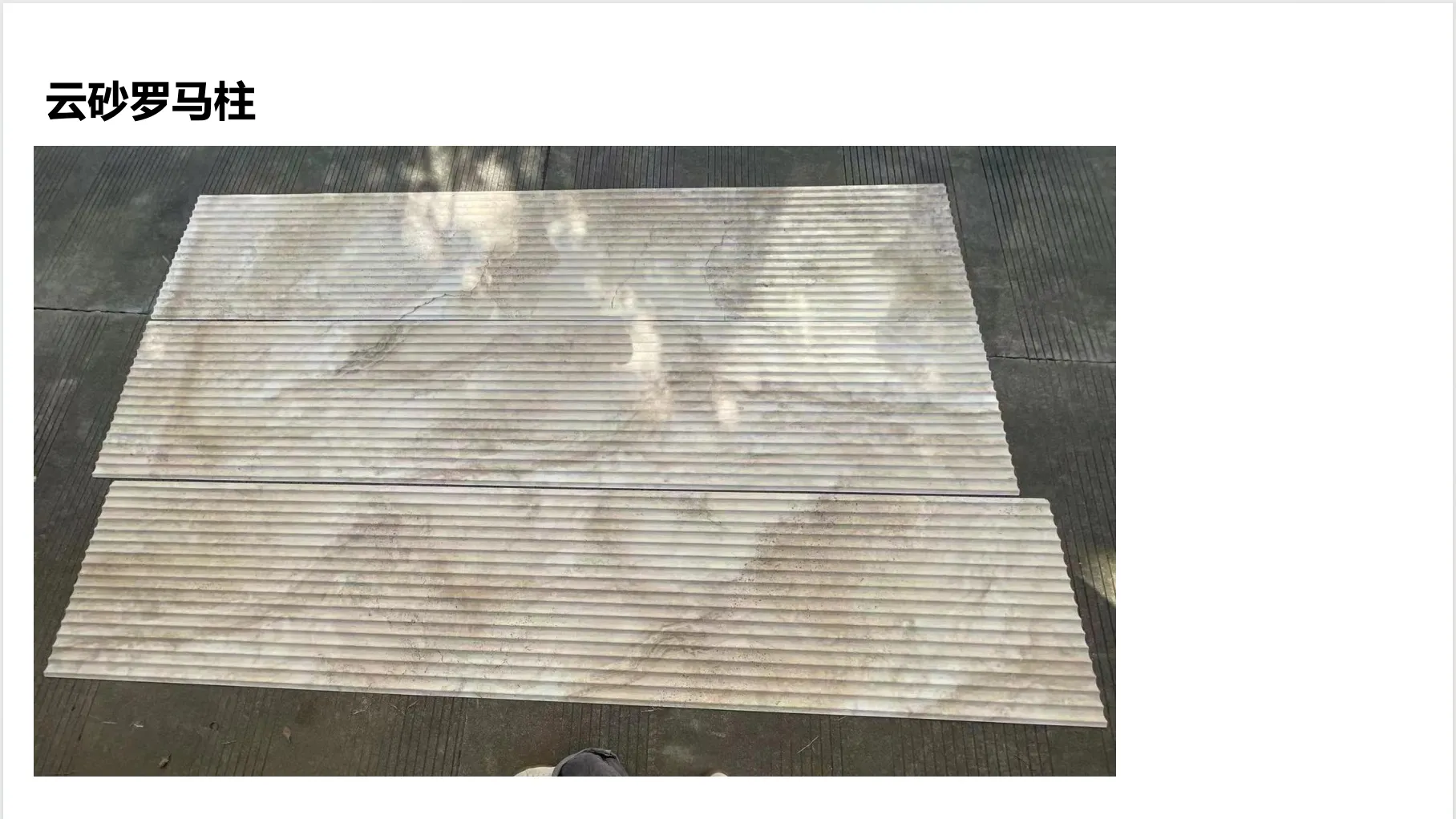
Natural marble, stone, and even traditional concrete have long been go-to materials for pillars, and it's easy to see why. Their timeless elegance—veined patterns, rich textures, and earthy tones—adds a sense of grandeur to any space. But beauty often comes with a price, and in the case of traditional materials, that price tag is heavy—literally and figuratively.
Take natural marble, for example. A single solid marble pillar can weigh hundreds, if not thousands, of pounds. This means structural engineers must overdesign building foundations to support the load, driving up construction costs. Installation is another headache: hoisting these behemoths into place requires specialized equipment and a team of experts, risking delays and accidents. And once installed, natural marble is surprisingly fragile. It scratches easily, stains from spills, and reacts poorly to moisture, requiring constant sealing and maintenance to keep its luster.
Traditional concrete pillars, while sturdier, lack the refined beauty of marble. They're often bulky, limiting design flexibility, and prone to cracking over time, especially in areas with temperature fluctuations. Even " fair-faced concrete ," celebrated for its raw, industrial aesthetic, can't match the organic charm of natural stone—and it still carries the weight penalty of conventional concrete.
Then there's the environmental cost. Quarrying natural marble and stone disrupts ecosystems, displaces wildlife, and contributes to carbon emissions from transportation. For architects aiming to build sustainably, these materials present a moral dilemma: choosing beauty over the planet, or vice versa.










