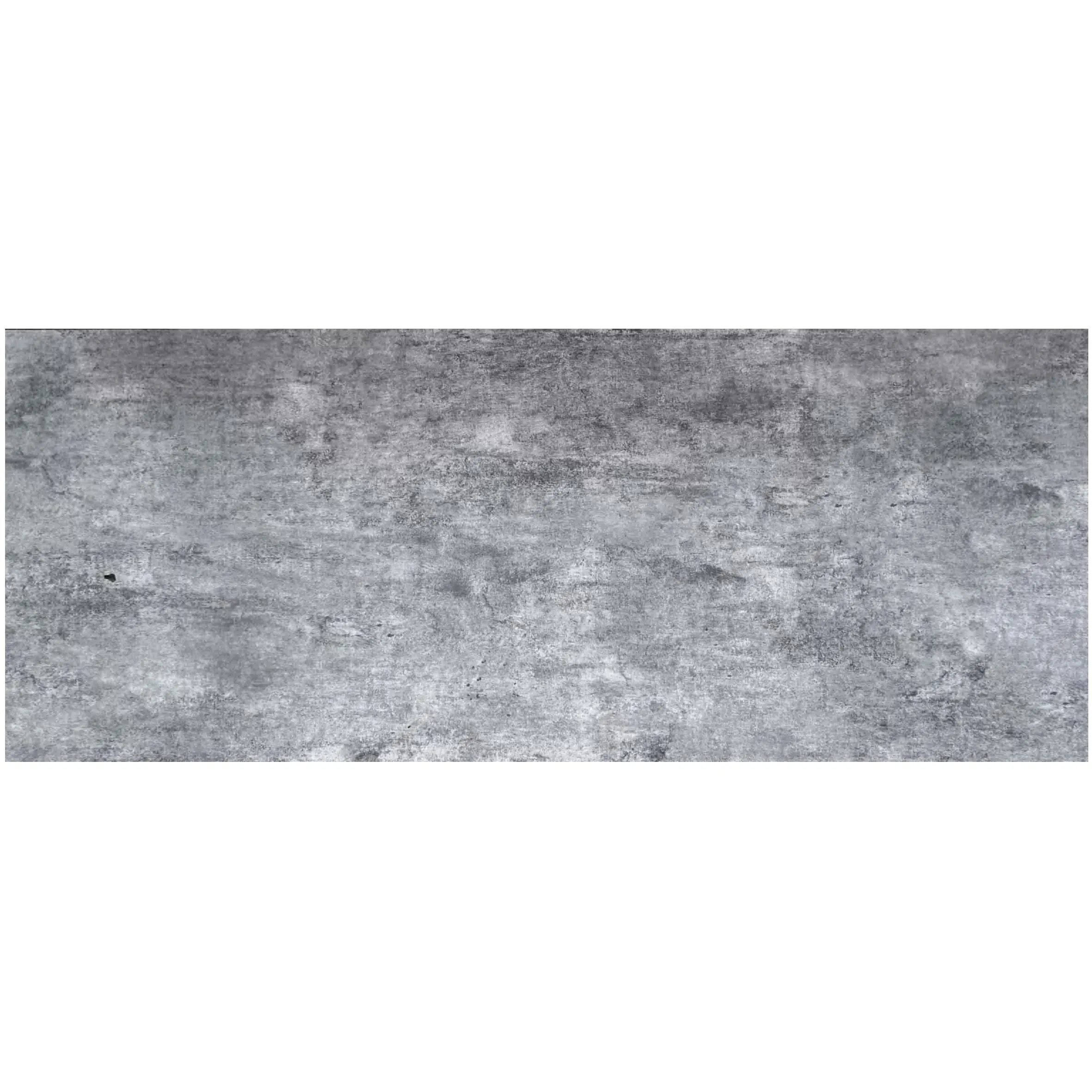
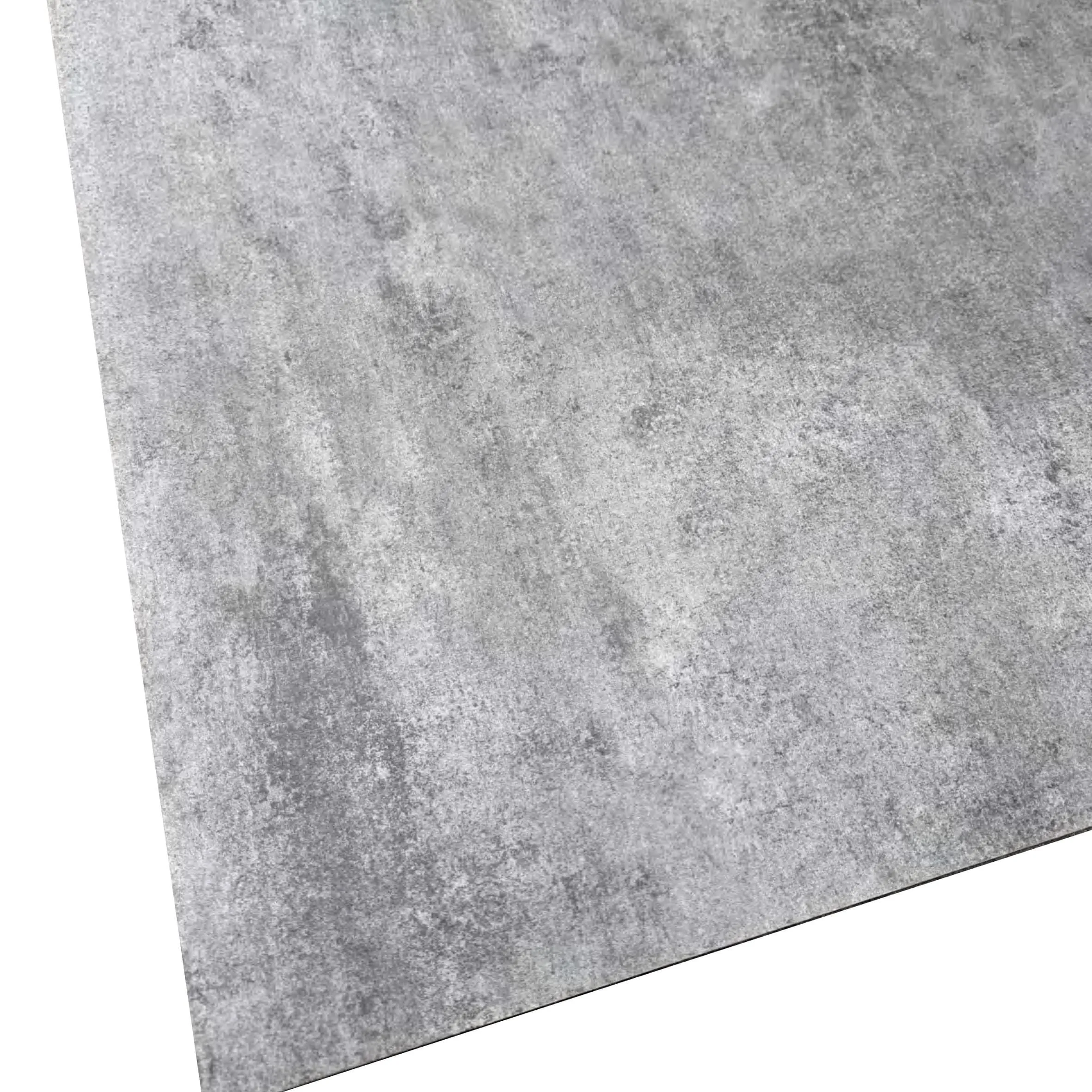
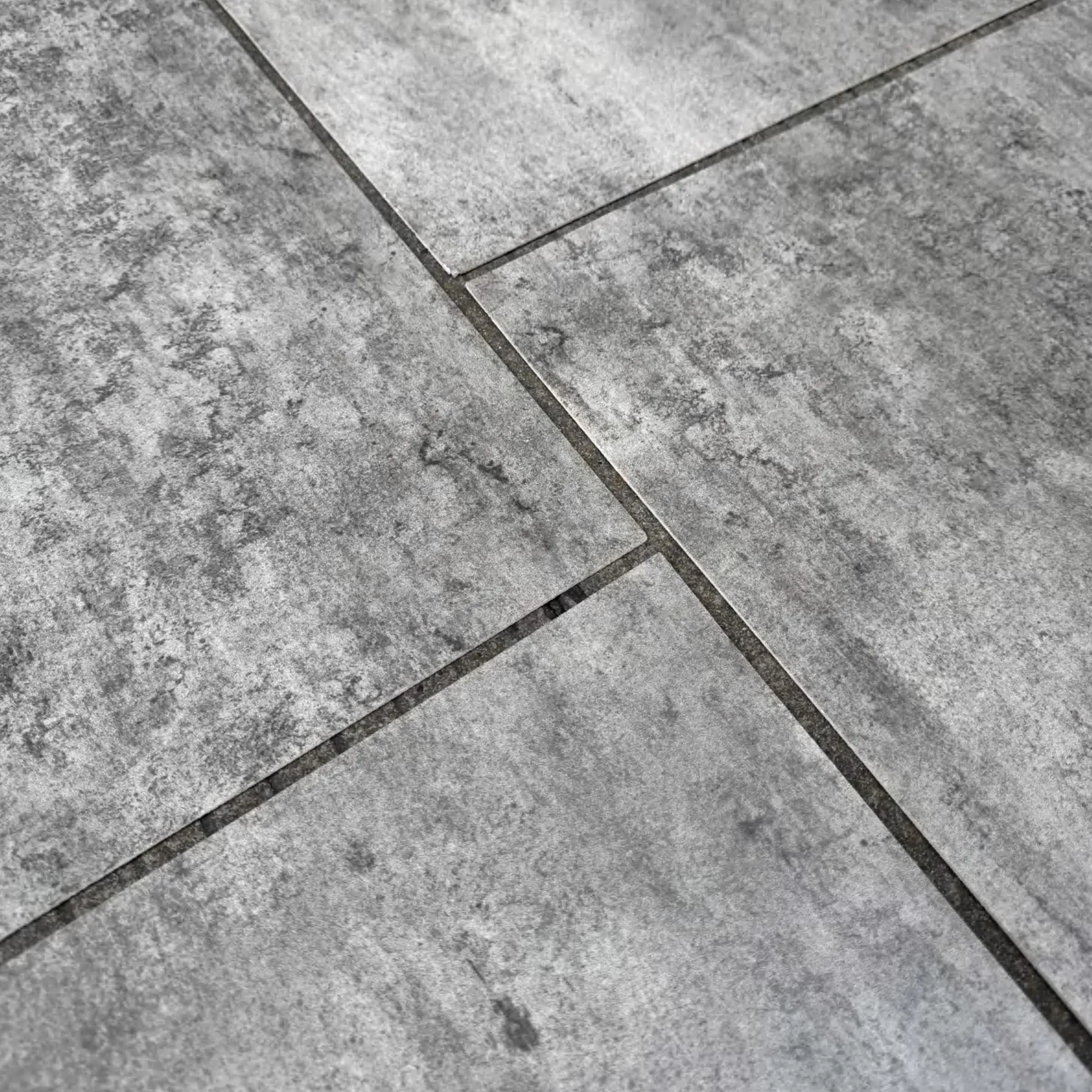
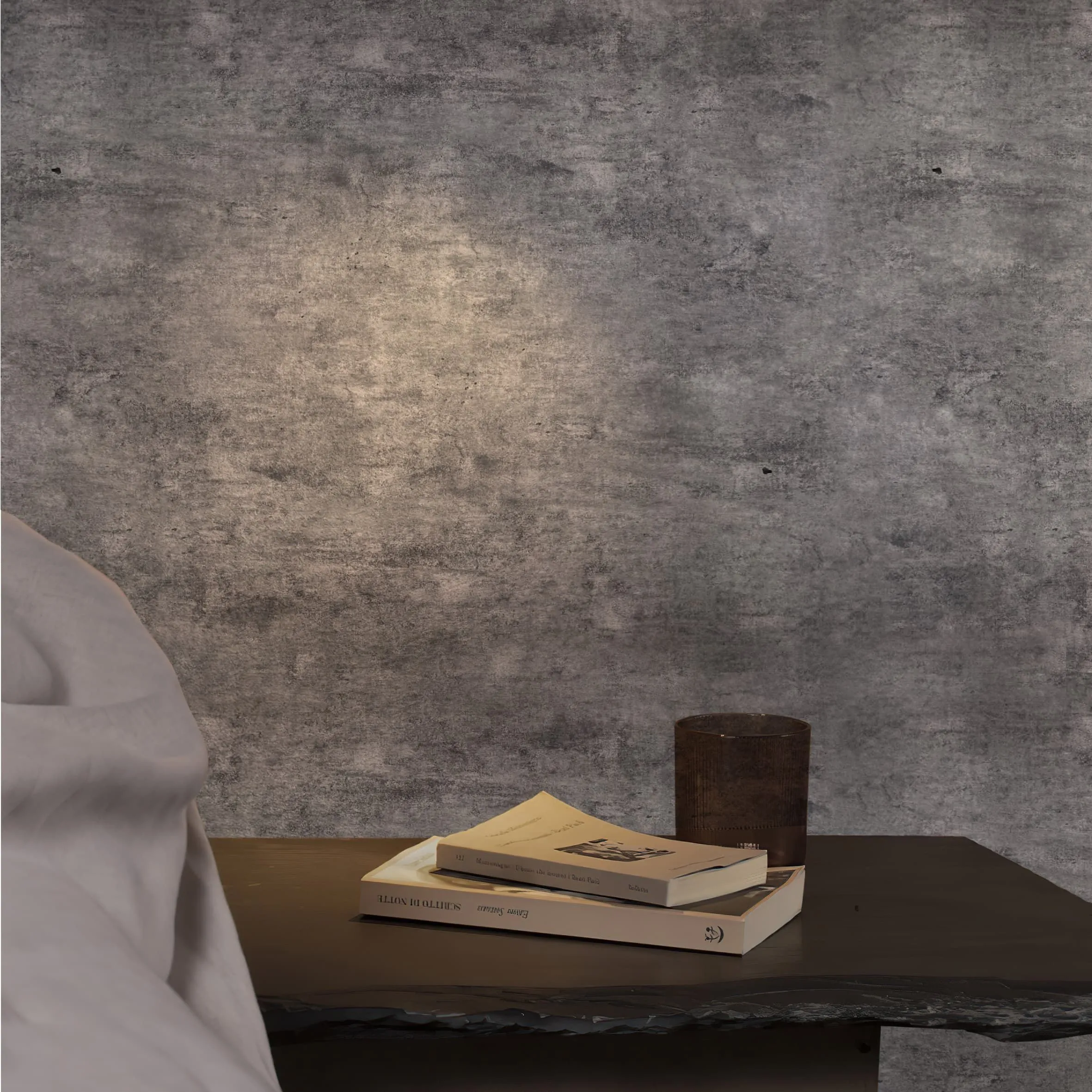
What makes MCPC a standout? Let's break down its superpowers—features that have architects and builders raving.
Durability That Stands the Test of Time
MCPC is built to last. Traditional concrete can chip, stain, or fade over years of foot traffic, but COLORIA MCM's modifiers create a dense, resilient surface that resists scratches, chemical spills, and even UV damage. In commercial spaces like airports or shopping malls, where thousands of people walk daily, MCPC floors maintain their integrity for decades with minimal maintenance. A quick sweep and occasional damp mop are often all it takes to keep them looking fresh—a far cry from the regular sealing and polishing required for natural stone or traditional polished concrete.
Flexibility: Concrete That Bends (Literally)
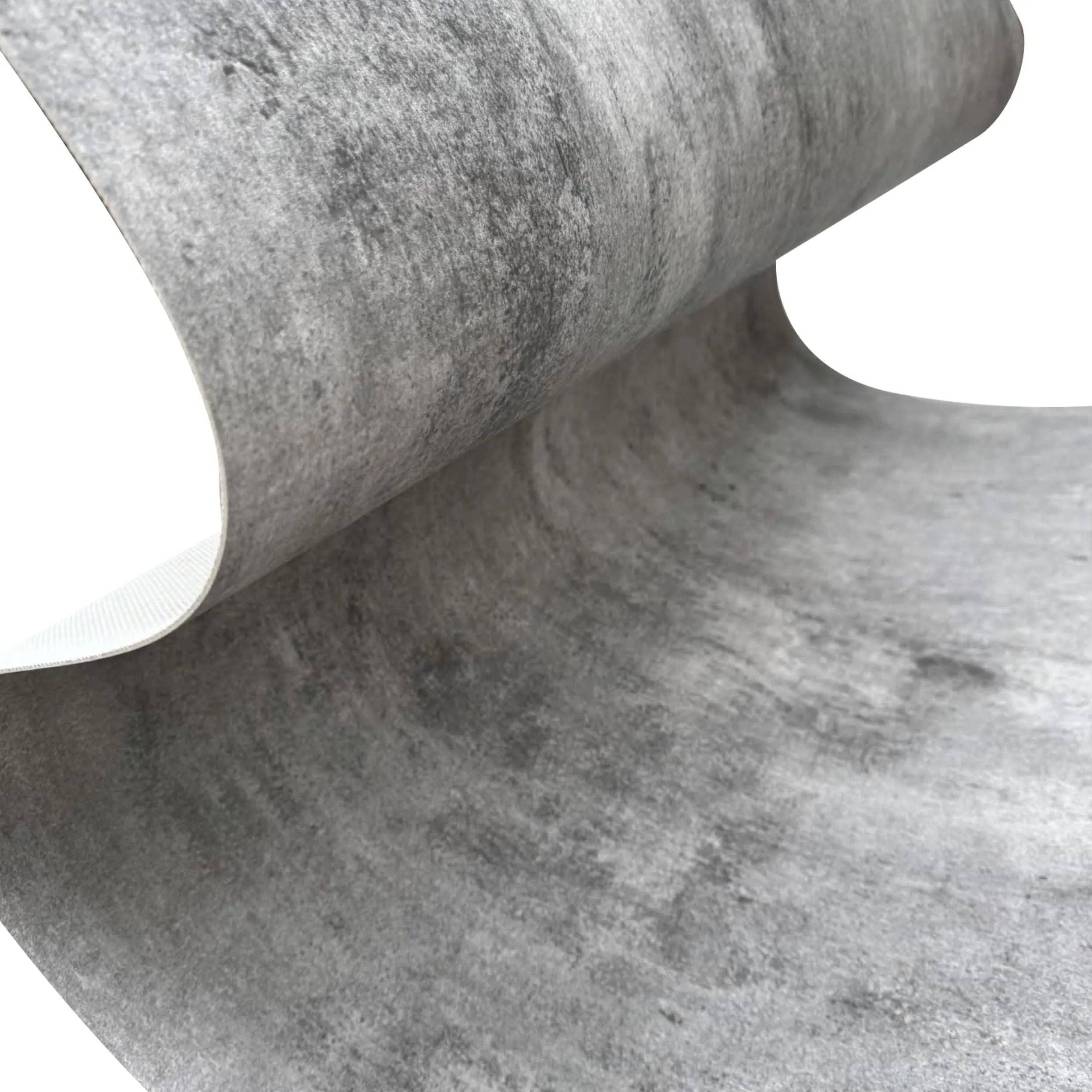
One of MCPC's most game-changing traits is its flexibility. Thanks to those microfiber additives, it can withstand minor shifts in the building's structure without cracking—perfect for older buildings or areas prone to subtle movements. This flexibility also means it can be applied to curved walls, rounded columns, or even ceiling panels, opening up design possibilities that rigid materials like marble or ceramic tiles can't match. It's no wonder COLORIA MCM often pairs MCPC with its
mcm flexible stone
line—together, they create seamless, flowing surfaces that feel more like art than architecture.
Aesthetic Versatility: Your Palette, Your Rules
Gone are the days of "concrete gray." MCPC comes in a spectrum of hues, from soft beiges and warm terracottas to bold charcoals and even metallic undertones. But color is just the start. The finish can range from the raw, exposed-aggregate look of fair-faced concrete to a high-gloss polish that mirrors light. Want texture? Add aggregates like crushed glass, river stone, or even recycled metal for a one-of-a-kind look. In a recent project, a boutique hotel used MCPC with embedded copper flecks to create a "starry night" floor in their lobby—proof that MCPC isn't just a surface, it's a storytelling tool.
Sustainability: Building Green Without Compromise
In an era where sustainability is non-negotiable, MCPC shines as a
green building material
. COLORIA MCM sources up to 30% of its aggregates from recycled materials—crushed concrete from demolished sites, glass from bottles, even industrial byproducts like fly ash. This not only reduces waste but also lowers the carbon footprint of production. The low-VOC modifiers mean MCPC releases fewer harmful chemicals into the air, improving indoor air quality. And because it's so durable, MCPC surfaces need fewer replacements over time, cutting down on long-term waste. It's a material that lets builders check the "sustainable" box without sacrificing performance or style.
|
Feature
|
Traditional Concrete
|
Polished Concrete
|
COLORIA MCM MCPC
|
|
Durability
|
Prone to cracking; stains easily
|
Harder surface but still rigid
|
Resistant to scratches, stains, and cracking
|
|
Flexibility
|
Rigid; cannot bend
|
Slightly more resilient but still limited
|
Flexible; ideal for curved surfaces
|
|
Aesthetic Options
|
Limited to gray; few textures
|
Basic colors; high-gloss finish
|
Wide color range, textures, and aggregate mixes
|
|
Sustainability
|
High carbon footprint; minimal recycled content
|
Similar to traditional concrete
|
30% recycled aggregates; low-VOC modifiers
|