
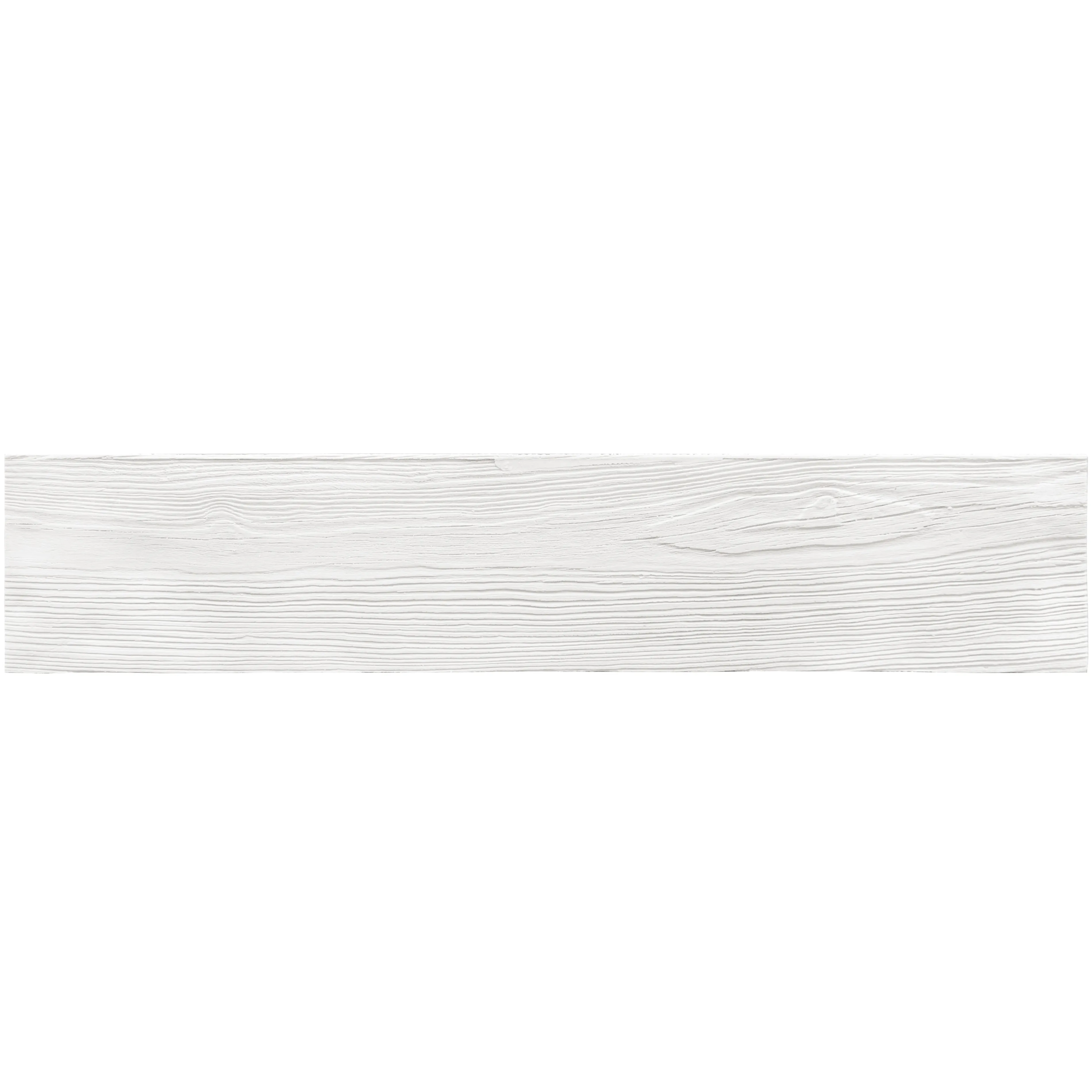
Walk into any modern home or boutique café these days, and you'll likely notice a trend: designers are craving the warmth of natural materials, but not at the cost of durability or sustainability. Real wood has long been a favorite for its organic texture and timeless appeal, but let's be honest—its can be a dealbreaker. Warping in humid climates, scratches from daily use, and the constant battle against pests and rot? It's enough to make even the most dedicated wood lover sigh. That's where modified cementitious white wood panels step in. These panels aren't just a building material; they're a love letter to craftsmanship, blending the best of nature with cutting-edge engineering. Think of them as real wood's smarter, tougher cousin—same cozy vibe, but built to thrive in the chaos of real life.
At their core, these panels are part of the broader family of modified composite material panels, a category that's redefining what we expect from construction materials. They look like freshly sanded white wood, feel like it too, but under the surface, there's a world of innovation keeping them strong, flexible, and ready for whatever life throws at them. So how do you turn a mix of fibers, binders, and additives into something that feels so… alive? Let's pull back the curtain and explore the journey from raw ingredients to the stunning panels that are transforming walls, ceilings, and even furniture around the world.
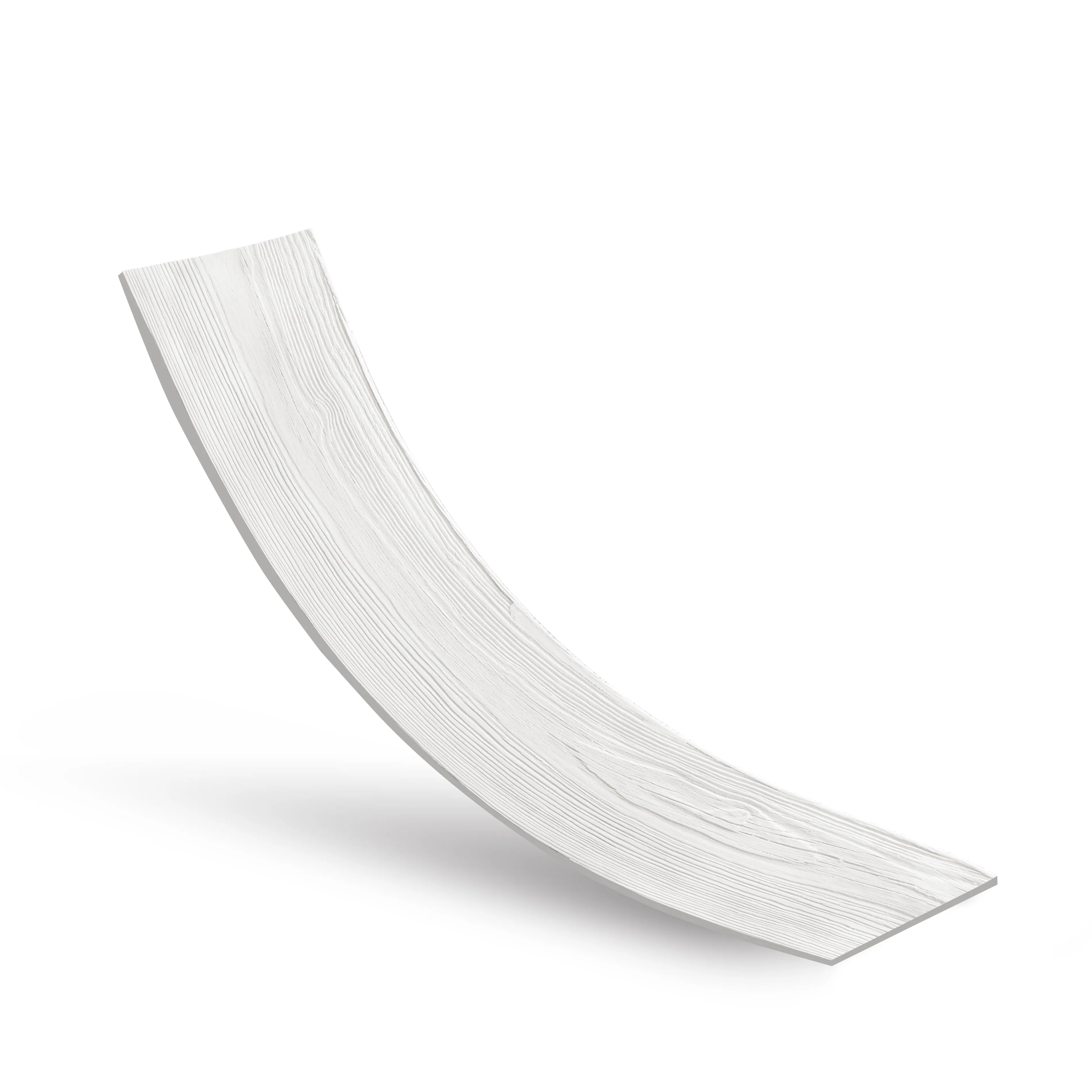
Every great creation starts with great ingredients, and modified cementitious white wood panels are no exception. Unlike traditional wood panels, which rely solely on timber, these panels are a carefully balanced blend of materials, each chosen for a specific role. Let's break down the star players:
Wood Fibers: The heart and soul of the panel's aesthetic. These aren't just any wood scraps—manufacturers source sustainable, recycled wood fibers (think sawdust from furniture workshops or responsibly harvested softwoods) to mimic the natural grain and texture of real wood. It's a nod to sustainability, too: by repurposing waste, we reduce the need for fresh logging.
Cementitious Binders: The "glue" that holds everything together. These aren't your average cement—they're modified to be lighter and more flexible, thanks to additives that prevent brittleness. Think of them as the backbone, providing strength without weighing the panel down.
Additives for Flexibility: Here's where the "modified" in modified composite material panels really shines. Ingredients like polymers or microfibers are mixed in to give the panels a little give, making them resistant to cracking when nailed or screwed into place. No more worrying about panels splitting during installation!
White Pigments: To achieve that crisp, clean "white wood" look, mineral-based white pigments are added. These pigments are fade-resistant, ensuring the panels stay bright even after years of sunlight exposure.
Together, these materials create a synergy: the wood fibers bring warmth, the binders add strength, the additives boost flexibility, and the pigments deliver that signature white finish. It's like baking a cake—each ingredient has a job, and if you get the ratios right, the result is magic.
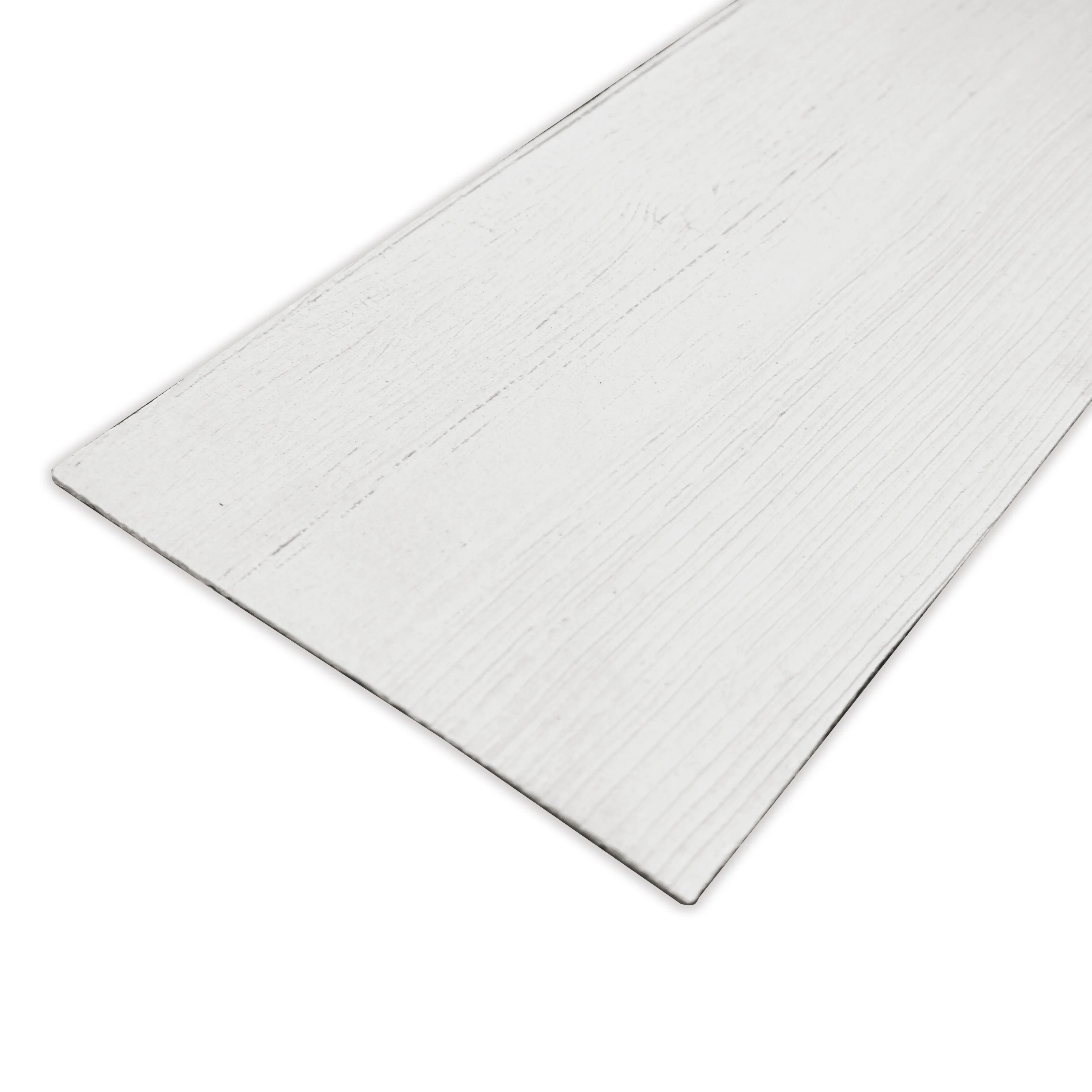
Creating modified cementitious white wood panels is equal parts science and art. It's a process that demands precision, but also a keen eye for detail to ensure the final product looks and feels as natural as possible. Let's walk through each step, from mixing to finishing:
First, the raw materials are measured and mixed in giant, slow-turning drums. The wood fibers are sifted to remove any large chunks, ensuring a smooth texture. Then, the cementitious binders, additives, and pigments are added, along with a controlled amount of water. The mixture is stirred until it reaches a dough-like consistency—too dry, and it won't bind; too wet, and the panel might warp during curing. Experienced operators monitor the mix closely, relying on both sensors and their own judgment to get it just right.
Once the mixture is ready, it's time to shape it. The wet mix is poured into molds designed to mimic the size and thickness of standard panels (think 4x8 feet, or custom sizes for special projects). Here's where the wood grain magic happens: the molds are textured with patterns that replicate the look of real wood grain—knots, swirls, and all. Some manufacturers even use 3D-printed molds to create ultra-realistic textures, ensuring no two panels look exactly alike, just like nature intended.
After pouring, the molds are pressed under high pressure to squeeze out excess water and compact the mixture. This step is crucial for density: a well-pressed panel is stronger and less porous, making it resistant to moisture.
Now, the panels need time to set. They're moved to curing chambers—humid, temperature-controlled rooms that allow the cementitious binders to harden gradually. Rushing this step would lead to weak panels, so manufacturers let them cure for several days. It's a lesson in patience: good things take time.
Once cured, the panels are dried in low-heat ovens to remove any remaining moisture. This prevents warping later on—imagine leaving a wet sponge out to dry; if it dries unevenly, it curls. The same logic applies here: slow, even drying ensures flat, stable panels.
Now comes the final touch: making the panels feel as good as they look. After drying, the panels are sanded lightly to smooth out any rough edges and enhance the wood grain texture. Some manufacturers add a thin, clear sealant to boost water resistance—think of it as a protective coat that keeps spills and humidity at bay without dulling the finish.
For the wood grain board effect, specialized tools might etch deeper grooves into the surface, mimicking the look of planks that have been planed by hand. It's these small details that make the panels so convincing—run your hand over one, and you'll swear it's real wood.
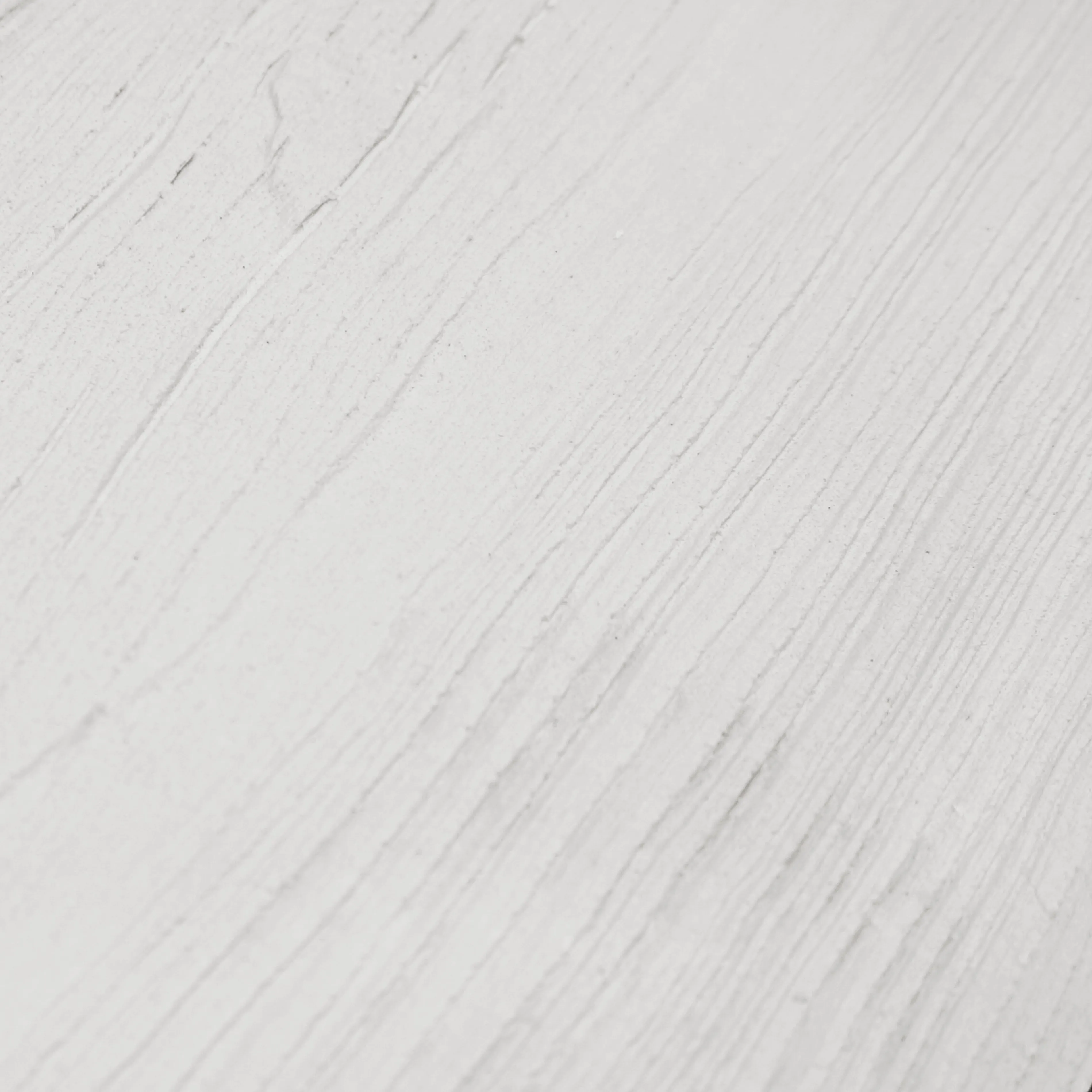
Manufacturing isn't just about making panels—it's about making great panels. That's why quality control is woven into every step of the process. Before a single panel leaves the factory, it undergoes a series of tests to ensure it meets strict standards:
Strength Testing: Panels are subjected to pressure tests to check for bending resistance. A good panel should flex slightly but snap back into shape, not crack.
Water Resistance: Samples are submerged in water for 24 hours. If they swell by more than 5%, they're rejected. This ensures the panels can handle damp basements or coastal homes without warping.
Fire Resistance: Unlike real wood, which burns easily, these panels are tested for fire retardancy. They should resist ignition and slow the spread of flames, making them a safer choice for homes and commercial spaces.
Color Consistency: Inspectors check panels under natural light to ensure the white pigment is evenly distributed. No streaks, no blotches—just a uniform, bright finish.
It's a rigorous process, but it's what gives builders and homeowners peace of mind. When you install a modified cementitious white wood panel, you're not just hanging a wall covering—you're investing in something built to last.
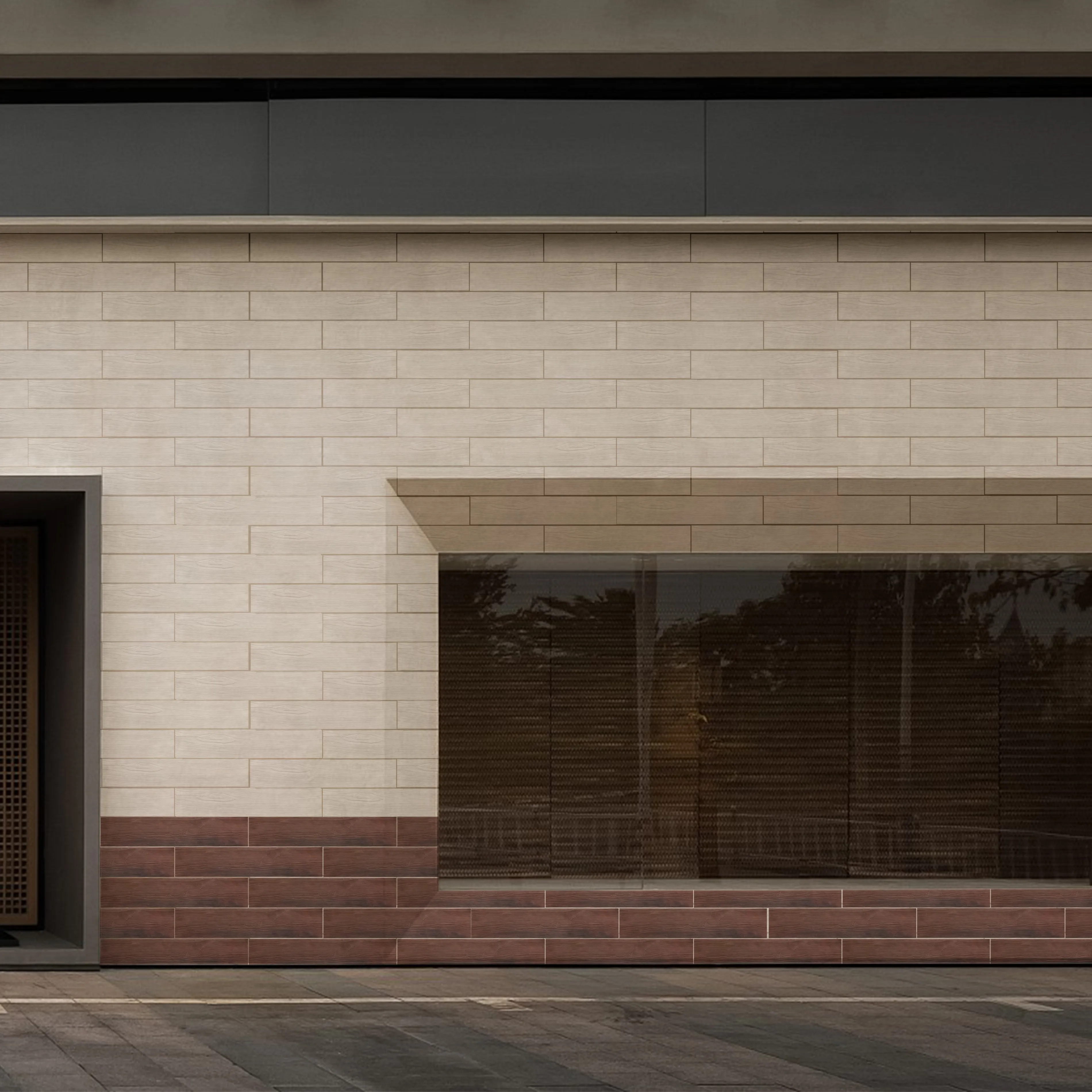
Curious how these panels stack up against the real thing? Let's put them head to head in a quick comparison:
| Feature | Traditional Wood Panels | Modified Cementitious White Wood Panels |
|---|---|---|
| Durability | Prone to warping, rot, and pests | Resistant to moisture, rot, and pests |
| Maintenance | Requires regular sealing, sanding, and painting | Wipe clean with a damp cloth; no sealing needed |
| Sustainability | Relies on fresh timber (may contribute to deforestation) | Uses recycled wood fibers; reduces waste |
| Cost | Lower upfront cost, but higher long-term maintenance | Slightly higher upfront cost, but lower maintenance over time |
| Aesthetic Appeal | Authentic wood grain, but limited color options | Realistic wood grain texture with a crisp white finish |
The verdict? Traditional wood has its charm, but modified cementitious white wood panels offer a smarter, more sustainable alternative for modern living. They're the kind of material that lets you have your cake and eat it too—warmth without worry.
One of the best things about modified cementitious white wood panels is their versatility. They're not just for walls—they can transform almost any space, indoors or out. Here are a few of our favorite uses:
Residential Interiors: Imagine a bedroom accent wall with crisp white wood panels, paired with soft linen bedding and natural light—it's serene, modern, and easy to clean. Or a kitchen backsplash that looks like subway tile but has the warmth of wood. These panels add texture without overwhelming a space.
Commercial Spaces: Cafés, boutiques, and offices love these panels for their durability and style. A coffee shop with white wood panel ceilings feels cozy but stays looking fresh, even with daily foot traffic and steam from espresso machines.
Exterior Cladding: Thanks to their water resistance, these panels work outdoors too. Think a home's exterior siding that stays bright white year-round, or a patio ceiling that won't warp in the rain.
Furniture: Crafty DIYers and designers are using these panels to build tables, shelves, and even headboards. They're lightweight enough to work with but strong enough to hold books or decor.
No matter where they're used, these panels bring a sense of calm and warmth. They're a blank canvas for creativity—dress them up with paint (though they rarely need it) or leave them white for a minimalist vibe.
At this point, you might be wondering: What makes these panels worth the investment? Let's count the ways:
Durability That Lasts: No more replacing warped panels after a humid summer or dealing with termite damage. These panels are built to stand the test of time, even in harsh environments.
Sustainability at Its Core: By using recycled wood fibers and reducing reliance on fresh timber, these panels are a greener choice. They're also low-VOC, meaning they don't off-gas harmful chemicals into your home.
Low Maintenance, High Reward: Real wood requires yearly sealing and sanding to stay looking good. These panels? Just wipe them down with a damp cloth. It's perfect for busy families or anyone who'd rather spend weekends relaxing than maintaining their home.
Design Flexibility: Whether you're going for modern minimalist, coastal chic, or rustic charm, these panels fit the bill. Their neutral white tone pairs with any color palette, and the wood grain texture adds depth without clutter.
In short, these panels solve the biggest pain points of traditional wood—without sacrificing beauty. They're a material that works with your lifestyle, not against it.
Modified cementitious white wood panels are more than just a building material—they're a symbol of how innovation can honor tradition. They take the warmth and beauty of wood, pair it with the durability of modern composites, and wrap it all up in a sustainable, low-maintenance package. Whether you're building a new home, renovating a space, or just dreaming of a fresh look, these panels offer a way to bring nature indoors without the hassle.
As we continue to seek materials that are both beautiful and responsible, modified composite material panels like these will only grow in popularity. They're a reminder that great design doesn't have to compromise—we can have the best of both worlds: the look we love, and the performance we need.
So the next time you walk into a space with stunning white wood walls, take a closer look. Chances are, it's not real wood at all—but a masterpiece of modern manufacturing, crafted with care to make your world a little warmer, a little stronger, and a lot more beautiful.
Recommend Products












