
Let's start with a scenario we've all either lived through or heard about: You invest in a beautiful solid wood deck for your backyard. The warm, natural grain catches the sunlight, and you picture summer barbecues, morning coffee, and lazy afternoons with friends. But then the first rainy season hits. A few months later, you notice the boards are warping. By winter, there's mold creeping between the slats. By next year, you're shelling out hundreds to replace rotting sections. Sound familiar? Moisture is the silent enemy of solid wood, and it's time we talked about a material that's changing the game: poly wood board.
Solid wood is timeless, we get it. There's a reason it's been used for centuries—its beauty, versatility, and that cozy, organic feel. But here's the hard truth: wood is porous. Think of it like a sponge. When it rains, when humidity spikes, or when you spill a drink, that wood soaks up moisture like a thirsty plant. At first, it might just swell a little. But over time, that moisture leads to bigger issues.
Real-Life Trouble: Take Sarah, a homeowner in Portland, Oregon, who installed solid oak bathroom vanity tops. The Pacific Northwest's constant dampness seeped into the wood, even with regular sealing. Within a year, the edges started to warp, and black mold appeared around the sink. "I thought sealing it every six months would work," she says. "But it was like trying to plug a leak with a Band-Aid. The wood just kept absorbing water, no matter what I did."
Solid wood's Achilles' heel is its cellular structure. Those tiny pores that give wood its unique grain? They're also highways for moisture. When wood absorbs water, it expands; when it dries out, it contracts. This cycle of swelling and shrinking weakens the wood over time, creating cracks and splits. Add in mold, mildew, and even wood-boring insects attracted to damp environments, and you've got a recipe for expensive, ongoing maintenance.
And it's not just outdoor spaces. Indoor areas like bathrooms, kitchens, and basements are equally risky. Even "water-resistant" woods like teak or cedar eventually succumb to prolonged moisture exposure. The bottom line? Solid wood and moisture are incompatible long-term. So what's the alternative?
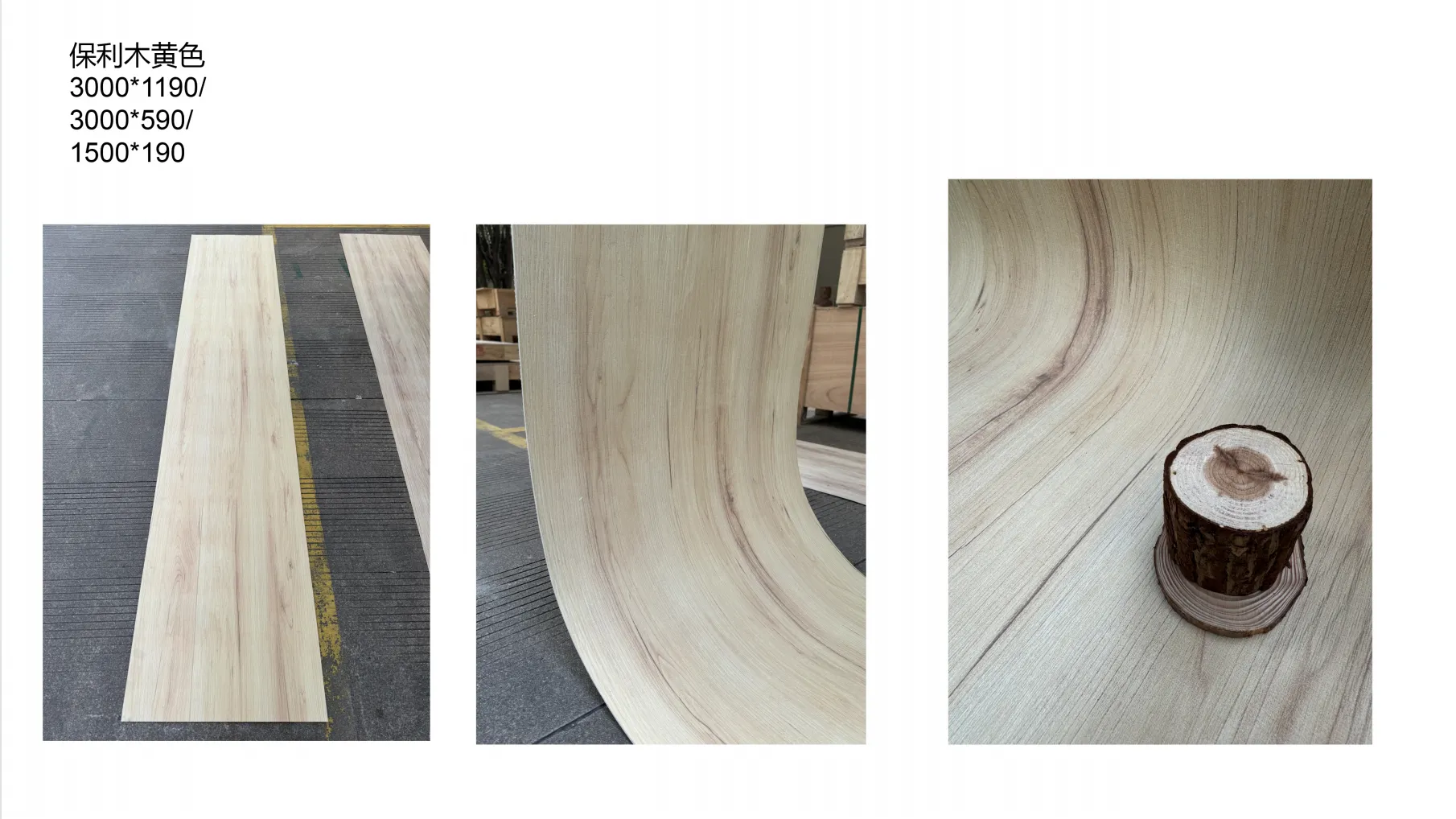
Poly wood board (sometimes called "polywood") isn't your average material. It's a blend of recycled plastics and wood fibers, engineered to mimic the look and feel of real wood—without the porous (weakness). Imagine taking the best parts of wood (the aesthetics) and stripping away the parts that fail (the porosity). That's poly wood in a nutshell.
Here's how it works: During manufacturing, plastic resins (often from recycled bottles and containers) are mixed with wood fibers, heated, and molded into boards. The result? A material that's dense, non-porous, and impervious to water. Unlike solid wood, poly wood doesn't have those tiny pores to trap moisture. Spill a glass of lemonade on a poly wood table? Wipe it up, and no liquid soaks in. Leave a poly wood chair out in the rain for a week? It'll dry off without a single warp or crack.
But don't just take our word for it. Let's look at the science. Poly wood's plastic component creates a barrier that repels water, while the wood fibers add structural strength and that classic wood-like texture. It's a marriage of durability and design that solid wood can't compete with.
So, poly wood resists moisture—great. But how does that translate to real-world use? Let's break it down:
You might be thinking, "Okay, poly wood sounds good, but what about other materials? What about wood concrete board? Or charcoal burnt wood board? Isn't travertine a natural stone that resists moisture?" Let's compare.
| Material | Moisture Resistance | Durability | Maintenance | Best For |
|---|---|---|---|---|
| Solid Wood | Low (porous, absorbs water) | 5-10 years (outdoor); 10-15 years (indoor with care) | High (seal every 6-12 months, sanding, staining) | Indoor decor, low-moisture areas (e.g., living room shelves) |
| Poly Wood Board | High (non-porous, repels water) | 25+ years (outdoor); 30+ years (indoor) | Low (hose off, occasional soap and water) | Decks, outdoor furniture, bathroom vanities, kitchen islands |
| Wood Concrete Board | Medium (dense but can absorb minor moisture) | 15-20 years (outdoor) | Medium (seal every 2-3 years) | Walls, floors, low-traffic outdoor areas |
| Charcoal Burnt Wood Board | Medium-High (heat-treated to reduce porosity) | 10-15 years (outdoor) | Medium (seal every 1-2 years) | Accent walls, decorative panels, indoor furniture |
| Travertine (Natural Stone) | Medium (porous, needs sealing) | 20+ years (with sealing) | High (seal every 1-2 years, avoid acidic cleaners) | Floors, countertops (low-moisture indoor areas) |
The table says it all: poly wood board outperforms solid wood in every category that matters for moisture-prone spaces. Even compared to wood concrete or charcoal burnt wood (which are better than solid wood), poly wood requires less maintenance and lasts longer. And while travertine is beautiful, its porosity means it still needs regular sealing—something poly wood skips entirely.
Moisture resistance is the star here, but poly wood has other tricks up its sleeve. For starters, it's eco-friendly. Most poly wood boards are made from recycled plastics (think milk jugs and soda bottles) and wood fibers, keeping waste out of landfills. It's also low-maintenance. Forget sanding, staining, or sealing—just hose it off with water, and it looks as good as new.
Cost-Savings Over Time: Let's do the math. A solid wood deck costs around $30-$45 per square foot, plus $100-$200 annually for sealing and repairs. A poly wood deck costs $40-$60 per square foot upfront, but zero maintenance costs. Over 10 years, the solid wood deck ends up costing more —and you'll probably need to replace parts of it. Poly wood? It'll still be going strong.
And let's not forget style. Poly wood comes in a range of colors and finishes, from warm oak to rich walnut to sleek gray. It mimics the look of real wood so well that guests often do a double-take when you tell them it's not solid wood. "I was worried it would look cheap, like plastic patio furniture," says Mike, who replaced his rotting cedar deck with poly wood last year. "But it looks just like wood—better, actually, because it doesn't have the knots or splits that my old deck had."
Poly wood isn't just for deck builders. It's for anyone tired of fighting moisture damage. If you live in a humid climate, own outdoor furniture, have a bathroom with poor ventilation, or just want materials that last, poly wood is for you. It's perfect for:
Solid wood will always have a place in design—for heirloom furniture, for accent walls, for spaces where moisture is never an issue. But when it comes to areas where water, humidity, or dampness are part of daily life, poly wood board is the clear winner. It's not just a material; it's a solution to the age-old problem of moisture and wood.
So the next time you're planning a home project, ask yourself: Do I want to spend the next decade maintaining, repairing, and replacing wood? Or do I want to invest in something that'll look great, last decades, and let you actually enjoy your space—without the stress? For Sarah, Mike, and thousands of others, the answer was poly wood. And once you make the switch, you'll wonder why you ever put up with solid wood's moisture problems in the first place.
Recommend Products












