
A journey through textures, traditions, and the magic of MCM materials
Imagine stepping into a space where the warmth of Moroccan sun meets the precision of modern design—where every wall, every surface, tells a story of heritage reimagined. That's the promise of the COLORIA project, a labor of love that brought Morocco's vibrant architectural soul to life using MCM's innovative building materials. Over six months, a team of designers, artisans, and engineers collaborated to craft a space that isn't just a structure, but a living tapestry of textures. Today, we're pulling back the curtain on the timeline, the challenges, and the stunning results that make COLORIA a testament to what happens when vision meets the right materials.
It all started with a question: How do we honor Morocco's centuries-old craftsmanship while embracing the durability and flexibility of modern materials? The client, a luxury hospitality group, wanted to build a boutique resort in Marrakech that felt both authentic and avant-garde—a place where guests could wander through courtyards that echoed the medinas of Fez, yet relax in lobbies that shimmered with contemporary elegance. Enter the COLORIA team, fresh off a research trip to Morocco, sketchbooks filled with patterns from zellige tiles, the rough grain of Atlas Mountains stone, and the soft glow of desert sunsets.
In the first month, the vision took shape. The design lead, Amina, recalls flipping through photos of her grandmother's riad in Rabat: "The walls were thick, built from hand-cut stone, but the floors? They had these mosaic tiles that my grandfather had laid himself, each piece chipped to fit like a puzzle. I wanted that same mix of
By Month 2, the design phase kicked into high gear. The team set up a makeshift studio in a Marrakech riad, collaborating with local artisans to translate Moroccan motifs into digital renderings. "We'd sketch a pattern inspired by a zellige tile from Chefchaouen, then overlay it with 3D models of MCM panels to see how light would hit them at different times of day," says Carlos, the 3D designer. "It was a dance between old and new—we didn't want to copy Morocco; we wanted to channel it."
One breakthrough came when the team stumbled upon
By Month 3, the design was finalized: a mix of vertical gardens, open-air courtyards, and indoor spaces where each material had a role to play. The team presented the client with mood boards featuring swatches of
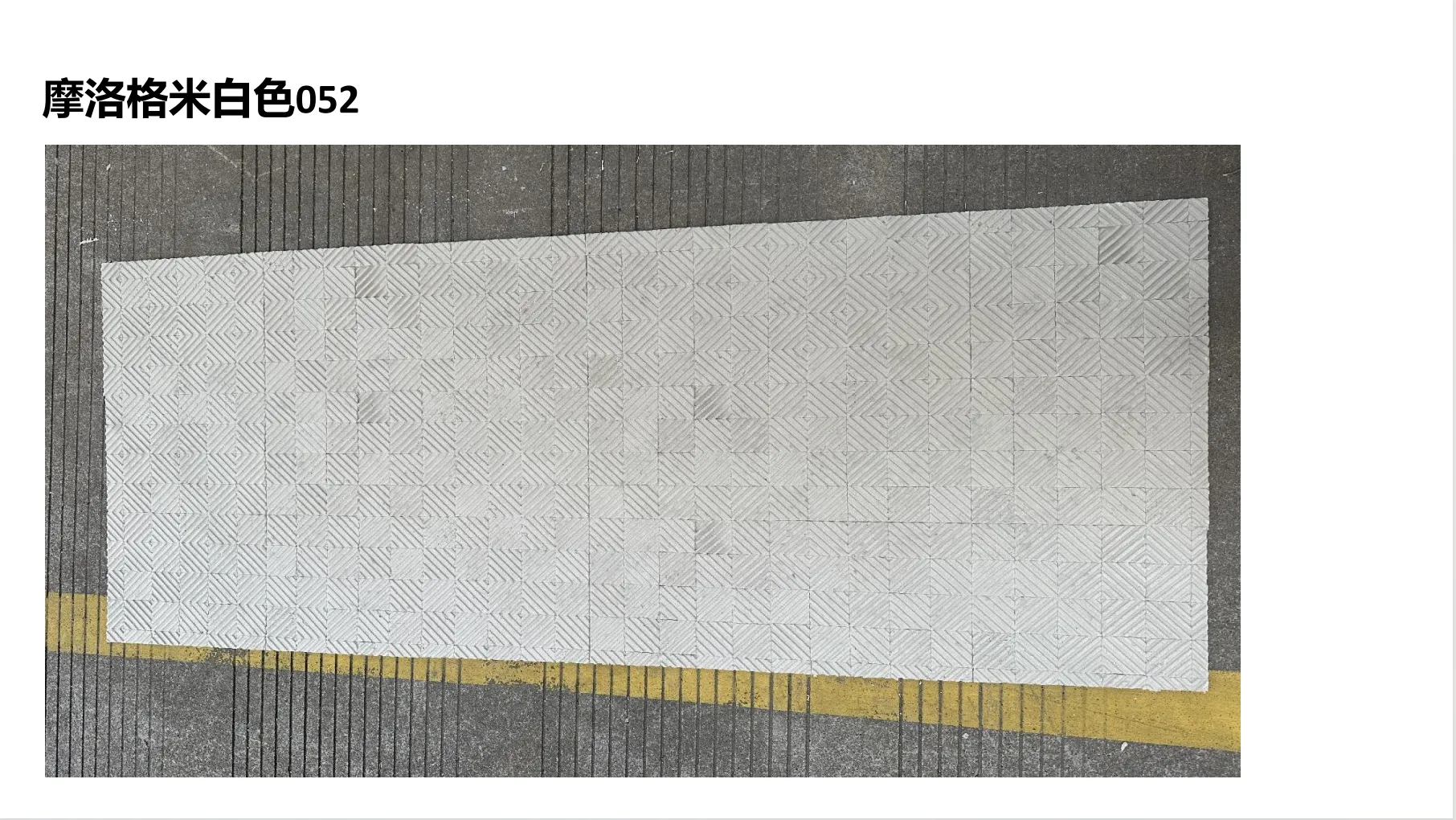
If design is the soul of a project, materials are its heartbeat. For COLORIA, choosing the right ones was make-or-break. The team spent Month 4 sourcing, testing, and falling in love with five standout materials that would define the space:
| Phase | Timeline | Key Activities | Materials Tested/Selected |
|---|---|---|---|
| Vision & Concept | Week 1–4 | Client meetings, Morocco research trip, mood board creation | Initial swatches: rust mosaic stone, MCM flexible stone samples |
| Design Finalization | Weeks 5–8 | 3D modeling, artisan collaborations, client approval | Travertine (starry blue), foamed aluminium alloy (vintage gold) |
| Material Sourcing | Weeks 9–12 | Factory visits, durability testing (heat, moisture resistance) | MCM big slab board series, final rust mosaic stone batches |
| Installation | Weeks 13–20 | Site prep, artisan training, phased installation (lobby first) | All materials: flexible stone, starry blue travertine, vintage gold alloy |
| Finishing & Launch | Weeks 21–24 | Quality checks, landscaping, soft opening | Final tweaks: sealing travertine, polishing alloy accents |
Installing the materials was where the project truly came alive—and where the team faced its biggest challenges. "Marrakech's climate is unforgiving," Jamal admits. "Temperatures swing from 40°C during the day to 15°C at night, and sand gets everywhere. We had to make sure the
The solution? Partnering with local craftsmen. "These guys have been building in the desert for generations," Amina says. "They taught us tricks—like applying a thin layer of local lime mortar under the MCM big slabs to help them 'breathe' with the temperature changes. And when we were struggling to align the
By Month 5, the lobby was taking shape. The
The final hurdle? The domed restaurant ceiling, lined with
In late spring, COLORIA opened its doors—and the response was overwhelming. Guests raved about the "sensory experience" of the space: the way the
But the real win was the impact on the local community. The project hired over 30 Moroccan artisans, many of whom had never worked with MCM materials before. "Hassan, the mosaic craftsman, now teaches a workshop on integrating traditional patterns with modern materials," Amina says proudly. "He tells me his students are calling it 'the COLORIA method.'"
Photographs of the space—dubbed "Morocco Real Photos"—went viral, with designers and architects from Dubai to Paris asking about the materials. "People keep asking, 'How did you get that stone to bend like that?'" Jamal laughs. "I tell them: it's not the stone—it's MCM.
Six months after opening, COLORIA isn't just a resort—it's a case study in how materials can bridge the gap between past and present. The team is already working on a follow-up project in Chefchaouen, this time using
As for the materials that made it all possible? They've become stars in their own right. The
So the next time you find yourself dreaming of Morocco—of its sunlit courtyards, its weathered walls, its magic—remember COLORIA. It's proof that with the right vision and the right materials, you don't just build a space. You build a story. And this story? It's just getting started.
Recommend Products












