
Imagine standing in the heart of Marrakech's medina at dawn. The sky blushes pink over the terracotta rooftops, and the air hums with the first calls to prayer. Around you, centuries-old riads nestle beside modern boutiques, their walls a tapestry of hand-carved stucco, zellige tiles, and sun-baked stone. This is Morocco—where architecture is not just buildings, but a story of heritage, climate, and the relentless pursuit of beauty. Yet for all its charm, Moroccan construction has long grappled with a silent challenge: weight. Traditional materials like solid stone and heavy concrete have shaped its skyline for generations, but they bring with them a burden of cost, structural strain, and limited design freedom. Enter COLORIA MCM's innovative material series—a game-changer that marries the soul of Moroccan design with the practicality of lightweight, high-performance solutions. Let's explore how these materials are redefining what's possible, one building at a time.
To understand the revolution COLORIA MCM brings, we first need to appreciate the weight of Morocco's architectural legacy. Walk through the ancient kasbahs of Aït Benhaddou, and you'll see walls built from locally quarried stone—thick, sturdy, and deeply rooted in the earth. These structures have withstood sandstorms and centuries of sun, but they come with a cost. A single square meter of traditional stone cladding can weigh upwards of 50 kilograms; multiply that by the height of a riad or a commercial building, and you're looking at structural stress that limits how high or how creatively a building can rise. In cities like Casablanca, where modern skyscrapers meet historic districts, this weight becomes a barrier to blending old and new.
Then there's the climate. Morocco's sun is unforgiving, baking surfaces and driving up cooling costs. Heavy materials absorb heat, turning buildings into ovens by midday. Add to that the logistical headache: transporting massive stone slabs across Morocco's mountainous terrain or narrow medina streets is not just expensive, but often impossible without disrupting local life. For architects and builders, the dream of honoring Morocco's aesthetic while creating efficient, adaptable spaces has long felt out of reach—until now.
COLORIA MCM (Modified Composite Material) isn't just another building product—it's a reimagining of what a material can be. At its core is a clever blend of natural minerals, high-performance polymers, and advanced manufacturing techniques that strip away excess weight without sacrificing durability or beauty. Most COLORIA MCM panels weigh just 8–12 kilograms per square meter—less than a quarter of traditional stone. This drastic reduction isn't just about numbers; it's about freedom. Suddenly, curved walls (a staple of Moroccan architecture, from archways to domed ceilings) become feasible without reinforcing structures. Rooftop gardens, once limited by load-bearing constraints, can flourish. And in historic districts, where preserving the integrity of old buildings is paramount, lightweight cladding means adding modern functionality without compromising the past.
Let's dive into some standout COLORIA products that are making waves in Morocco:
MCM Flexible Stone is a standout for its adaptability. Imagine a material that looks and feels like hand-chiseled stone but bends to follow the curves of a traditional Moroccan arch. Whether mimicking the rough texture of rammed earth board (gradient) —with its soft, sunbaked hues of terracotta and sand—or the sleek lines of fair-faced concrete , this flexible stone turns architectural dreams into reality. In Fez, where artisans have been shaping stone for millennia, MCM flexible stone pays homage to their craft while offering a lighter, more sustainable alternative.
For buildings craving a touch of modern elegance, foamed aluminium alloy board (vintage silver) is a revelation. Its muted metallic sheen echoes the brass lanterns and silver filigree of Moroccan markets, but with a contemporary edge. Imagine a boutique hotel in Marrakech's Gueliz district, where the facade shimmers softly in the afternoon sun, blending the warmth of vintage silver with the cool geometry of modern design. Unlike solid aluminium, COLORIA's foamed alloy boards are 70% lighter, making installation a breeze even on high-rise structures.
And then there's travertine (starry blue) —a nod to Morocco's night skies. Travertine has long been beloved for its porous, organic texture, but traditional travertine is heavy and prone to staining in humid coastal areas like Essaouira. COLORIA's version captures that same pitted, (starry) surface but in a lightweight, weather-resistant panel. Picture a riad courtyard wall clad in starry blue travertine, where the afternoon light filters through, casting dappled shadows that mimic the night sky—a perfect blend of nature and innovation.
One of the greatest fears in adopting new building materials is losing the "soul" of a place. In Morocco, where every tile, arch, and color tells a story, this fear is palpable. But COLORIA MCM doesn't just mimic Moroccan aesthetics—it elevates them. Take rammed earth board (gradient) , for example. Traditional rammed earth, with its layers of earthy tones, is a staple of rural Moroccan architecture, but it's fragile and hard to scale. COLORIA's gradient rammed earth boards replicate those soft, sun-bleached layers—from warm ochre to pale sand—in a panel that's water-resistant and easy to install. In a new community center in Chefchaouen, this material was used to clad the exterior, blending seamlessly with the town's iconic blue-washed buildings while standing up to the region's rainy winters.
Then there's the lunar peak silvery series, which draws inspiration from Morocco's Atlas Mountains, their snow-capped peaks glinting in the sun. These panels have a subtle, metallic finish that catches light like mountain ice, adding a touch of grandeur to modern commercial buildings without feeling out of place. In Rabat's business district, a tech startup headquarters uses lunar peak silvery cladding, its reflective surface reducing heat absorption and cutting cooling costs by 30%—a win for both design and efficiency.
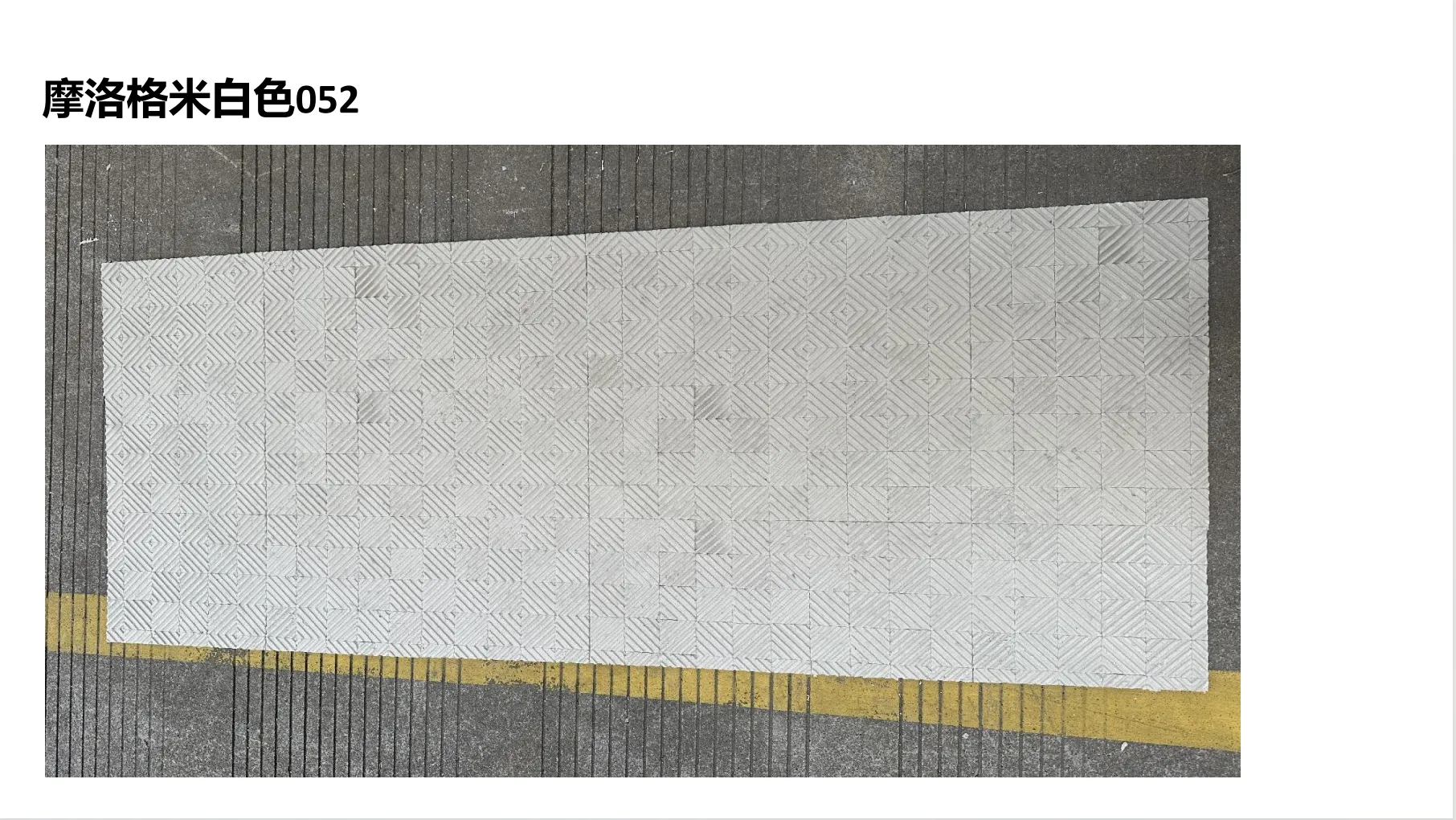
Even the smallest details matter. Weaving (khaki) panels, with their textured, fabric-like surface, evoke the handwoven rugs of Marrakech's souks. Used as accent walls in hotels or restaurants, they add warmth and texture without the weight of traditional woven stone or tile. It's this attention to Morocco's sensory landscape—its colors, textures, the way light plays on surfaces—that makes COLORIA MCM more than a material; it's a collaborator in storytelling.
Let's step into the shoes of Amina, an architect in Marrakech tasked with designing a boutique hotel in the historic medina. Her vision? A space that honors the riad's traditional layout—central courtyard, arched doorways, intricate tilework—while adding modern amenities like a rooftop pool and a glass-walled restaurant. The problem? The existing structure, a 19th-century riad, couldn't support the weight of traditional stone cladding for the restaurant's exterior, nor could it handle the load of a rooftop pool deck.
Enter COLORIA MCM. For the restaurant's facade, Amina chose travertine (starry blue) panels. Their lightweight nature meant no structural reinforcement was needed, and their starry texture echoed the zellige tiles in the courtyard, creating visual harmony. The rooftop pool deck? Foamed aluminium alloy board (vintage gold) —durable, slip-resistant, and at just 9kg/m², light enough to rest on the existing roof without strain. Today, guests dine under glass walls framed by starry blue travertine, looking out at the medina's rooftops, while the pool shimmers with the warm glow of vintage gold decking. Amina's project wasn't just a success—it was a proof of concept: lightweight materials don't have to mean sacrificing beauty or heritage.
| Feature | Traditional Materials (Stone/Concrete) | COLORIA MCM |
|---|---|---|
| Weight (kg/m²) | 40–60 | 8–12 |
| Installation Time | 3–5 days per 100m² (requires heavy machinery) | 1–2 days per 100m² (can be installed manually) |
| Heat Absorption | High (increases cooling costs by 20–30%) | Low (reflective properties reduce heat gain) |
| Design Flexibility | Limited (rigid, hard to curve or shape) | High (flexible, can follow complex contours) |
| Sustainability | High carbon footprint (quarrying, transportation) | Low (recyclable materials, reduced transport emissions) |
As Morocco grows—its cities expanding, its tourism industry booming—so does the need for buildings that work with the landscape, not against it. COLORIA MCM isn't just a solution for today; it's a bridge to tomorrow. Imagine a future where new developments in Tangier's waterfront use boulder slab (vintage black) cladding to echo the nearby cliffs, their lightweight panels resisting saltwater corrosion. Or a school in Ouarzazate, where rammed earth board (matcha green) walls blend with the desert's olive groves, keeping classrooms cool and energy bills low.
For Amina, and architects like her, COLORIA MCM is more than a material—it's permission to dream bigger. "Morocco's architecture has always been about resilience," she says. "We build to withstand the sun, the wind, the test of time. With COLORIA, we can do that and create spaces that feel alive, that breathe, that connect us to our roots without weighing us down."
So the next time you wander through Morocco's streets, take a closer look. The walls that catch your eye—whether they shimmer like moonlight, ripple like woven fabric, or glow with the warmth of sun-baked earth—might just be COLORIA MCM in action. Lightweight, but heavy with meaning. Simple, but rich with the story of a country that refuses to choose between tradition and progress. In the end, that's the beauty of it: sometimes, the lightest materials carry the heaviest legacy.
Recommend Products












