
In the heart of the Arabian Peninsula, where ancient traditions meet futuristic visions, Saudi Arabia's mosque architecture is undergoing a remarkable transformation. Today's mosques are no longer just places of worship—they are cultural landmarks, blending the timeless elegance of Islamic art with cutting-edge design. At the center of this evolution lies a critical question: how to honor tradition while embracing innovation? Enter COLORIA GROUP, a pioneer in modified cementitious materials (MCM), whose revolutionary products are redefining what's possible in mosque construction. This article explores how COLORIA's MCM solutions, particularly mosaic travertine cladding and flexible stone technologies, are shaping the next generation of sacred spaces in the Kingdom.
Saudi Arabia's mosque architecture has always been a reflection of its identity—rooted in desert landscapes, Islamic geometry, and spiritual symbolism. Traditional mosques feature intricate tile work, domed roofs, and courtyard gardens, all designed to inspire tranquility and awe. But as cities like Riyadh, Jeddah, and NEOM grow into global metropolises, modern mosques face new demands: they must be sustainable, cost-effective, and visually striking enough to stand alongside skyscrapers and cultural centers.
Architects today are tasked with merging two worlds. On one hand, there's the need to preserve elements like muqarnas (honeycomb vaulting), arabesque patterns, and natural materials that evoke the region's geological heritage—think sandstone, marble, and travertine. On the other hand, modern mosques require materials that can withstand Saudi's harsh climate (extreme heat, sandstorms, and humidity), reduce construction time, and align with the Kingdom's Vision 2030 goals for sustainability.
This is where traditional building materials often fall short. Natural stone, while beautiful, is heavy—posing structural challenges for large domes and tall minarets. It's also porous, requiring frequent sealing to resist moisture and sand erosion. Ceramic tiles, another staple, lack the depth and texture of natural stone, and their rigidity makes them ill-suited for curved surfaces. What if there was a material that could capture the warmth of travertine, the flexibility of fabric, and the durability of concrete? That's exactly what COLORIA's MCM series delivers.
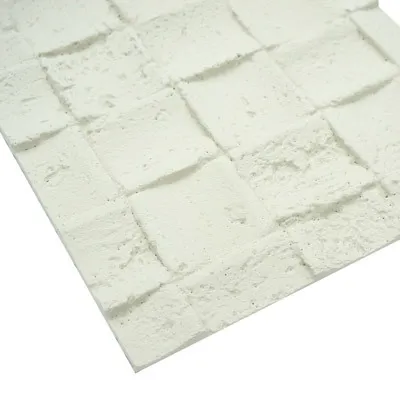
Modified Cementitious Material (MCM) is not just a building material—it's a design enabler. Unlike traditional cement-based products, MCM blends high-performance polymers with natural minerals, creating a composite that's lightweight (up to 80% lighter than natural stone), flexible (able to bend without cracking), and customizable (infinite colors, textures, and patterns). For mosque architects, this means unprecedented freedom to realize bold visions—whether it's a sweeping, curved prayer hall wall or a mosaic dome that shimmers like desert stars.
Consider the challenges of cladding a mosque's iconic dome. Traditional stone would require heavy steel supports, increasing construction costs and limiting design flexibility. COLORIA's MCM solutions, by contrast, weigh as little as 3kg per square meter, eliminating the need for excessive structural reinforcement. This not only cuts costs but also allows for larger, more dramatic forms—like the flowing, wave-like domes inspired by Saudi's sand dunes.
Key Advantage: MCM's flexibility is a game-changer for Islamic architectural motifs. Unlike rigid stone or tile, MCM can be shaped to follow the intricate curves of arabesque patterns or the smooth contours of a mihrab (prayer niche), ensuring every design detail is preserved.
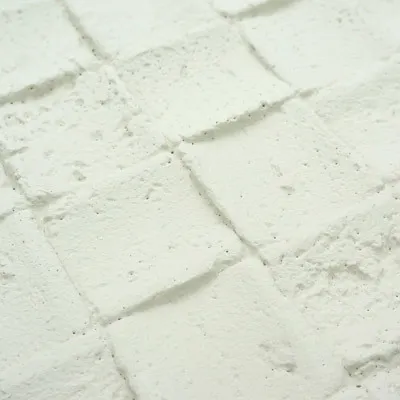
Let's dive into the specific MCM products that are making waves in Saudi mosque architecture. From mosaic travertine that echoes ancient craftsmanship to metallic finishes that reflect modernity, these materials are more than functional—they're storytelling tools, bridging past and present.
Imagine a mosque's exterior wall, clad in stone that looks and feels like centuries-old travertine but bends gently around the building's curves. That's MCM Flexible Stone in action. Designed to mimic the natural veining and texture of travertine, this material offers the best of both worlds: the authenticity of natural stone and the adaptability of modern composites. For architects working on mosques with organic, flowing designs—like the undulating walls of a community mosque in Jeddah—this flexibility is invaluable.
Take travertine (starry green) , a variant of COLORIA's flexible stone that features subtle, star-like flecks embedded in a soft green matrix. When used on a mosque's qibla wall (facing Mecca), it creates a serene backdrop for prayer, evoking the lush oases that have sustained desert communities for millennia. And because it's resistant to UV rays and sand abrasion, it retains its beauty even in Saudi's harsh sun—no fading, no cracking, just enduring elegance.
Islamic art is famous for its geometric precision—repeating patterns that symbolize the infinite nature of God. Now, imagine those patterns rendered in rust mosaic stone , a MCM product that combines the earthy, weathered look of aged metal with the durability of cement. The result? Walls that tell a story of time and faith, with each mosaic tile fitting together like a piece of a divine puzzle.
A recent project in Riyadh exemplifies this: a mosque's interior courtyard walls are clad in rust mosaic stone, arranged in a zellige -inspired pattern (traditional Moroccan tilework). The warm, reddish-brown hues complement the mosque's marble floors, while the mosaic's texture adds depth and shadow—changing with the sun's position throughout the day. Unlike traditional metal mosaics, which corrode quickly in Saudi's humidity, COLORIA's rust mosaic stone is treated with a protective coating, ensuring it remains vibrant for decades.
Minarets are more than just towers—they're beacons, calling the faithful to prayer. To make these structures stand out in Saudi's modern skyline, architects are turning to COLORIA's Lunar Peak series, which mimics the metallic sheen of moonlit desert dunes. Available in silvery, golden, and black variants, these MCM panels add a futuristic touch to traditional minaret designs.
Consider a minaret in NEOM, clad in Lunar Peak silvery panels. As the sun rises, the panels reflect light like polished silver, creating a striking contrast against the desert's warm tones. At night, LED lights behind the panels transform the minaret into a glowing pillar, symbolizing guidance and enlightenment. And because Lunar Peak panels are lightweight, the minaret can be built taller and more slender—reducing wind resistance and construction time.
Saudi's landscape is defined by movement—the shifting of sand dunes, the flow of oases, the dance of light and shadow. COLORIA's wave panel captures this dynamism, with undulating surfaces that mimic the natural curves of the desert. When used on a mosque's exterior, these panels create a sense of motion, as if the building itself is breathing with the wind.
A mosque in Medina recently used wave panels to clad its main entrance hall. The panels, finished in a soft beige (reminiscent of local sandstone), flow from the floor to the ceiling, guiding worshippers into the prayer space with a gentle, welcoming curve. Unlike traditional stone, which would require complex cutting to achieve such a shape, wave panels are prefabricated to exact specifications—saving time and ensuring precision.
Saudi Arabia's Vision 2030 isn't just about economic diversification—it's about building a sustainable future. Mosques, as community hubs, are leading the way in green construction, and COLORIA's MCM products align perfectly with this mission. Here's how:
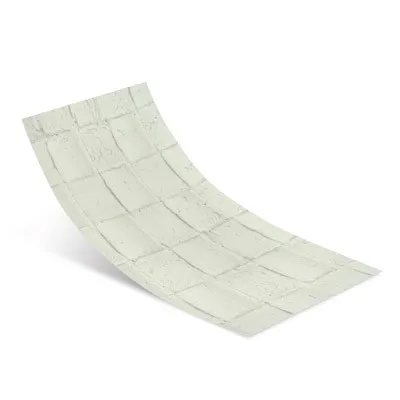
In Jeddah, a new eco-mosque is already reaping these benefits. Clad in COLORIA's lime stone (beige) MCM panels, the building has achieved LEED Silver certification, thanks in part to the material's thermal insulation properties (reducing air conditioning needs by 20%). It's a powerful example of how sacred spaces can also be stewards of the environment.
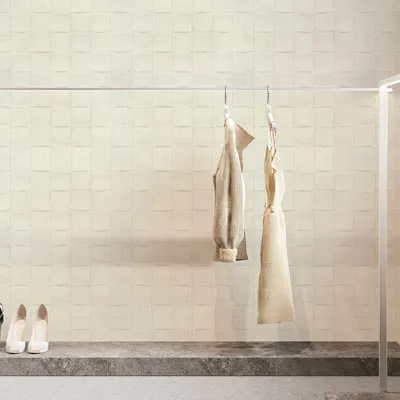
Building a mosque is a journey—one that requires collaboration, expertise, and attention to detail. COLORIA doesn't just supply materials; it partners with architects, contractors, and mosque committees to deliver end-to-end solutions. With a local presence in Saudi Arabia, the team understands the unique challenges of the Kingdom's construction landscape—from navigating local regulations to sourcing materials in remote areas.
The process starts with design support: COLORIA's in-house team works with architects to refine material choices, create custom textures, and even produce 3D renderings of how the finished project will look. Once the design is finalized, production begins at COLORIA's state-of-the-art facilities, where each panel is precision-engineered to fit the mosque's unique dimensions. Finally, COLORIA's installation experts train local crews on best practices, ensuring the panels are mounted securely and beautifully—even on complex surfaces like domes and arches.
| Traditional Stone Cladding | COLORIA MCM Cladding |
|---|---|
| Heavy (20-30kg/m²) – requires structural reinforcement | Lightweight (3-8kg/m²) – no extra reinforcement needed |
| Limited to flat or slightly curved surfaces | Flexible – bends to 30mm radius without cracking |
| High maintenance (sealing every 2-3 years) | Low maintenance – resistant to stains, mold, and UV damage |
| Long lead times (quarrying + shipping) | Fast turnaround (4-6 weeks from design to delivery) |
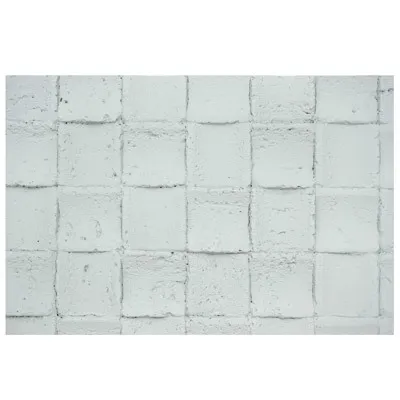
As Saudi Arabia looks to the future, so does COLORIA. The company's MCM 3D Printing Series is set to revolutionize mosque design even further. Imagine a mihrab with intricate, three-dimensional patterns that could never be achieved with traditional carving—or a wall of mosaic tiles, each one uniquely shaped by a 3D printer to form a larger, dynamic artwork. 3D printing allows for unprecedented customization, turning every mosque into a one-of-a-kind masterpiece.
In Riyadh's upcoming "Mosque of the Future," COLORIA is collaborating with architects to 3D print travertine (starry blue) panels for the prayer hall ceiling. These panels, embedded with tiny, reflective particles, will mimic the night sky over Mecca, creating a sense of divine connection for worshippers. It's a bold vision—and one that's only possible with MCM technology.
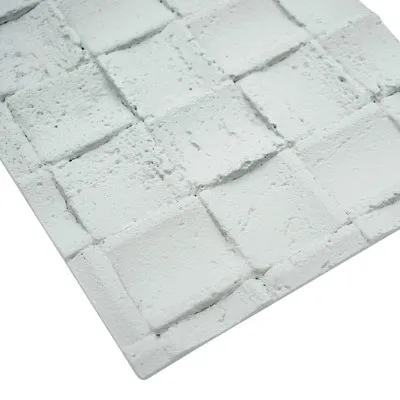
Mosques are more than buildings; they are vessels of faith, culture, and community. In Saudi Arabia, where tradition and modernity walk hand in hand, the architecture of these sacred spaces must reflect both the wisdom of the past and the aspirations of the future. COLORIA's MCM products—from flexible stone that bends to the will of design to mosaic travertine that honors ancient craftsmanship—are helping to write this new chapter in Islamic architecture.
As the Kingdom continues to grow and evolve, one thing is clear: the mosques of tomorrow will be defined by innovation, sustainability, and a deep respect for heritage. With COLORIA as a partner, architects have the tools to build not just structures, but legacies—spaces that will inspire prayer, reflection, and wonder for generations to come.
In the end, it's not just about cladding walls. It's about cladding dreams—one flexible, sustainable, beautifully crafted panel at a time.
Recommend Products












