
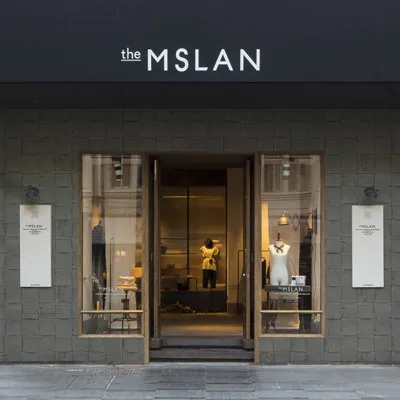
How tailored hues and textures turn facades into brand stories—because your building should speak as loudly as your logo
Walk down any busy street, and you'll notice something interesting: the best commercial buildings don't just exist —they communicate . A boutique hotel with warm, earthy tones feels inviting; a tech startup's sleek glass facade screams innovation; a café with walls tells you it's all about cozy, timeless charm. In a world where first impressions happen in seconds, your building's exterior is more than just a shell—it's your brand's first hello.
But here's the catch: generic gray concrete or cookie-cutter marble won't cut it anymore. Today's brands need something that sticks in memory, something that makes people stop and think, "That's so [insert brand name]." That's where custom color solutions come in—and why mosaic travertine has become the secret weapon for architects and brand managers alike.
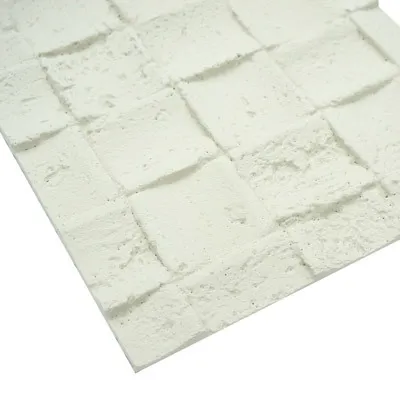
Travertine has always been a favorite in architecture, loved for its natural pores, soft edges, and organic warmth. But mosaic travertine? It takes that classic beauty and flips it into a customizable masterpiece. Imagine tiny, precision-cut stone pieces that fit together like a puzzle, each one dyed to match your brand's exact Pantone code. That's the magic of mosaic travertine custom colors—and it's changing how commercial buildings connect with audiences.
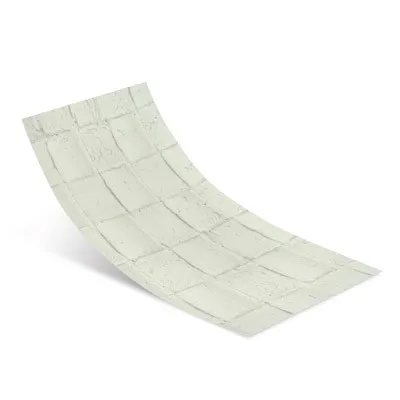
What makes this possible? It starts with the material itself. Unlike rigid, one-size-fits-all natural stone, modern mosaic travertine is often paired with mcm flexible stone technology—a game-changer that combines the durability of stone with the adaptability of fabric. This means the material can wrap around curves, climb uneven surfaces, and even be installed in places traditional stone would crack or weigh too much. But the real star? The color customization process.
Take, for example, travertine (starry green) —a hue that's not found in nature, but crafted in labs to mimic the night sky. Picture a tech company's headquarters with a facade that shifts from deep forest green to shimmering emerald as the sun sets, mirroring their brand's focus on innovation and sustainability. Or rust mosaic stone , which brings the rugged, time-worn charm of industrial design to life—perfect for a brewery or art gallery that wants to feel both authentic and edgy.
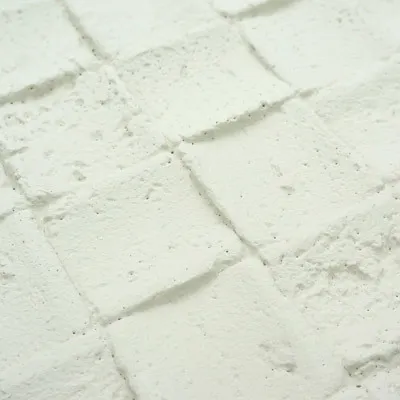
Creating custom colors for mosaic travertine isn't just about slapping paint on stone. It's a precise, multi-step process that balances art and science—ensuring the color is vibrant, long-lasting, and true to your brand's vision. Here's how it typically works:
1. The Brand Brief: It starts with your story. Are you a luxury spa wanting calming blues and whites? A fitness studio needing energizing oranges? A boutique hotel aiming for timeless elegance with gold and cream? The more specific you are about your brand personality, the more tailored the color palette becomes.
2. Material Selection: Not all travertine is the same. The density of the stone, the size of its pores, and its natural base color (beige, cream, or gray) all affect how dye absorbs. MCM flexible stone, with its uniform composition, is ideal here—it takes color evenly, so there are no patchy spots or faded areas, even after years in the sun or rain.
3. Color Development: Using advanced pigment technology, labs create small batches of dyed stone samples. These aren't just swatches—they're tested for UV resistance (to prevent fading), water absorption (to avoid staining), and scratch durability (because commercial buildings take a beating). For example, that starry green hue? It's mixed with special additives to keep its sparkle even after decades of weather exposure.
4. Mock-Ups & Adjustments: Once the samples are ready, they're applied to a small section of a test wall—so you can see how the color looks in different light (morning sun, afternoon shade, evening artificial light). Maybe the green is too bright, or the rust too orange? Back to the lab for tweaks until it's exactly right.
5. Large-Scale Production: Once approved, the mosaic pieces are mass-produced with the custom color, cut into the desired shapes (think hexagons, squares, or even custom logos), and shipped ready for installation. And because it's mcm flexible stone , installation is faster and less labor-intensive than traditional stone—saving time and money on construction.
Still wondering if custom colors are worth the investment? Let's look at how real brands are using mosaic travertine to stand out:
| Brand Type | Custom Color Choice | Goal | Result |
|---|---|---|---|
| Luxury Boutique Hotel | Soft gold + cream mosaic travertine | Evoke timeless elegance and exclusivity | Guest photos of the facade increased social media mentions by 40%; guests reported feeling "immediately pampered" upon arrival |
| Tech Startup Office | Starry green with silver mosaic accents | Showcase innovation and eco-friendly values | Job applicants cited the "unique, futuristic building" as a top reason for applying; local media featured the facade in a "Best of Tech Architecture" roundup |
| Artisanal Coffee Chain | Rust mosaic stone with warm brown grout | Create a "homey, vintage" vibe that feels like a neighborhood staple | Customers reported staying 20% longer than at locations with standard exteriors; walk-in traffic up by 25% in the first 6 months |
| Sustainable Fashion Retailer | Earth-toned mosaic travertine (beige, terracotta, soft green) | Align with brand values of sustainability and connection to nature | Eco-conscious customers chose the store over competitors; LEED certification earned for using green building materials |
The common thread? These brands didn't just pick a color—they picked a feeling . And their buildings now broadcast that feeling to everyone who passes by.
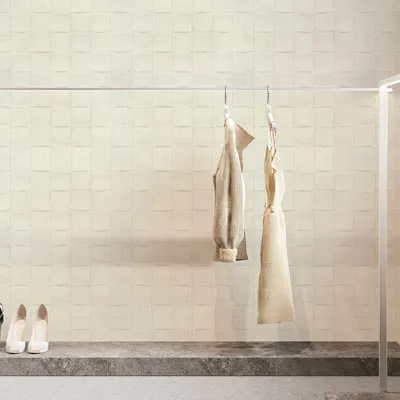
You might be thinking, "Can't I just paint regular stone?" Sure—but it won't last, and it won't look as good. MCM flexible stone takes custom colors to the next level with a few key advantages:
Durability That Lasts: Traditional paint chips, fades, or peels after a few years. MCM flexible stone's color is integrated into the material itself, not just applied on top. That means it can handle harsh sunlight, heavy rain, and even the occasional graffiti (easily cleaned without losing color).
Lightweight & Versatile: Commercial buildings often have weight restrictions for facades. MCM flexible stone is up to 70% lighter than natural stone, so you can use it on high-rises or retrofitted buildings without structural issues. And because it's flexible, it can follow curved walls, archways, or even 3D-printed architectural details—no more "boxy" limitations.
Eco-Friendly by Design: As a green building material , MCM flexible stone uses recycled materials in its base and low-VOC pigments in its dyes. For brands prioritizing sustainability, this isn't just a bonus—it's a selling point. Customers today notice (and reward) companies that walk the eco-talk, and your building's exterior is a public way to prove it.
Cost-Effective in the Long Run: While custom colors might have a slightly higher upfront cost than standard stone, the savings add up. MCM flexible stone is easier to install (lower labor costs), requires less maintenance (no repainting or resealing every few years), and lasts longer—meaning you won't be replacing your facade anytime soon.
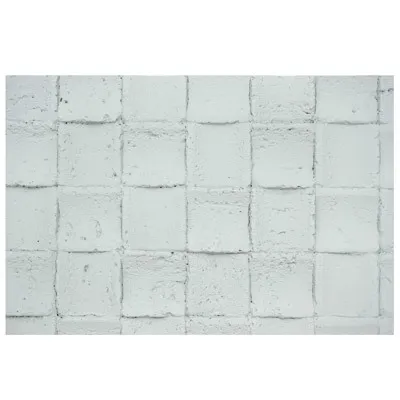
Ready to turn your commercial building into a brand ambassador? Here's how to get started with custom mosaic travertine colors:
1. Dig Into Your Brand's Personality: Ask: What 3 words do we want customers to associate with us? (e.g., "innovative," "approachable," "luxurious") Your color palette should reflect these words.
2. Consider Your Location: A beachfront building might benefit from cool blues and whites, while a downtown urban space could rock bold grays or rust tones. Think about how your color will stand out (but not clash) with the surrounding architecture.
3. Work With Experts Who Get Both Branding and Stone: Not all stone suppliers understand brand strategy. Look for partners like COLORIA GROUP, who specialize in custom mcm exterior panels and have experience translating brand stories into tangible materials.
4. Test, Test, Test: Never skip the sample phase. Order small batches of your top color choices and install them on-site. Check them at different times of day, in different weather, and even take photos to see how they look on screen (since so much brand exposure happens online now).
5. Think Beyond the Facade: Custom mosaic travertine isn't just for exteriors. Use it in lobbies, on accent walls, or even in outdoor seating areas to create a cohesive brand experience from the moment customers step out of their cars to the second they walk through your door.
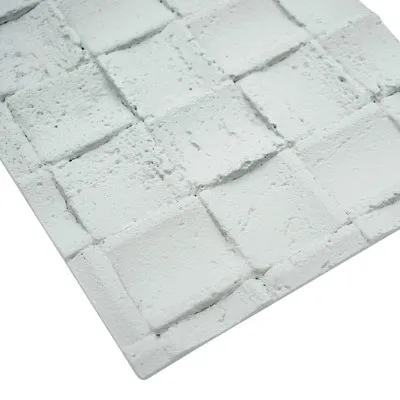
When it comes to turning brand vision into architectural reality, experience matters. COLORIA GROUP has spent decades perfecting the art of custom building materials, with a focus on MCM technology that blends innovation, sustainability, and design flexibility.
What sets them apart? For starters, their global reach—with a strong presence in markets like Saudi Arabia, they understand the unique climate challenges of different regions (hello, extreme heat or heavy rain) and ensure their custom colors and materials can handle it. Their MCM flexible stone isn't just a product; it's a solution built for real-world conditions.
But more than that, they treat every project as a collaboration. Their team of color specialists, architects, and material engineers work with you from concept to installation, ensuring the final result isn't just "close enough"—it's exactly what you imagined (and better). Whether you're dreaming of a starry green tech hub or a rust mosaic stone café, they have the tools, the expertise, and the passion to make it happen.
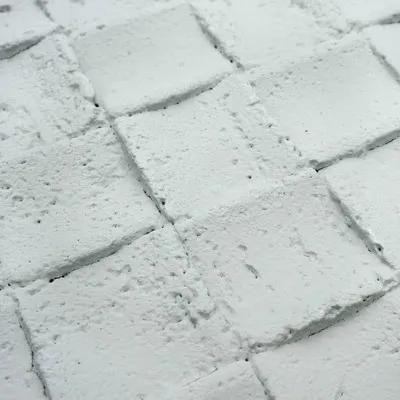
In a world of generic buildings, your commercial space has the power to be unforgettable. Mosaic travertine custom colors aren't just about making your building look nice—they're about making it mean something . They're about turning a facade into a conversation starter, a first impression into a lasting memory, and a building into a brand legacy.
So why blend in when you can stand out? The next time someone walks past your building, make sure they don't just see walls—make sure they see your brand . After all, great brands don't just build businesses—they build landmarks.
Recommend Products












