

When we talk about buildings, we often focus on their grand designs or how they shape city skylines. But behind those stunning facades lies a hidden story—one about the planet. Traditional construction materials like marble or granite have long been go-to choices for their beauty, but their journey from quarry to construction site leaves a heavy carbon trail: massive energy use in mining, high emissions from transportation, and tons of waste during processing. Today, the tide is turning. Architects and builders are asking: What if our buildings could be both beautiful and kind to the Earth? Enter Mosaic Travertine Eco-Stone by COLORIA GROUP—a game-changer in low-carbon building materials that proves sustainability and aesthetics don't have to be enemies.
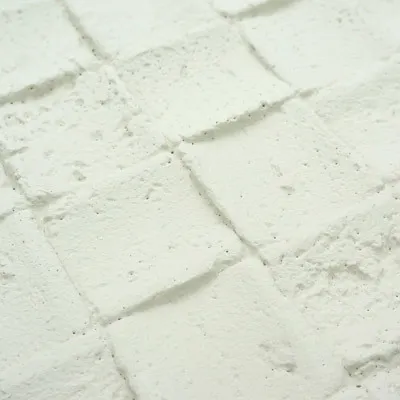
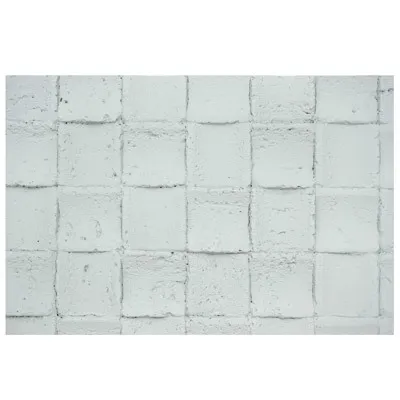
At first glance, Mosaic Travertine Eco-Stone might remind you of natural travertine, with its warm tones and organic textures. But look closer, and you'll find it's a marvel of modern engineering. Part of COLORIA's MCM (Modified Cementitious Material) family, this stone is crafted using a modified cement base blended with recycled minerals—think crushed stone waste or reclaimed concrete. This isn't just about reusing materials; it's about reimagining how we make building materials from the ground up.
The magic starts in the production line. Unlike traditional travertine, which requires blasting mountains and cutting massive blocks, Mosaic Travertine is made in controlled facilities with minimal energy use. The process emits up to 60% less CO2 compared to quarried stone, and because it's molded rather than cut, there's almost no waste. Imagine a material that lets you have the look of natural stone without tearing up landscapes—that's the promise here.
But sustainability isn't just about production. This stone is built to last. Its modified cement base makes it resistant to weathering, so buildings clad in it won't need frequent repairs or replacements. And when a building does reach the end of its life? The stone can be crushed and reused as aggregate for new projects. It's a circular story where nothing goes to waste.
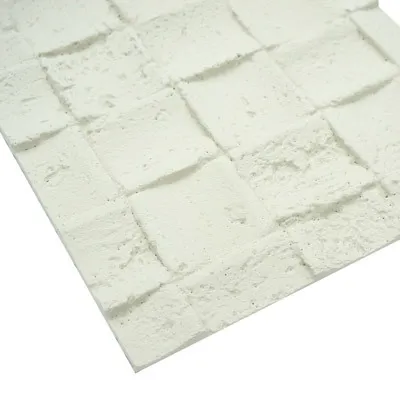
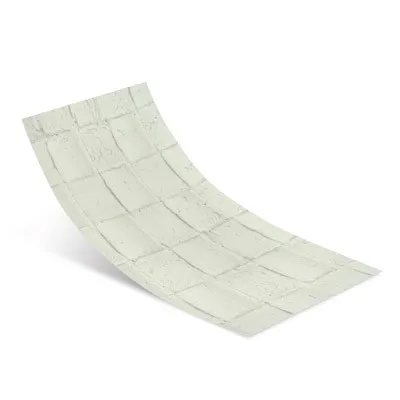
One of the biggest headaches with traditional stone is its weight. Heavy slabs mean more structural support, bigger trucks for transport, and higher fuel costs—all adding to that carbon footprint. But Mosaic Travertine Eco-Stone flips the script, especially when paired with COLORIA's mcm flexible stone technology. These panels are thin, lightweight, and surprisingly bendable, making them perfect for curved walls or unique architectural shapes.
Picture a modern art gallery with a sweeping, wave-like exterior. With rigid stone, that design would be nearly impossible or astronomically expensive. But with flexible Mosaic Travertine panels? They're easy to transport (even in standard trucks), quick to install (cutting labor time by 30%), and gentle on building frames. It's like dressing a building in a tailored suit instead of a heavy coat—stylish, comfortable, and way better for the planet.
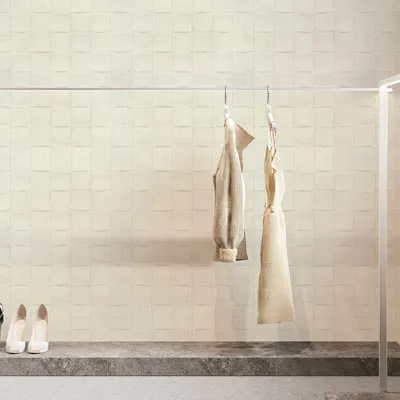
And let's talk about design possibilities. Whether you're dreaming of a facade that shimmers like starlight (hello, travertine (starry green) with its subtle green flecks that catch the sun) or a warm, earthy look (think lunar peak silvery with its soft metallic sheen), Mosaic Travertine delivers. These aren't just "stones"—they're palettes for architects. Want a mosaic pattern? Or a smooth, modern finish? The material bends to your vision, no extra waste, no extra carbon.
Numbers tell the truth, so let's break down how Mosaic Travertine Eco-Stone compares to traditional options. We'll focus on three key areas: carbon footprint, practicality, and durability.
| Aspect | Traditional Granite | Mosaic Travertine Eco-Stone |
|---|---|---|
| Carbon Emissions (per sqm) | 120-150 kg CO2 | 45-55 kg CO2 |
| Weight (per sqm) | 25-30 kg | 8-10 kg |
| Installation Time | 3-4 hours per sqm | 1-1.5 hours per sqm |
| Weather Resistance | Good, but prone to chipping | Excellent (resists frost, rain, UV rays) |
Take carbon emissions, for example. Quarrying granite involves heavy machinery, long-haul transportation, and energy-heavy cutting. Mosaic Travertine skips most of that by using local recycled materials and low-energy production. And that lighter weight? It means fewer trucks on the road, less fuel burned, and even lower costs for builders—win-win.
Mosaic Travertine Eco-Stone isn't just a "green" trend—it's a practical solution for real projects. Let's look at a few scenarios where it truly stands out:
Imagine a tech company headquarters aiming for LEED certification. Their design calls for a striking exterior that reflects their innovative spirit. With Mosaic Travertine, they can opt for bold patterns—maybe a mix of travertine (starry green) and fair-faced concrete —to create a dynamic, modern look. The lightweight panels mean the building's structure doesn't need extra reinforcement, and the low carbon footprint helps them hit those green building goals. Plus, the stone's durability ensures the facade stays crisp for decades, even in harsh city environments.
For a boutique apartment complex in a suburban area, warmth and connection to nature are key. Here, mcm flexible stone comes into play. Its ability to bend means architects can create curved balconies or organic-shaped accent walls, wrapping the building in a soft, inviting embrace. Homeowners get the look and feel of natural stone—those subtle textures that make a space feel alive—without the environmental cost. And since the material holds up well to moisture, it's perfect for outdoor patios or poolside areas too.
Restoring a century-old building? Traditional stone might seem like the only choice to match the original aesthetic, but it's often hard to source and heavy on the structure. Mosaic Travertine offers a clever alternative. With custom coloring and textures, it can mimic the look of aged stone—think weathered edges or faded tones—while being lightweight enough for old buildings to handle. It's a way to preserve history without adding to the planet's burden.
Mosaic Travertine Eco-Stone doesn't exist in a vacuum—it's part of COLORIA GROUP's decades-long commitment to rethinking building materials. As a one-stop solution provider with a global footprint (including a strong presence in Saudi Arabia), they've seen firsthand the challenges builders face: tight deadlines, unique design needs, and now, the pressure to go green. That's why their MCM series—from big slabs to 3D printing options—is built around flexibility and sustainability.
What sets them apart? It's the little things. Like offering custom color matching so your project gets exactly the shade you want, or providing pre-cut panels to reduce on-site waste. Or their investment in mcm 3d printing series technology, which lets them create hyper-specific designs with minimal material waste. It's not just about selling stone; it's about partnering with builders to make sustainable choices easy.
And they walk the talk. Their production facilities run on solar power where possible, and they're constantly tweaking their recipes to use even more recycled materials. For COLORIA, low carbon isn't a marketing buzzword—it's a promise backed by years of refining their craft.
The future of construction is green. As more cities mandate low-carbon building standards and homeowners demand eco-friendly spaces, materials like Mosaic Travertine Eco-Stone will move from "nice to have" to "must have." And COLORIA GROUP is already ahead of the curve. They're experimenting with new recycled materials, pushing the limits of 3D printing for even more complex designs, and exploring how to make their MCM series even lighter and more durable.
But here's the thing: sustainability in construction isn't just about one material. It's about a mindset—choosing options that honor both human creativity and the planet's limits. Mosaic Travertine Eco-Stone is a step in that direction: a reminder that beauty and responsibility can coexist, one panel at a time.
So the next time you pass a building with a stunning stone facade, take a moment to wonder: What's its story? If it's clad in Mosaic Travertine, you'll know it's a story of innovation, care, and a commitment to building a world where our cities don't just grow—they thrive, in harmony with nature.
Recommend Products












