
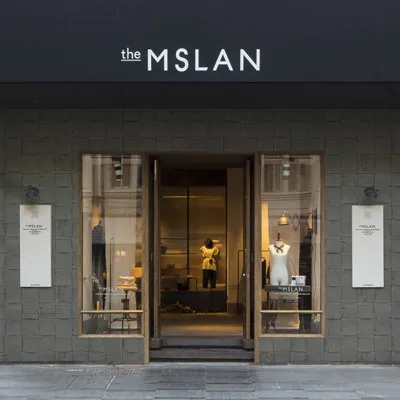
Walk through any city, and you'll notice that buildings aren't just structures—they're stories written in stone, glass, and metal. But here's the thing: not all building materials can keep up with the plot twists of time. Rain, salt, humidity, even the harsh glare of the sun—they all chip away at a building's "voice," making it harder for its original beauty to shine through. That's where mosaic travertine engineered tiles come in. More than just a pretty face, these tiles are built to stand the test of time, thanks to some clever engineering and a material revolution you might not have heard of yet.
Enter COLORIA GROUP, a name that's quietly redefining what building materials can do. As a one-stop solution provider, they've spent decades obsessing over how to make construction easier, more creative, and longer-lasting—especially with their star product line: MCM (Modified Cementitious Material) . Think of MCM as the Swiss Army knife of building materials: flexible, tough, and surprisingly versatile. And when it comes to mosaic travertine tiles with anti-corrosion superpowers? MCM is the secret sauce that makes it all possible.
Travertine has always been a favorite in architecture. Its earthy tones, unique veining, and natural "breathability" give buildings a warm, organic feel—like they've grown out of the ground rather than being built on it. But traditional travertine, especially in mosaic form, has its quirks. It's heavy, which means tricky installation on high-rise walls. It's porous, so moisture and salts love to sneak in, causing stains or even cracks over time. And if you wanted a custom pattern? Forget it—cutting tiny mosaic pieces by hand is slow and inconsistent. Architects and builders loved the look, but hated the hassle.
That's where COLORIA's MCM technology steps in. By modifying cementitious materials at the molecular level, they've created a new generation of travertine-inspired tiles that keep the beauty but ditch the drama. Let's break down how they pulled it off, with a little help from three game-changing MCM product lines.
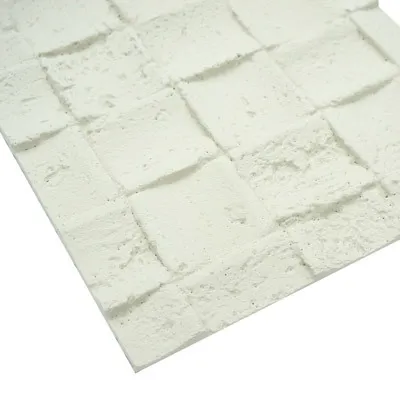
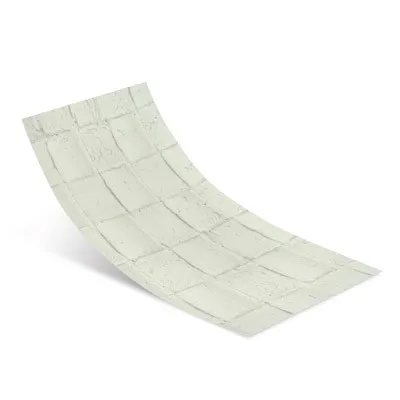
Imagine trying to tile a curved wall with traditional stone mosaic. It's like trying to wrap a brick around a basketball—clunky, frustrating, and full of gaps. But MCM Flexible Stone ? It's more like wrapping a soft leather jacket around that basketball. Thin (as little as 3mm), lightweight (about 3kg per square meter), and surprisingly bendy, it hugs curves and uneven surfaces without cracking. For mosaic travertine tiles, this flexibility is a game-changer. Suddenly, you can create flowing, organic mosaic patterns on hotel lobbies' curved walls or the undulating facade of a cultural center—no more chopping tiles into tiny pieces to make them fit.
But flexibility doesn't mean fragility. The modified cement base gives it strength to resist impacts, while a special coating locks out moisture—the number one enemy of corrosion. Think of it as a travertine tile with a raincoat built in.
Mosaics are all about detail—the way tiny pieces come together to tell a bigger story. But traditional mosaic production? It's a slow dance of cutting, sorting, and hand-laying each piece. Want a mosaic that looks like a starry night sky (hello, travertine (starry green) )? Or a geometric pattern with razor-sharp lines? Good luck getting that consistency by hand.
Enter MCM 3D Printing Series . COLORIA's 3D printers can "draw" mosaic patterns directly onto MCM panels with pinpoint precision. That means intricate designs—like rust mosaic stone with its weathered, industrial charm, or the swirly patterns of a wave panel —are reproduced exactly, every single time. No more mismatched tiles or uneven spacing. And because it's 3D printed, you can tweak the design on a computer and see it come to life in hours, not weeks. For architects craving unique, anti-corrosion mosaics, this is like having a magic wand for material design.
Here's a little-known fact: the more seams you have in a wall, the more chances water and corrosion have to sneak in. Traditional mosaic tiles mean lots of grout lines—tiny highways for moisture. But what if you could pair those small mosaic pieces with larger slabs to minimize gaps? That's where MCM Big Slab Board Series shines.
These large-format panels (up to 1200x2400mm) act as a solid base for mosaic travertine tiles, reducing the number of seams by up to 70% compared to all-small-piece installations. It's like building a wall with fewer cracks in the armor. And because they're made with MCM, they're just as lightweight and easy to install as their flexible counterparts. The result? A mosaic design that looks intricate but is surprisingly tough—perfect for high-traffic areas like shopping malls or coastal buildings where salt spray is a constant threat.
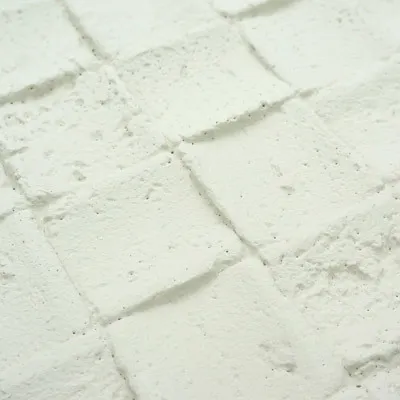
Let's get technical (but in a friendly way). Corrosion in building materials usually starts with water. When water seeps into pores, it freezes, expands, and cracks the material. Or it carries salts and chemicals that eat away at the structure over time. Traditional travertine is porous, so it's like a sponge for these troublemakers.
MCM mosaic travertine tiles? They're more like a well-sealed thermos. The modified cementitious base is denser, with fewer pores to trap water. Add a nano-coating that repels liquids (think of a), and you've got a tile that laughs at rain, humidity, and even coastal salt. In lab tests, these tiles have withstood 5000+ hours of salt spray testing—way more than enough to handle a lifetime of coastal breezes or rainy seasons.
But it's not just about blocking water. MCM is also resistant to UV rays, which can fade colors over time. So that travertine (starry green) mosaic you fell in love with? It'll stay vibrant, not turn a sad, washed-out gray after a few summers. And because MCM is mold-resistant, you won't get those unsightly black spots in grout lines that make traditional mosaics look unkempt.
Case Study: Coastal Hotel in Jeddah, Saudi Arabia
Saudi Arabia's coastal cities are beautiful, but they're tough on buildings. High humidity, salt-laden winds, and scorching sun? Traditional travertine mosaics here would start showing wear in 3-5 years. But a luxury hotel in Jeddah decided to try COLORIA's MCM mosaic travertine tiles—specifically, a mix of
rust mosaic stone
and
travertine (starry green)
for their outdoor pool area walls. Five years later, the tiles still look brand-new. No cracks, no fading, no salt stains. The hotel maintenance team? They're thrilled—no more yearly pressure washing or tile replacements. The guests? They can't stop taking photos of the "starry" green mosaic reflecting in the pool.
Case Study: Urban Office Lobby in Dubai
Dubai's modern skyline demands materials that are as bold as the city itself. One architectural firm wanted a lobby wall that felt like a "living mosaic"—something that combined the warmth of travertine with futuristic design. They chose MCM 3D printed mosaic tiles in a wave pattern, using
MCM Flexible Stone
to wrap around the curved lobby desk. The result? A wall that looks like liquid stone, flowing from floor to ceiling. And because it's MCM, installation took half the time of traditional stone, saving the project weeks of labor costs. Now, visitors stop to touch the wall—surprised that something so beautiful is also so tough.
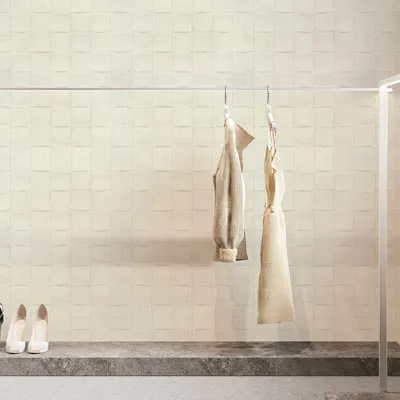
Whether you're an architect chasing the perfect design, a builder tired of wrestling with heavy materials, or a property owner dreading future maintenance bills, these mosaic travertine tiles check all the boxes. They're light enough to make installation a breeze (no need for extra structural support). They're flexible enough to turn wild design dreams into reality. And they're tough enough to outlast the elements, so you can focus on enjoying the building, not fixing it.
Plus, COLORIA GROUP doesn't just sell materials—they sell solutions. Need help customizing a mosaic pattern? Their 3D design team will work with you. Unsure about installation? They provide on-site guidance. It's like having a building material partner who's as invested in your project as you are.
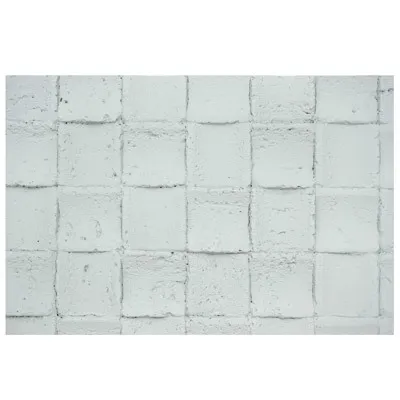
| Feature | Traditional Travertine Mosaics | MCM Mosaic Travertine Tiles |
|---|---|---|
| Weight | 15-20 kg/m² | 3-5 kg/m² |
| Installation Time | Slow (hand-cut, heavy lifting) | 50% faster (lightweight, pre-cut options) |
| Water Resistance | Porous (prone to staining) | Non-porous (nano-coating repels water) |
| Corrosion Resistance | Low (salts/chemicals cause damage) | High (5000+ hours salt spray tested) |
| Custom Design | Limited (hand-cut inconsistencies) | Unlimited (3D printed precision) |
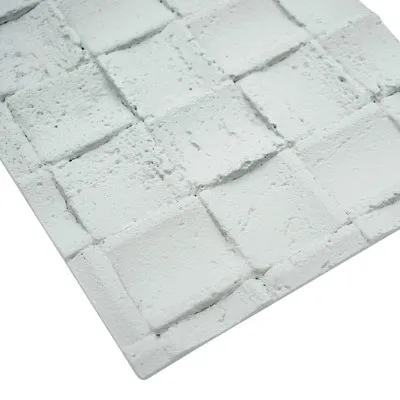
At the end of the day, buildings are about people. They're where we live, work, and make memories. So why settle for materials that fade, crack, or limit creativity? Mosaic travertine engineered tiles with anti-corrosion properties aren't just a product—they're a promise: that your building can be as beautiful in 50 years as it is today. That your design vision doesn't have to bow to practical limitations. And that construction can be a little less stressful, and a lot more inspiring.
COLORIA GROUP gets this. With MCM technology, they're not just selling tiles—they're helping write better building stories. Stories where beauty and durability go hand in hand, and where every mosaic piece tells a tale of innovation. So the next time you look at a building, ask yourself: is it just standing there… or is it standing the test of time?
Recommend Products












