
Balancing Safety, Aesthetics, and Sustainability in Earthquake-Prone Regions
When an earthquake strikes, every element of a building matters—especially the materials covering its exterior. For architects and developers working in seismic zones, the challenge has always been clear: how to keep buildings safe without sacrificing the beauty that makes them feel like more than just structures. Heavy stone cladding, once the go-to for luxury facades, often becomes a liability in quake-prone areas, adding dangerous weight and shattering under stress. But what if there was a material that could bring the timeless elegance of natural stone to these buildings, while actually improving their seismic resilience? That's where COLORIA GROUP's Mosaic Travertine lightweight cladding comes into play—blending the best of engineering and aesthetics to redefine what's possible in earthquake-safe construction.
Let's start with the basics: in regions like the Pacific Ring of Fire or parts of the Middle East where earthquakes are a fact of life, building codes aren't just suggestions—they're lifelines. Traditional natural stone cladding, while stunning, typically weighs 20-30 kg per square meter. Imagine a 20-story building wrapped in that; the extra load on the structure is enormous. During an earthquake, that weight becomes a hazard, increasing the risk of collapse or sending debris falling to the streets below. Brittle materials like marble or granite also lack flexibility, meaning they crack easily when the ground shakes—leaving buildings vulnerable to water damage, mold, and costly repairs even after a minor tremor.
The numbers tell the story: A 2018 study by the Earthquake Engineering Research Institute found that over 60% of post-quake building damage in moderate tremors is linked to heavy, rigid cladding systems. Lightweight alternatives, by contrast, reduce structural load by up to 70%—a game-changer for seismic safety.
But safety shouldn't mean boring design. Architects still want facades that make a statement—textures that catch the light, colors that reflect local culture, and materials that age gracefully. This is where Mosaic Travertine, part of COLORIA GROUP's innovative MCM (Modified Cementitious Material) product line, steps in. It's not just a building material; it's a solution that speaks to both the practical needs of engineers and the creative vision of designers.
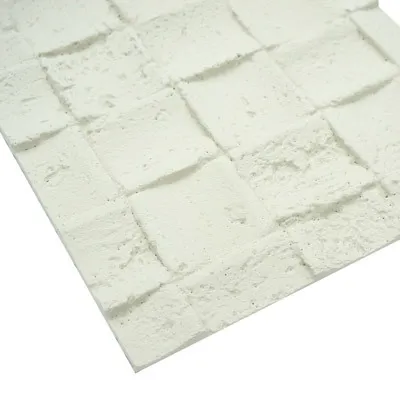
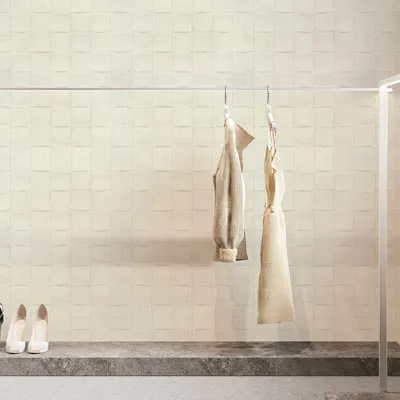
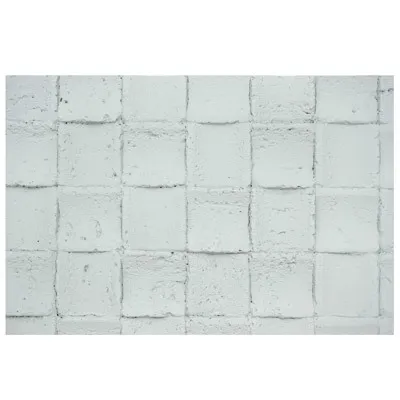
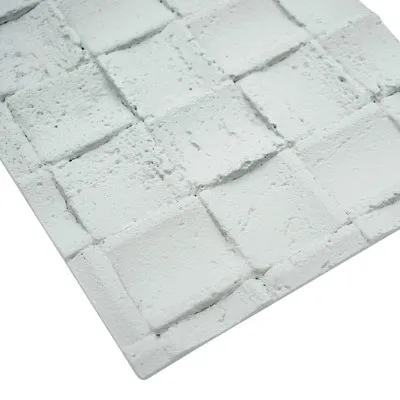
First, let's clarify what we're talking about. Mosaic Travertine isn't your average stone tile. It's a high-tech composite material born from COLORIA GROUP's decades of experience in modified cementitious materials. Think of it as natural travertine reimagined—retaining the iconic pitted texture and warm, earthy tones that make travertine a favorite among architects, but reengineered to be lighter, stronger, and more adaptable.
At its core, this material is part of COLORIA's mcm flexible stone range—a line of products designed to bend without breaking, a critical feature in seismic zones. Unlike traditional stone, which is quarried and cut into rigid slabs, Mosaic Travertine starts with a base of modified cement, reinforced with fibers and natural minerals. The result? A cladding material that weighs just 8-10 kg per square meter—less than half the weight of natural travertine—while maintaining impressive strength and durability.
| Material | Weight (kg/m²) | Flexural Strength (MPa) | Seismic Performance |
|---|---|---|---|
| Natural Travertine | 22-28 | 3-5 | Brittle, high breakage risk |
| Mosaic Travertine (MCM) | 8-10 | 12-15 | Flexible, absorbs tremor energy |
| Traditional Ceramic Tiles | 15-18 | 4-6 | Prone to cracking at joints |
But the real magic is in the details. The mosaic format—small, interlocking pieces—adds another layer of seismic resilience. In an earthquake, buildings sway; rigid cladding panels can pop off or crack under this movement. Mosaic Travertine's modular design allows each piece to shift slightly independently, like a well-choreographed dance, reducing stress on the overall system. It's the difference between a rigid suit of armor and a flexible, form-fitting jacket—both protective, but one moves with you instead of against you.
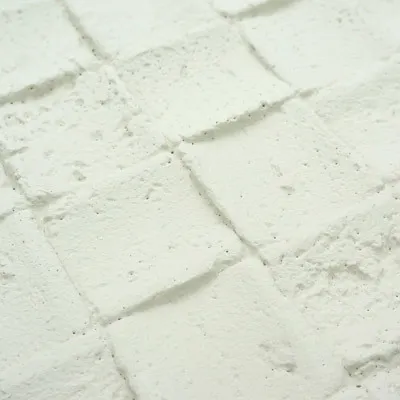
Let's break down why this material is becoming a staple for seismic zone projects, especially when paired with COLORIA's mcm project board series —the engineering-focused line that ensures these claddings perform under real-world stress.
Weight reduction isn't just about meeting code—it's about giving buildings a fighting chance. A 30-story tower using Mosaic Travertine instead of natural stone could shed hundreds of tons of load from its structure. That means less strain on foundations, columns, and beams during an earthquake, lowering the risk of structural failure. For developers, this often translates to cost savings too—lighter materials mean simpler structural supports and easier transportation to construction sites, especially in remote or hilly seismic zones.
Here's where mcm flexible stone truly shines. During a tremor, buildings don't just shake—they twist, bend, and compress. Traditional stone cladding, being rigid, resists this movement until it snaps. Mosaic Travertine, though, has a flexural strength of 12-15 MPa (that's 2-3 times higher than natural travertine) and can bend up to 30mm without cracking. It's like having a facade that can "breathe" with the building, absorbing shock energy instead of transferring it to the structure. In lab tests simulating magnitude 7.0 quakes, COLORIA's flexible stone cladding systems showed zero delamination or breakage—a result that has engineers and inspectors taking notice.
Seismic resilience isn't just about surviving the quake—it's about staying intact afterward. Mosaic Travertine's modified cementitious base resists water absorption, mold, and UV damage, so even if a building shifts, the cladding won't degrade quickly. This is critical in regions where aftershocks are common; a facade that stays intact reduces long-term repair costs and keeps occupants safe. Plus, unlike natural stone, which can vary widely in quality, COLORIA's manufacturing process ensures consistency—every panel meets the same high standards, so engineers don't have to worry about weak spots in the cladding.
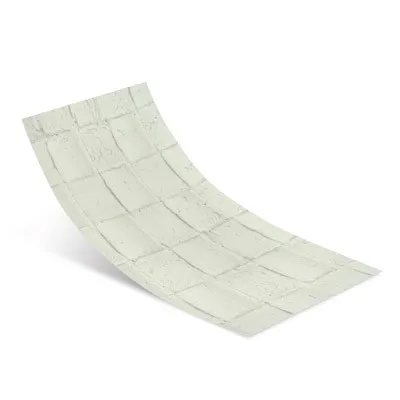
Talk is cheap—what matters is how these materials perform in the field. Take the Al-Mansoori Commercial Tower in Jeddah, Saudi Arabia, a 15-story mixed-use building in a zone with moderate seismic activity. The architect, wanting to evoke the region's natural beauty, initially specified traditional golden travertine for the facade. But after consulting with COLORIA's engineering team, they switched to Mosaic Travertine in travertine (starry green) —a striking variant with subtle iridescent flecks that catch the desert sun. The result? A facade that weighs 65% less than the original plan, meets strict local seismic codes, and has become a landmark in the city's skyline.
Another standout project is the Al-Riyadh Residential Complex, where COLORIA's Mosaic Travertine was paired with the mcm project board series to create a facade that's both earthquake-ready and visually dynamic. The engineers used larger-format panels from the Project Board line for the main structure, then added Mosaic Travertine accents in earthy tones to break up the facade. During installation, the lightweight panels reduced labor time by 40% compared to natural stone, a huge plus in a tight construction schedule.
In today's building world, "seismic-safe" can't exist in a vacuum—it needs to align with sustainability goals too. COLORIA's MCM materials check that box handily. Made from 70% recycled industrial byproducts (like fly ash and silica fume), Mosaic Travertine has a carbon footprint 50% lower than traditional fired cladding materials. It's also 100% recyclable at the end of its lifespan, making it a favorite for LEED and Estidama-certified projects.
And let's not forget the design possibilities. Unlike natural stone, which is limited by what's in the quarry, Mosaic Travertine can be customized in ways that let architects truly express their vision. Want a gradient effect that transitions from travertine (starry green) at the base to travertine (starry red) at the top? Possible. Dream of a facade that mimics the texture of desert sand dunes? The flexible nature of the material makes intricate patterns and 3D textures achievable without extra weight. COLORIA's in-house design team even offers digital previews, so clients can see exactly how their facade will look before production starts—no more unpleasant surprises on site.
What really sets COLORIA GROUP apart isn't just the innovation in their MCM products—it's the support that comes with them. As a one-stop solutions provider, they don't just sell cladding panels; they partner with clients from concept to completion. Their team of seismic engineering specialists helps with everything from material selection to installation training, ensuring that the cladding system works seamlessly with the building's structural design. In regions like Saudi Arabia, where their local agency provides on-the-ground support, this means faster turnaround times and better communication—critical for keeping projects on track.
And for developers looking to push boundaries, COLORIA's other MCM lines open even more doors. The mcm 3d printing series , for example, can create custom 3D-printed accents that complement Mosaic Travertine cladding, adding depth and uniqueness to facades. Imagine a seismic-safe building with a facade that combines the organic texture of Mosaic Travertine with geometric 3D-printed elements—all made from lightweight, earthquake-resistant materials. It's design without limits, backed by engineering you can trust.
As climate change increases the frequency of extreme weather events, and urban populations in seismic zones continue to grow, the demand for smarter building materials will only rise. Mosaic Travertine lightweight cladding isn't just a trend—it's a glimpse into the future of construction: one where safety, beauty, and sustainability coexist. For architects, it means finally having a material that doesn't force them to choose between form and function. For developers, it's a way to reduce risk, cut costs, and create buildings that stand out for all the right reasons. And for the people who live and work in these buildings? It's the quiet confidence that comes from knowing their home or office is built to withstand whatever the earth throws at it.
At the end of the day, buildings are more than just walls and roofs—they're the backdrop of our lives. With COLORIA GROUP's Mosaic Travertine cladding, we can build that backdrop to be safe, stunning, and ready for whatever the future holds. In seismic zones around the world, that's not just progress—that's a promise.
Recommend Products












