
Architecture is more than steel and concrete—it's a language that speaks to the soul of a city. Every facade, every surface, tells a story of culture, innovation, and human aspiration. For architects and developers tackling large-scale projects, the choice of building materials becomes the pen with which this story is written. Enter COLORIA GROUP, a name synonymous with redefining how we build, one modified cementitious panel at a time. With decades of global expertise and a footprint spanning markets like Saudi Arabia, this one-stop solution provider isn't just supplying materials; it's crafting the next chapter of architectural history—especially through its standout MCM Big Slab Board Series, where mosaic travertine takes center stage as a star performer.
Imagine a commercial plaza where the exterior walls don't just exist —they breathe . Where sunlight dances across surfaces that mimic the organic texture of natural stone, yet carry none of the weight or environmental cost. That's the promise of MCM Big Slab Board Series, COLORIA's flagship offering designed for projects that demand both grandeur and precision. These aren't your average building panels; they're canvases for architectural ambition, available in dimensions that turn large-scale constructions into masterpieces.
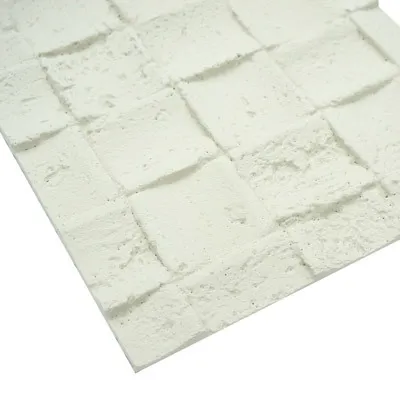
Take, for instance, the travertine (starry green) variant—a true showstopper in the mosaic travertine lineup. Picture a 3-meter-tall slab, its surface dotted with tiny, iridescent "star" pores that catch the light, shifting from deep emerald to subtle gold as the sun moves across the sky. Installed on the facade of a luxury mall in Riyadh, it doesn't just reflect the desert's vibrant hues; it transforms the building into a beacon, inviting passersby to pause and admire. What makes this possible? COLORIA's modified cementitious material (MCM), a blend of durability and artistry that replicates the beauty of natural travertine without depleting quarries or weighing down structures.
| Feature | Traditional Natural Travertine | MCM Big Slab Mosaic Travertine |
|---|---|---|
| Weight (per sq.m) | 25-30 kg | 8-10 kg |
| Max Slab Size | 1.2m x 2.4m (limited by quarrying) | 3m x 1.5m (customizable) |
| Installation Time | 5-7 days/100 sq.m (requires heavy lifting) | 2-3 days/100 sq.m (lightweight, dry-install) |
| Environmental Impact | High (quarrying, transportation emissions) | Low (recycled materials, local production) |
For developers, this translates to more than just aesthetics. The reduced weight of MCM slabs—up to 70% lighter than natural stone—cuts structural load, allowing for taller, more ambitious designs without compromising safety. And with customizable sizes, architects aren't forced to work around "standard" dimensions; they can design continuous, seamless facades that read as a single, striking statement. It's why major airports and convention centers across the Middle East are turning to these slabs: they turn vast, imposing structures into cohesive works of art.
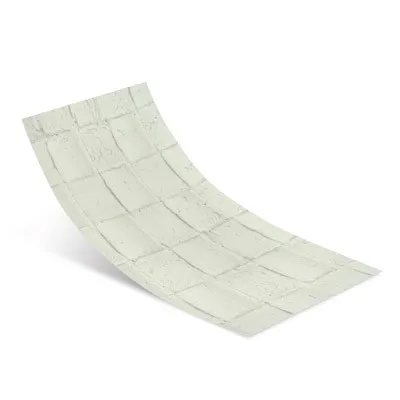
Not all buildings are boxy monoliths. Some demand curves, waves, and organic forms that mimic nature itself. Here's where MCM Flexible Stone steps in—a game-changer for architects who refuse to be limited by rigid materials. Unlike traditional stone, which cracks under bending, this flexible variant bends up to 30 degrees, clinging to curved surfaces like a second skin. It's the difference between a building that looks "built" and one that feels "grown."
Pair this flexibility with wave panel designs, and you get magic. Imagine a cultural center with an exterior that undulates like desert sand dunes, each panel shaped to catch the wind's invisible patterns. The wave panels, crafted from MCM Flexible Stone, don't just look dynamic—they behave dynamically, withstanding extreme temperatures and sandstorms (a critical feature in regions like Saudi Arabia). Architects in Jeddah recently used this combination to clad a waterfront museum, turning its facade into a visual symphony of light and shadow that shifts with the tides. "It's like the building is breathing," one visitor noted. "You can almost feel the ocean in the walls."
But flexibility doesn't mean fragility. These panels are reinforced with high-strength fibers, making them resistant to impact and wear. For large-scale projects like stadiums or transportation hubs—where foot traffic and weather take a toll—this durability is non-negotiable. And because they're pre-finished, there's no need for on-site painting or sealing, cutting down construction time and minimizing disruption to surrounding areas.
Innovation in architecture isn't just about materials—it's about how we make them. COLORIA's MCM 3D Printing Series pushes this boundary, allowing for geometries that were once impossible with traditional manufacturing. Think of it as a 3D printer for buildings: instead of plastic filaments, it extrudes modified cementitious material, layer by layer, to create panels with intricate textures and shapes.
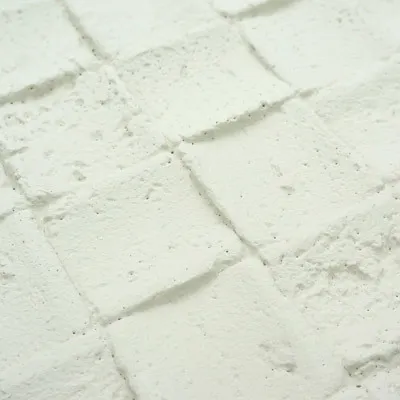
Take the lunar peak silvery finish, a favorite among futuristic designs. When printed into angular, crystalline panels, it evokes the surface of the moon—matte yet reflective, with depth that draws the eye. A tech campus in Riyadh recently used this combination for its main auditorium, wrapping the building in a skin that shimmers like stardust at night. "We wanted to create a space that felt like stepping into a sci-fi film," the project architect explained. "With 3D-printed MCM panels, we didn't just meet that vision—we exceeded it."
What's most exciting is the customization. Whether it's a facade that spells out a company's logo in relief or a pattern inspired by local heritage (like the geometric motifs of Saudi Najdi architecture), 3D printing turns abstract ideas into tangible surfaces. And because the process is digital, adjustments are easy: no need to retool molds or waste materials. For large-scale projects with tight deadlines, this agility is a lifesaver.
Large-scale construction isn't just about materials—it's about trust. Developers need partners who understand local markets, navigate regulatory hurdles, and deliver on time, every time. COLORIA's decades of experience in regions like Saudi Arabia make it more than a supplier; it's a collaborator. With a local agency in Riyadh, the team offers end-to-end support: from initial design consultations to on-site installation training. "They didn't just send us panels," recalls a project manager from a Riyadh-based construction firm. "They sent engineers who worked with our team, adjusted designs to meet local building codes, and even helped troubleshoot when we hit a snag with the foundation. That's the 'one-stop' promise in action."
This global-local approach shines in projects that blend international design with regional identity. For example, a mixed-use development in Dubai combined MCM Big Slabs (in warm, earthy travertine) with 3D-printed accents (in lunar peak silvery) to reflect the city's duality: rooted in tradition, yet racing toward the future. The result? A building that feels both familiar and forward-thinking—a microcosm of Dubai itself.
In today's world, sustainability isn't a buzzword—it's a responsibility. MCM materials lead the charge here, starting with their composition. Modified cementitious material uses recycled aggregates (like crushed stone and industrial byproducts), reducing the need for virgin resources. And because they're lightweight, transportation emissions are cut significantly: a truck can carry 3x more MCM panels than natural stone, lowering carbon footprints.
But the eco-benefits don't stop at production. These panels are breathable, allowing buildings to regulate moisture naturally and reduce reliance on HVAC systems. In hot climates like Saudi Arabia, this translates to lower energy bills—a major plus for large-scale projects with high operational costs. They're also 100% recyclable at the end of their lifespan, closing the loop on sustainability.
For developers chasing LEED or Estidama certifications (the UAE's green building standard), MCM materials are a strategic choice. Their low volatile organic compound (VOC) emissions and thermal efficiency points add up quickly, making it easier to hit sustainability targets. "We didn't just want to build a mall," said a developer in Riyadh. "We wanted to build a mall that future generations would be proud of. With COLORIA's green materials, we're doing exactly that."
At the end of the day, architecture is about people. It's about the commuter who smiles at a beautiful facade on their way to work, the family that feels inspired by a community center's design, the planet that breathes easier because we built sustainably. Mosaic Travertine MCM Big Slabs—and COLORIA's broader MCM lineup—understand this. They're not just materials; they're tools for creating spaces that matter.
For large-scale constructions, where every decision impacts thousands of lives and decades of use, the choice is clear: partner with a provider who combines technical excellence with a human touch. COLORIA GROUP doesn't just supply panels; it supplies possibilities. And in a world hungry for better buildings, that's the most valuable material of all.
Recommend Products












