
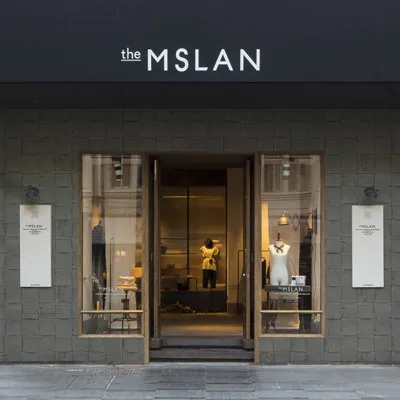
Walk through the history of architecture, and you'll find one material that stands the test of time, gracing the walls of ancient wonders and modern marvels alike: travertine. Its warm, earthy tones and unique, naturally pitted texture evoke a sense of timeless elegance and permanence. From the Roman Colosseum to the Getty Center in Los Angeles, travertine has been the go-to choice for architects aiming to blend natural beauty with monumental presence. But let's be honest. In today's fast-paced world of construction, this classic material comes with a hefty set of challenges. It's incredibly heavy, astronomically expensive, notoriously difficult to install, and its quarrying raises serious environmental questions.
So, what if you could capture the soul of travertine without its burdens? What if you could clad a skyscraper, a boutique hotel, or a luxury home in its beautiful, textured finish, but with a material that's lightweight, flexible, sustainable, and far more cost-effective? This isn't a futuristic dream; it's the reality made possible by an innovative material shaking up the industry. We're talking about Modified Cementitious Material, or MCM, and specifically, the stunning Mosaic Travertine MCM Panels pioneered by COLORIA GROUP. This article is your deep dive into how this revolutionary product is changing the game for modern building facades , offering architects and designers unprecedented creative freedom.
To truly appreciate the innovation of MCM, we first need to understand why travertine has been so beloved for centuries. Its appeal is multi-faceted. Aesthetically, it's a masterpiece of nature. Formed by mineral deposits from natural springs, each slab tells a unique geological story. Its signature pores and troughs, fibrous patterns, and soft, creamy color palette—ranging from ivory and beige to golden brown and silver-grey—bring a sense of organic warmth and sophistication to any structure. It feels both ancient and contemporary, luxurious and grounded. When you see a building clad in travertine, it doesn't just look solid; it feels connected to the earth.
However, translating this natural beauty into a finished building is a monumental task fraught with practical and financial hurdles. The very things that make natural stone "natural" are also its biggest weaknesses in modern construction. Let's break down the common pain points that architects, developers, and builders face:
For decades, the industry has been searching for a holy grail: a material that delivers the authentic aesthetic of travertine without this long list of drawbacks. That search has led to the development of Modified Cementitious Material (MCM), a solution that isn't just a substitute but a genuine upgrade.
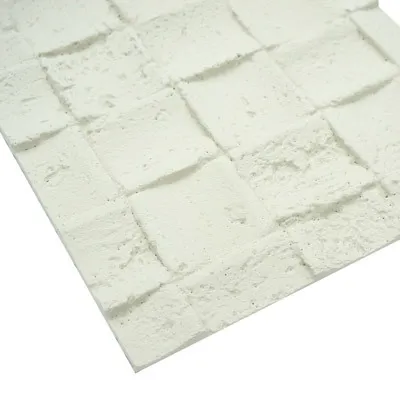
So, what exactly is this "MCM" that's causing such a stir? The term stands for Modified Cementitious Material, and it represents a paradigm shift in how we think about surface materials. At its core, MCM is an advanced composite material developed by COLORIA GROUP, crafted from a precise blend of natural ingredients. Think of it as a high-tech recipe: the primary components are ordinary mineral powders like natural stone powder, sand, and other inorganic materials, which are then mixed with a small amount of water-based polymer as a bonding agent.
Through a proprietary, low-carbon cold-curing process, this mixture is transformed into thin, lightweight, and flexible panels. The magic lies in the molecular-level modifications that give the material its extraordinary properties, allowing it to mimic an endless array of natural textures with astonishing realism—from wood grain and slate to, you guessed it, the intricate surface of travertine. COLORIA GROUP has spent decades perfecting this technology, positioning itself as a one-stop solution provider for architects seeking both beauty and performance.
The benefits of MCM are not just incremental improvements; they are transformative. They address every single one of the challenges posed by natural stone.
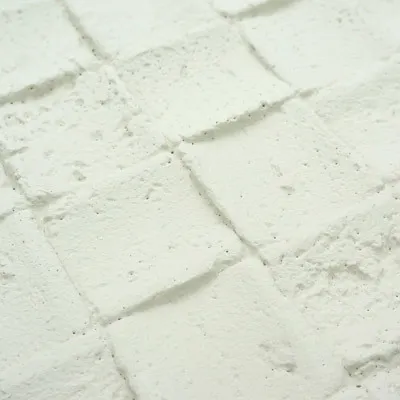
Now, let's bring it all together and focus on the star of the show: the Mosaic Travertine MCM Panel from COLORIA GROUP. This product is the perfect fusion of timeless aesthetics and cutting-edge material science. It's not just a "look-alike"; it's a carefully engineered surface that captures the very essence of travertine while delivering superior performance.
The realism of COLORIA GROUP's travertine finish is breathtaking. Through advanced molding and 3D printing technologies, every characteristic detail of natural travertine is replicated with incredible fidelity. The subtle color variations, the soft, matte finish, and even the signature pits and pores that give travertine its character are all present. But unlike nature, which can be unpredictable, MCM offers a level of control and consistency that is an architect's dream. You get the organic, non-repetitive look of a natural material, but with the assurance of consistent quality and tone across the entire project.
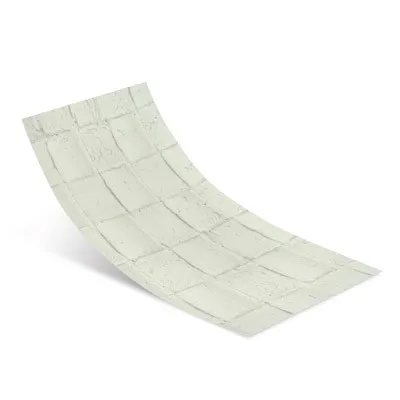
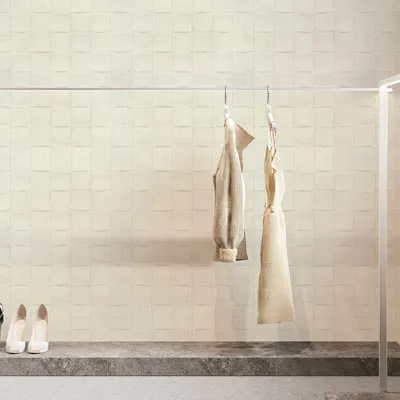
Furthermore, the "mosaic" format offers another layer of design sophistication. It can be designed to mimic traditional small-format mosaic tiles or modern, linear stacked stone, all within a single, easy-to-install panel. This eliminates the painstaking process of laying individual tiles, ensuring perfect alignment and drastically reducing installation time. The customization possibilities are virtually endless, allowing for bespoke blends of color, texture, and pattern to suit any project's unique vision.
| Feature | COLORIA GROUP Mosaic Travertine MCM Panel | Natural Travertine Slab |
|---|---|---|
| Weight | Extremely light (approx. 5-7 kg/m²). No structural reinforcement needed. | Extremely heavy (approx. 80-90 kg/m²). Requires significant structural engineering and support. |
| Thickness | Ultra-thin (approx. 2.5-4 mm). Ideal for retrofitting over existing surfaces. | Thick (typically 20-30 mm). Reduces interior space and is difficult to retrofit. |
| Flexibility | Highly flexible. Can be bent to wrap around curves, corners, and columns seamlessly. | Zero flexibility. Brittle and can only be used on flat surfaces or cut into segments for curves. |
| Installation | Fast, simple, and clean. Cut with a utility knife and applied with a special adhesive. Lower labor costs. | Slow, complex, and messy. Requires heavy machinery, mechanical fixings, wet cutting, and specialized labor. High labor costs. |
| Cost-Effectiveness | Significantly lower overall project cost (material, transport, labor, structural savings). | Very high material, transportation, and installation costs. One of the most expensive facade options. |
| Safety (Fire) | Class A2 fire rating. Non-combustible and does not produce toxic smoke. | Class A1 fire rating (non-combustible). However, can crack or spall under extreme heat. |
| Durability | Impact-resistant, freeze-thaw resistant, waterproof, and UV stable. Excellent weatherability. | Durable but porous. Can stain and is susceptible to damage from acid rain and freeze-thaw cycles if not properly sealed. |
| Environmental Impact | Low-carbon production. Made from natural/recycled materials. Lightweight transport reduces emissions. | High-impact quarrying process. High-energy processing and heavy transport lead to a large carbon footprint. |
The mosaic travertine finish is not a standalone product but a versatile aesthetic that can be applied across COLORIA GROUP's specialized product lines, offering tailored solutions for different architectural needs.
The true test of any building material is how it performs in the real world. Mosaic Travertine MCM Panels are not just a theoretical wonder; they are actively transforming the exteriors and interiors of buildings across the globe.
The primary application for these panels is on exterior building facades , where they offer an unparalleled combination of beauty and resilience.
The benefits of MCM extend indoors, where its light weight and thin profile make it a fantastic tool for interior designers.
To call Mosaic Travertine MCM Panels from COLORIA GROUP a mere "alternative" to natural stone would be a disservice. It is a fundamental advancement in material science that solves age-old architectural problems. It preserves the timeless beauty that we love in classic materials while injecting the intelligence, efficiency, and sustainability that modern construction demands.
By offering a solution that is aesthetically liberating, technically superior, economically sensible, and environmentally responsible, COLORIA GROUP is empowering architects, designers, and builders. They are no longer forced to compromise between their creative vision and the practical constraints of budget, logistics, and engineering. With MCM, they can design and build the landmarks of the future, clad in the timeless elegance of the past, but engineered for the demands of tomorrow. It's the ultimate expression of a true one-stop solution provider: turning imaginative concepts into tangible, breathtaking reality.
Recommend Products












