
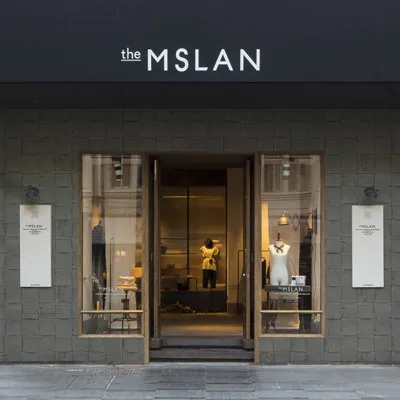
Cities are growing faster than ever. Skyscrapers touch the clouds, neighborhoods expand into once-empty lands, and our urban spaces are buzzing with life. But here's the thing: all this growth comes with a cost. Traditional building materials often leave a heavy footprint—from quarries digging into mountains to factories churning out emissions. That's where sustainable solutions step in, and one name stands out in the world of green construction: mosaic travertine . It's not just a pretty face; it's a material that's redefining how we build for the future.
Imagine walking through a city where the buildings don't just look good, but do good too. Where the walls breathe, the floors stay cool in summer, and every stone tells a story of responsibility. That's the vision behind COLORIA GROUP's approach to building materials. As a global provider of one-stop construction solutions, they've made it their mission to blend innovation with sustainability. And at the heart of this mission? Products like mosaic travertine, designed to make green cities not just a dream, but a daily reality.
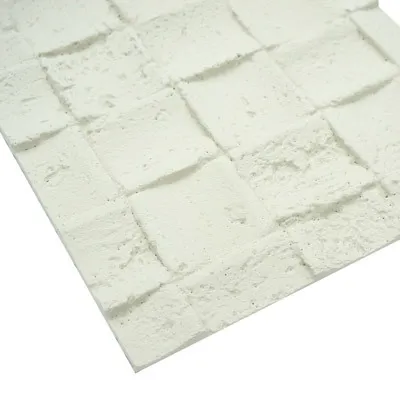
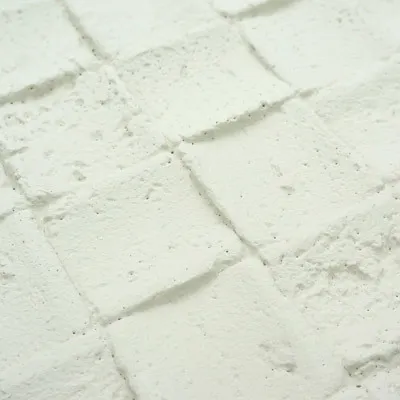
First, let's talk about what mosaic travertine actually is. Travertine itself is a natural stone, formed over centuries by mineral-rich water flowing through limestone. It's known for its unique texture—those tiny holes and grooves that give it character—and its warm, earthy tones. But mosaic travertine takes this a step further. It's crafted into small, interlocking pieces that fit together like a puzzle, allowing for endless design possibilities. And when paired with COLORIA GROUP's MCM (Modified Cementitious Material) technology, it becomes something even more special: a sustainable, durable, and versatile building material.
Sustainability isn't just a buzzword here. Mosaic travertine, especially when part of the MCM family, is designed to minimize environmental impact. Traditional stone extraction can be harsh on ecosystems, but COLORIA GROUP's process uses modified cementitious materials that reduce the need for excessive quarrying. The production process is low-energy, cutting down on carbon emissions, and the materials are often recyclable. Think about it: a building clad in mosaic travertine isn't just using stone—it's using stone smarter.
And let's not forget about longevity. A material that lasts longer means less frequent replacement, which in turn means less waste. Mosaic travertine is tough; it can handle harsh weather, heavy foot traffic, and the test of time. So instead of tearing down and rebuilding every few decades, cities can invest in materials that grow with them.
Cities aren't just functional—they're works of art. Mosaic travertine understands that. With its small, modular pieces, architects and designers can create intricate patterns, bold colors, and unique textures that turn ordinary walls and floors into statements. Want a feature wall that looks like a starry night? There's travertine (starry green) for that. Dreaming of a floor that mimics the flow of a river? Mosaic travertine can do that too. It's like having a blank canvas that's also eco-friendly.
This flexibility isn't just about aesthetics. It also makes installation easier. Mosaic pieces are lightweight, which means less labor, less time, and lower transportation costs. For large projects—like commercial complexes or public plazas—this can make a huge difference in both budget and environmental impact. Less fuel used to transport heavy materials, fewer workers needed on-site, and a faster timeline to reduce construction-related emissions. It's a win-win.
If you've ever walked barefoot on concrete on a hot day, you know how uncomfortable it can get. Traditional building materials absorb heat, turning cities into "heat islands" that are warmer than surrounding rural areas. Mosaic travertine, though? It's a natural insulator. Its porous structure helps regulate temperature, keeping surfaces cooler in summer and warmer in winter. That means less reliance on air conditioning and heating, which translates to lower energy bills and fewer greenhouse gas emissions.
In places like the Middle East, where temperatures soar, this is a game-changer. COLORIA GROUP's presence in Saudi Arabia isn't just about business—it's about providing solutions that work for the local climate. Imagine a shopping mall with mosaic travertine floors that stay cool even in 40°C heat. Shoppers stay comfortable, the mall uses less energy, and the planet breathes a little easier. That's the power of smart, sustainable materials.
Mosaic travertine is a star, but it doesn't shine alone. COLORIA GROUP's MCM product line is a family of sustainable building materials, each with its own superpowers. Let's take a closer look at a few key players that work hand-in-hand with mosaic travertine to build greener cities.
| MCM Product | Key Benefit | Best For |
|---|---|---|
| Mosaic Travertine | Design flexibility, natural insulation | Feature walls, floors, public plazas |
| MCM Flexible Stone | Lightweight, easy to install on curved surfaces | Exterior cladding, renovation projects |
| MCM 3D Printing Series | Custom designs, minimal waste | Unique architectural elements, art installations |
| MCM Big Slab Board Series | Faster installation, fewer seams | Large-scale commercial buildings, high-rises |
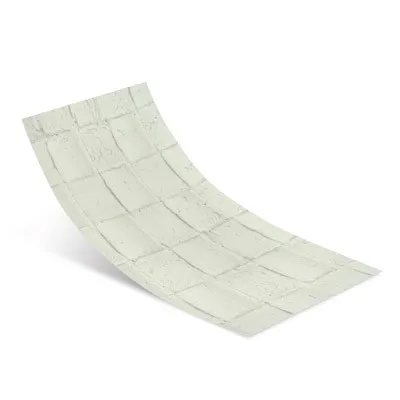
Ever wished stone could bend? MCM Flexible Stone makes that possible. Unlike traditional rigid stone panels, this material is flexible, lightweight, and easy to maneuver. It can wrap around columns, follow curved walls, or be applied to uneven surfaces with minimal effort. For older buildings being renovated, this is a lifesaver. Instead of tearing down walls to install heavy stone, you can apply flexible stone directly, preserving the building's history while upgrading its look.
And because it's part of the MCM family, it shares the same eco-friendly credentials. Low carbon footprint, recyclable materials, and long-lasting durability. Pair it with mosaic travertine, and you've got a combo that's both beautiful and practical. Imagine a museum with curved walls clad in flexible stone, accented with mosaic travertine floors. It's modern, sustainable, and tells a story of innovation.
3D printing isn't just for toys or gadgets—it's revolutionizing construction. COLORIA GROUP's MCM 3D Printing Series uses modified cementitious materials to print building components with incredible precision. Need a custom-designed facade panel? Print it. Want a unique light fixture that's both functional and artistic? Print it. The possibilities are endless, and the best part? 3D printing reduces waste by only using the material needed, unlike traditional manufacturing which often cuts away excess.
When combined with mosaic travertine, 3D printed elements can add depth and texture to a project. For example, a 3D printed frame around a mosaic travertine feature wall creates a dynamic contrast between modern technology and natural beauty. It's a perfect example of how sustainability and innovation can go hand in hand.
Sometimes, bigger is better—especially when it comes to building materials. The MCM Big Slab Board Series offers large, seamless panels that cover more area with fewer pieces. This means faster installation, fewer seams (which can be weak points in a structure), and a cleaner, more modern look. For high-rise buildings or large commercial spaces, this is a game-changer. Less time on-site means lower labor costs and reduced construction emissions, and the large slabs still maintain the eco-friendly properties of the MCM line.
Imagine a skyscraper clad in big slab boards, with mosaic travertine accents at the entrance. It's a statement of strength and sustainability, showing that even the largest buildings can be kind to the planet.
Talk is cheap—what really matters is how these materials perform in the real world. COLORIA GROUP has worked on projects around the globe, and their MCM products, including mosaic travertine, are making a tangible difference in cities from the Middle East to beyond.
In Riyadh, Saudi Arabia, a new shopping mall was designed with sustainability as its core. The developers wanted a building that would stand out aesthetically while minimizing its environmental impact. Enter COLORIA GROUP's MCM products. The exterior cladding uses MCM Flexible Stone, chosen for its lightweight properties (reducing the building's structural load) and heat-resistant qualities (keeping the interior cool in Riyadh's hot climate). Inside, the atrium features a stunning mosaic travertine floor in travertine (starry green) , creating a calming, nature-inspired space that reduces the need for artificial lighting.
The results? The mall uses 30% less energy than comparable buildings in the area, thanks to the insulating properties of the MCM materials. Shoppers love the cool, comfortable environment, and the developers are proud to have a project that aligns with Saudi Arabia's Vision 2030 goals for sustainability. It's a win for the planet, a win for business, and a win for the community.
In a bustling European city, an old urban park was in need of a makeover. The goal was to create a space that was both beautiful and eco-friendly, encouraging residents to connect with nature. The design team chose mosaic travertine for the pathways, using a mix of earthy tones to blend with the surrounding greenery. The MCM Big Slab Board Series was used for the park's pavilions, providing durable, low-maintenance surfaces that can withstand heavy rain and foot traffic.
The difference was immediate. The mosaic travertine pathways stay cool even on hot days, making them perfect for summer strolls. The big slab pavilions require little upkeep, reducing the park's maintenance budget and carbon footprint. Local residents now spend more time in the park, and the project has become a model for sustainable urban design in the region.
The demand for sustainable building materials is only going to grow. As cities expand and climate change becomes an increasingly urgent issue, materials like mosaic travertine and the MCM product line will play a crucial role in building a better future. COLORIA GROUP is already looking ahead, investing in research to make their materials even more eco-friendly. Imagine MCM panels that generate solar energy, or mosaic travertine that purifies the air—these aren't just dreams; they're possibilities on the horizon.
But sustainability isn't just about the materials themselves. It's about the mindset shift—designing buildings that work with nature, not against it. Mosaic travertine, with its natural origins and modern innovation, embodies this shift. It's a reminder that we don't have to sacrifice beauty for sustainability, or vice versa. We can have both.
So the next time you walk through a city, take a moment to look at the buildings around you. The walls, the floors, the facades—they all tell a story. With materials like mosaic travertine, that story can be one of hope, innovation, and respect for our planet. Green cities aren't just coming—they're here, and they're built on materials that care.
In the end, building a green city isn't about one material or one company. It's about a collective commitment to doing better. But every journey starts with a single step, and mosaic travertine is a step in the right direction. It's proof that sustainability can be beautiful, practical, and accessible to all. And that's a future worth building.
Recommend Products












