

Travertine has been used in architecture for thousands of years, yet it still looks perfectly at home in a modern kitchen or bathroom. When this natural stone is cut into small mosaic pieces, it becomes one of the most versatile materials you can put behind a stove or sink. Mosaic travertine tiles wrap easily around outlets, windows and corners, and their soft, pitted surface adds texture and warmth that flat tiles simply cannot match.
A backsplash has a demanding job. It sits right where cooking splashes, steam and everyday mess happen, so the material needs to look good and hold up to use. Mosaic travertine handles both well:
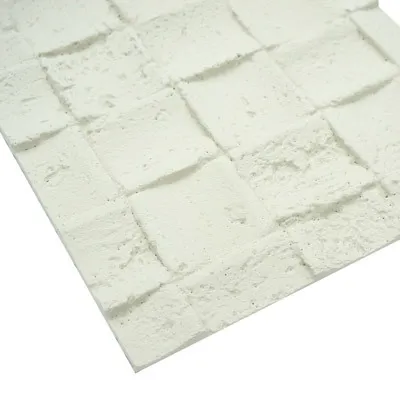
One of the great things about travertine mosaic tiles is that the same stone can create completely different moods depending on the pattern you choose. Here are six layouts that consistently look good:
Elongated travertine pieces laid in a running bond give you the familiar subway look with a warmer, more organic finish. It is a safe choice that works in both traditional and contemporary kitchens.
Arranging the pieces in a V-shaped herringbone pattern adds movement and a sense of craftsmanship. It draws the eye along the wall and makes a small kitchen feel more considered.
Pairs of tiles set at right angles create a woven, basket-like effect. This pattern has a relaxed, Mediterranean character and looks especially good with beige and ivory travertine.
Small round or hexagonal pieces give a soft, organic texture that feels almost fabric-like on the wall. These shapes work well behind a freestanding range or around a vanity mirror.
Combining different tile sizes, or adding a contrasting mosaic border at counter height, breaks up a large plain area and gives the backsplash a finished, designed look.
Extending the mosaic from the countertop all the way to the ceiling turns the backsplash into a feature wall. It is a bold move, but one that adds real depth to a kitchen or bathroom.
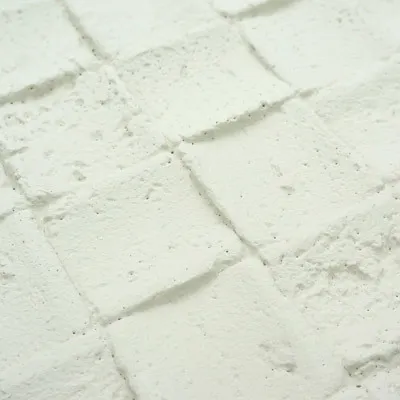
Mosaic travertine performs well in both rooms, though the details differ. In the kitchen, it is durable and heat-resistant, making it a dependable choice behind a stove or around a sink. In the bathroom, it brings a spa-like warmth to the vanity wall and shower niche. The key difference is sealing: because travertine is a porous stone, bathroom installations need a good quality sealer to keep moisture out.
Getting the installation right matters more than the pattern. A few simple rules will keep the result looking clean for years:
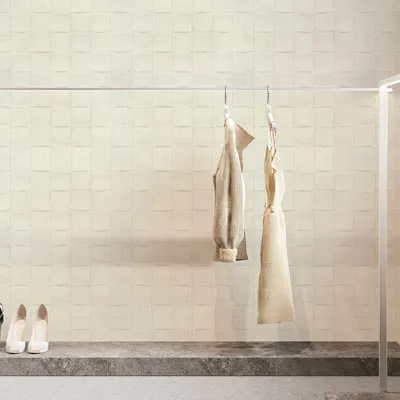
Looking after a travertine mosaic backsplash is straightforward. Wipe it down with a mild stone cleaner and a soft cloth, avoid acidic products such as lemon or vinegar sprays, and reseal the surface once a year. With that simple routine, the backsplash will keep its natural beauty for decades.
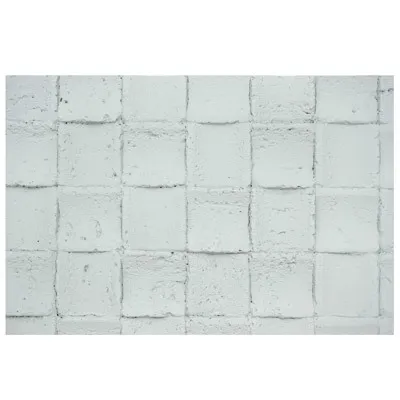
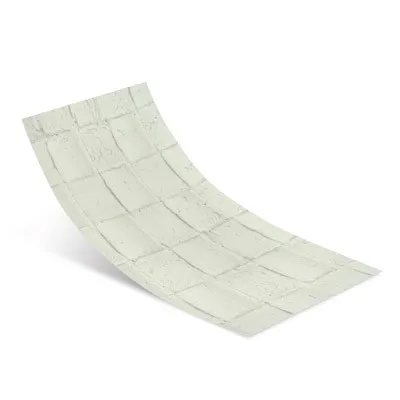
If you love the look of travertine but want something lighter and easier to work with, consider MCM flexible stone. Made by Coloria Group, a Foshan-based manufacturer of modified clay building materials, this flexible stone reproduces the texture and colour of natural travertine in a thin, bendable sheet. It is far lighter than natural stone, which makes transport and installation simpler, and it can follow curved walls and renovation surfaces where rigid tiles are difficult to fit. It is a practical option for both new builds and retrofit projects.
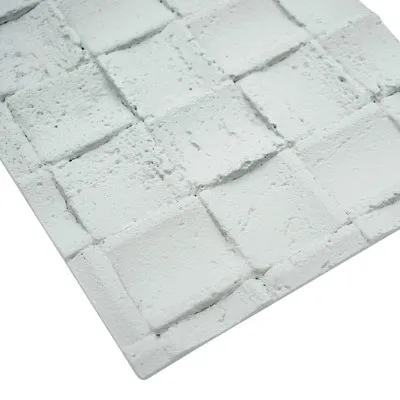
Mosaic travertine tiles offer a rare combination of natural beauty, practical durability and design flexibility. Whether you choose a classic subway layout, a bold herringbone, or a soft penny-round finish, the result is a backsplash that feels warm and timeless rather than trendy. Pair the right pattern with proper sealing and a careful installation, and your kitchen or bathroom will have a feature that looks just as good in twenty years as it does on day one.
Recommend Products












