
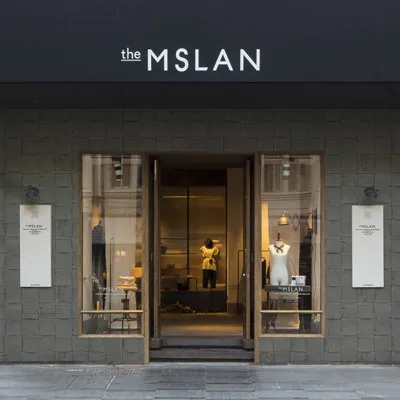
In today's fast-paced business world, the office is more than just a workspace—it's a reflection of your brand's identity, a canvas for employee creativity, and a silent storyteller that greets every client who walks through the door. Among the many elements that shape this narrative, wall finishes stand out as one of the most impactful. They set the tone, influence mood, and even affect productivity. This is where mosaic travertine tiles step in, offering a perfect blend of timeless elegance and contemporary flair that transforms ordinary offices into inspiring environments. But what makes these tiles so special? And how do they harmonize with other innovative materials to create cohesive, professional spaces? Let's dive in.
Before we explore the specifics of mosaic travertine tiles, let's pause to consider why office design deserves such attention. Research shows that employees spend up to 90% of their time indoors, and the quality of that environment directly impacts their well-being and performance. A sterile, uninspired office can drain energy, while a thoughtfully designed space—with textures, colors, and materials that engage the senses—can boost motivation, foster collaboration, and even reduce stress.
Clients, too, form judgments within seconds of entering your office. A wall finish that feels cold or generic might signal a lack of attention to detail, while one that balances sophistication with warmth can communicate professionalism and creativity. This is the sweet spot mosaic travertine tiles aim to hit: they're not just about looking good—they're about creating spaces that work as hard as your team does.
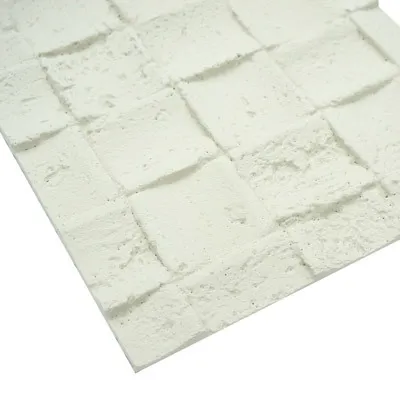
Travertine itself is a natural stone with a rich history, used in iconic structures from the Colosseum to modern landmarks. Its unique porous texture, formed by mineral deposits in hot springs, gives it a distinct character—subtle yet full of depth. When crafted into mosaic tiles, this texture becomes a design tool, allowing for intricate patterns that add visual interest without overwhelming the space.
Take, for example, travertine (starry green) —a variant that mimics the night sky with tiny, iridescent flecks scattered across a soft green base. Imagine this tile gracing the walls of a tech startup's brainstorming room: the gentle green hue calms the mind, while the "starry" details spark curiosity and creativity. It's a far cry from the flat, lifeless paint often found in corporate settings. Similarly, neutral tones like travertine (beige) or dolomitic travertine (dark grey) offer versatility, pairing seamlessly with bold accent colors or minimalist furniture to suit any brand personality.
But what truly sets mosaic travertine tiles apart is their adaptability. Unlike large slabs, which can feel heavy in small spaces, mosaic tiles allow for flexibility in design. Whether arranged in classic herringbone patterns, modern geometric grids, or even custom logos, they let you tailor the wall to your brand's story. And because each tile is a small piece of a larger picture, they're surprisingly forgiving—hiding minor imperfections and aging gracefully over time, much like a well-established business.
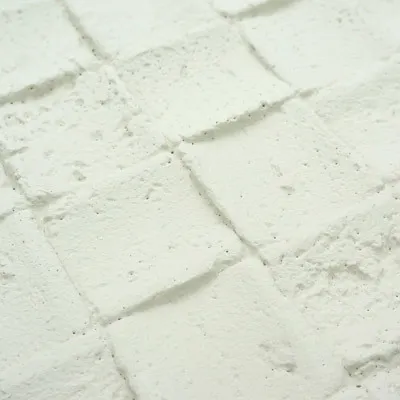
While mosaic travertine tiles shine on their own, their true potential is unlocked when paired with other advanced materials from COLORIA GROUP's MCM lineup. Two standouts in this regard are MCM Flexible Stone and MCM 3D Printing Series —innovations that extend the boundaries of what's possible in office design.
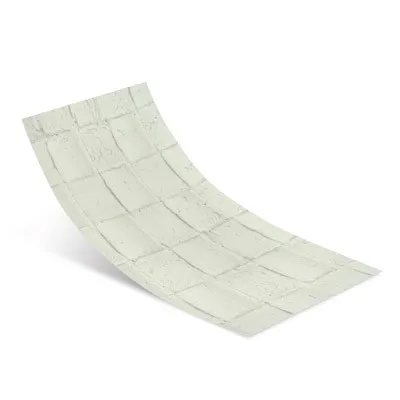
Traditional stone is heavy and rigid, limiting its use to flat surfaces. MCM Flexible Stone changes that. Made from modified cementitious materials, it's lightweight (up to 80% lighter than natural stone) and flexible enough to wrap around curves, columns, or even ceiling features. This opens up a world of design possibilities, especially when combined with mosaic travertine tiles.
Picture a reception area where the main wall is clad in mosaic travertine (starry blue), creating a striking focal point. Adjacent to it, a curved wall—once a design challenge—is now covered in MCM Flexible Stone in a complementary shade, like bamboo mat board. The contrast between the structured mosaic pattern and the organic, flexible stone adds depth, making the space feel dynamic yet cohesive. And because it's so lightweight, installation is faster and less disruptive—critical for businesses that can't afford lengthy downtime during renovations.
Durability is another key advantage. MCM Flexible Stone is resistant to moisture, fire, and impact, making it ideal for high-traffic areas like hallways or break rooms. It's also low-maintenance: a quick wipe with a damp cloth is all it takes to keep it looking fresh, unlike natural stone which may require regular sealing.
For offices that want to push the envelope, MCM 3D Printing Series offers a level of customization that's hard to match. Using advanced 3D printing technology, COLORIA GROUP can create panels with intricate, three-dimensional patterns—think wave panels that mimic the flow of water, or geometric designs that reflect your brand's logo. When paired with mosaic travertine tiles, these 3D-printed elements add a sculptural quality that turns walls into works of art.
Consider a conference room where one wall features mosaic travertine tiles in a neutral tone, providing a calm backdrop for presentations. Opposite it, a wave panel from the 3D Printing Series adds movement, breaking up the monotony and sparking conversation. Or imagine a CEO's office where a 3D-printed accent wall, designed to echo the of the mosaic travertine floor, creates a sense of continuity and luxury. The best part? Because it's 3D printed, you're not limited to off-the-shelf designs—every panel can be tailored to your exact vision, ensuring your office feels truly one-of-a-kind.
To truly understand the impact of these materials, let's walk through a hypothetical office design, zone by zone, and see how mosaic travertine tiles, MCM Flexible Stone , and MCM 3D Printing Series can work together.
| Office Zone | MCM Product Pairing | Design Goal | Result |
|---|---|---|---|
| Reception Area | Mosaic Travertine (Starry Green) + MCM Flexible Stone (Rust Square Line Stone) | Make a memorable first impression | The starry green mosaic creates a sophisticated focal point, while the rust square line stone adds warmth and texture, welcoming visitors with a blend of elegance and approachability. |
| Open Workspace | Mosaic Travertine (Beige) + MCM 3D Printing Wave Panels | Reduce visual fatigue, boost focus | Neutral beige mosaic tiles keep the space calm, while wave panels add subtle movement, preventing the area from feeling sterile and encouraging gentle visual breaks. |
| Meeting Room | Mosaic Travertine (Dark Grey Dolomitic) + MCM 3D Printing Custom Logo Panel | Reinforce brand identity | Dark grey tiles convey professionalism, while a 3D-printed logo panel (matching company colors) turns the wall into a brand statement, making meetings feel purposeful. |
| Break Room | MCM Flexible Stone (Pine Bark Board) + Mosaic Travertine (Starry Orange) | Create a relaxed, inviting vibe | Pine bark board's organic texture feels like a breath of fresh air, while starry orange mosaic tiles add energy, encouraging employees to recharge and connect. |
Each pairing is designed to address the unique needs of the space. The reception area needs to impress, so bold textures and colors take center stage. The open workspace, where focus is key, leans into calm neutrals with subtle accents. The break room prioritizes comfort, using materials that evoke nature and warmth. This level of customization is what makes MCM products so powerful—they don't just fill space; they enhance how people experience it.
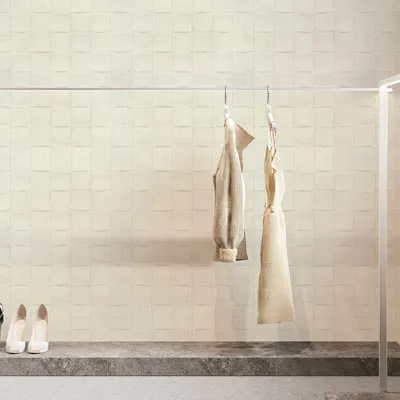
In today's world, design can't ignore sustainability. Clients and employees alike care about the environmental impact of the spaces they occupy, and wall finishes are no exception. Mosaic travertine tiles, as part of COLORIA GROUP's MCM lineup, excel here. The modified cementitious materials used in all MCM products are eco-friendly: they're low in volatile organic compounds (VOCs), require minimal energy to produce, and are fully recyclable at the end of their lifecycle.
MCM Flexible Stone takes this a step further. Because it's lightweight, it reduces the need for heavy structural support, lowering the carbon footprint of construction. And MCM 3D Printing Series minimizes waste by using only the material needed for each design—unlike traditional manufacturing, which often produces excess scraps. Choosing these materials isn't just a design decision; it's a commitment to building a better future, one office wall at a time.
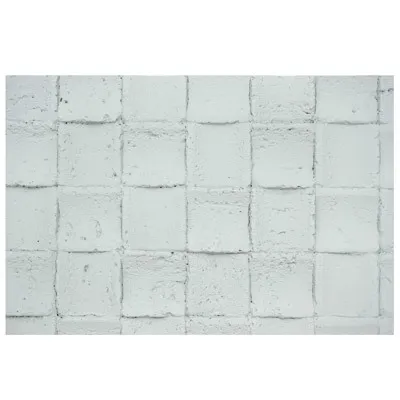
With so many material options on the market, why choose COLORIA GROUP for your office project? The answer lies in their approach to "one-stop solutions." As a provider with decades of experience—including a strong presence in global markets like Saudi Arabia—they understand that designing an office involves more than just picking tiles. It requires coordination, expertise, and a partner who can guide you from concept to completion.
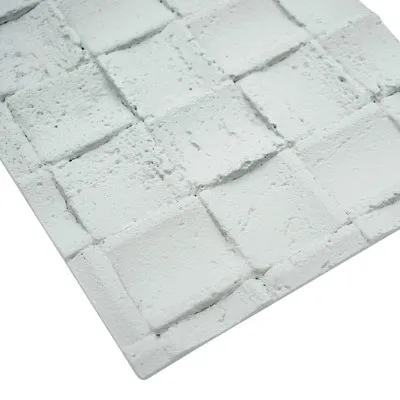
At the end of the day, mosaic travertine tiles, MCM Flexible Stone , and MCM 3D Printing Series are more than just building materials. They're tools for crafting experiences—experiences that make employees proud to come to work, clients eager to collaborate, and brands stand out in a crowded market. They remind us that offices don't have to be functional but forgettable; they can be spaces that tell stories, spark ideas, and reflect the heart of your business.
So, as you plan your next office renovation or new build, consider this: your walls are talking. What do you want them to say? With COLORIA GROUP's MCM products, the answer can be one of creativity, professionalism, and timeless style—all wrapped into a finish that feels as human as the people who use your space.
Recommend Products












