
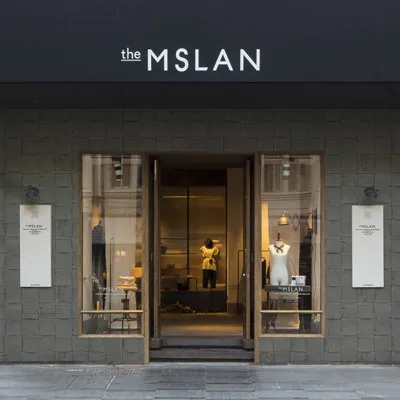
Walk through Riyadh's rising skyline or Jeddah's coastal developments, and you'll notice a striking trend: Saudi Arabia's architectural scene is undergoing a transformation. Developers and designers are no longer choosing between tradition and modernity—they're weaving them together. They want buildings that honor the region's rich cultural heritage while embracing cutting-edge sustainability and customization. Yet for years, one challenge has lingered: finding materials that can keep up with these ambitions. Heavy natural stones crack under desert heat, rigid cladding limits creative designs, and generic tiles fail to tell unique stories. Enter COLORIA GROUP's MCM (Modified Cementitious Material) solutions—where innovation meets emotion, and mosaic travertine tiles become more than just surfaces, but storytellers.
At the heart of COLORIA's offerings lies MCM, a modified cementitious material born from decades of industry expertise. Think of it as nature's resilience reimagined through science: taking the durability of cement, the beauty of natural stone, and infusing it with flexibility, lightness, and eco-friendliness. Unlike traditional concrete or stone, MCM breathes—literally. Its porous structure allows buildings to regulate temperature, a game-changer in Saudi Arabia's scorching summers. And because it's crafted from recycled minerals and low-carbon processes, it aligns with the Kingdom's Vision 2030 goals for sustainable construction. But what truly sets MCM apart? It's a canvas. A blank slate that can mimic the of ancient Nabataean stone, the sparkle of desert stars, or the fluidity of modern art—all while being lighter than traditional materials, easier to install, and built to last.
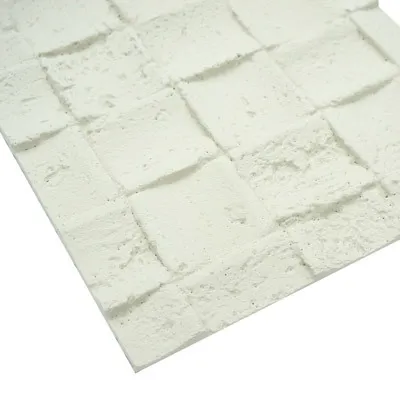
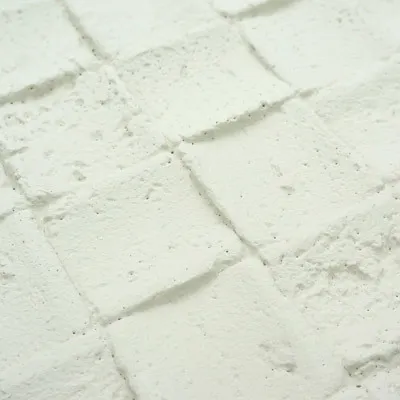
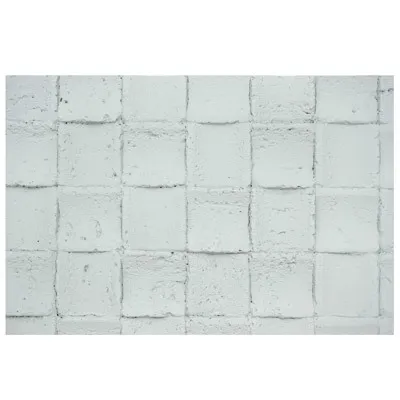
If MCM is the canvas, then mosaic travertine tiles are the masterpiece. Travertine, a stone cherished in Middle Eastern architecture for centuries, is known for its warm tones, unique pitting, and timeless elegance. But traditional travertine mosaics? They're often heavy, hard to customize, and prone to cracking under thermal stress. COLORIA's Mosaic Travertine Tiles change that. Take, for example, the Travertine (Starry Green) variant—a crowd favorite in Saudi projects. Its surface shimmers with tiny, iridescent flecks that catch the light like a desert sky at night, earning it the nickname "" (Starry Green) among designers. When crafted into mosaic patterns, these tiles become more than cladding; they become art. Imagine a hotel lobby where the walls tell a story of Saudi constellations, or a residential complex where mosaic travertine pathways mirror the winding routes of ancient caravans.
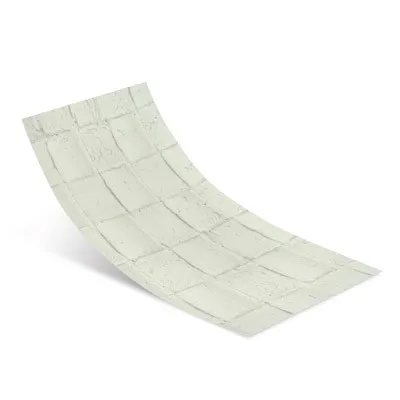
But the beauty isn't just skin-deep. These mosaics are built on COLORIA's MCM Flexible Stone technology, making them surprisingly flexible. Unlike rigid stone tiles that snap under movement, these tiles bend slightly—perfect for curved walls or uneven surfaces common in modern Saudi architecture. They're also lightweight, reducing structural load by up to 60% compared to traditional travertine. For contractors, this means faster installation, lower labor costs, and fewer safety risks on high-rise projects. And because they're prefabricated, there's minimal waste—another win for sustainability.
Behind every stunning mosaic travertine tile is a suite of MCM innovations. Two technologies stand out as game-changers for Saudi construction:
Flexibility here isn't just a buzzword. These panels are engineered to withstand Saudi's extreme temperature swings—from freezing desert nights to 50°C summer days—without warping or fading. Their secret? A proprietary blend of polymers and natural fibers that give them elasticity while maintaining strength. Installers love them because they cut like butter with standard tools, and their light weight means they can be mounted directly onto existing walls without heavy steel supports. For a recent mall project in Dammam, a contractor reported cutting installation time by 40% compared to traditional marble mosaics—all while achieving a more intricate design.
Customization is king in Saudi's luxury construction market, and 3D printing takes it to the next level. COLORIA's MCM 3D Printing Series allows designers to create mosaic patterns that were once impossible with traditional methods. Want a mosaic that spells out a company's logo in Arabic calligraphy? Or a geometric pattern inspired by traditional Najdi weaving? 3D printing makes it possible. The process uses MCM as "ink," layering material with precision to build up complex textures and shapes. And because it's digital, adjustments are easy—no need to re-carve stone if a design tweak is needed. In Riyadh's new cultural center, for example, 3D-printed mosaic travertine tiles were used to replicate the intricate latticework of traditional "mashrabiya" screens, but with a modern, lightweight twist.
| Feature | Traditional Travertine Mosaics | COLORIA MCM Mosaic Travertine Tiles |
|---|---|---|
| Weight | Heavy (80-100 kg/m²) | Lightweight (25-35 kg/m²) |
| Installation Time | 3-4 days per 100 m² | 1-2 days per 100 m² |
| Thermal Resistance | Prone to cracking in temperature swings | Withstands -20°C to 70°C without damage |
| Customization | Limited to simple patterns | Unlimited designs via 3D printing |
| Environmental Impact | High carbon footprint (quarrying, transport) | 85% recycled materials, low-carbon production |
COLORIA isn't just a supplier—they're a partner. With a dedicated (agency) in Saudi Arabia, the team understands the nuances of local construction: from strict building codes to the need for materials that can handle sandstorms and humidity. Their technical support team is on the ground, offering training for installers, design consultations, and rapid troubleshooting. For contractors working on tight deadlines, this local presence is invaluable. "We don't just ship materials; we walk the project with you," says a COLORIA Saudi representative. "Whether it's adjusting a mosaic design to match a client's vision or ensuring panels arrive on-site before Ramadan, we're here."
And it's paying off. Top Saudi construction firms—names behind Riyadh's tallest towers and Jeddah's luxury resorts—are turning to COLORIA's MCM solutions. Why? Because they deliver on three promises: beauty that endures, innovation that simplifies, and sustainability that aligns with the Kingdom's future.
At the end of the day, construction is about more than bricks and mortar. It's about creating spaces that inspire, that connect people to their heritage, and that stand the test of time. COLORIA's Mosaic Travertine Tiles—powered by MCM Flexible Stone and 3D printing technology—do just that. They're not just "building materials"; they're tools for storytelling. Tools that let Saudi architects and developers write new chapters in the Kingdom's architectural legacy, blending the wisdom of the past with the innovation of the future.
So, whether you're designing a mosque that honors tradition, a hotel that wows international visitors, or a home that feels like a sanctuary, remember: the right materials turn vision into reality. And in Saudi Arabia, that material is increasingly COLORIA's MCM. Because when you build with heart, science, and respect for place, you don't just build structures—you build legacies.
Recommend Products












