
Walk into any thriving commercial space—a bustling airport terminal, a busy shopping mall, or a sleek office lobby—and you'll notice the details that make it work: the flow of foot traffic, the warmth of lighting, the textures of the walls. But beneath those visible elements lies an invisible foundation that matters most: safety. For architects, builders, and building owners, the challenge has always been balancing that safety with design. How do you create a space that protects lives in a fire while still feeling inviting, modern, or even luxurious? That's where materials like MS Cement Board step into the spotlight—not just as a building product, but as a bridge between security and beauty.
Commercial buildings aren't just structures; they're hubs of human activity. Think about a hotel with hundreds of guests sleeping overnight, or a hospital where patients can't easily evacuate. In these spaces, fire safety isn't a "nice-to-have"—it's a moral and legal imperative. According to the National Fire Protection Association, commercial building fires cause over $2.5 billion in property damage annually, and even small fires can disrupt businesses, endanger lives, and erode trust. For building managers, the stress of ensuring compliance with fire codes is constant. For designers, it can feel like a creative constraint. But what if a material existed that turned that constraint into an opportunity?
MS Cement Board isn't your average construction material. At first glance, you might mistake it for a sleek stone or polished concrete—its surface can be finished to mimic everything from the earthy warmth of travertine to the industrial chic of fair-faced concrete. But beneath that versatile exterior is a core engineered for resilience. Made from a blend of Portland cement, reinforced fibers, and mineral aggregates, it's dense, durable, and—most importantly—incredibly fire-resistant. Unlike wood or drywall, which can ignite or crumble under high heat, MS Cement Board stands firm, acting as a barrier that slows the spread of fire and smoke. It's the kind of material that lets architects breathe easier, knowing their designs won't compromise safety.
Let's talk specifics—without the jargon. Fire resistance in building materials is measured by how long they can withstand extreme heat before failing (known as a "fire rating"). MS Cement Board typically boasts a 2-hour fire resistance rating, meaning it can endure temperatures up to 1,800°F (1,000°C) for two full hours without collapsing or allowing flames to pass through. To put that in perspective: the average commercial fire is contained within 30–60 minutes with proper sprinklers, so a 2-hour rating isn't just compliance—it's a buffer, a second chance for occupants to evacuate and firefighters to respond. How does it do this? The cement matrix doesn't burn, and the reinforced fibers prevent cracking under thermal stress. It's like wrapping a building in a suit of armor that doesn't sacrifice style.
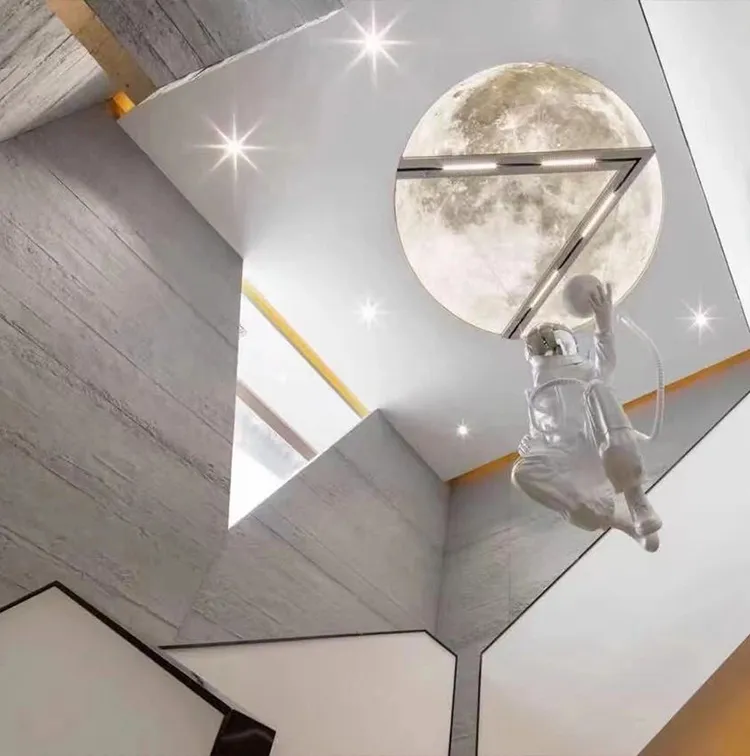
Words can describe fire ratings, but nothing tells the story like ms cement board real photos. These aren't just stock images—they're snapshots of real commercial spaces where safety and design coexist. Take, for example, a recent photo from the lobby of a downtown office tower in Denver. The walls are clad in MS Cement Board finished to look like light grey travertine, with subtle veining that catches the light. A visitor might admire the "natural stone" aesthetic, never realizing it's actually a fire-resistant barrier. In another photo, a retail corridor in a Miami mall uses MS Cement Board in a smooth, fair-faced concrete finish, paired with warm wood accents. The contrast is striking—modern yet inviting—and the material's durability means it stands up to daily scuffs from shopping carts and foot traffic.
Then there's the photo from a hospital in Seattle, where MS Cement Board lines the emergency department walls. Here, the finish is intentionally understated: a matte, neutral tone that calms anxious patients. But hospital administrators know its true value: in the event of a fire, those walls would protect critical care areas, giving medical staff time to move patients to safety. These photos aren't just about aesthetics—they're about purpose. They show that safety doesn't have to look "industrial" or "clinical"; it can be warm, welcoming, and even beautiful.
Fire resistance is the star feature, but MS Cement Board brings more to the table. Let's start with durability. Commercial spaces take a beating—think of a restaurant kitchen wall splattered with grease, or a school hallway with kids running past. MS Cement Board is moisture-resistant, so it won't warp or mold in humid environments. It's also scratch and impact-resistant, meaning it stays looking new for years with minimal maintenance. For building owners, that translates to lower repair costs and longer lifespans for their interiors.
Design flexibility is another win. As the real photos show, MS Cement Board can be customized to fit any aesthetic. Want the rustic charm of a stone cottage? It can mimic masonry stone. Craving the sleek minimalism of a modern hotel? Opt for a polished concrete finish. It can be painted, stained, or left in its natural state, making it a chameleon that adapts to a designer's vision. Unlike natural travertine, which is porous and high-maintenance, or fair-faced concrete, which is heavy and hard to install, MS Cement Board offers the best of both worlds: the look of premium materials without the drawbacks.
Curious how MS Cement Board compares to other popular commercial materials? Let's break it down:
| Material | Fire Resistance Rating | Aesthetic Flexibility | Installation & Maintenance | Best For |
|---|---|---|---|---|
| MS Cement Board | 2-hour (excellent) | High (mimics travertine, fair-faced concrete, etc.) | Lightweight, easy to install; low maintenance | High-traffic areas, fire-critical zones (lobbies, corridors) |
| Fair-Faced Concrete | 1.5-hour (good) | Medium (industrial, modern look) | Heavy, requires skilled labor; prone to cracking | Warehouses, minimalist spaces |
| Natural Travertine | 0.5-hour (poor) | High (natural, elegant veining) | Heavy, porous; requires sealing/cleaning | Low-traffic, non-fire-critical areas (decorative accents) |
| Drywall | 0.5-hour (poor, with fire tape) | Medium (painted, textured) | Easy to install; prone to damage, mold | Residential or low-risk commercial spaces |
As the table shows, MS Cement Board outperforms in fire resistance while matching or exceeding the aesthetic appeal of pricier materials like travertine. It's a practical choice that doesn't force designers to compromise.
Let's zoom in on a real-world example: the 2023 renovation of Riverside Mall, a 30-year-old shopping center in Austin, Texas. The mall's owners faced a dilemma: update the outdated corridors to attract new tenants, while bringing the building up to the latest fire codes. The original drywall and wood paneling in the corridors had a 0.5-hour fire rating—way below the required 1-hour standard for commercial corridors. Designers wanted to maintain the mall's "earthy, welcoming" vibe, so they considered natural stone like travertine but worried about cost and maintenance. Then they discovered MS Cement Board.
The solution? MS Cement Board finished to mimic travertine (starry beige), with warm undertones that complemented the mall's existing tile floors. Installers replaced the drywall with ½-inch MS Cement Board sheets, which were lightweight enough to hang without reinforcing the walls. The result? A 2-hour fire rating (exceeding code requirements) and a corridor that looked like it was clad in expensive natural stone. Post-renovation, shoppers commented on the "fresh, modern feel," and tenants reported increased foot traffic. For the mall owners, it was a win-win: safety compliance and a design upgrade, all within budget. And yes—you can see it all in the ms cement board real photos from the project, which now hang in the architect's portfolio as a "best practices" example.
At the end of the day, building materials are about more than specs—they're about peace of mind. For a school principal, MS Cement Board means knowing students are safe in a fire. For a restaurant owner, it means passing fire inspections without stress. For a designer, it means creating spaces that feel intentional, not just "up to code." In a world where commercial buildings are expected to do more—be safer, more sustainable, more beautiful—MS Cement Board rises to the challenge. It's not just a material; it's a partner in building spaces that people trust.
Commercial design is evolving, and so are the demands on building materials. Today's projects need to be safe, durable, beautiful, and cost-effective—often all at once. MS Cement Board checks every box. It's fire-resistant without being ugly, durable without being heavy, and versatile without being high-maintenance. When you pair that with the authenticity of ms cement board real photos—proof that it works in real spaces, not just labs—you have a material that doesn't just meet expectations; it exceeds them.
So the next time you walk into a commercial building and pause to admire the walls—whether they look like polished travertine, rugged fair-faced concrete, or something in between—take a moment to wonder: could that be MS Cement Board? Chances are, it is. And that means someone, somewhere, cared enough to build a space that protects as well as it inspires. In the end, that's the true measure of a great building material: not just what it is, but how it makes people feel—safe, confident, and at home.
Recommend Products












