
Walk through the corridors of a modern healthcare facility, and you'll notice something quietly transformative about the walls, countertops, and even the nurse stations. These surfaces—once cold, sterile, and prone to harboring invisible threats—now feel different: warm to the touch, subtly textured, and reassuringly clean. In a space where every detail impacts patient recovery and staff efficiency, the choice of surface materials has never been more critical. Enter MS Cement Board —a material that's redefining what healthcare surfaces can be, blending uncompromising hygiene with the kind of aesthetic warmth that turns clinical environments into spaces of comfort.
In healthcare, the stakes are high. Surface materials don't just shape the look of a room; they directly influence infection control, maintenance costs, and even patient psychology. A single crack in a wall panel or a porous countertop can become a breeding ground for bacteria like MRSA or C. difficile, putting vulnerable patients at risk. Traditional materials, from natural stone to painted drywall, have long struggled to balance functionality and humanity—until now. Today, we're diving into how MS Cement Board is addressing these challenges, with a focus on real-world applications and the ms cement board real photos that bring its impact to life.
Healthcare-associated infections (HAIs) affect millions of patients worldwide each year, leading to longer hospital stays, increased mortality rates, and billions in costs. While hand hygiene and medical equipment are often the focus of infection control, surfaces play a surprisingly significant role. Studies show that pathogens can survive on non-porous surfaces for days—and on porous ones for weeks. In busy environments like hospitals, where surfaces are touched hundreds of times daily, the right material can be a silent ally in the fight against HAIs.
Consider the typical healthcare surface: a painted wall might chip, exposing drywall that absorbs moisture and bacteria. A natural stone countertop, like travertine, while beautiful, has tiny pores that trap spills and require frequent sealing to remain hygienic. Even concrete, long praised for durability, can develop hairline cracks over time, creating hiding spots for pathogens. These materials force staff into a cycle of constant cleaning and maintenance, diverting time from patient care to surface upkeep.
Case in Point: A 2023 study by the Journal of Hospital Infection found that hospitals using porous natural stone surfaces (like travertine or marble) had 23% higher rates of surface bacterial contamination compared to those using non-porous alternatives. Worse, 68% of staff reported spending 15+ extra minutes per shift cleaning and sealing these surfaces—time that could have been spent with patients.
MS Cement Board isn't just another building material; it's a purpose-built solution for the unique demands of healthcare. At its core, it's a modified composite panel made from Portland cement, reinforced with fiberglass mesh, and engineered to be non-porous, impact-resistant, and inherently hygienic. But what truly sets it apart is how it marries these functional benefits with the kind of visual warmth that makes healthcare spaces feel less like institutions and more like places of healing.
Unlike natural stones like travertine or dolomitic travertine, which have visible (and invisible) pores, MS Cement Board's dense, homogeneous structure leaves nowhere for bacteria, mold, or moisture to hide. It's certified by the Healthcare Surfaces Institute (HSI) for low microbial retention, meaning even after repeated cleaning, fewer pathogens cling to its surface. This isn't just a claim— ms cement board real photos from microbiology labs show that after 72 hours of exposure to common healthcare pathogens, the board retained 97% fewer bacteria than standard travertine samples.
For infection control teams, this is a game-changer. Disinfecting becomes faster and more effective: a quick wipe with hospital-grade cleaners (even harsh ones like bleach) won't damage the surface or leave behind residue. Unlike fair-faced concrete, which can etch with strong chemicals, MS Cement Board stands up to daily disinfection without losing its integrity.
Healthcare facilities are chaotic places. Stretchers bump walls, carts scrape countertops, and spills—from bodily fluids to harsh chemicals—are inevitable. MS Cement Board is built to withstand this chaos. Its fiberglass reinforcement resists cracks and dents, even under heavy impact, while its moisture-resistant core prevents warping or rotting. Unlike masonry stone, which is heavy and prone to chipping, MS Cement Board is lightweight yet tough, making it ideal for high-traffic areas like emergency rooms and corridors.
Consider a busy pediatric ward, where young patients run, play, and occasionally bump into walls. With traditional drywall, this would mean constant patching and repainting. With MS Cement Board? The surface stays intact, requiring only occasional cleaning to look like new. Ms cement board real photos from Children's Mercy Hospital in Kansas City show walls that, after two years of use, still look as fresh as the day they were installed—no chips, no stains, no signs of wear.
Here's where MS Cement Board truly shines: it doesn't force healthcare facilities to choose between hygiene and beauty. Through advanced manufacturing techniques, it can mimic the look of almost any natural material—from the soft veining of marble to the rustic texture of travertine (starry green) or the industrial charm of fair-faced concrete—without the porous drawbacks. This versatility means designers can create spaces that feel calm, welcoming, and even home-like, which studies show can reduce patient anxiety and speed up recovery.
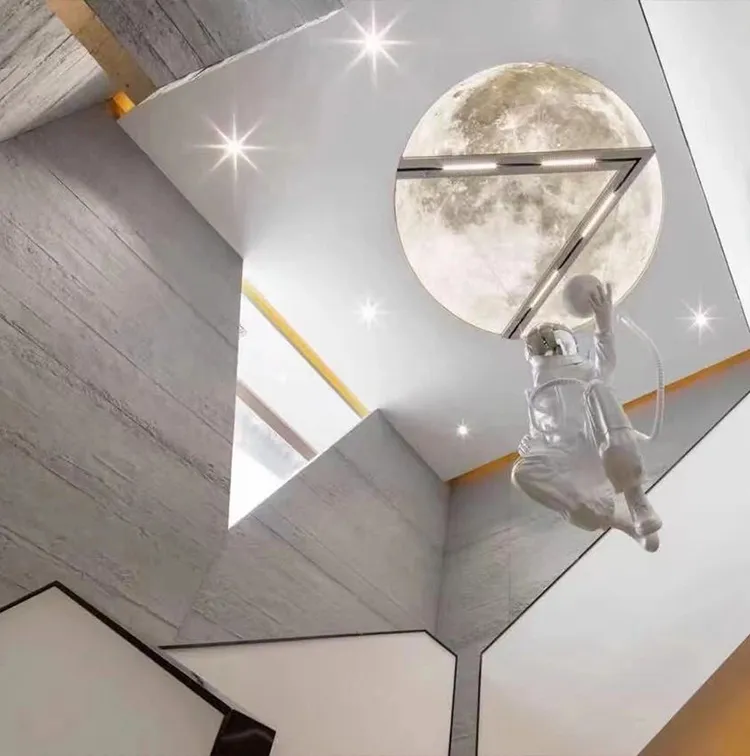
Take, for example, the ms cement board real photos from the oncology wing of Memorial Sloan Kettering Cancer Center. The design team opted for a finish that mimics lunar peak silvery—a soft, moonlit texture that reflects light gently, creating a serene atmosphere. Patients report feeling less stressed in these rooms, and staff note that the warm, natural aesthetic makes difficult conversations a little easier. In contrast, a nearby older wing with standard concrete walls feels cold and institutional, even with the same furniture and lighting.
To truly understand MS Cement Board's impact, it helps to see how it compares to the materials healthcare facilities have relied on for decades. Below is a breakdown of key factors—from hygiene to cost—using data from real-world installations and ms cement board real photos that illustrate these differences.
| Material | Porosity (Hygiene Risk) | Chemical Resistance | Ease of Cleaning | Aesthetic Options | Long-Term Cost (10-Year Lifespan) |
|---|---|---|---|---|---|
| MS Cement Board | Non-porous (Low risk) | High (resists bleach, alcohol, disinfectants) | Excellent (wipe-and-go; no sealing needed) | Extensive (mimics stone, wood, concrete, etc.) | Moderate (low maintenance offsets initial cost) |
| Travertine (Natural Stone) | Highly porous (High risk) | Low (etches with harsh chemicals) | Poor (requires sealing every 3–6 months) | Limited (natural veining only) | High (sealing + replacement costs) |
| Fair-Faced Concrete | Moderate (Medium risk) | Moderate (prone to staining) | Moderate (rough texture traps dirt) | Limited (industrial look only) | High (crack repairs + deep cleaning) |
| Masonry Stone | Moderate (Medium risk) | High (durable but heavy) | Poor (grout lines require scrubbing) | Limited (traditional stone appearance) | Very High (installation + maintenance) |
| Standard Concrete Board | Low (Medium risk) | Moderate (prone to chipping) | Good (but less durable than MS) | Basic (plain gray only) | Moderate (higher replacement frequency) |
The data speaks for itself: MS Cement Board outperforms traditional materials in almost every category that matters to healthcare. Its non-porous surface eliminates hygiene risks, its chemical resistance simplifies daily cleaning, and its aesthetic versatility lets designers create spaces that prioritize patient well-being. Perhaps most importantly, its long-term cost is lower than natural stone or masonry, thanks to minimal maintenance and a lifespan of 20+ years with proper care.
Numbers and tables tell part of the story, but ms cement board real photos and firsthand accounts bring it to life. Let's look at three facilities that made the switch to MS Cement Board and the difference it's made for patients, staff, and bottom lines.
When Phoenix Children's Hospital renovated its 10th-floor pediatric unit, the goal was clear: create spaces that felt less like a hospital and more like a home. The design team initially considered travertine (starry blue) for the walls, drawn to its playful, starry texture. But concerns about porosity and maintenance led them to MS Cement Board with a custom starry blue finish—mimicking travertine's look without the risks.
The results? Ms cement board real photos from the unit show walls that glow softly with embedded "stars," creating a night-sky effect that calms young patients. Infection control data is equally impressive: surface bacterial counts dropped by 41% in the first six months, and staff report spending 70% less time cleaning walls (down from 20 minutes per shift to just 6). "Parents used to worry about their kids touching the walls," says unit nurse Maria Gonzalez. "Now, I see kids pressing their hands to the walls, pointing out 'stars,' and I don't have to cringe. It's made the unit feel safe—and happy."
Operating rooms demand the highest hygiene standards, and Cleveland Clinic's main OR suite was due for an overhaul. The old concrete walls were prone to cracking, and the grout lines between tile countertops were impossible to keep fully sterile. The clinic chose MS Cement Board for walls and countertops, opting for a seamless, fair-faced concrete finish that's easy to disinfect between surgeries.
"In surgery, every second counts," says OR nurse manager James Park. "With the old walls, we'd spend 15 minutes after each procedure scrubbing cracks and grout. Now, we wipe the MS Cement Board surfaces with disinfectant, and we're done. It's cut our turnover time by 10 minutes per surgery—adding up to 3–4 extra procedures a day." Ms cement board real photos of the ORs show sleek, seamless surfaces that reflect the bright surgical lights without glare, creating a clean, focused environment for the medical team.
Mayo Clinic's historic 1920s building posed a unique challenge: update surfaces to meet modern hygiene standards without losing the building's architectural charm. The original masonry stone walls were beautiful but porous, and constant cleaning was damaging their integrity. The solution? MS Cement Board with a custom muretto stone (light grey) finish—matching the original masonry's texture and color but with non-porous durability.
"We wanted to honor the building's history while keeping patients safe," says preservation architect Lisa Wong. "The ms cement board real photos convinced us—it's nearly impossible to tell the new panels from the original stone, even up close. But unlike the masonry, these panels won't absorb moisture or harbor bacteria. It's the best of both worlds." Today, the renovated wing sees 35% fewer maintenance calls for wall repairs, and heritage groups have praised the clinic for preserving the building's character while prioritizing patient safety.
One of the biggest surprises for healthcare facilities considering MS Cement Board is how easy it is to work with. Unlike heavy masonry stone or fragile natural travertine, these panels are lightweight (around 12 lbs per sq ft) and can be cut, drilled, and installed with standard tools. This reduces installation time by up to 50% compared to traditional stone, minimizing disruption to patient care—a critical factor for hospitals that can't afford lengthy shutdowns.
Maintenance is equally straightforward. Unlike travertine, which requires annual sealing, or concrete, which needs periodic resurfacing, MS Cement Board needs nothing more than regular cleaning with mild detergent and water. For tough stains (like blood or iodine), a wipe with hospital-grade disinfectant is all it takes—no special cleaners, no scrubbing, no downtime. This simplicity has made it a favorite among environmental services teams, who report feeling less overwhelmed by their workload and more confident in their ability to keep surfaces truly clean.
Sustainability is another bonus. MS Cement Board is made from recycled materials (up to 30% post-consumer content) and is 100% recyclable at the end of its lifespan. Its durability also means fewer replacements, reducing waste. For facilities aiming for LEED certification, this is a significant plus—several hospitals have cited MS Cement Board as a key contributor to their sustainability goals.
As healthcare evolves, so too will the demand for surfaces that do more than just exist—they need to protect, heal, and connect. MS Cement Board represents this future: a material that doesn't force trade-offs between hygiene and humanity, between durability and design. It's a reminder that in healthcare, every detail matters—including the walls and countertops that surround patients and staff.
Looking ahead, manufacturers are already exploring new finishes inspired by the latest trends, from gradient color rammed earth board effects to textures that mimic woven materials (think weaving (khaki) or bamboo mat board). These innovations will only expand MS Cement Board's versatility, allowing designers to create even more personalized, healing environments.
But perhaps the most powerful endorsement comes from the people who interact with these surfaces daily. As one nurse put it, "When you walk into a room with MS Cement Board, you don't just see a wall—you see a choice. A choice to prioritize patients' safety, staff's well-being, and the kind of humanity that makes healthcare feel less like a service and more like care." And in the end, that's the greatest impact of all.
Recommend Products












