
When you walk into a building—whether it's a cozy café with exposed brick walls, a sleek office with floor-to-ceiling windows, or a grand museum with towering pillars—you might not immediately think about the materials holding it all together. But behind every arch, every beam, and every facade lies a critical decision: which material can bear the weight, tell the story, and stand the test of time? For architects, builders, and even homeowners, two names often rise to the top of the list: the MS Cement Board Project Board Series and the mcm big slab board series . Both are celebrated for their durability, but when it comes to load-bearing—the ability to support weight without cracking, bending, or failing—their differences can make or break a design. Today, we're diving into those differences, using real-world examples and (yes, you guessed it) MS cement board real photos and big slab visuals to show you why load-bearing capacity isn't just a technical spec—it's the backbone of how we live, work, and experience space.
Let's start with the basics: What is load-bearing, anyway? At its core, it's a material's ability to support the weight above it—whether that's a second floor, a heavy roof, or even just the cumulative weight of furniture, people, and daily life. But here's the thing: load-bearing capacity isn't just about numbers on a spreadsheet. It's about possibility. A material with low load-bearing might limit you to a single-story home with small windows; one with high capacity could let you design a cantilevered balcony that juts over a garden, or a restaurant ceiling lined with chandeliers and hanging plants without fear of collapse.
Take, for example, a family in Portland who dreamed of a home with a rooftop deck. They wanted to host summer barbecues, plant a small garden, and watch the sunset—all while knowing the deck wouldn't sag under the weight of their grill, guests, and planters. Their architect recommended the mcm big slab board series for the deck's base, citing its high load-bearing capacity. "It's not just about safety," the architect told them. "It's about peace of mind. You shouldn't have to worry if your daughter's birthday party will damage the house." That's the human side of load-bearing: it turns "what if" into "why not."
Or consider a boutique hotel in Tokyo, where the designer wanted a grand entrance with a floating staircase—no visible supports, just a sweeping curve of stone that seemed to defy gravity. The key? The staircase's treads needed to bear the weight of hundreds of guests daily, plus the stress of constant foot traffic. The solution? MS Cement Board, chosen for its strength-to-weight ratio. "We could have used traditional concrete," the designer explained, "but it would have been too heavy, requiring thicker support beams that would ruin the 'floating' effect." Load-bearing capacity, in this case, wasn't just about function—it was about art.
If the mcm big slab board series is the bold, attention-grabbing sibling, MS Cement Board is the reliable, versatile one. Made from a blend of cement, cellulose fibers, and additives, it's engineered to be lightweight yet surprisingly strong—think of it as the "everyday hero" of building materials. It's not just for walls, either: MS Cement Board is used for flooring, countertops, and even exterior cladding, thanks to its resistance to moisture, fire, and mold. But how does it stack up when it comes to load-bearing?
Let's look at the numbers first. On average, MS Cement Board has a load-bearing capacity of 500–800 kg per square meter, depending on thickness (most commonly 12mm to 20mm). That might not sound like much until you realize: that's enough to support a standard residential floor (which typically requires 200–300 kg/sq m), a kitchen counter with heavy appliances, or a bathroom wall with a mounted soaking tub. Its secret? The cellulose fibers act like tiny reinforcing bars, distributing weight evenly to prevent cracks, while the cement matrix adds rigidity. And because it's lightweight (around 15–20 kg per square meter), it's easier to install than traditional concrete, reducing labor time and costs.
But numbers only tell part of the story. To really understand MS Cement Board, let's turn to MS cement board real photos —the kind you'd find in architect portfolios or home design blogs. One striking example is a minimalist home in Copenhagen, where the interior walls are clad in MS Cement Board paired with fair-faced concrete floors. The owner, a graphic designer, wanted a space that felt "calm but intentional," and the smooth, uniform finish of the cement board delivered. What you can't see in the photos? The wall behind the TV is reinforced with MS Cement Board to hold a 75-inch screen and a floating shelf loaded with books. "I was worried the shelf would pull the wall down," the designer admitted, "but the contractor laughed and said, 'This board could hold a small elephant.'" (Okay, maybe an exaggeration—but you get the point.)
Another example: a restaurant in Seattle called "The Foundry," which features an open kitchen with a counter made from MS Cement Board. The countertop takes a beating daily—hot pans, spilled sauces, heavy mixing bowls—and yet it still looks brand-new after three years. "We chose it because we needed something that could handle the chaos of a busy kitchen but still look sleek," the owner says. "And honestly? I love that it's not precious. Our chefs don't have to tiptoe around it. That's the beauty of MS Cement Board: it's tough, but it doesn't feel cold. It warms up the space, even when it's covered in flour and olive oil."
Now, let's shift to the heavyweight champion: the mcm big slab board series . As the name suggests, these are large-format panels—often 1200x2400mm or even bigger—designed to make a statement. But don't let their size fool you: beneath that dramatic surface lies some serious load-bearing muscle. With a typical capacity of 1000–1500 kg per square meter (and even higher for reinforced versions), big slabs are built for the jobs that make other materials sweat: commercial buildings with high foot traffic, industrial spaces with heavy machinery, or architectural features that demand both strength and grandeur.
How do they do it? Big slabs are usually made from a composite of natural stone aggregates, resins, and fiberglass mesh, which gives them the best of both worlds: the compressive strength of stone and the tensile strength of fiberglass. This combo allows them to span longer distances without sagging, making them ideal for large surfaces like airport terminals, shopping mall floors, or museum walls. And because they're manufactured in one piece, they eliminate the need for unsightly grout lines, creating a seamless look that's as visually stunning as it is functional.
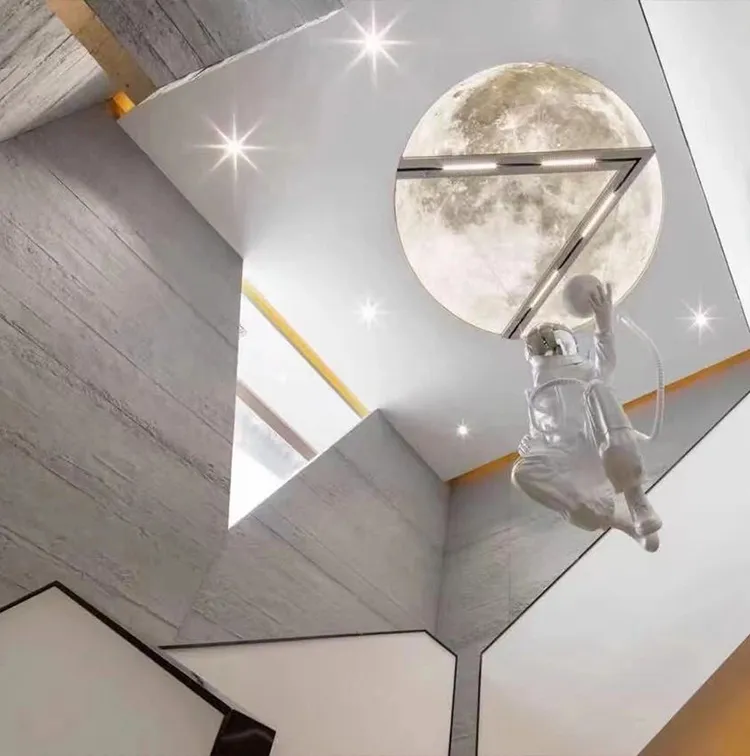
Let's take a walk through the "Eclipse Museum" in Chicago, a modern art space known for its angular, light-filled design. The museum's main entrance features a 15-foot-tall, 30-foot-wide wall made from the mcm big slab board series in a finish called "Lunar Peak Silvery"—a shimmering, metallic gray that catches the light like moonlight. What's impressive isn't just the wall's size; it's that it's supported by only four thin steel columns, creating the illusion that it's floating. "We needed a material that could handle its own weight plus the lateral forces of wind and temperature changes," the lead architect explains. "Big slabs were the only option. Traditional stone would have been too heavy, requiring massive supports that would block the natural light we wanted to flood the lobby." Today, visitors often stop to take photos of the wall, not realizing that its beauty is matched by its brawn.
Another example: a warehouse conversion in Brooklyn, where a former factory is now home to luxury lofts. The developer wanted to preserve the building's industrial heritage while adding modern amenities, so they used big slabs for the floors. "These lofts have 12-foot ceilings and exposed ductwork, so the floors needed to support not just furniture, but also the weight of ceiling fans, pendant lights, and even home gym equipment," the developer says. "We tested the big slabs with a load of 1200 kg/sq m—more than enough for a treadmill, a king-sized bed, and a home office setup—and they didn't budge. Plus, the polished finish looks incredible with the original brick walls. It's like old and new shaking hands."
But big slabs aren't just for commercial projects. Take the "Skyhouse" in Aspen, a luxury home with a rooftop infinity pool. The pool's base is made from big slabs, chosen for their ability to support the weight of 20,000 gallons of water, plus the pool's concrete shell and the people swimming in it. "The engineer told us the slabs could handle twice that weight," the homeowner laughs. "So I guess we could host a pool party with 50 people and not worry. Though I'm not sure my neighbors would appreciate that."
To truly see how these two materials stack up, let's compare them head-to-head. Below is a breakdown of their load-bearing specs, plus insights into when to choose one over the other. (Pro tip: Keep an eye on the "real photos" notes—they'll give you a sense of how these numbers translate to actual spaces.)
| Feature | MS Cement Board Project Board Series | MCM Big Slab Board Series |
|---|---|---|
| Load-Bearing Capacity | 500–800 kg/sq m (residential/commercial light use) | 1000–1500 kg/sq m (commercial heavy use, industrial, structural) |
| Thickness Range | 12mm–20mm (thinner, lighter) | 20mm–50mm (thicker, more rigid) |
| Weight per Sq Meter | 15–20 kg (easier to handle/install) | 30–50 kg (requires machinery for installation) |
| Best For | Walls, countertops, residential flooring, lightweight commercial interiors (e.g., cafes, home offices) | Structural floors, rooftops, industrial spaces, large-scale exteriors (e.g., museums, airports, high-rises) |
| Real Photos Highlight | MS cement board real photos often show it paired with warm materials like wood or travertine (starry green) for a balanced, homey feel. Example: A kitchen backsplash with MS Cement Board and starry green travertine accents, where the board supports floating shelves. | Big slab photos showcase its grandeur—think a hotel lobby with 10-foot-tall big slab walls in foamed aluminium alloy board (vintage silver) finish, or a shopping mall floor with seamless big slabs that mimic marble. |
| Design Flexibility | Great for curved walls, small spaces, and DIY-friendly projects (lighter weight = easier cutting). | Ideal for bold, monolithic designs (no grout lines!) but requires professional installation due to size/weight. |
Not every project has to choose between the two materials—in fact, some of the most innovative designs use them together. Take "Brew & Bean," a café in Austin that opened last year. The owner, Mia, wanted a space that felt industrial yet cozy: exposed ceilings, warm wood accents, and a statement wall behind the coffee bar. Here's how the team combined MS Cement Board and the mcm big slab board series to make it happen:
First, the coffee bar itself: Mia wanted a durable countertop that could handle espresso machines, milk frothers, and constant spills. MS Cement Board was the pick here—18mm thick, with a smooth, matte finish that complements the bar's reclaimed wood front. "It's the perfect workhorse," Mia says. "Our baristas lean on it, set hot pans on it, and it never stains. Plus, it was affordable enough that we could splurge on… well, the next part."
That "next part" was the statement wall: a 20-foot-wide, floor-to-ceiling installation using big slabs in a travertine (starry blue) finish. The slabs weigh 45 kg each, so the team needed to ensure the wall could support them. "We reinforced the studs and used heavy-duty brackets," the contractor explains, "but the big slabs' load-bearing capacity meant we didn't have to add extra support beams, which kept the space open and airy." The result? A wall that looks like a starry night sky, with the MS Cement Board counter tying it all together with its understated strength.
"Guests walk in and immediately stop to take photos of the wall," Mia laughs. "But what they don't see is how hard both materials are working. The big slabs are holding up the weight of their own beauty, and the cement board is holding up our chaos. Together, they're the reason this café feels like both a work of art and a home."
At the end of the day, choosing between MS Cement Board and the mcm big slab board series isn't about which is "better." It's about which fits your project's needs, your design vision, and the story you want to tell. If you're building a cozy home office with floating shelves and a small kitchenette, MS Cement Board's 500–800 kg/sq m capacity is more than enough—and its lightweight nature will save you time and money on installation. If you're designing a museum with a cantilevered wing or a warehouse conversion with a rooftop deck, big slab's 1000–1500 kg/sq m capacity is non-negotiable.
But here's the most important takeaway: load-bearing capacity is about more than safety. It's about freedom. It's about looking at a blank blueprint and thinking, "What if we pushed the limits?" Whether you're flipping through MS cement board real photos for kitchen ideas or marveling at big slab installations in architectural magazines, remember: every material has a story to tell. And the best stories? They're built on a foundation of strength.
So, what's your story? Are you dreaming of a home that feels both safe and stylish? A business space that wows customers and works hard? Whatever it is, MS Cement Board and the mcm big slab board series are ready to help you build it—one strong, beautiful piece at a time.
Recommend Products












