
Walk into any commercial kitchen—whether it's a cozy neighborhood café, a bustling downtown restaurant, or a high-end hotel banquet hall—and you'll quickly realize that every inch of space is designed for efficiency. From the layout of the prep stations to the choice of appliances, functionality reigns supreme. But there's one element that often gets overlooked until it's too late: the backsplash. Tucked behind stoves, sinks, and grills, this unassuming surface takes more abuse than almost any other part of the kitchen. It's bombarded by hot grease splatters, acidic sauce spills, steam, and constant scrubbing. In short, it's the unsung hero of the commercial kitchen—quietly enduring the chaos while keeping the space clean and safe. And when it comes to choosing a backsplash that can keep up with this demanding environment, MS Travertino has emerged as a game-changer, blending timeless beauty with the kind of durability that makes even the toughest kitchen managers breathe a sigh of relief.
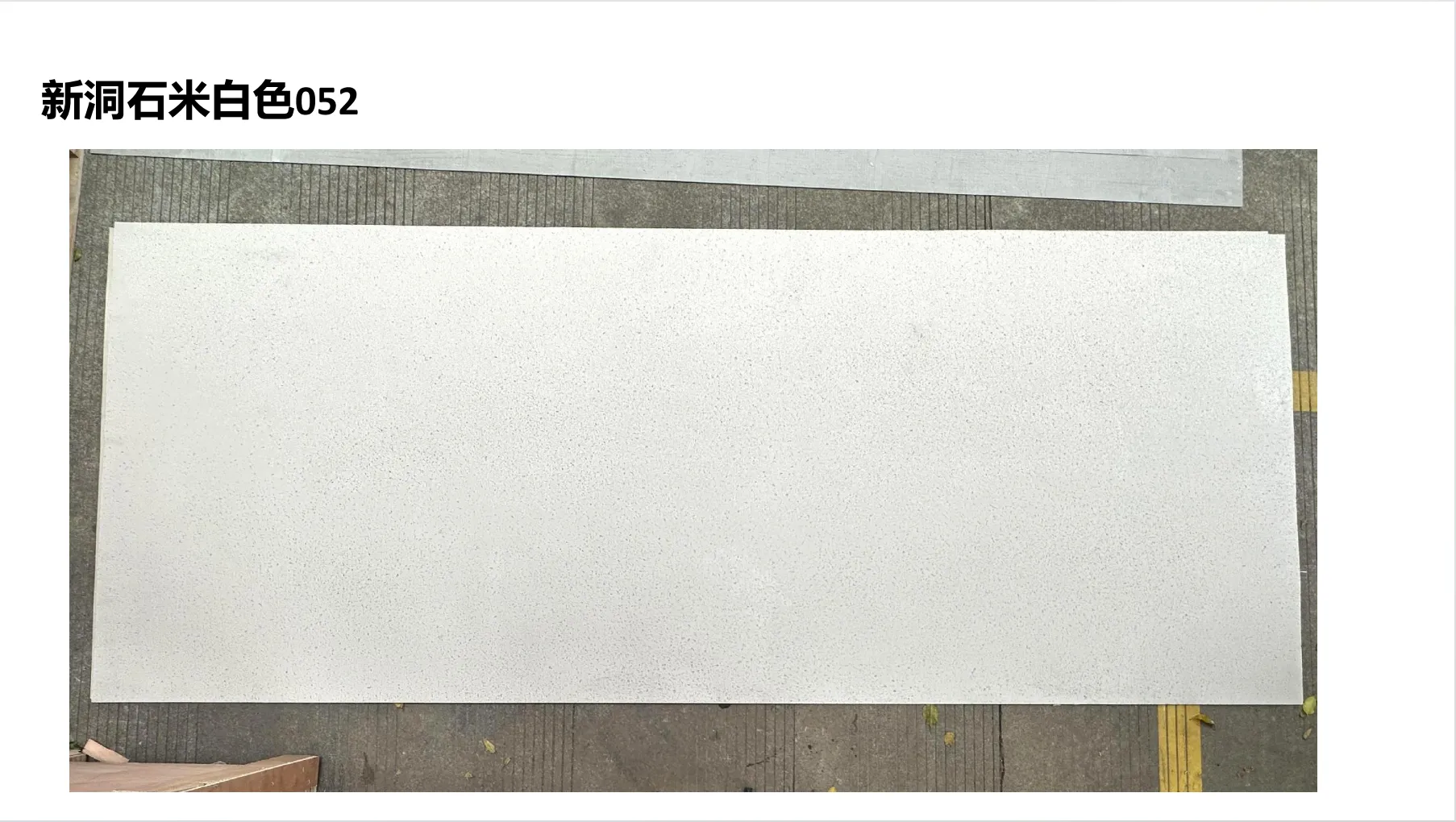
But don't just take our word for it. The proof is in the MS Travertino real photos that showcase this material in action—across restaurants, bakeries, and catering kitchens worldwide. These images don't just display a pretty surface; they tell a story of resilience, versatility, and design excellence. In this article, we'll dive deep into why MS Travertino is becoming the go-to choice for commercial kitchen backsplashes, explore the details of its unique composition (hint: it's not your average stone), and walk through real-world examples that bring its benefits to life. Whether you're a restaurant owner planning a renovation, a designer crafting a new culinary space, or a kitchen manager tired of replacing worn-out backsplashes every few years, this guide will show you why MS Travertino isn't just a material—it's a long-term investment in your kitchen's success.
Let's start with the basics: What makes a commercial kitchen backsplash different from one in a residential home? For starters, the volume of use. A home cook might fire up the stove a few times a week; a commercial kitchen is in operation 12+ hours a day, 6-7 days a week. That means more heat, more moisture, more spills, and more frequent cleaning. A residential backsplash might prioritize aesthetics—think delicate subway tiles or glossy ceramic—but in a commercial setting, that's a recipe for disaster. Delicate materials scratch, porous surfaces stain, and cheap tiles crack under the pressure of daily scrubbing with industrial-grade cleaners.
Then there's the issue of safety. Commercial kitchens are held to strict health codes, and a backsplash that traps mold, mildew, or bacteria is a violation waiting to happen. Grout lines that crack, surfaces that peel, or materials that absorb liquids can become breeding grounds for germs—putting both staff and customers at risk. And let's not forget about cost. Replacing a backsplash in a 500-square-foot commercial kitchen isn't cheap; it requires downtime, labor, and materials, all of which eat into your bottom line. A low-quality backsplash might save you money upfront, but when you're replacing it every 2-3 years, the long-term costs add up fast.
So, what's the solution? A backsplash that checks all the boxes: durable enough to withstand daily abuse, non-porous enough to resist stains and bacteria, easy to clean, and attractive enough to enhance the kitchen's overall design (because even hardworking spaces deserve to look good). Enter MS Travertino —a surface that's been engineered specifically to meet these demands. But what exactly is MS Travertino, and how does it differ from traditional travertine or other common materials like fair-faced concrete or marble?
When you hear the word "travertine," you might picture the classic, porous stone used in ancient Roman baths—beautiful, yes, but maybe not the first thing that comes to mind for a high-heat, high-moisture kitchen. Traditional travertine is formed from mineral-rich hot springs, creating a surface with natural pits and voids. While this gives it a unique, rustic charm, those pores can absorb liquids, leading to stains and discoloration over time. That's where MS Travertino breaks the mold. Unlike natural travertine, MS Travertino is a modified composite material panel —a blend of natural travertine aggregates and advanced polymers that enhance its strength, reduce porosity, and boost its resistance to heat and chemicals.
Let's break down the benefits of this modified composition: First, durability. The added polymers reinforce the stone, making it more resistant to chipping, cracking, and scratching than natural travertine. drop a heavy pot? No problem. Scrub with a steel wool pad to remove baked-on grease? It'll barely leave a mark. Second, reduced porosity. While traditional travertine requires frequent sealing to prevent staining, MS Travertino's composite structure minimizes absorption, meaning spills can be wiped up quickly without leaving a trace. Third, flexibility. Unlike rigid natural stone slabs, MS Travertino has a slight flexibility that makes it easier to install around corners and uneven surfaces—a huge plus in older buildings where walls might not be perfectly straight. And finally, consistency. Natural travertine can vary widely in color and pattern, but MS Travertino is engineered for uniformity, ensuring a cohesive look across large surfaces—ideal for commercial kitchens where design consistency matters.
But don't let the "composite" label fool you—MS Travertino still retains the natural beauty of travertine. Its surface features the same soft veining, subtle color variations, and organic texture that make travertine a timeless choice. From warm beiges and soft grays to bold blacks and even starry, multicolored finishes (like the stunning travertine (starry blue) we'll explore later), there's a shade to match every kitchen's aesthetic. It's the best of both worlds: the durability of modern technology and the elegance of natural stone.
Words can only tell you so much—sometimes, you need to see a material in action to truly appreciate its potential. That's where MS Travertino real photos come in. These images, captured in working kitchens around the world, show exactly how this material performs in real-life settings—no filters, no staging, just honest, unretouched shots of MS Travertino doing what it does best. Let's walk through a few standout examples that highlight its versatility and durability.
Our first photo takes us to a cozy bistro in Portland, Oregon, known for its farm-to-table comfort food. The kitchen features exposed wooden beams, vintage metal shelving, and a backsplash of travertine (beige) MS Travertino. The warm, earthy tone of the stone complements the kitchen's rustic vibe, with soft cream and light brown veining that mimics the look of natural limestone. What's striking is how well the surface holds up against the kitchen's busy schedule: behind the fryer, where oil splatters are a daily occurrence, the stone remains spotless. A quick wipe with a degreaser removes even the stickiest residue, leaving no discoloration. Near the sink, where constant water splashes would warp wood or stain porous tile, the MS Travertino stays dry and mildew-free. The owner, Sarah, notes, "We chose beige because we wanted something that wouldn't show every little speck of flour or spice, but we were worried it would look dingy after a few months. Two years in, it still looks brand new. The veining hides minor spills, and the durability means we never stress about scratches from pots and pans."
Next, we visit a high-end steakhouse in Chicago with a minimalist, industrial-inspired kitchen. Here, the backsplash is travertine (starry black) MS Travertino—a bold, dramatic choice that contrasts sharply with the stainless steel appliances and white subway tile accents. The "starry" finish refers to the tiny, iridescent flecks embedded in the stone, which catch the light from overhead fixtures and add a subtle shimmer to the space. In the photo, the backsplash runs the entire length of the grill station, where open flames reach temperatures over 500°F. Despite the intense heat, the stone shows no signs of warping or discoloration. Even more impressive is the area behind the bar, where bartenders mix cocktails and occasionally spill dark liquids like red wine and cola. A quick wipe with a damp cloth lifts the stains instantly, thanks to MS Travertino's low porosity. The head chef, Marcus, explains, "We wanted a backsplash that felt luxurious but could handle the heat of our wood-fired grill. The starry black adds a touch of elegance without being high-maintenance. Our kitchen staff loves it because cleaning is so easy—no scrubbing for hours on end."
Our final photo comes from a bustling bakery in New York City, famous for its artisanal breads and pastries. The kitchen is a hive of activity, with dough mixers, ovens, and cooling racks filling every corner. The backsplash here is travertine (starry gold) MS Travertino, chosen for its warm, golden hue that complements the amber tones of freshly baked croissants and bagels. The stone's surface has a slightly textured finish, which not only adds visual interest but also provides a non-slip grip for staff who might be working with wet hands. Behind the proofing racks, where humidity levels are high, the MS Travertino resists mold and mildew, a critical feature in a space where cleanliness is paramount for food safety. The bakery's manager, Elena, shares, "We used to have ceramic tile backsplashes, but they'd crack from the constant temperature changes between the ovens and the refrigerators. The MS Travertino is flexible enough to handle those fluctuations without damage. Plus, the golden color makes the kitchen feel brighter and more inviting—important when you're working 14-hour days!"
To truly understand why MS Travertino stands out, it helps to compare it to other popular commercial kitchen backsplash materials. Let's take a closer look at how it measures up to fair-faced concrete , natural marble, and traditional flexible stone in key categories like durability, maintenance, aesthetics, and cost.
| Material | Durability | Maintenance | Aesthetics | Cost (Long-Term) | Best For |
|---|---|---|---|---|---|
| MS Travertino | High: Resists scratches, heat, and stains; flexible to prevent cracking. | Low: Seal once every 3-5 years; clean with mild soap and water. | High: Natural stone look with varied finishes (starry, beige, black, etc.). | Moderate: Higher upfront cost, but lasts 10+ years with minimal upkeep. | Bustling restaurants, bakeries, cafes, and high-end kitchens. |
| Fair-Faced Concrete | Medium: Durable but prone to staining and cracking if not sealed properly. | High: Requires annual sealing; stains easily from acidic spills. | Medium: Industrial, minimalist look; limited color options. | Low-Moderate: Low upfront cost, but frequent sealing adds long-term expenses. | Modern, industrial-style kitchens with low moisture exposure. |
| Natural Marble | Low: Soft and porous; scratches and stains easily; not heat-resistant. | Very High: Seal every 6-12 months; avoid acidic cleaners and spills. | Very High: Luxurious, with unique veining and high-end appeal. | High: Expensive upfront and high maintenance costs over time. | Low-traffic, upscale spaces (e.g., hotel lobbies, not active kitchens). |
| Traditional Flexible Stone | Medium: Flexible but less durable than MS Travertino; prone to tearing. | Medium: Requires sealing; may peel at edges if not installed properly. | Medium: Limited design options; often lacks natural stone texture. | Low-Moderate: Lower upfront cost, but needs replacement every 3-5 years. | Temporary installations or low-budget renovations. |
As the table shows, MS Travertino outperforms the competition in almost every category, especially when it comes to long-term value. While fair-faced concrete and traditional flexible stone may be cheaper upfront, their high maintenance costs and shorter lifespans make them less economical over time. Natural marble, despite its beauty, is simply too delicate for the rigors of a commercial kitchen. MS Travertino, on the other hand, offers the best of all worlds: the durability to withstand daily abuse, the low maintenance to keep costs down, and the aesthetics to elevate any kitchen design.
We've mentioned that MS Travertino is a modified composite material panel , but what exactly does that mean, and how does it contribute to the material's impressive performance? Let's break it down. Traditional travertine is a natural stone, formed over centuries by mineral deposits from hot springs. While beautiful, it's inherently porous and brittle, making it less than ideal for high-stress environments. MS Travertino takes this natural stone and enhances it with a blend of polymers and resins, creating a composite that retains the stone's aesthetic appeal while addressing its weaknesses.
The process starts with crushing natural travertine into fine aggregates, which are then mixed with a proprietary blend of epoxy resins and fiberglass reinforcements. This mixture is pressed into panels under high pressure and heat, creating a dense, non-porous surface that's both strong and flexible. The result is a material that's 30% stronger than natural travertine, with a porosity rate of less than 0.5% (compared to 2-5% for unmodified travertine). This low porosity means liquids can't seep into the stone, preventing stains and mold growth. The added flexibility allows the panels to expand and contract with temperature changes, reducing the risk of cracking—a common issue with rigid materials like ceramic tile or natural stone slabs.
But the benefits don't stop there. The composite structure also makes MS Travertino more heat-resistant than traditional stone, able to withstand temperatures up to 300°F without warping or discoloration. This is crucial in commercial kitchens, where hot pans are often placed directly against the backsplash, and ovens emit constant heat. Additionally, the material is non-toxic and food-safe, meeting FDA standards for surfaces that come into contact with food. It's also fire-resistant, adding an extra layer of safety in kitchens where open flames are common.
One of the biggest selling points of MS Travertino is its low maintenance requirements, but that doesn't mean it's completely "set it and forget it." With proper care, your backsplash will last for decades—here's how to keep it in top shape:
While MS Travertino is less porous than natural travertine, it still benefits from periodic sealing. We recommend sealing the surface immediately after installation and then every 3-5 years thereafter (depending on usage). Look for a high-quality, water-based sealer designed for composite stone, and apply it according to the manufacturer's instructions. Sealing creates a protective barrier that repels liquids and makes cleaning easier—think of it as a raincoat for your backsplash.
For day-to-day cleaning, all you need is mild dish soap and warm water. Avoid harsh chemicals like bleach, ammonia, or acidic cleaners (e.g., vinegar), as these can break down the sealer and damage the stone. Use a soft sponge or microfiber cloth to wipe down the surface, focusing on areas with spills or grease buildup. For stubborn stains (like dried tomato sauce or burnt-on oil), let the soapy water sit for 5-10 minutes before scrubbing gently with a non-abrasive pad. Never use steel wool or scouring powders, as these can scratch the surface.
While MS Travertino is durable, it's not indestructible. To prevent damage, avoid slamming heavy pots or pans against the backsplash, and use trivets or heat-resistant pads when placing hot cookware near the surface. Wipe up spills immediately, especially acidic ones like lemon juice, wine, or vinegar, as prolonged exposure can still cause discoloration if the sealer is worn. Finally, inspect the grout lines periodically (if applicable) and repair any cracks or gaps promptly to prevent moisture from seeping behind the panels.
Don't just take our word for it—here's what industry experts and kitchen professionals have to say about their experience with MS Travertino:
"I've designed commercial kitchens for over 15 years, and I've never found a backsplash material that balances beauty and durability like MS Travertino. Clients often want something that looks high-end but can handle the chaos of a busy kitchen, and this material delivers. The
MS Travertino real photos
are a game-changer in presentations—clients can see exactly how the stone will look in their space, which makes the decision-making process so much easier."
— James, Commercial Kitchen Designer
"As a kitchen manager for a chain of fast-casual restaurants, I'm always looking for ways to reduce maintenance costs. We switched to MS Travertino three years ago, and the difference is night and day. We used to spend hours scrubbing tile grout lines and replacing cracked tiles—now, a quick wipe down with soap and water is all it takes. The backsplashes still look brand new, even in our busiest locations. It's saved us thousands in labor and replacement costs."
— Mike, Regional Kitchen Manager
"I was hesitant to invest in a stone backsplash for my bakery, worried about the cost and upkeep. But after seeing the
travertine (starry gold)
finish in person, I fell in love. Two years later, I'm convinced it was the best decision. The stone adds warmth to the kitchen, and it's held up perfectly against flour spills, hot ovens, and constant cleaning. My customers even comment on how beautiful the kitchen looks through the open service window!"
— Lisa, Bakery Owner
At this point, you might be wondering if MS Travertino is the right choice for your space. While it's an excellent option for most commercial kitchens, there are a few factors to consider before making the investment:
If you're still on the fence, we recommend requesting samples and reviewing MS Travertino real photos of projects similar to yours. Many suppliers offer digital galleries or physical samples that allow you to see the texture, color, and finish up close. Holding a sample in your hand and imagining it in your kitchen can make all the difference in your decision.
In the world of commercial kitchen design, the backsplash is often an afterthought—but it shouldn't be. It's a surface that works as hard as your staff, enduring heat, spills, and scrubbing day in and day out. MS Travertino redefines what a backsplash can be: not just a functional necessity, but a design element that elevates the entire space. With its modified composite structure, it offers the durability of modern materials and the timeless beauty of natural stone, all wrapped up in a low-maintenance package.
Whether you're drawn to the warm, earthy tones of travertine (beige) , the dramatic flair of travertine (starry black) , or the subtle shimmer of travertine (starry gold) , there's an MS Travertino finish to suit every kitchen's style. And with MS Travertino real photos showcasing its performance in real-world settings, you can see exactly how it will stand up to the demands of your space.
So, if you're ready to invest in a backsplash that will last for years, enhance your kitchen's design, and make your daily operations easier, look no further than MS Travertino. It's not just a material—it's a partner in your kitchen's success, working quietly behind the scenes to keep your space clean, safe, and beautiful for years to come.
Recommend Products












