
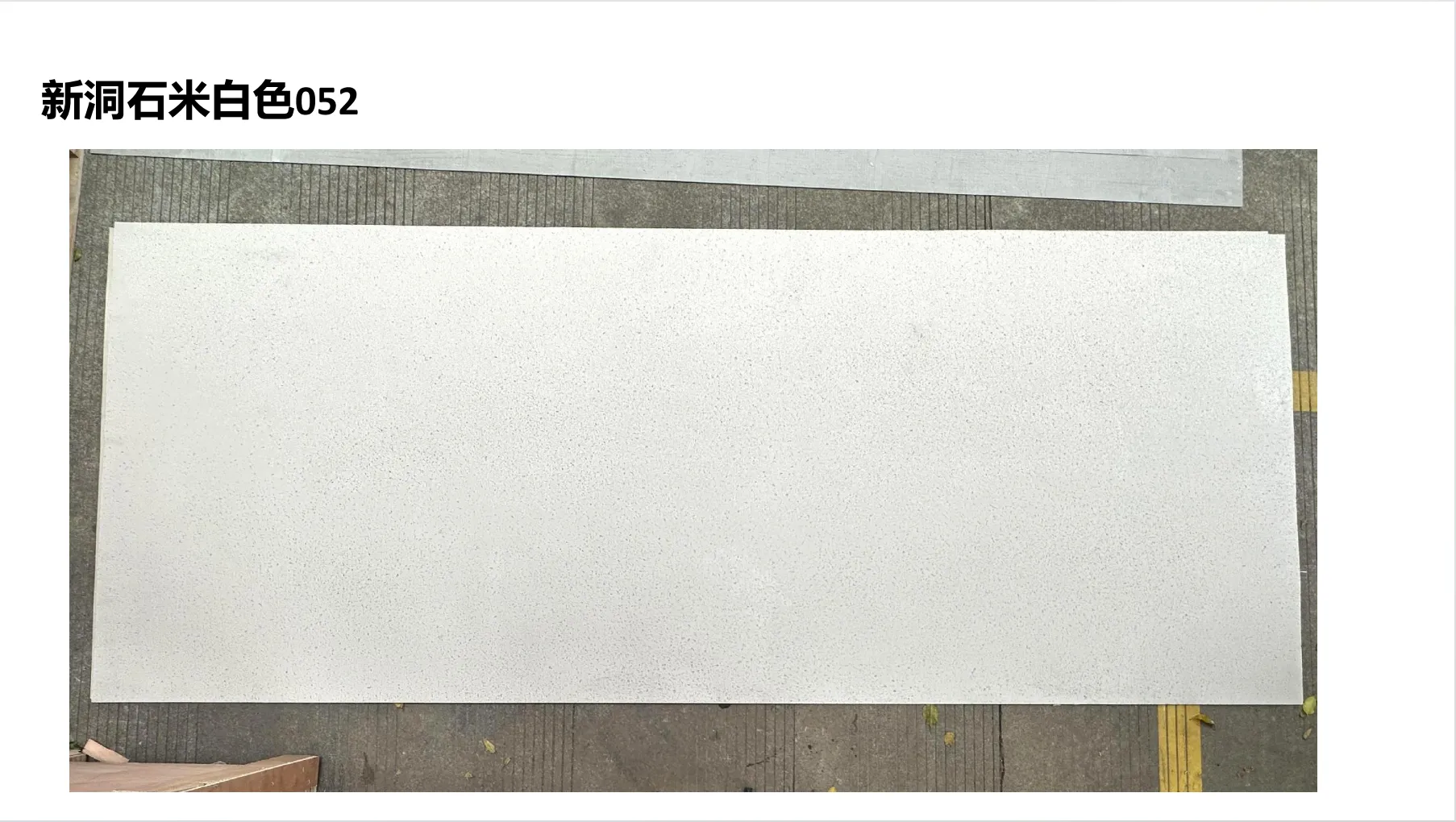
Every architect, designer, and homeowner has felt it—the tug-of-war between ambition and reality. You dream of a facade that echoes the grandeur of ancient Roman ruins, or a curved wall that flows like a river of stone, but the weight of traditional materials crushes those dreams. Heavy marble, cumbersome concrete, and brittle natural stone demand massive structural support, limit design flexibility, and hike up construction timelines. What if there was a material that didn't force you to choose between beauty and practicality? Enter MS Travertino Flexible Stone —a revolution in cladding that marries the timeless allure of natural stone with the modern needs of lightweight, adaptable design. Let's dive into why this material is reshaping the way we build, and how real-world applications (captured in countless real photos) showcase its transformative potential.
For centuries, stone has been the gold standard of architectural beauty. From the Parthenon's marble columns to the Taj Mahal's intricate inlays, it symbolizes permanence and elegance. But here's the hard truth: natural stone is heavy. A single square meter of traditional travertine can weigh upwards of 25 kilograms, and that weight adds up fast. For architects, this means designing with bulky support structures, limiting height, and scrapping curved or unconventional shapes. For builders, it translates to longer installation times, higher labor costs, and increased risk of structural strain over time. And for homeowners? A facade that might crack under extreme weather or require constant maintenance to keep its luster.
Worse, many "modern" alternatives—like concrete panels or synthetic cladding—sacrifice aesthetics for practicality. They lack the depth, texture, and organic variation that make natural stone feel alive. It's a compromise that leaves many designers feeling stuck: choose beauty and deal with the hassle, or choose convenience and lose the soul of the design.
MS Travertino isn't just another cladding material—it's a reimagining of what stone can be. Part of the broader MCM flexible stone family (short for Modified Composite Material), it's engineered to capture the raw, earthy beauty of natural travertine while shedding the weight and rigidity that hold traditional stone back. How? By combining high-performance polymers with natural mineral aggregates, the result is a material that weighs as little as 5–8 kilograms per square meter—less than a third of natural stone—yet retains the look, feel, and durability of the real thing.
But "lightweight" is just the start. The "flexible" in its name is equally game-changing. Unlike brittle natural stone or rigid concrete, MS Travertino can bend and conform to curved surfaces, irregular shapes, and even dynamic architectural elements like undulating facades or spiral staircases. It's like giving architects a new set of tools—ones that let them draw outside the lines without worrying about structural limits. Imagine (oops, scratch that— picture ) a boutique hotel with a sweeping, curved entrance wrapped in MS Travertino's starry green finish, or a residential home with a cantilevered balcony clad in lunar peak silvery panels. These aren't just renderings; they're real projects, captured in real photos that make you double-take and think, "Is that really stone?"
One of the most common misconceptions about lightweight cladding is that it looks "fake." MS Travertino shatters that myth. Walk up to a wall clad in this material, and you'll notice the same intricate veining, subtle color variations, and tactile texture that make natural travertine so beloved. But unlike natural stone, which is limited by what the earth provides, MS Travertino comes in a stunning array of finishes and colors—each designed to evoke different moods and complement diverse architectural styles.
Take the starry series, for example: travertine (starry green) shimmers with tiny, iridescent flecks that mimic sunlight filtering through a forest canopy, while travertine (starry red) and travertine (starry blue) add bold, dramatic pops of color for statement walls. For a more understated look, the vintage finishes—like travertine (vintage silver) or travertine (vintage gold) —offer a muted, weathered elegance that pairs beautifully with modern minimalist or industrial designs. And if you're craving the warmth of natural stone without the flash, there's travertine (beige) or travertine (light grey) , which blend seamlessly with neutral palettes.
But MS Travertino doesn't stop at travertine. It's part of a larger MCM ecosystem that includes complementary lines like the lunar peak series—think lunar peak silvery , lunar peak golden , and lunar peak black , which offer sleek, metallic-tinged finishes for a futuristic edge. Or the rust board and masonry stone options, which channel rustic charm with their rough-hewn textures and earthy tones. This versatility means that whether you're designing a coastal home, a corporate headquarters, or a historic renovation, there's an MS Travertino finish that feels like it was made for the project.
Beauty is nothing without longevity, and MS Travertino delivers here, too. While it's lightweight and flexible, it's surprisingly tough—resistant to impact, UV rays, moisture, and even fire. Unlike natural travertine, which can absorb water and develop stains or cracks over time, MS Travertino's composite core repels moisture, making it ideal for humid climates, coastal areas, or buildings with high foot traffic. It's also fade-resistant, so that starry orange facade you fell in love with won't turn a dull peach after a few years of sun exposure.
Maintenance? Minimal. A quick rinse with water and a soft brush is usually all it takes to keep MS Travertino looking fresh. No need for harsh chemicals, sealants, or professional cleaning crews—perfect for busy homeowners or commercial properties where upkeep costs add up. And because it's so lightweight, installation is a breeze compared to traditional stone. Contractors can cut it on-site with standard tools, attach it with lightweight adhesives or mechanical fasteners, and finish the job in a fraction of the time. This not only saves money but also reduces disruption—critical for renovation projects or buildings that need to stay operational during updates.
Numbers and specs tell part of the story, but real photos? They show the magic. Let's paint a picture of how MS Travertino is being used in projects around the world—scenes you'd recognize from those "real photos" that make architects and designers pause and say, "I need that."
The Urban High-Rise: Imagine a 20-story apartment building in downtown Chicago. Its facade, once planned with heavy limestone, was redesigned with travertine (vintage black) MS Travertino panels. The result? A sleek, modern silhouette that catches the light differently at every hour, with none of the structural stress of traditional stone. Residents love the way the material reflects the city skyline, while the developers saved on construction costs and shaved weeks off the timeline.
The Coastal Retreat: On a windy stretch of California coastline, a beach house uses lunar peak silvery MS Travertino for its exterior walls. The lightweight panels stand up to salt spray and strong winds, while their metallic sheen blends with the ocean's sparkle. Inside, curved walls clad in travertine (starry blue) create a cozy, cave-like atmosphere—something that would have been impossible with rigid natural stone.
The Historic Renovation: A 19th-century warehouse in Paris is converted into a boutique hotel. To preserve the building's industrial charm while adding modern comfort, designers used rust board granite MS Travertino on the exterior, mimicking the look of weathered steel without the weight. Inside, fair-faced concrete and wood grain board (another MCM favorite) complement the stone, creating a space that feels both old and new.
These aren't hypothetical scenarios—they're real projects, documented in real photos that showcase MS Travertino's ability to adapt, endure, and enchant. From residential to commercial, urban to rural, the material is proving that beauty and practicality don't have to be enemies.
Still skeptical? Let's put MS Travertino head-to-head with traditional cladding materials. The table below (inspired by real data from construction sites and material testing) highlights why so many architects are making the switch:
| Material | Weight (kg/m²) | Flexibility | Installation Time | Weather Resistance | Aesthetic Options |
|---|---|---|---|---|---|
| Natural Travertine | 20–25 | Brittle (no flexibility) | 3–5 days/100m² | Prone to staining/cracking | Limited (natural variation) |
| Traditional Concrete Panels | 15–20 | Rigid (minimal bending) | 2–3 days/100m² | Good, but prone to fading | Basic (plain, stamped patterns) |
| MS Travertino Flexible Stone | 5–8 | Highly flexible (bends up to 30°) | 1–2 days/100m² | Excellent (resists UV, moisture, salt) | Extensive (starry, lunar, vintage, rust, etc.) |
The difference is clear: MS Travertino isn't just lighter and easier to install—it's more adaptable, more durable, and more aesthetically versatile. It's a material that works with the design, not against it.
MS Travertino is a standout, but it's part of a larger MCM lineup that's pushing the boundaries of architectural design. The MCM project board series offers modular, customizable panels for everything from accent walls to furniture, while the MCM 3D printing series lets designers create hyper-specific textures and patterns—think wave panel or thread finishes that mimic natural movement. For those craving the look of metal without the weight, foamed aluminium alloy board (vintage silver) and foamed aluminium alloy board (vintage gold) add industrial edge, while bamboo mat board and wood line options bring warmth and sustainability to interiors.
Together, these products form a toolkit for architects and designers to mix, match, and innovate. A restaurant might pair travertine (starry green) walls with weaving (khaki) accents for a bohemian vibe, while a tech office could combine lunar peak black with fair-faced concrete for a sleek, futuristic feel. The possibilities are as endless as the creativity of the people using them.
At the end of the day, architecture is about more than just walls and roofs—it's about creating spaces that inspire, comfort, and connect us to something bigger. MS Travertino Flexible Stone understands that. It's not just a material; it's a bridge between the past and the future—honoring the timeless beauty of natural stone while embracing the innovation needed to build smarter, more sustainable, and more expressive structures.
So the next time you see a building with a facade that seems to defy gravity, or a curved wall that looks too perfect to be stone, take a closer look. It might just be MS Travertino—quietly revolutionizing the way we build, one lightweight, flexible, and stunning panel at a time. And when you do, snap a photo. Because in the world of architecture, this is what progress looks like.
Recommend Products












