

Before we compare their textures and colors, let's get to know MS Travertino and Limestone individually. Think of this as a friendly introduction—no jargon, just the basics of what makes each material tick.

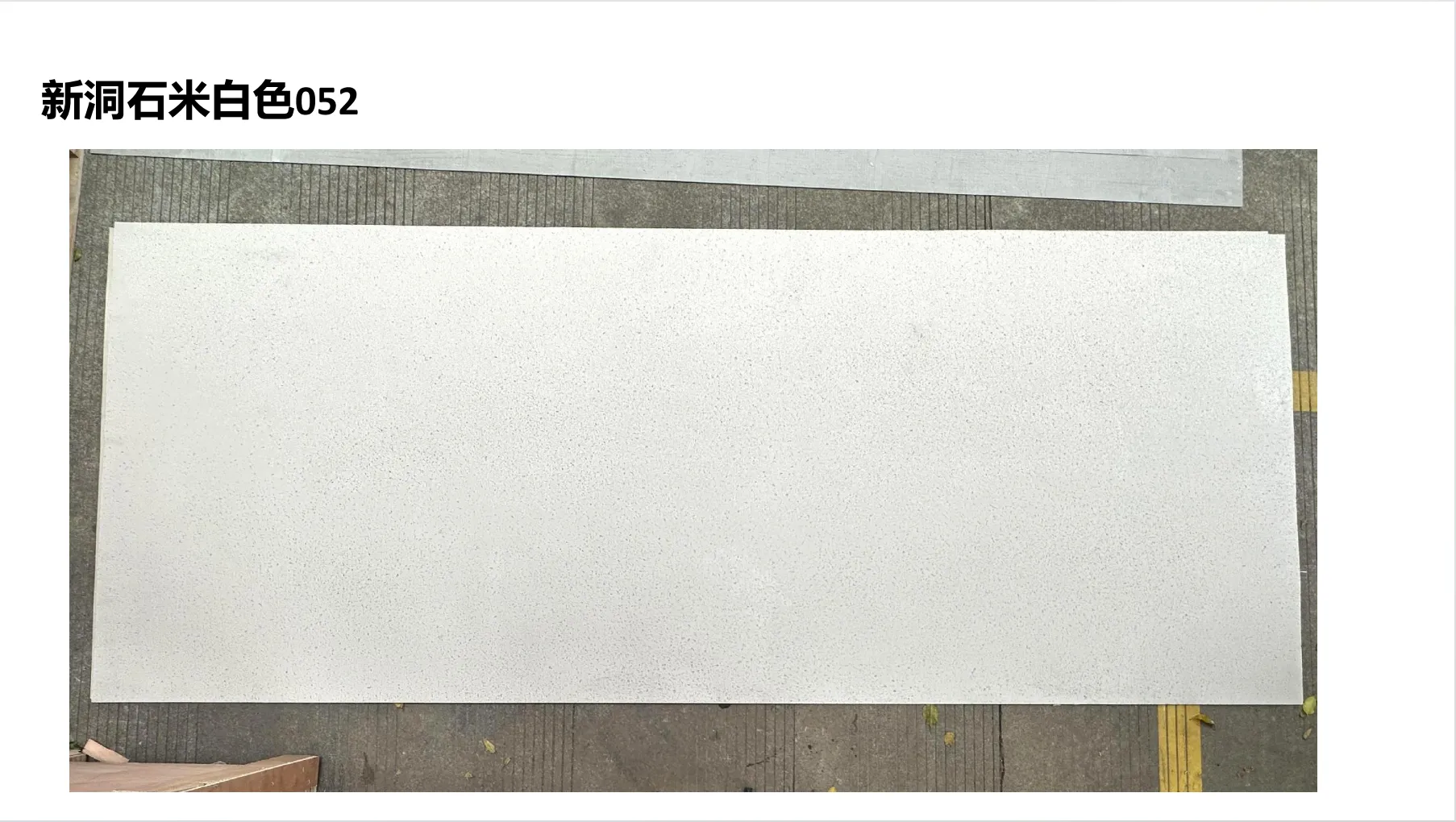
In the world of architecture and interior design, the surfaces we choose are more than just backdrops—they're storytellers. They set moods, evoke emotions, and turn ordinary spaces into memories. Today, we're diving deep into two materials that have captured designers' hearts for decades: MS Travertino and Limestone. We'll explore their textures, color palettes, and the unique character they bring to homes, offices, and public spaces. Along the way, we'll highlight real-world examples, from the starry hues of travertine to the earthy warmth of limestone, and even touch on complementary materials like rough granite stone that elevate their beauty.
Before we compare their textures and colors, let's get to know MS Travertino and Limestone individually. Think of this as a friendly introduction—no jargon, just the basics of what makes each material tick.
MS Travertino isn't your average stone. Part of the broader travertine family, it's formed from mineral-rich hot springs, where calcium carbonate deposits layer over time to create a material that's equal parts durable and delicate. What sets MS Travertino apart, though, is its unique finishing process that enhances its natural porosity and adds subtle, eye-catching details. Take travertine (starry green) , for example—a variation that mimics a night sky scattered with distant stars. Those tiny, shimmering flecks? They're not just for show; they're a result of mineral inclusions during formation, giving each slab a one-of-a-kind personality.
Unlike some dense stones, MS Travertino has a porous surface that feels almost alive to the touch. Run your hand across it, and you'll notice tiny indentations and valleys—remnants of the bubbles that rose through the hot springs as it formed. This porosity isn't a flaw; it's what makes the material so breathable, ideal for spaces where moisture balance matters, like bathrooms or sunrooms.
Limestone, on the other hand, is the quiet workhorse of natural stones. Formed from the accumulation of marine organisms like coral and shells over millions of years, it's a sedimentary rock with a soft, sedimentary texture that feels like a handshake from the earth. Most people picture lime stone(beige) when they hear the word—think warm, sandy tones that bring to mind sunlit beaches or ancient cliffs. But limestone comes in a range of hues, from pale ivories to deeper grays, depending on the minerals present during its formation.
What defines limestone's texture is its relatively uniform grain and subtle layering. Unlike travertine, it's less porous, which gives it a smoother, more consistent surface—though it still retains that organic, handcrafted feel. Run your fingers over a polished limestone slab, and you might detect faint fossilized imprints, a reminder of the sea creatures that contributed to its creation millions of years ago. It's a material that feels both timeless and alive, like holding a piece of Earth's history in your hands.
Texture is where materials truly come to life. It's the difference between a surface that feels cold and clinical versus one that invites you to reach out and touch it. Let's break down how MS Travertino and Limestone stack up in the texture department.
MS Travertino's texture is a study in contrasts. Its surface is dotted with tiny pores—some small enough to miss at first glance, others slightly larger, like tiny craters on a moonlit landscape. These pores aren't just aesthetic; they're a hallmark of travertine's formation, created when carbon dioxide bubbles escape the mineral-rich water as it cools. When sealed properly, these pores become part of the stone's charm, catching light and casting soft shadows that change throughout the day.
Take a close look at travertine (starry green) , and you'll see another layer of texture: those starry flecks we mentioned earlier. These are mineral deposits—often iron or manganese—that add a subtle sparkle, turning a plain slab into something that feels almost magical. Run your palm over it, and you'll notice a slight roughness, like sandpaper with a gentle touch, that makes it feel grounded and real.
Limestone, by comparison, is the calm counterpart. Its texture is smoother, with a fine, almost powdery grain that feels soft to the touch. Think of the difference between a gravel path (rough, uneven) and a sandy beach (smooth, yielding)—that's the vibe limestone brings. Even in its natural, unpolished state, it lacks the deep pores of travertine, giving it a more uniform look that's perfect for spaces where simplicity is key.
Beige limestone, in particular, often has subtle veining—thin, wispy lines of darker or lighter tones—that add depth without overwhelming. These veins are like nature's brushstrokes, telling the story of how the stone formed layer by layer on the ocean floor. Run your finger along one, and you'll barely feel a ridge; it's more of a visual texture than a tactile one, making limestone ideal for high-traffic areas where a smoother surface is easier to clean.
Here's a quick thought experiment: Imagine walking into a room with MS Travertino floors. Your shoes might make a soft, gritty sound as you step, a reminder of the stone's porous surface. Now step into a room with limestone floors—the sound is quieter, more muted, like walking on a cloud. That's the power of texture; it shapes not just how a space looks, but how it sounds and feels to move through.
Texture sets the foundation, but color is what catches the eye first. Both MS Travertino and Limestone come in a range of hues, but their color stories are as distinct as their textures. Let's explore the palettes that make each material a designer favorite.
When most people think of travertine, they picture warm beiges or soft creams. But MS Travertino breaks that mold with variations that feel almost otherworldly. The travertine (starry green) is a standout—think deep forest greens with tiny, silvery flecks that look like stars reflected on water. It's bold without being overwhelming, perfect for accent walls or statement countertops that demand attention.
But the starry theme doesn't stop at green. There's travertine (starry red) , with flecks of copper and gold that evoke a sunset, and travertine (starry blue) , which feels like a piece of the ocean frozen in stone. For those who prefer more muted tones, there are vintage finishes: travertine (vintage silver) with a cool, weathered look, and travertine (vintage gold) that adds a touch of old-world glamour. Even the classic travertine (beige) gets a twist with subtle undertones of pink or gold, making no two slabs exactly alike.
Limestone, true to its sedimentary roots, draws its color from the earth itself. Lime stone(beige) is the most iconic—think the color of sand dunes at dawn, with undertones of cream or pale yellow that warm up any space. But it's not all beige: there's stream limestone(dark grey) , a moody, charcoal-hued variation that adds drama, and dolomitic travertine(dark grey) (a close cousin) with subtle veining that mimics storm clouds.
What's remarkable about limestone's color is its consistency. Unlike travertine's bold variations, limestone tends to have a more uniform base, with gentle shifts in tone that create a sense of calm. A beige limestone wall, for example, won't clash with bold furniture or artwork—it will ground the space, letting other elements shine. It's the ultimate team player, which is why designers often pair it with more vibrant materials, like the rich greens of starry travertine or the deep grays of rough granite stone (medium grey) , to create balanced, layered looks.
Lighting plays a huge role in how these colors appear, too. MS Travertino's starry flecks glow under warm, yellow light, while cool LED lighting brings out the blue undertones in travertine (starry blue) . Limestone, with its smoother surface, reflects light more evenly—beige limestone can look almost white in bright sunlight, then shift to a cozy taupe as the sun sets. It's a reminder that choosing a material isn't just about picking a color swatch; it's about imagining how that color will live and breathe in your space throughout the day.
We've talked about feel and color, but let's get practical. How do MS Travertino and Limestone hold up in real life? Which is easier to maintain? Where do they work best? Let's break it down in a table—no fluff, just the facts that matter when you're choosing materials for your space.
| Feature | MS Travertino (e.g., Starry Green) | Limestone (e.g., Beige) |
|---|---|---|
| Durability | Moderate; porous, so prone to staining if unsealed. Best for low-to-medium traffic areas (walls, backsplashes). | Moderate to high; less porous than travertine. Holds up well in high-traffic areas (floors, countertops) with proper care. |
| Maintenance | Needs regular sealing (every 1-2 years) to prevent stains. Avoid acidic cleaners (lemon, vinegar) that can etch pores. | Requires sealing every 2-3 years. More resistant to acids than travertine but still needs gentle cleaners. |
| Best For | Accent walls, fireplace surrounds, statement pieces (thanks to bold colors like starry green). | Large surfaces (floors, countertops), spaces where uniformity and calm are key (bedrooms, offices). |
| Complementary Materials | Works with rough granite stone (medium grey) for contrast, or foamed aluminium alloy board (vintage silver) for a modern twist. | Paired beautifully with wood grain board for warmth, or fair-faced concrete for an industrial edge. |
| Cost | Mid-to-high range; specialty finishes (starry, vintage) add to the price. | Mid-range; more affordable than specialty travertine but pricier than synthetic alternatives. |
Tables and facts are helpful, but nothing brings materials to life like real-world examples. Let's step into a few spaces where MS Travertino and Limestone take center stage—and see how designers paired them with other materials to create magic.
In a bustling neighborhood café in Portland, the designer wanted to create a space that felt both cozy and Instagram-worthy. They chose travertine (starry green) for the main bar front—a bold move that paid off. The deep green slabs, with their silvery flecks, catch the warm pendant lights above, making the bar glow like a forest at night. To balance the drama, they paired the travertine with rough granite stone (medium grey) for the bar top. The granite's coarse texture contrasts with the travertine's porous surface, and its neutral color keeps the focus on the starry green. The result? A space where people linger not just for the coffee, but to snap photos of the "starry bar."
For a remote worker in Colorado, the goal was to turn a small home office into a calm, productive space. The designer opted for lime stone(beige) for the accent wall behind the desk. The soft, uniform color and smooth texture create a backdrop that's easy on the eyes during long workdays, while the stone's natural warmth keeps the space from feeling sterile. To add depth, they installed wood grain board shelves above the desk, whose warm tones complement the limestone's earthiness. The finishing touch? A weaving (khaki) rug on the floor, which echoes the limestone's beige hue and adds softness underfoot. It's a space that feels both grounded and inspiring—proof that limestone's subtlety can be its greatest strength.
At the end of the day, there's no "winner" between MS Travertino and Limestone—only what works best for your space and your style. Here are a few questions to ask yourself when deciding:
And remember: You don't have to choose just one. Many designers mix and match—like using limestone for floors and MS Travertino for a fireplace surround, or pairing both with fair-faced concrete for a modern, layered aesthetic. The key is to let the materials complement each other, not compete.
MS Travertino and Limestone are more than just building materials—they're pieces of Earth's history, each with its own story to tell. MS Travertino's porous surface and starry flecks remind us of nature's chaos and beauty, while limestone's smooth layers speak to patience and time. Together, they prove that the most memorable spaces aren't perfect—they're authentic.
Whether you're drawn to the drama of travertine (starry green) or the calm of lime stone(beige) , the best choice is the one that makes you pause and think, "This feels like home." And when you pair them with complementary materials—like the rough charm of rough granite stone or the modern edge of foamed aluminium—you're not just decorating a space; you're creating a narrative that reflects who you are.
So go ahead—touch the samples, study the colors in different lights, and let your intuition guide you. After all, the best design stories are the ones that feel uniquely yours.
Recommend Products










