
Choosing the right material for your space is like picking the perfect soundtrack for a memory—it sets the tone, evokes emotion, and lingers long after the first impression. For decades, homeowners, designers, and architects have found themselves at a crossroads: travertine or marble? Both stones carry a legacy of beauty, but they're as different as a cozy cabin and a sleek skyscraper. Today, we're diving deep into this dilemma, with a focus on MS Travertino —a modern take on classic travertine—and traditional marble. We'll explore their aesthetics through the lens of real-world applications, break down the costs that matter, and even touch on how newer materials like MCM flexible stone fit into the mix. Whether you're revamping your kitchen backsplash, designing a boutique hotel lobby, or simply daydreaming about your future patio, this guide is your companion in navigating the textures, colors, and stories behind these timeless materials.
Let's start with a truth: no material is "perfect." Marble dazzles with its veiny drama, but it's as high-maintenance as a vintage sports car. Travertine, with its earthy pores and warm hues, feels like a hug from the Italian countryside, but it requires patience (and sealant) to keep it looking fresh. And then there's MS Travertino—engineered to bridge the gap, with variations like travertine (starry green) that add a modern twist to a classic stone. Along the way, we'll also peek at other contenders, like the understated elegance of fair-faced concrete and the cool sheen of lunar peak silvery , to help you see the full landscape of possibilities.
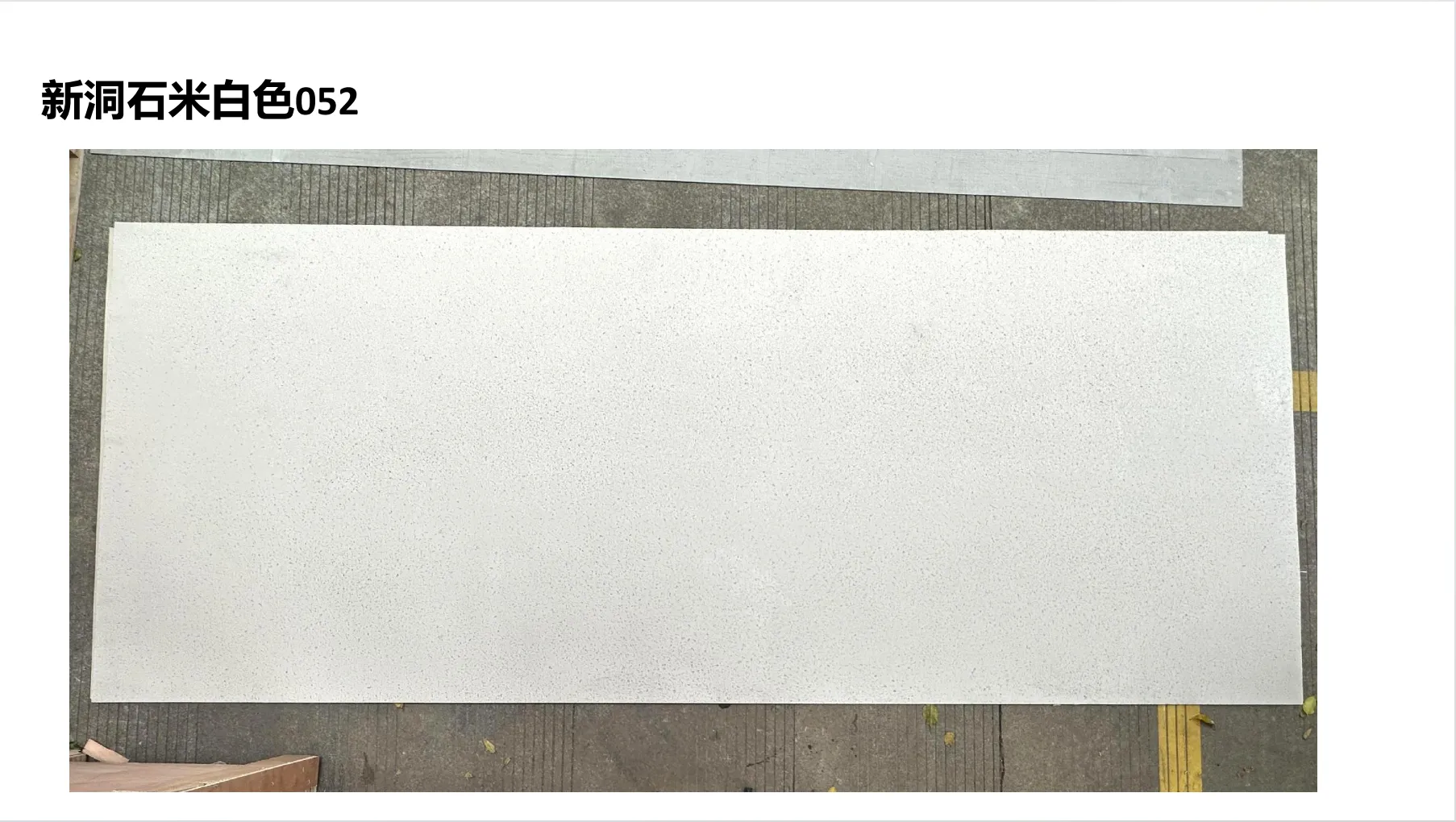
Aesthetics aren't just about "looking pretty"—they're about how a material makes you feel when you walk into a room. Let's start with the surface: run your hand over marble, and you'll find a smooth, almost glassy finish that reflects light like a still lake. Travertine, on the other hand, is tactile, with tiny pores and ridges that feel like the palm of a well-loved hand. MS Travertino amplifies this character, with options like travertine (starry green) that infuse the stone with subtle, (starry) flecks, turning a wall or countertop into a conversation piece.
Marble is the drama queen of the stone world—and we mean that in the best way. Think marble veil white , where soft, gray veins swirl across a creamy backdrop like brushstrokes on a canvas. It's the material of luxury hotels and grand foyers, where its lightness makes spaces feel airy and expansive. But marble isn't all white: there's marble interstellar gray , with deep, moody undertones that add sophistication to a modern living room, or red travertine (a cousin, but worth mentioning) that brings the warmth of a desert sunset.
Travertine, by contrast, leans into earthiness. MS Travertino's range includes travertine (beige) —a soft, sand-like hue that feels like a permanent vacation—and travertine (light grey) , which balances neutrality with depth. The "starry" variants, like starry red or starry blue, are game-changers: imagine a bathroom wall clad in travertine (starry orange) , where the stone shimmers like a campfire under warm lighting. It's not just a color—it's an emotion.
Marble's polished surface is non-negotiable for some. It's sleek, easy to wipe clean, and reflects light in a way that makes small spaces feel larger. But that smoothness comes with a trade-off: it shows every fingerprint, every water spot, and every scratch. Travertine, with its naturally pitted texture, hides imperfections like a pro. Those tiny pores? They're not flaws—they're character. Run your fingers over rough granite stone (medium grey) (a close cousin in texture) and you'll understand: it's a material that invites touch, that feels lived-in and authentic from day one.
MS Travertino takes this texture to new heights with options like linear travertine (claybank) , where subtle, parallel grooves add movement to a backsplash, or dolomitic travertine (dark grey) , which mimics the look of weathered stone with a modern edge. It's texture that tells a story—of time, of nature, of the hands that shaped it.
Ever notice how a marble countertop changes color throughout the day? Morning light turns marble veil white into a soft, golden glow, while afternoon shade deepens its veins into charcoal. It's dynamic, alive. Travertine, with its matte finish, plays with light more quietly. Travertine (starry green) doesn't reflect light—it absorbs it, then releases it gently, creating a warm, ambient glow that's perfect for bedrooms or cozy reading nooks. In a kitchen with northern exposure, that soft radiance can turn a cold space into a welcoming one.
Let's talk numbers—because even the most stunning material won't work if it breaks the bank. When comparing MS Travertino and marble, cost isn't just about the initial price tag; it's about maintenance, longevity, and whether the investment aligns with your lifestyle.
Marble is expensive—and for good reason. Sourcing high-quality marble, especially rare varieties like marble interstellar gray , involves quarrying from specific regions (think Italy, Greece, or Turkey), transporting heavy slabs, and cutting them to size. On average, marble costs between $8 and $20 per square foot for the material alone, and installation can add another $4 to $10 per square foot. A small kitchen backsplash (say, 30 square feet) could set you back $360 to $900, while a full bathroom renovation might hit $2,000 or more.
MS Travertino, by contrast, is more budget-friendly. Thanks to modern manufacturing techniques and a wider range of sources, basic travertine starts at $5 to $12 per square foot, with installation costs similar to marble. The "starry" or specialty variants, like travertine (starry green) , might bump that up to $10 to $15 per square foot, but it's still significantly less than most marbles. For that same 30-square-foot backsplash, you're looking at $270 to $750—a noticeable saving.
Here's where marble really starts to bite: upkeep. Marble is porous and acidic-sensitive. Spill a glass of wine, a lemon wedge, or even tomato sauce, and you could end up with a permanent stain. To prevent this, marble needs to be sealed every 6 to 12 months, at a cost of $0.50 to $2 per square foot (professionally applied). Scratches are also a risk—drag a metal pan across a marble countertop, and you'll likely leave a mark that requires professional polishing to fix ($3 to $5 per square foot). Over 10 years, that small kitchen backsplash could cost an extra $300 to $600 in maintenance.
Travertine is no stranger to sealing—it's porous too—but it's more forgiving. A good sealer applied every 1 to 2 years (costing $0.40 to $1.50 per square foot) is usually enough to keep stains at bay. And because of its textured surface, minor scratches are far less noticeable. A scuff that would scream on marble veil white blends right into travertine (beige) 's natural pits and grooves. Over a decade, maintenance costs for travertine are roughly 30% less than marble's.
Both stones are durable—we're talking centuries, if cared for properly. The Parthenon in Athens is made of marble, and ancient Roman ruins feature travertine prominently. But in modern homes, "durability" depends on use. Marble in a high-traffic foyer will show wear faster than travertine in the same space, simply because its smooth surface offers no protection against scratches. MS Travertino, with its denser composition (thanks to modern processing), is actually slightly more resistant to chipping than traditional travertine. So if you have kids, pets, or love hosting dinner parties, travertine might outlast marble in terms of looking "new."
| Aspect | MS Travertino (Average) | Marble (Average) |
|---|---|---|
| Material Cost (per sq. ft.) | $5–$15 | $8–$20 |
| Installation Cost (per sq. ft.) | $4–$10 | $4–$10 |
| Annual Maintenance Cost | $0.50–$1.50/sq. ft. | $1–$2/sq. ft. |
| Expected Lifespan (with care) | 50+ years | 50+ years |
| Best For | High-traffic areas, families, budget-conscious projects | Low-traffic, luxury spaces, statement walls |
Numbers and specs tell part of the story, but nothing beats seeing a material in action. Let's step into three hypothetical homes where MS Travertino and marble take center stage—and meet the people who chose them.
Sometimes, the best choice isn't either/or—it's something entirely new. Materials like MCM flexible stone and fair-faced concrete are gaining popularity for their versatility, durability, and unique aesthetics.
MCM flexible stone is a game-changer for DIYers and designers alike. Made from natural stone particles mixed with a flexible resin, it comes in thin sheets that can be cut with scissors or a utility knife and applied to walls, furniture, or even ceilings. It mimics the look of real stone—including textures like lunar peak silvery , which has a metallic, moon-like sheen—but weighs a fraction of the real thing. "I used it to cover an old wooden dresser," says DIY enthusiast Taylor. "Now it looks like it's made of stone, but it's light enough to move around. Total cost? $80 for a 4x8 sheet."
MCM flexible stone is also water-resistant and low-maintenance, making it ideal for bathrooms, kitchens, or outdoor spaces. Prices start at $8 per square foot, making it competitive with travertine. And with finishes ranging from rust square line stone to bamboo mat board , it's easy to find a look that fits your style.
If you love minimalist, industrial design, fair-faced concrete might be your match. Also known as "architectural concrete," it's poured and finished to expose the natural texture of the material—no paint, no polish. It has a raw, organic look that pairs beautifully with wood, metal, or plants. "I used fair-faced concrete for my kitchen countertops," says designer Marco. "It's not as porous as travertine, so I don't have to seal it as often, and it develops a patina over time. It's like having a living material in my home."
Cost-wise, fair-faced concrete is similar to travertine, ranging from $6 to $15 per square foot. It's durable, heat-resistant, and can be stained or sealed to alter its color. The downside? It's heavy, so installation requires professional help, and it can crack if not properly reinforced. But for the right space—a modern loft, a home office with an edgy vibe—it's unbeatable.
At the end of the day, the choice between MS Travertino and marble isn't about which is "better"—it's about which fits your life. Marble is for those who crave luxury, are willing to invest in maintenance, and want a material that makes a bold statement. MS Travertino is for the realists—the families, the DIYers, the people who want beauty without the stress, and who love the idea of a material that ages gracefully, telling the story of their lives in its texture and patina.
And if neither feels right? There's a whole world of options: MCM flexible stone for its versatility, fair-faced concrete for its industrial charm, or even lunar peak silvery for a touch of otherworldly elegance. The key is to choose a material that speaks to you—not just with its looks, but with how it makes you feel every time you walk into the room.
So go ahead—touch the samples, imagine the light, picture your morning coffee on that countertop. Your space deserves a material that's as unique as your story. Whether it's the starry glow of MS Travertino or the timeless drama of marble, the perfect stone is out there, waiting to become part of your home.
Recommend Products












