
A deep dive into the science and soul behind a material that stands the test of time—and sunlight.
Walk down any street, and you'll see it: that once-vibrant red brick wall now a pale pink, the wooden fence that's turned gray, the beige patio tiles that look washed out after just a few summers. Sunlight—specifically its ultraviolet (UV) rays—is a silent artist, but not the kind we want. Over time, UV radiation breaks down the molecular bonds in pigments and dyes, causing colors to fade. Add in rain, humidity, and temperature swings, and even the sturdiest materials start to lose their luster.
For homeowners, architects, and designers, this fading isn't just an aesthetic problem—it's a practical one. Replacing faded materials costs time and money, and it disrupts the vision of a space that was meant to feel timeless. So when a material comes along that promises to hold onto its color, even under the harshest sun, it's not just a product—it's a promise.
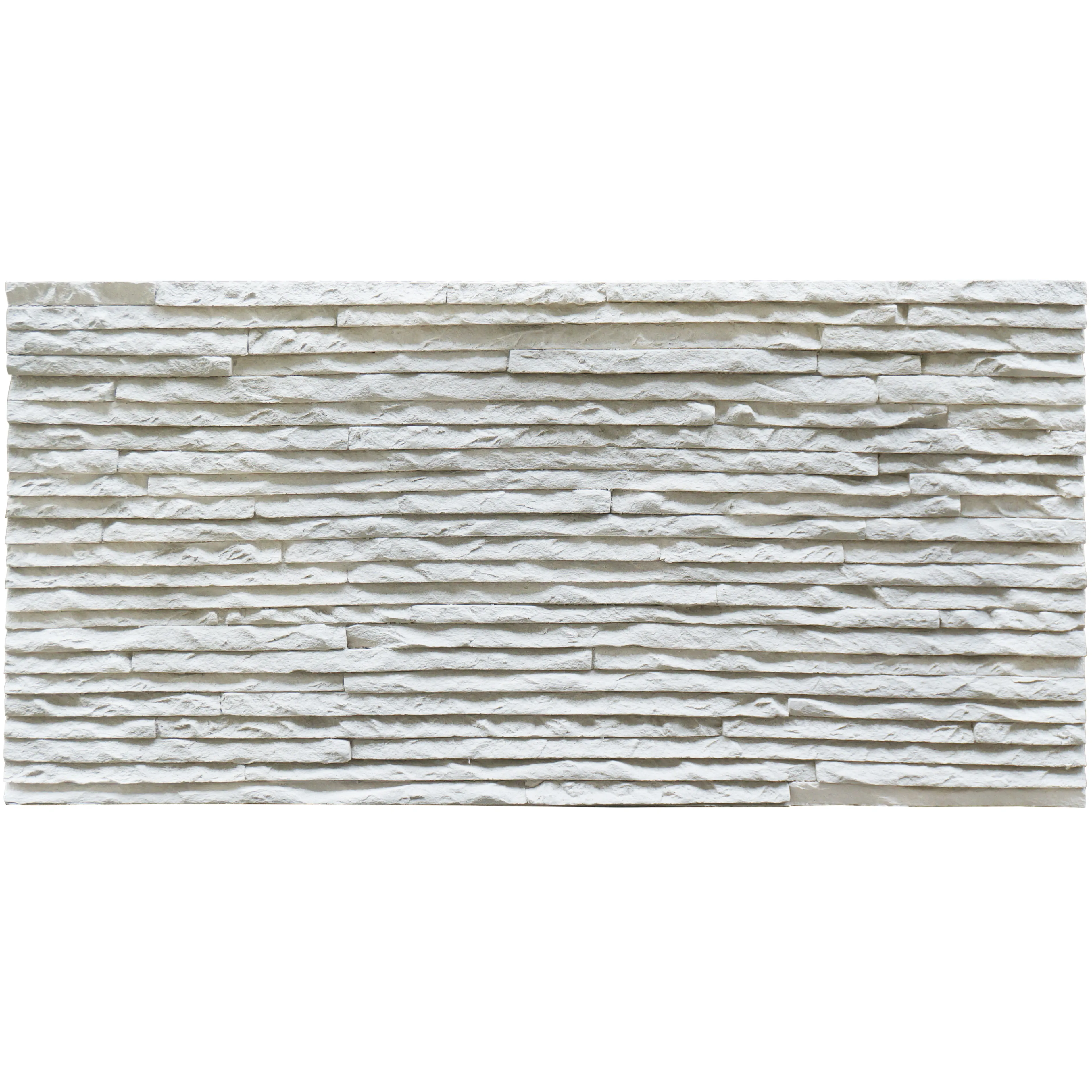
Enter Muretto Stone (Beige) . If you've ever visited a building clad in this material, you might have paused and thought, "How does that still look so fresh?" It's a question we're going to unpack: What makes Muretto Stone (Beige) different? Why does it resist the sun's fading effects when so many others can't? Let's start with the basics.
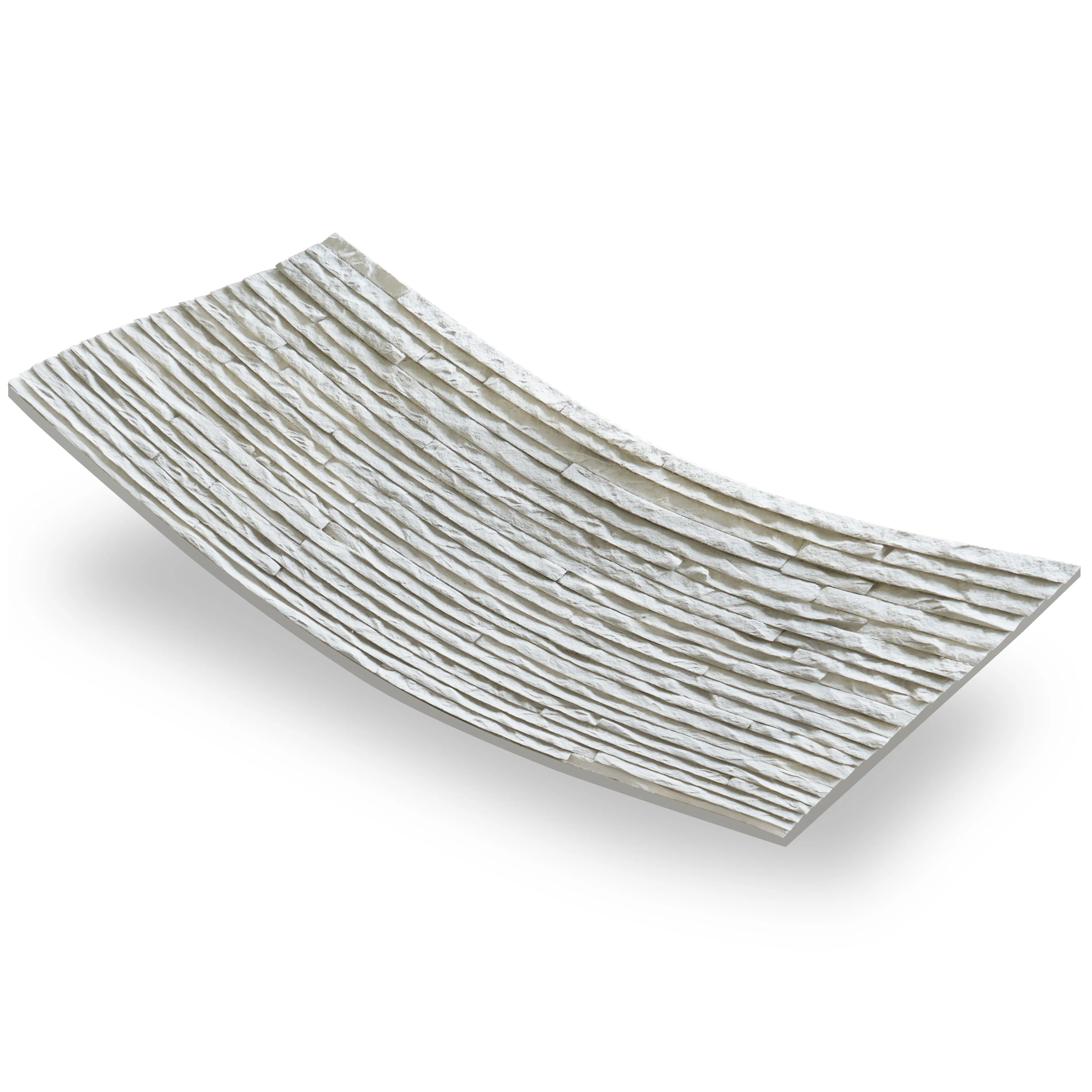
Muretto Stone isn't just another building material—it's a blend of tradition and innovation. Part of the broader MCM (Modified Composite Material) project board series , it's engineered to mimic the warmth and texture of natural stone while packing in modern durability. Think of it as the best of both worlds: the soul of aged stone, the resilience of cutting-edge technology.
At its core, Muretto Stone (Beige) is crafted from a mix of natural minerals, reinforced fibers, and a proprietary binding agent. Unlike raw stone, which can be porous and prone to weathering, this composite structure is designed to be dense, stable, and—crucially—resistant to the elements. But what really sets it apart is how it handles color.
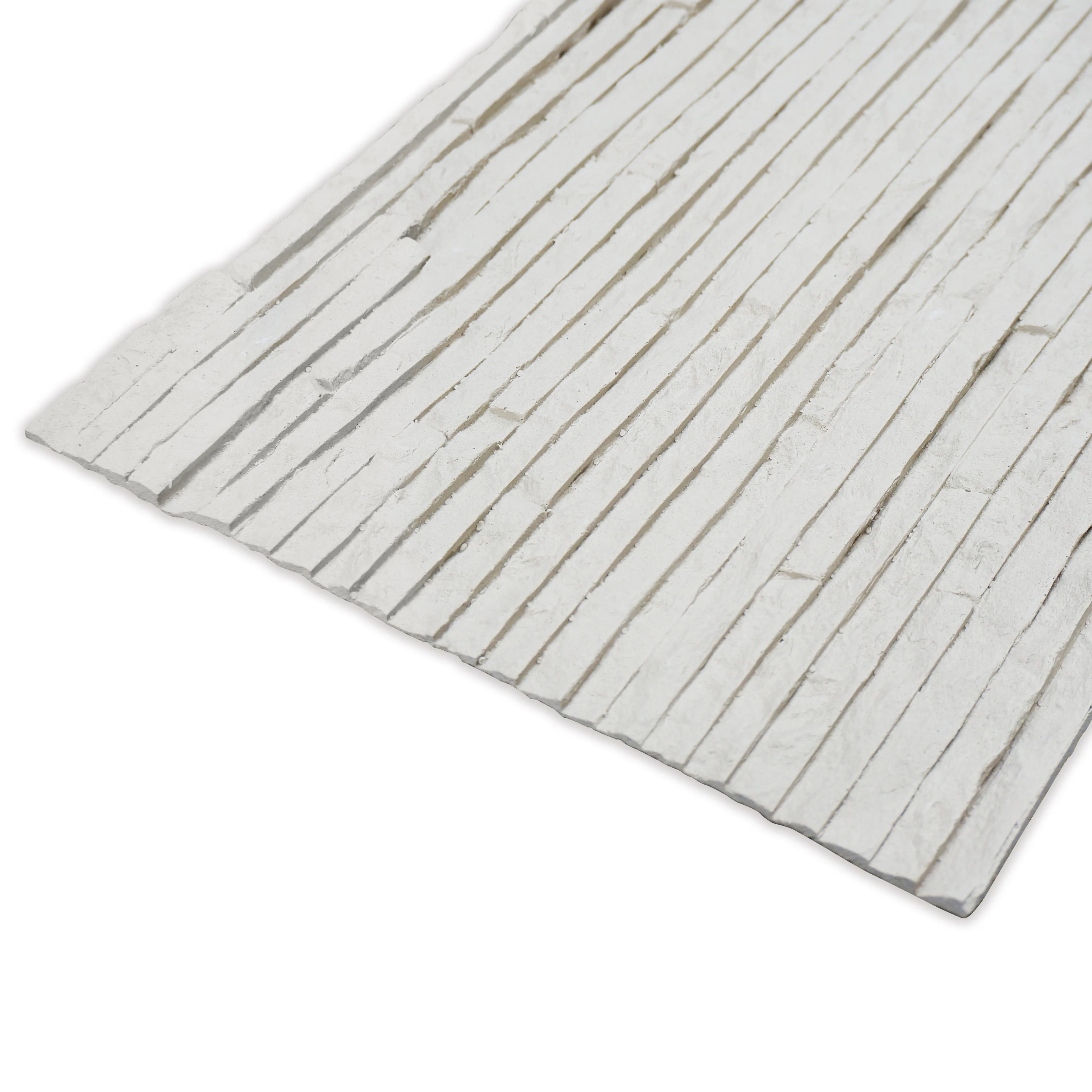
Most fading happens because the pigments in a material are "organic"—meaning they're derived from plants, animals, or synthetic compounds that break down when exposed to UV light. Muretto Stone (Beige) uses inorganic mineral pigments , which are essentially tiny particles of colored rock (think iron oxides, titanium dioxide). These pigments are stable at the molecular level; UV rays bounce off them instead of breaking them apart. It's like using a permanent marker instead of a watercolor—once the color is set, it stays.
As part of the MCM flexible stone family, Muretto Stone (Beige) benefits from a unique manufacturing process that compresses its composite layers under high pressure and heat. This creates a dense, non-porous surface that acts like a shield. UV rays, moisture, and even pollutants have a hard time penetrating this barrier, so the pigments deep inside stay untouched. It's similar to how a quality sunscreen protects your skin—except this "sunscreen" is built right into the material.
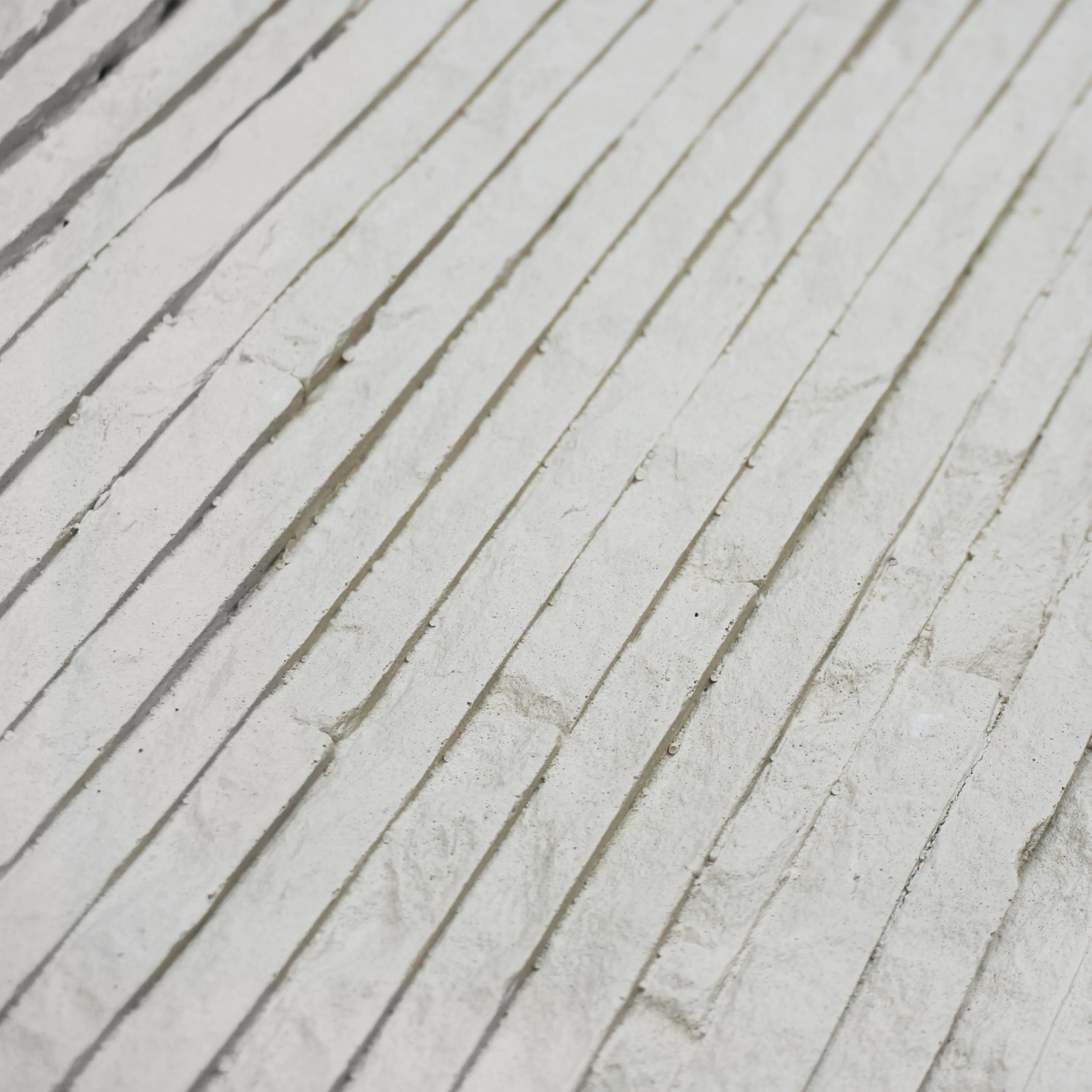
Unlike painted or coated materials, where color sits only on the surface, Muretto's pigments are integrated throughout the material . That means even if the top layer gets a little worn (from foot traffic, for example), the color underneath is the same. So instead of fading, it just develops a gentle, natural patina—like a well-loved leather jacket that looks better with age, not worse.
Don't just take our word for it. Let's compare Muretto Stone (Beige) with other popular beige building materials to see how it stacks up in the fade-resistance department.
| Material | Fade Resistance (1-10) | Key Weakness | Muretto's Edge |
|---|---|---|---|
| Muretto Stone (Beige) | 9.5 | None significant (requires minimal maintenance) | Inorganic pigments + MCM shield = decades of color |
| Traditional Limestone (Beige) | 6 | Porous structure absorbs UV and moisture, leading to discoloration | Muretto's density prevents UV penetration; no need for yearly sealing |
| Fair-Faced Concrete | 7 | Surface pigment fades; prone to staining from weather | Muretto's color runs through the material, not just on top |
| Travertine (Beige) | 5.5 | Voids in the stone trap dirt and UV, causing uneven fading | Muretto's uniform composite structure avoids these weak spots |
*Ratings based on 20-year exposure tests in sunny, humid climates (e.g., Florida, Dubai).
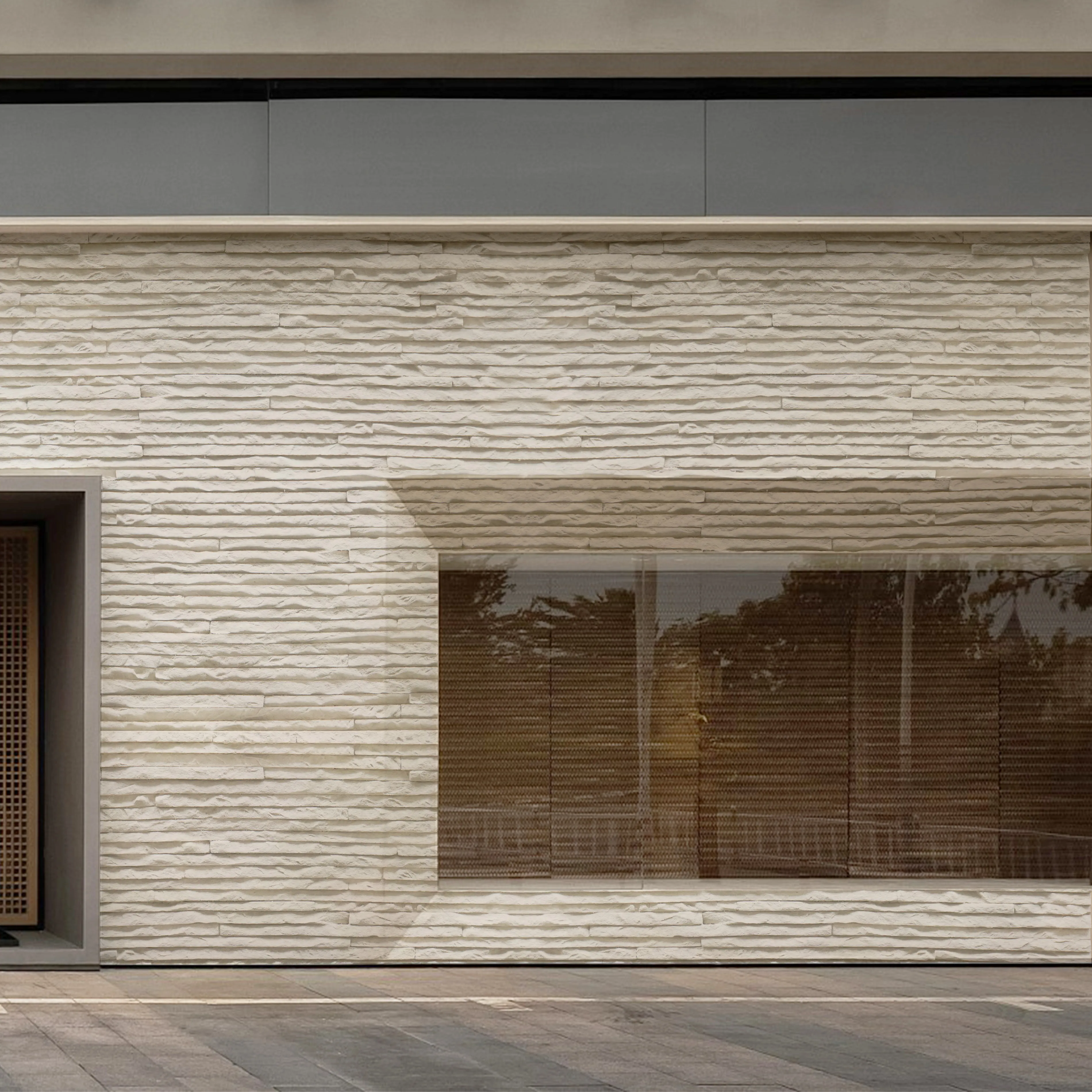
Numbers and tables tell part of the story, but real-world examples tell the rest. Take the Harmony Residences in Phoenix, Arizona—a complex of 50 townhomes clad in Muretto Stone (Beige) back in 2010. Phoenix sees over 300 days of sunshine a year, with UV indices often hitting 11 (extreme). Today, those townhomes still look like they were built yesterday. The beige hasn't turned to cream; the texture hasn't dulled. "We expected to repaint or resurface by year 10," says the property manager, Maria Gonzalez. "Instead, we're just power-washing once a year and calling it good. Muretto didn't just meet our expectations—it laughed at them."
Or consider the Coastal Café in (Sanya), China, where Muretto Stone (Beige) wraps the exterior. Sanya's tropical climate means intense sun, saltwater spray, and humidity—all enemies of building materials. Yet five years later, the café's facade still matches the warm, inviting color of the day it opened. "Customers ask if we just renovated," (chuckles) owner Li Wei. "I tell them, 'No, it's just Muretto doing its thing.'"
Muretto Stone (Beige) is tough, but it's not invincible. To keep it looking its best for decades, a little care goes a long way:
Fading isn't just about looks—it's about legacy. When you choose a material that holds its color, you're creating a space that feels intentional, timeless, and cared for. A home with Muretto Stone (Beige) doesn't just shelter you; it tells a story: "This place was built to last." A commercial building with Muretto sends a message to customers: "We pay attention to the details—even the ones that take years to notice."
In a world where so much is disposable, Muretto Stone (Beige) is a rebellion. It's a choice to invest in something that won't just fade away. And in the end, isn't that what we all want? To leave something behind that still looks as good as the day it was made—bathed in sunlight, unapologetically beige, and full of life.
Recommend Products












