
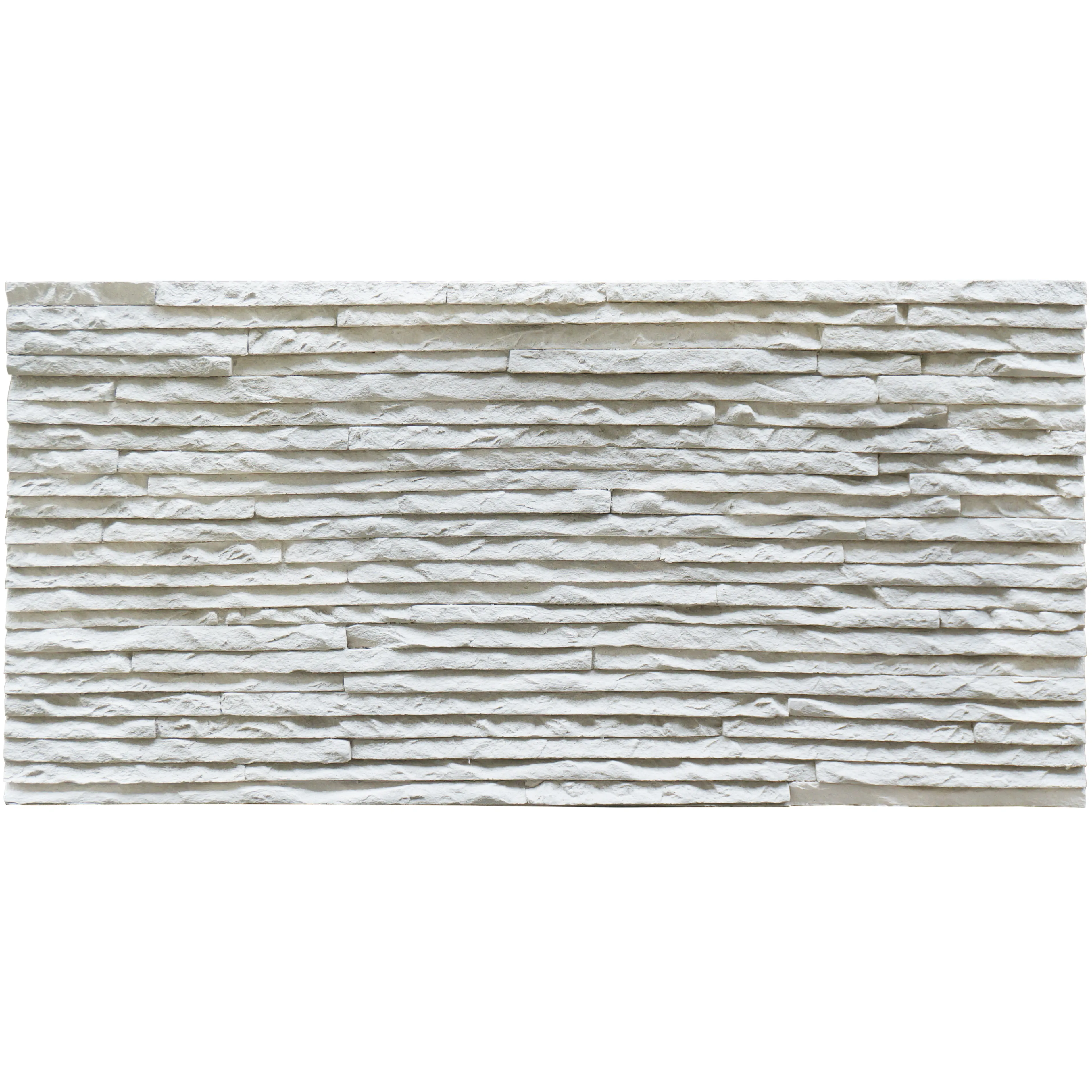
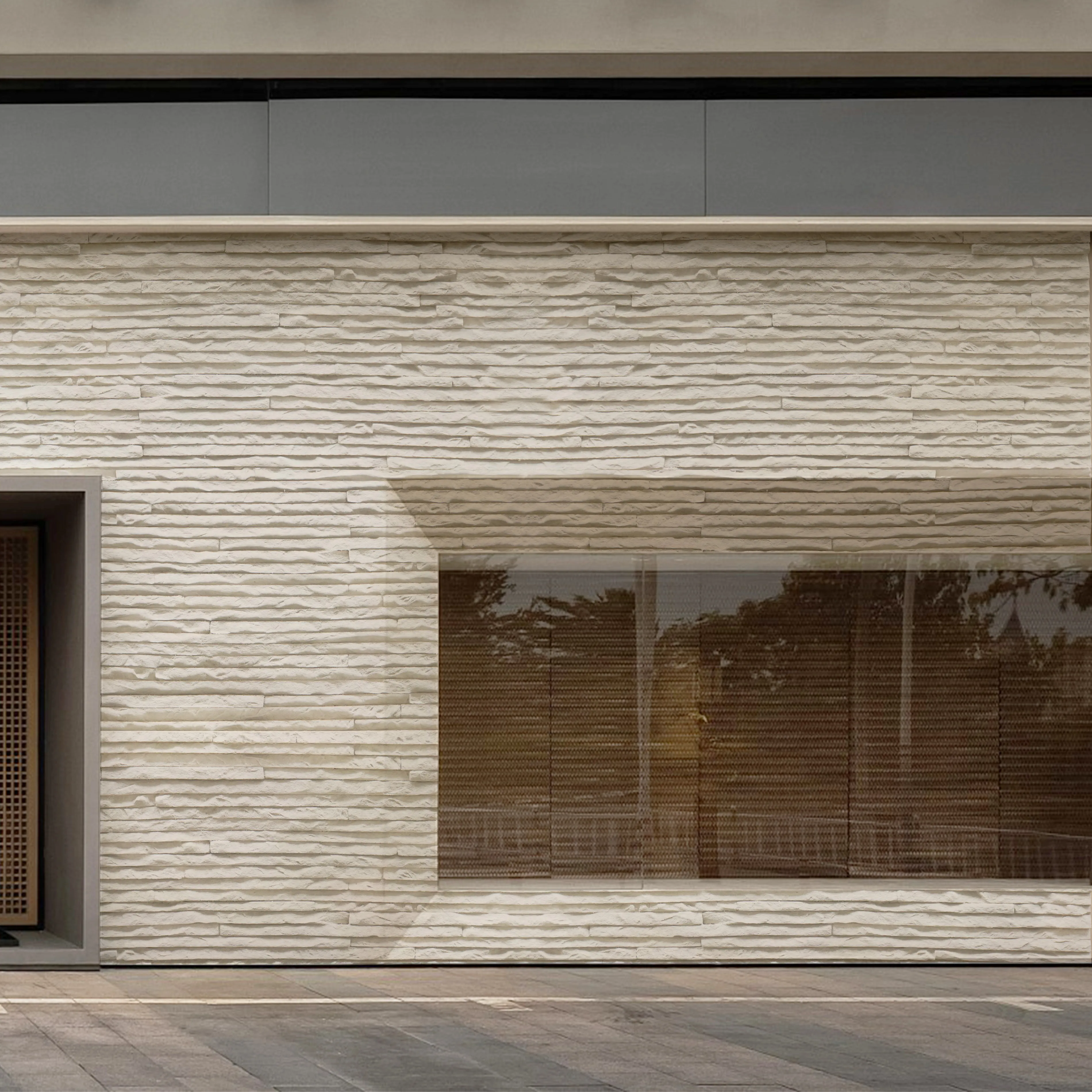
In the world of modern architecture, facades are more than just walls—they're the face of a building, telling stories of design philosophy, cultural context, and technological innovation. Today's architects and designers crave materials that don't just perform but resonate —materials that balance the cool precision of engineering with the warmth of human connection. Enter Muretto Stone (Beige), a standout in the MCM flexible stone lineup that's redefining what a facade can be. More than a surface, it's a bridge between nature's organic beauty and the demands of contemporary construction.
Muretto Stone (Beige) draws its aesthetic roots from traditional muretto stonework—think the sun-baked walls of Mediterranean villages, where time-worn beige tones blend seamlessly with earth and sky. But unlike its historic counterpart, this modern iteration is part of the MCM (Modified Composite Material) family, a category celebrated for its flexible stone technology. By combining natural mineral aggregates with advanced polymers, Muretto Stone achieves something remarkable: the look and texture of natural stone, with the durability and adaptability of engineered materials.
Beige is often dismissed as "neutral," but in the hands of designers, it's anything but boring. Muretto Stone (Beige) leans into this versatility with a hue that shifts subtly with light—warm gold undertones at dawn, soft taupe shadows at dusk. It's a color that complements bold accents (think vibrant signage or greenery) without overwhelming them, and holds its own in minimalist schemes, where texture becomes the star. In urban settings, it softens the harsh lines of glass and steel; in suburban or rural projects, it grounds buildings in their natural surroundings. It's not just a color—it's a mood: calm, inviting, and timeless.
Here's where MCM technology truly shines: flexibility. Unlike rigid natural stone slabs, Muretto Stone (Beige) bends without breaking, making it ideal for curved facades, irregular surfaces, or buildings with dynamic architectural profiles. This isn't just about aesthetics—flexibility translates to practical benefits, too. It absorbs impact better than brittle materials, resists cracking in temperature fluctuations, and adapts to structural movement over time. For architects pushing the boundaries of form, this means fewer design compromises and more creative freedom.
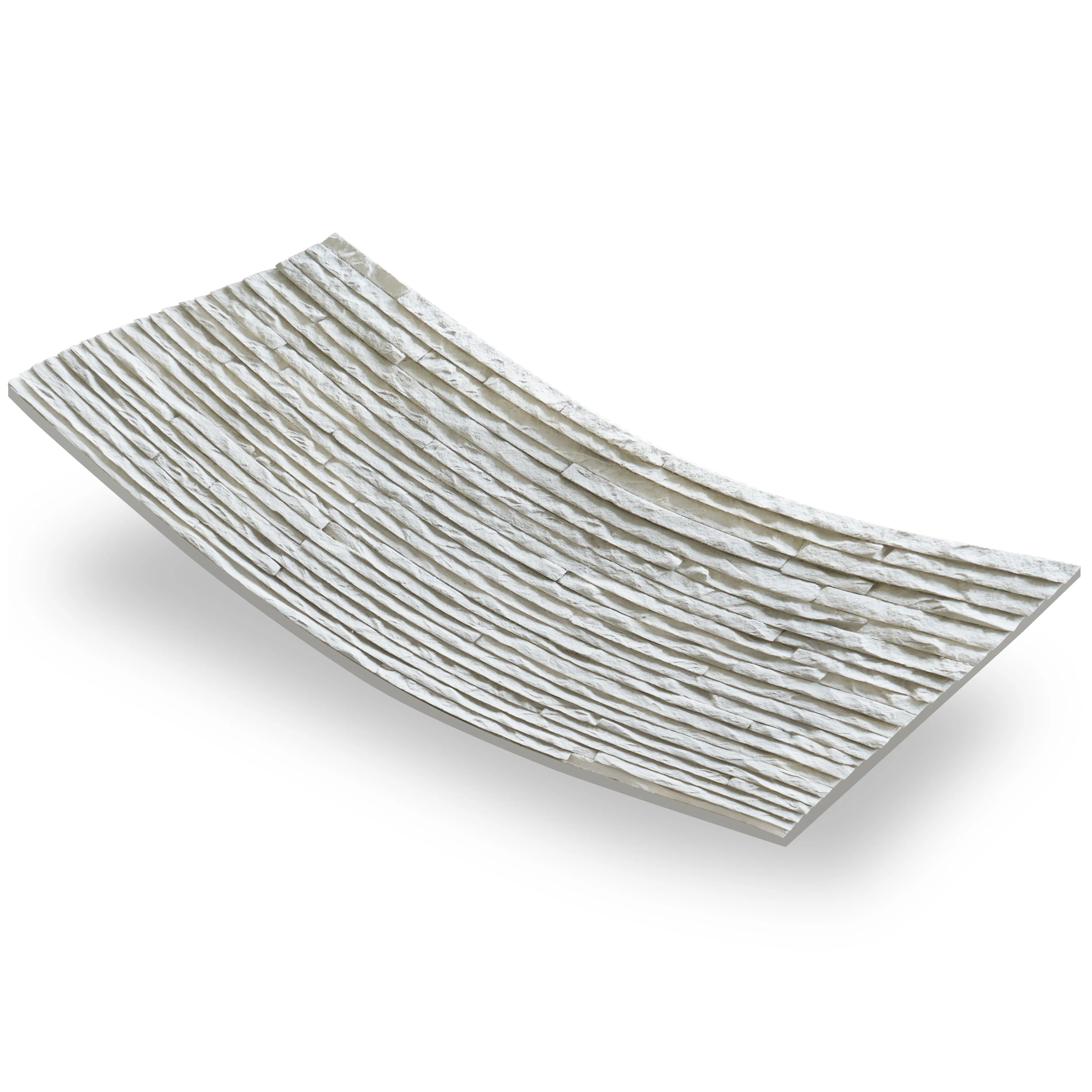
A facade isn't just about looks—it's a building's first line of defense against the elements. Muretto Stone (Beige) rises to the challenge with impressive durability metrics: it's water-resistant, fade-resistant under UV rays, and impervious to mold and mildew. Whether facing the salty air of coastal cities, the freezing winters of northern climates, or the scorching heat of deserts, it maintains its color and integrity. This longevity isn't just good for building owners; it's good for the planet, too—reducing the need for frequent replacements and minimizing waste.
Muretto Stone (Beige) is available as part of the big slab board series , a range that offers larger-than-standard panels (up to 1200x2400mm in some configurations). Why does size matter? Larger slabs mean fewer seams, creating a smoother, more cohesive facade that reads as a single, striking surface. For commercial projects like shopping malls or office towers, this translates to a more polished, high-end look. For installers, it means faster installation times and reduced labor costs—proof that practicality and beauty can go hand in hand.
Natural stone is heavy, often requiring reinforced structural support that adds cost and complexity. Muretto Stone (Beige) flips the script: at just 4-6kg per square meter, it's up to 70% lighter than traditional stone. This lightweight profile reduces strain on building foundations, simplifies transportation, and opens up possibilities for retrofitting older buildings where weight restrictions are tight. It's a game-changer for architects working with existing structures or seeking to minimize a building's carbon footprint—less structural steel, less concrete, less environmental impact.
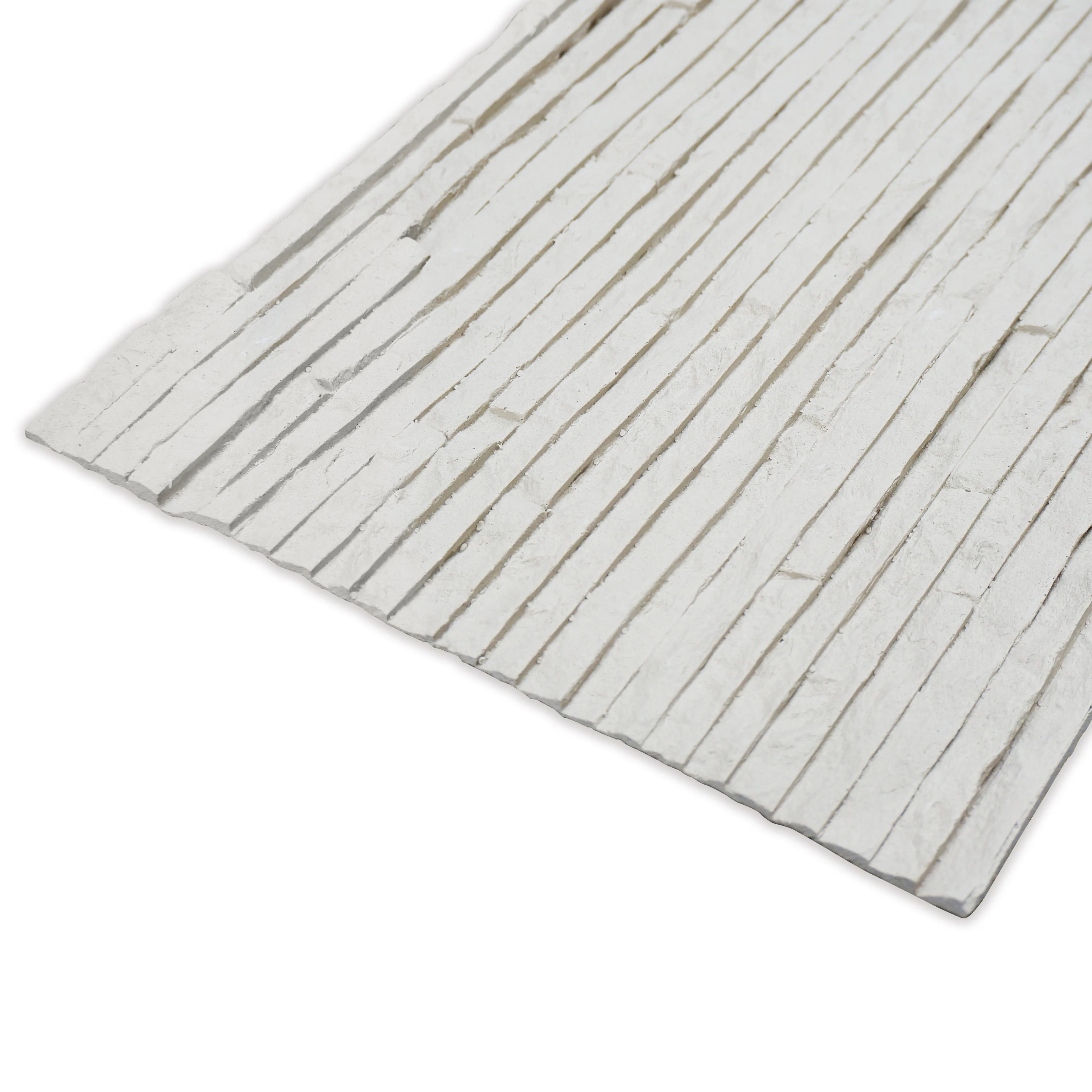
To truly appreciate Muretto Stone (Beige), it helps to see it alongside other popular facade materials. Let's compare it to two contenders: the industrial chic of fair-faced concrete and the sleek modernity of Lunar Peak Silvery .
| Feature | Muretto Stone (Beige) | Fair-Faced Concrete | Lunar Peak Silvery |
|---|---|---|---|
| Aesthetic Vibe | Warm, earthy, organic texture | Raw, industrial, minimalist | Cool, metallic, futuristic |
| Durability | High (flexible, impact-resistant) | High (brittle, prone to cracking over time) | Medium (scratch-resistant but shows fingerprints) |
| Installation Ease | Easy (lightweight, flexible panels) | Challenging (heavy, requires precise formwork) | Moderate (rigid, requires careful handling) |
| Sustainability | High (recyclable, low embodied carbon) | Medium (high cement use, but durable) | Medium (metallic content, energy-intensive production) |
| Best For | Warm, approachable spaces; curved facades | Industrial, utilitarian designs; brutalist revivals | High-tech, modernist projects; accent panels |
The takeaway? There's no "one-size-fits-all" facade material, but Muretto Stone (Beige) carves out a unique niche: it offers the warmth of natural materials with the performance of engineered ones, making it a Swiss Army knife for designers who refuse to choose between form and function.
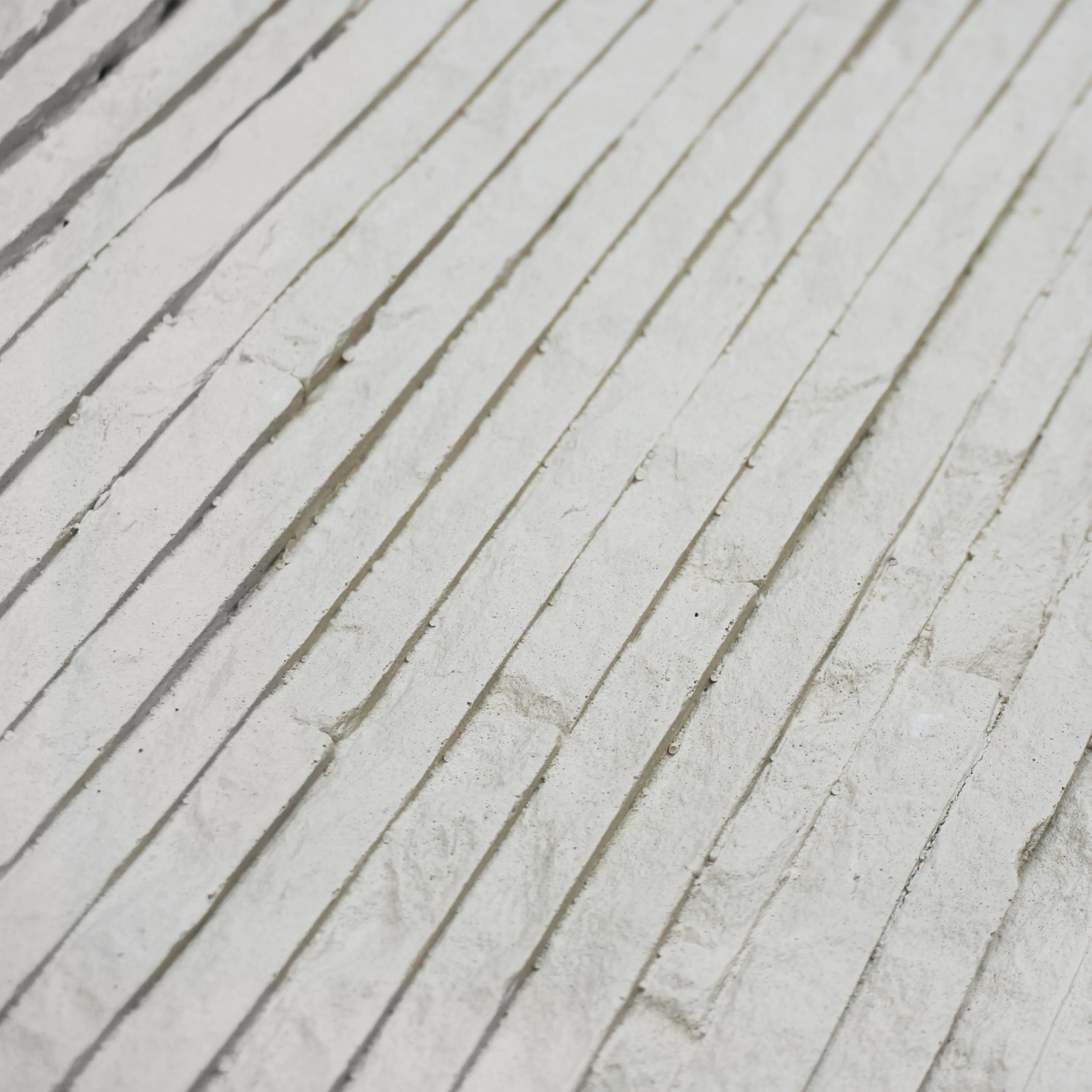
Take the "Pine Ridge Office Park" in a bustling tech hub, where developers wanted a campus that felt less "corporate" and more "collaborative." The design team chose Muretto Stone (Beige) for the main facade, pairing it with floor-to-ceiling glass and wooden accents. The result? A building that feels approachable, not intimidating—employees report feeling more connected to the outdoors, and visitors often comment on the "welcoming" vibe. The big slab board series minimized seams, creating a clean look that contrasts beautifully with the park's landscaping.
In a luxury townhouse development outside a major city, Muretto Stone (Beige) was selected to replace traditional brick. Homeowners wanted the charm of a "cottage" feel without the maintenance headaches of real stone. The flexible stone panels wrapped around gabled roofs and bay windows with ease, and the beige tone complemented the project's cedar trim and stone pathways. One resident put it best: "It looks like a house that's been here for 100 years, but it feels brand new."
A small art museum in the southwest needed a facade that would honor the region's desert landscape while housing cutting-edge exhibitions. Muretto Stone (Beige) checked both boxes: its earthy color mirrors the surrounding sandstone formations, and its durability stands up to the area's extreme temperature swings. The museum's curator noted, "We wanted a building that doesn't compete with the art, but enhances it. The stone's texture changes with the light throughout the day, almost becoming part of the exhibition itself."
In an era where "green building materials" are no longer optional, Muretto Stone (Beige) delivers. Its MCM composition uses up to 80% recycled mineral aggregates, reducing reliance on virgin resources. The lightweight design cuts down on transportation emissions, and the material itself is 100% recyclable at the end of its lifecycle. Even better, its longevity means fewer replacements—unlike painted surfaces or vinyl cladding, which need updating every decade or so. For LEED-certified projects or developers committed to net-zero goals, it's a material that aligns with values, not just aesthetics.
At the end of the day, buildings are for people. They shape how we feel, how we interact, and how we experience the world around us. Muretto Stone (Beige) understands this. It's not just a facade material—it's a tool for creating spaces that feel human. Warm, durable, flexible, and sustainable, it's a reminder that modern engineering doesn't have to sacrifice soul. Whether you're designing a skyscraper or a home, it's a choice that says: "This building was made to last, and it was made to be loved."
In a world of fleeting trends, Muretto Stone (Beige) is a constant—a material that honors the past while building the future. And that's something worth putting on display.
Recommend Products












