
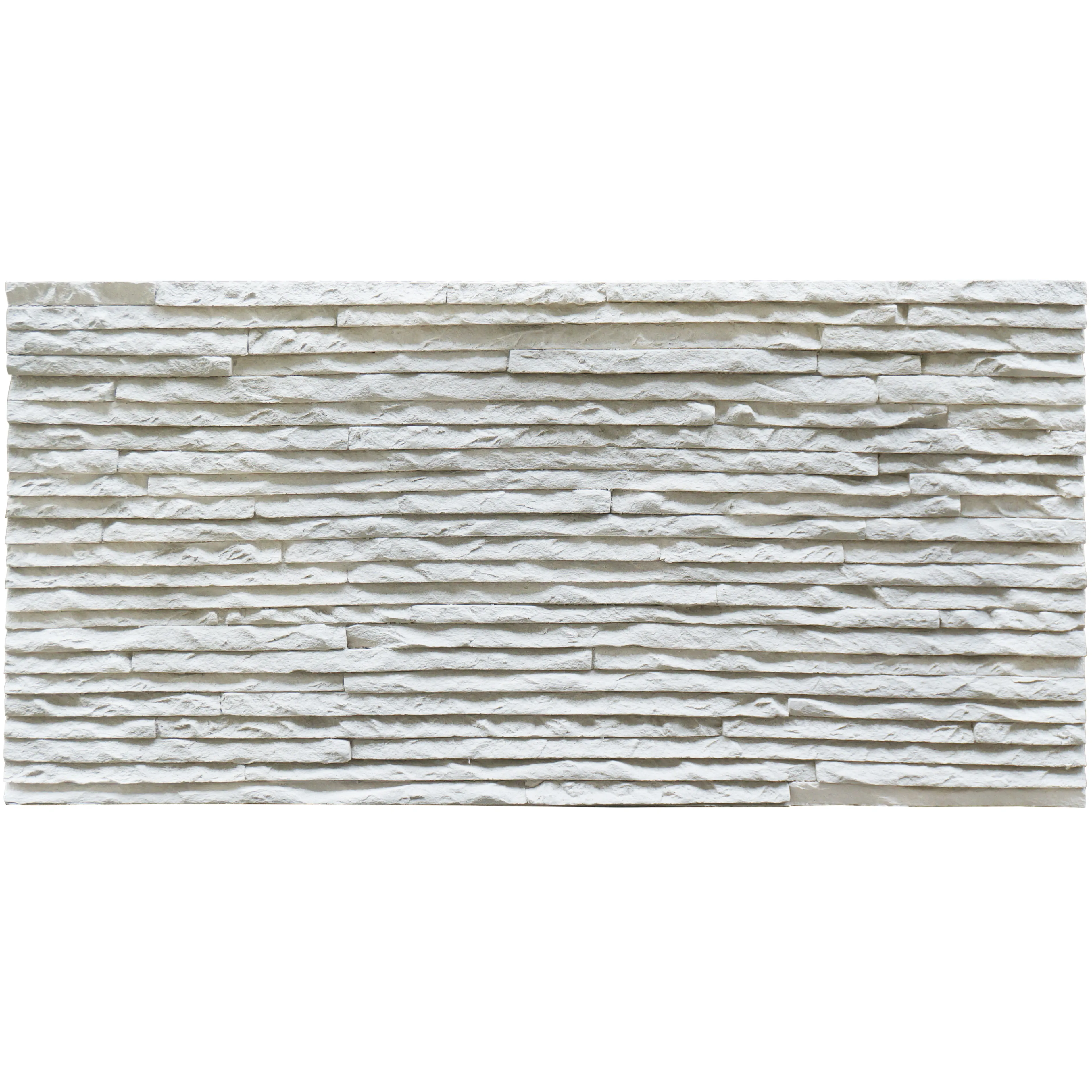
Walk into any modern building today, and you'll likely notice something different: a quiet shift away from cold, industrial materials toward surfaces that feel… alive. They're warm underfoot, textured to the touch, and carry a subtle story of where they came from. This isn't just about aesthetics—it's about a growing realization that the materials we build with don't just shape our spaces; they shape the planet, too. In a world grappling with climate change, every choice—from the foundation to the facade—feels personal. And that's where Muretto Stone (Beige) steps in: not just as a building material, but as a bridge between beauty, durability, and responsibility.
At first glance, Muretto Stone (Beige) draws you in with its soft, earthy hue—a warm beige that feels like sunlight on sand—and a texture that's equal parts rustic and refined. Run your hand over it, and you'll notice tiny, natural variations: a slight dip here, a gentle ridge there, each marking a fingerprint of the earth it came from. But beyond its beauty lies a commitment to sustainability that's becoming increasingly rare in the construction world. Let's peel back the layers and see why this stone isn't just a choice for architects and designers, but for anyone who cares about leaving a lighter footprint.
Sustainability starts long before a stone reaches a construction site. For Muretto Stone (Beige), the process begins with sourcing. Unlike materials that require deep, destructive mining, Muretto's beige variant is extracted from carefully selected quarries that prioritize minimal environmental disruption. Quarrying teams work with geologists to map out stone deposits that lie close to the surface, reducing the need for heavy machinery and deep excavation. It's a slower, more intentional process—one that respects the land rather than dominates it.
Then there's the production. Traditional stone processing often involves high heat, harsh chemicals, and gallons of water—all of which take a toll on energy grids and local ecosystems. Muretto Stone (Beige) flips that script. Its manufacturing uses low-temperature curing techniques, cutting energy consumption by up to 40% compared to standard stone processing. Water is recycled, too: the same H2O that cleans and shapes the stone is filtered and reused, leaving nearby rivers and aquifers untouched. Even the waste from cutting is repurposed—ground into a fine powder and mixed into other building materials, so nothing ends up in landfills. It's a closed-loop system that feels almost… gentle, in an industry that's long been known for excess.
Here's a truth we don't talk about enough: the most sustainable material is the one that doesn't need to be replaced. Think about it: if a wall cladding lasts 50 years instead of 15, that's fewer trucks on the road, fewer quarries dug, fewer resources consumed over time. Muretto Stone (Beige) gets this. Its dense, natural composition resists cracks, stains, and weathering—even in harsh climates. Rain, snow, UV rays: none of them seem to faze it. In coastal areas, where saltwater can eat away at lesser materials, Muretto holds steady. In urban environments, where pollution and foot traffic are constant, it retains its color and texture. This isn't just durability for durability's sake; it's durability as an act of care—for the planet, and for the people who'll use the building long after the initial construction.
Even the most durable materials eventually reach the end of their first life. But here's where Muretto Stone (Beige) truly shines: it doesn't become waste. When a building is renovated or demolished, Muretto can be chipped, crushed, and reused as aggregate in new concrete, or even as decorative gravel in landscaping. Unlike synthetic materials that break down into microplastics or release toxic fumes when incinerated, Muretto returns to the earth quietly, without fanfare. It's a cycle that mirrors nature itself—nothing is created, nothing is destroyed, just transformed.
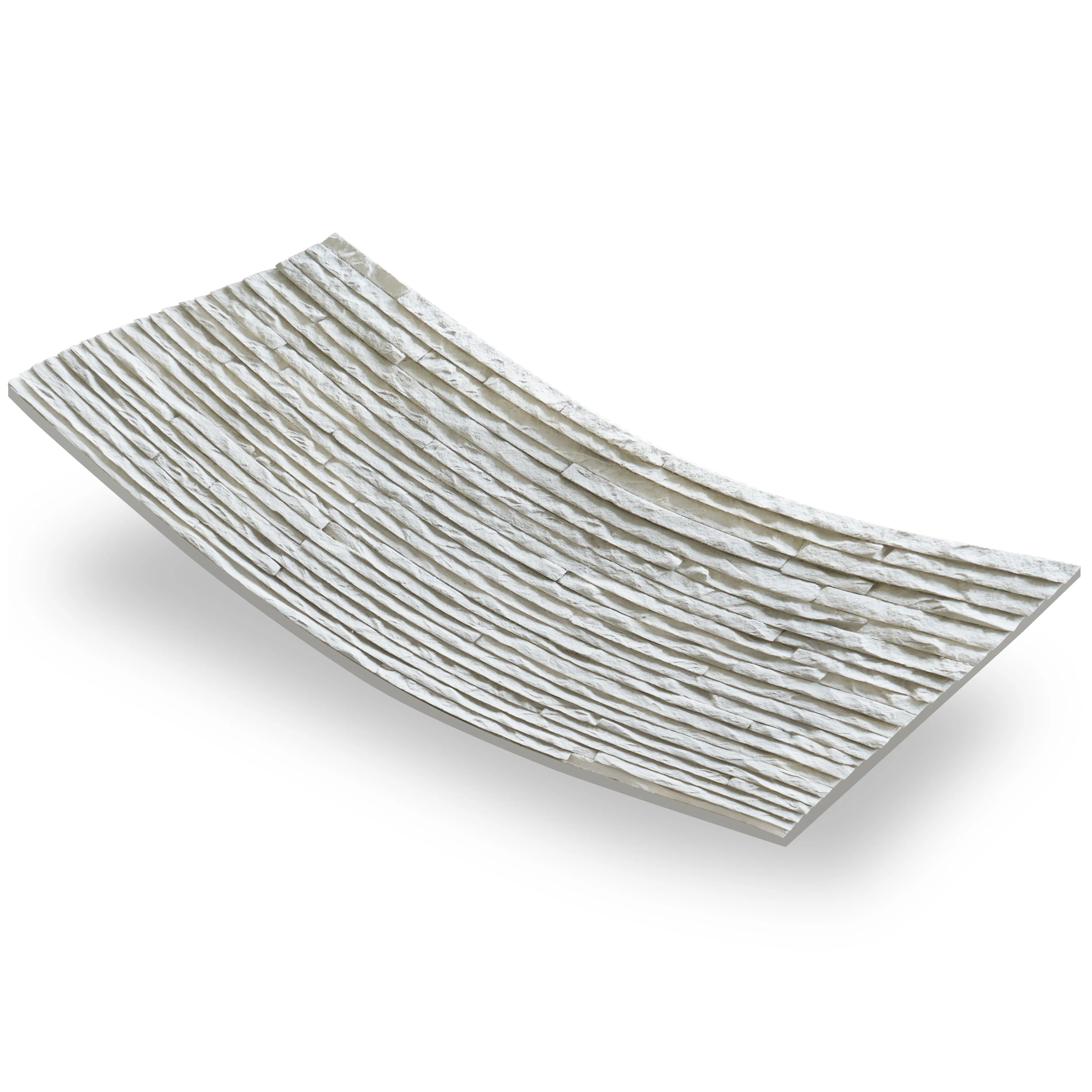
Talk to any architect or builder today, and you'll hear the same buzzwords: LEED, BREEAM, WELL. These certifications aren't just badges—they're proof that a building is designed with people and the planet in mind. And Muretto Stone (Beige)? It's not just meeting these standards; it's exceeding them. Let's break down how this humble stone helps projects earn those coveted green credentials.
| Certification | Key Criteria | How Muretto Stone (Beige) Contributes |
|---|---|---|
| LEED (US Green Building Council) | Materials & Resources, Indoor Environmental Quality |
- Local sourcing reduces transportation emissions (earns "Regional Materials" points).
- Recyclable composition contributes to "Construction Waste Management" credits. - Low-VOC (volatile organic compound) surface improves indoor air quality. |
| BREEAM (UK) | Materials, Energy, Health & Wellbeing |
- Sustainable sourcing practices score high in "Responsible Sourcing" category.
- Durability reduces lifecycle energy use (fewer replacements = less energy). - Natural texture and color reduce need for artificial lighting (saves energy). |
| WELL Building Standard | Air, Mind, Materials |
- Non-toxic composition supports "Air Quality" credits.
- Warm, natural aesthetic reduces stress (contributes to "Mind" category). - No harmful chemicals mean safer spaces for occupants, especially children and the elderly. |
Take LEED, for example. One of its most sought-after credits is "Regional Materials," which rewards using products sourced within 500 miles of the project site. Muretto Stone (Beige) is often quarried and processed locally, slashing the carbon footprint of transportation. For a school in Portland, Oregon, using locally sourced Muretto stone helped the project earn 3 out of 5 possible points in that category alone—pushing them closer to LEED Gold. And because Muretto is recyclable, the construction team was able to divert 90% of waste from landfills, hitting another key LEED target.
BREEAM, the UK's leading green certification, loves Muretto's durability. A office building in London used Muretto Stone (Beige) for its exterior cladding, and BREEAM auditors noted that the stone's 60-year lifespan meant the building would need minimal maintenance—translating to lower energy use and fewer carbon emissions over time. The natural texture also reduced the need for harsh cleaning chemicals, a plus for the "Health & Wellbeing" category.
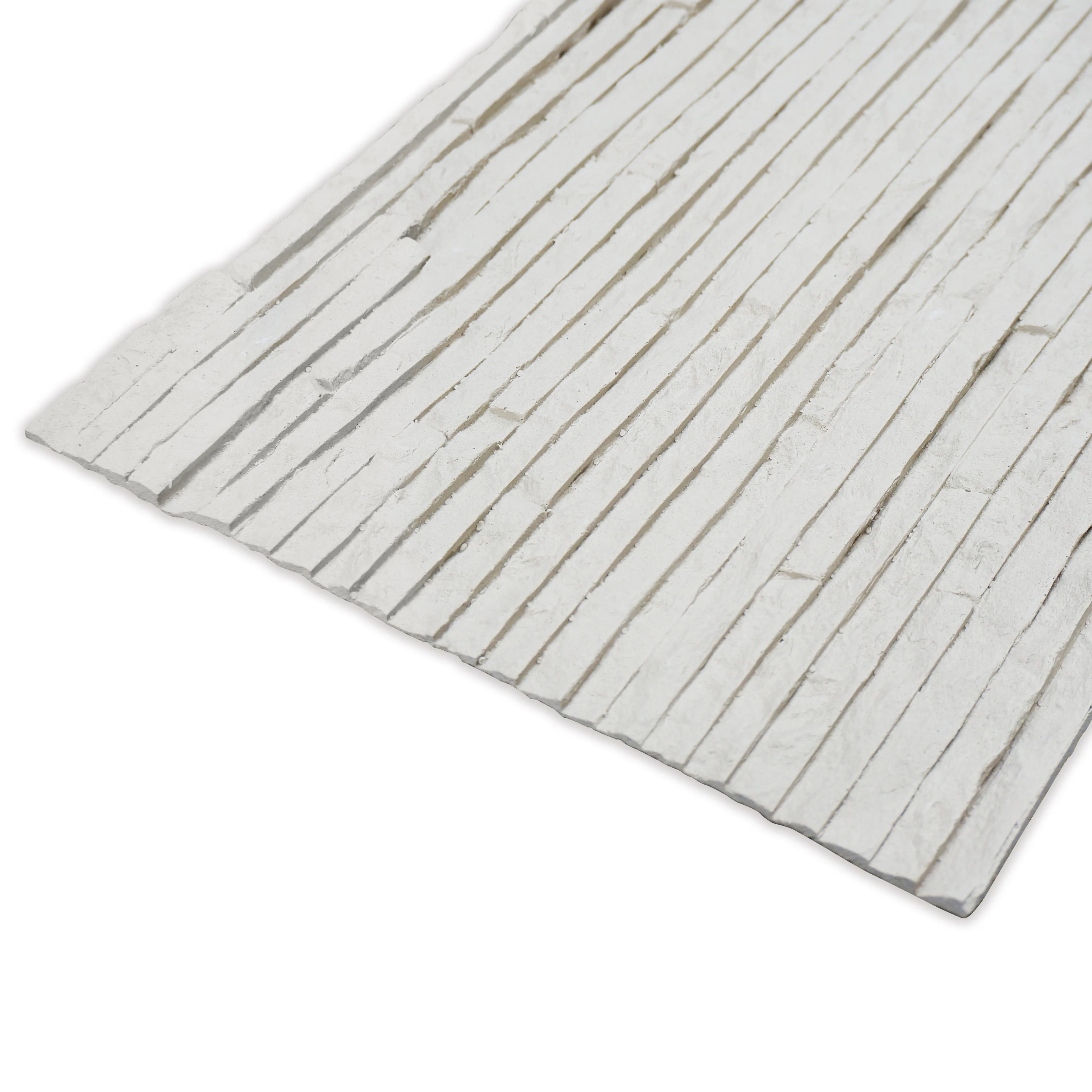
Muretto Stone (Beige) isn't the only eco-friendly option out there, of course. The world of green building materials is growing, and each has its own strengths. Take fair-faced concrete, for instance—a material celebrated for its raw, industrial beauty and minimal processing. It uses less energy than traditional concrete and often incorporates recycled aggregates. But compared to Muretto, it lacks the natural warmth and texture that make spaces feel inviting. Then there's the foamed aluminium alloy board (vintage silver)—lightweight, 100% recyclable, and perfect for modern, sleek designs. It's a great choice for high-rises where weight matters, but it doesn't quite capture the earthy, timeless quality of Muretto.
What sets Muretto apart is its balance: it's sustainable without sacrificing soul. It's a material that works in a cozy café and a cutting-edge office park, in a beach house and a mountain retreat. It doesn't just check the "green" box—it makes sustainability feel tangible, even beautiful. When you see Muretto Stone (Beige) on a building, you don't just see a wall; you see a choice to build better, not just for today, but for the generations who'll walk through those doors tomorrow.
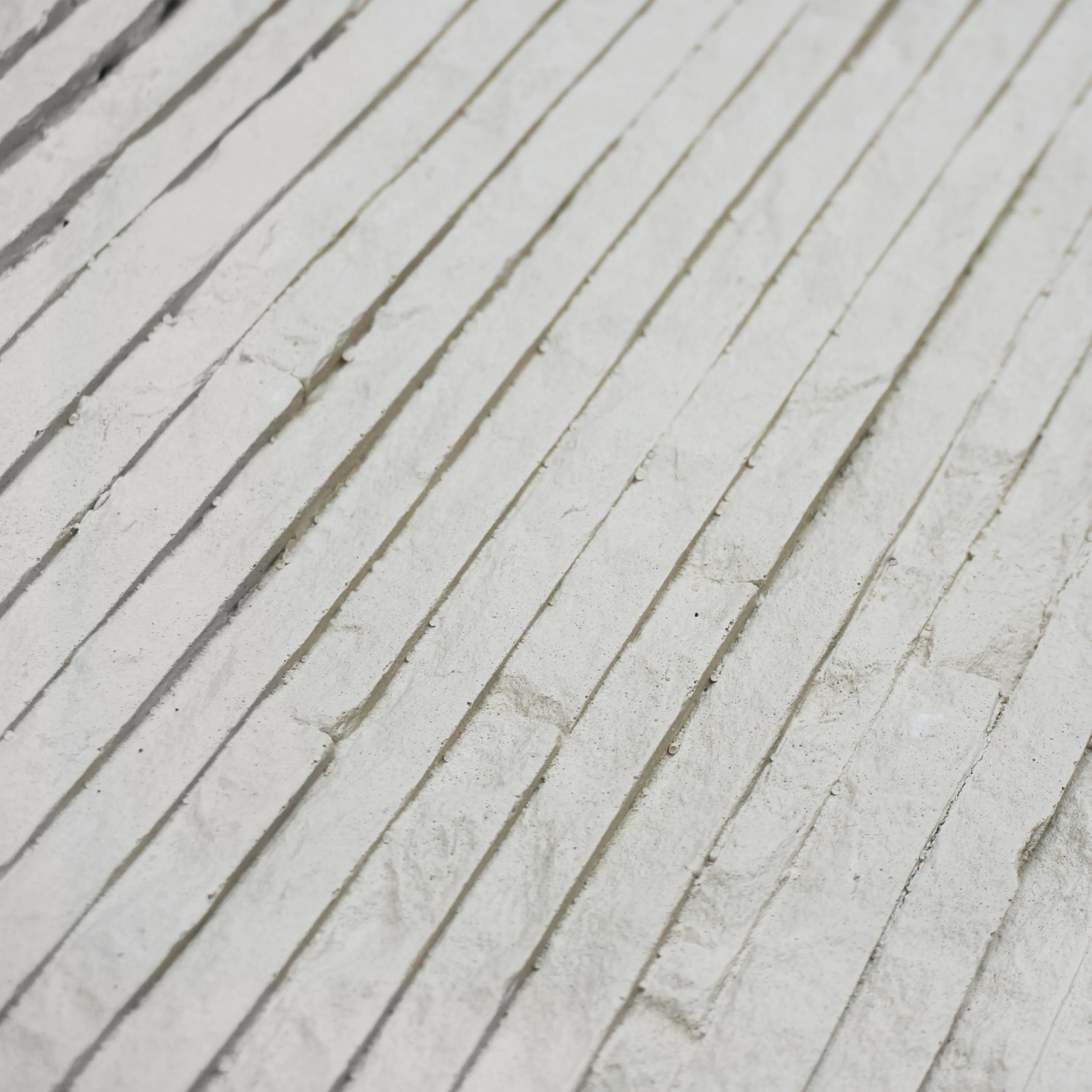
Let's step away from the specs and talk about real places. In Barcelona, a community center called "El Jardín" wanted to be more than just a building—it wanted to be a symbol of sustainability for the neighborhood. The architects chose Muretto Stone (Beige) for the exterior and interior walls. Today, kids run their hands over the stone as they play, and parents note how the warm color makes the space feel safe and welcoming. The center earned LEED Gold certification, and the stone's durability means it's already withstanding the chaos of daily life—scuffs, spills, and all—without showing its age. "It's like the building is growing with us," one local teacher said. "It doesn't feel disposable. It feels like it's here to stay."
Over in Seattle, a boutique hotel used Muretto Stone (Beige) for its lobby walls and outdoor patio. Guests often comment on how the stone "feels like being outside, even when you're inside"—a nod to its natural texture and earthy tone. The hotel pursued BREEAM certification and found that Muretto helped them score points in both materials and wellbeing categories. "We didn't want a hotel that felt sterile," the designer explained. "We wanted something that felt alive, and Muretto delivered that—without compromising our commitment to the planet."
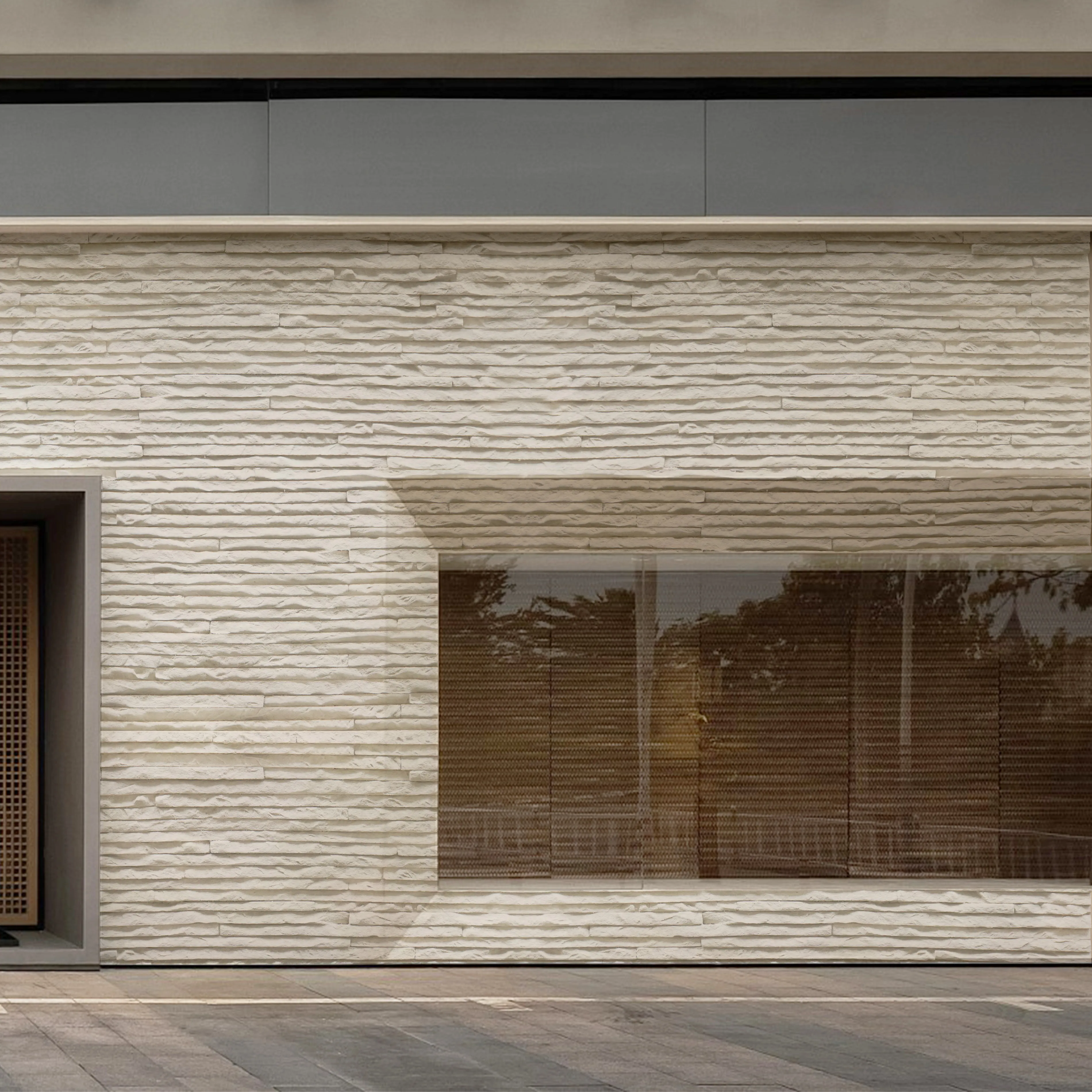
At the end of the day, Muretto Stone (Beige) is more than a product. It's a reminder that sustainability isn't about grand gestures—it's about the small, intentional choices we make every day. Choosing a stone that's quarried responsibly. Opting for a material that lasts. Picking a surface that makes people feel good, not just about the space, but about the world around them.
As we build the future, materials like Muretto will play a starring role. They'll help us create buildings that are not just structures, but stewards of the planet. Buildings that tell stories of responsibility, durability, and beauty. And maybe—just maybe—they'll inspire us to think differently about everything we build: not as temporary, but as timeless. Not as separate from nature, but as part of it.
Muretto Stone (Beige) isn't just a stone. It's a step toward a world where every building is a promise—to the earth, to the people who use it, and to the future we're all building together.
Recommend Products












