
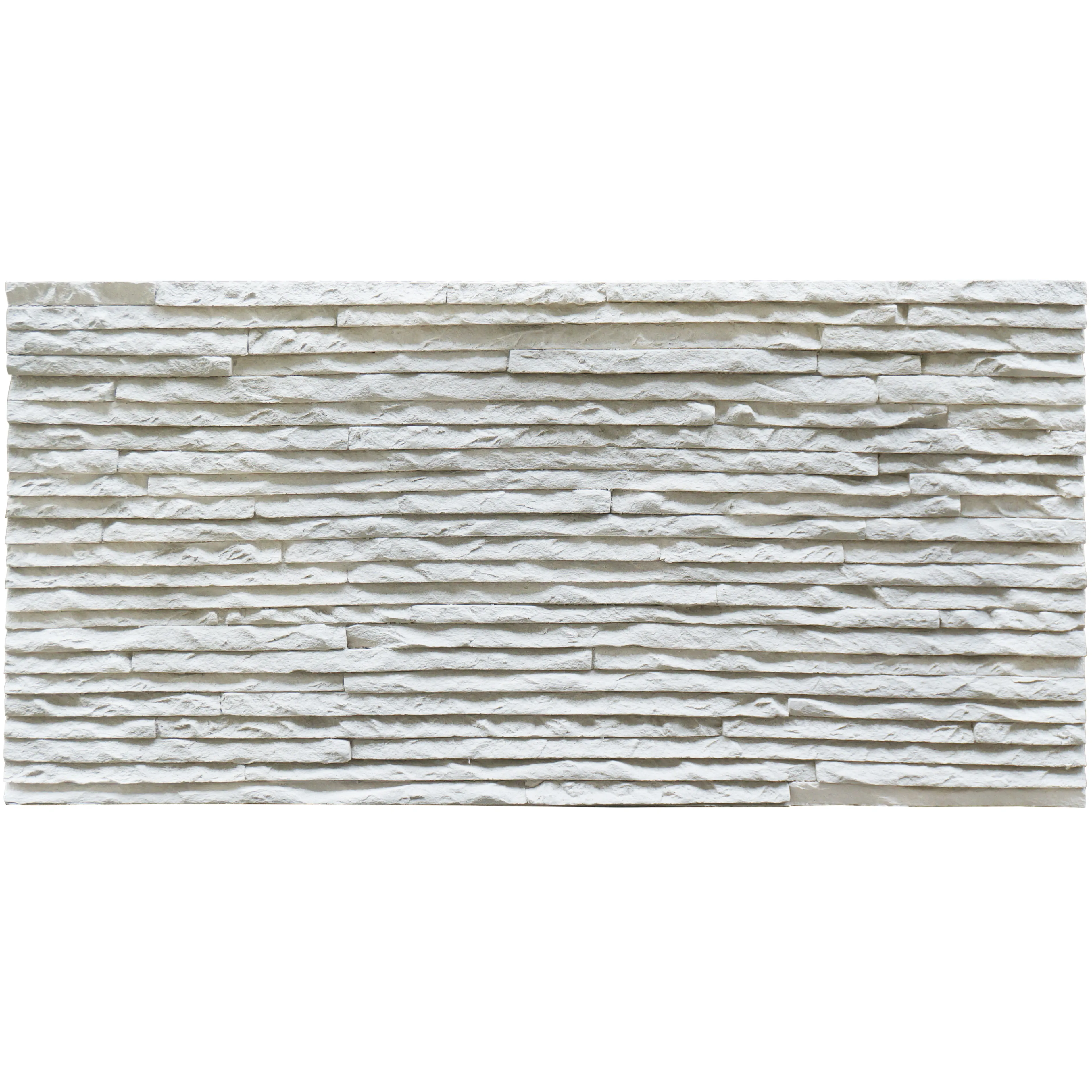
Walk into any modern commercial building—whether it's a glass-walled office complex, a bustling shopping mall, or a trendy co-working space—and you'll notice something immediately: the materials that clothe its walls and facades aren't just chosen for looks. Behind every texture, color, and finish lies a critical question: Can this material keep people safe if disaster strikes? Fire safety is the backbone of commercial architecture, and when it comes to cladding—the outer layer that protects and defines a building—few materials have sparked as much interest lately as Muretto Stone (Beige). Warm, versatile, and surprisingly robust, this stone has become a favorite among architects, but its real claim to fame? A fire resistance rating that doesn't just meet safety standards—it redefines them.
Let's start with the basics: commercial buildings are high-stakes environments. Think about a busy airport terminal, a hotel with hundreds of guests, or a retail center packed with shoppers. In these spaces, even a small fire can escalate quickly, putting lives and property at risk. That's why building codes worldwide—from the U.S. International Building Code (IBC) to Europe's EN 13501—lay down strict rules for materials. Cladding, in particular, is under scrutiny because it's the first line of defense against fire spread. A material with poor fire resistance can act like kindling, allowing flames to race up the building's exterior and into upper floors. On the flip side, a fire-resistant cladding slows the spread, buys time for evacuation, and gives firefighters a fighting chance.
But here's the catch: fire resistance doesn't have to mean sacrificing style. For years, architects often felt forced to choose between "safe but boring" materials (think plain concrete) and "stylish but risky" options. Muretto Stone (Beige) is changing that narrative. It's proof that a material can be both a design asset and a safety workhorse.
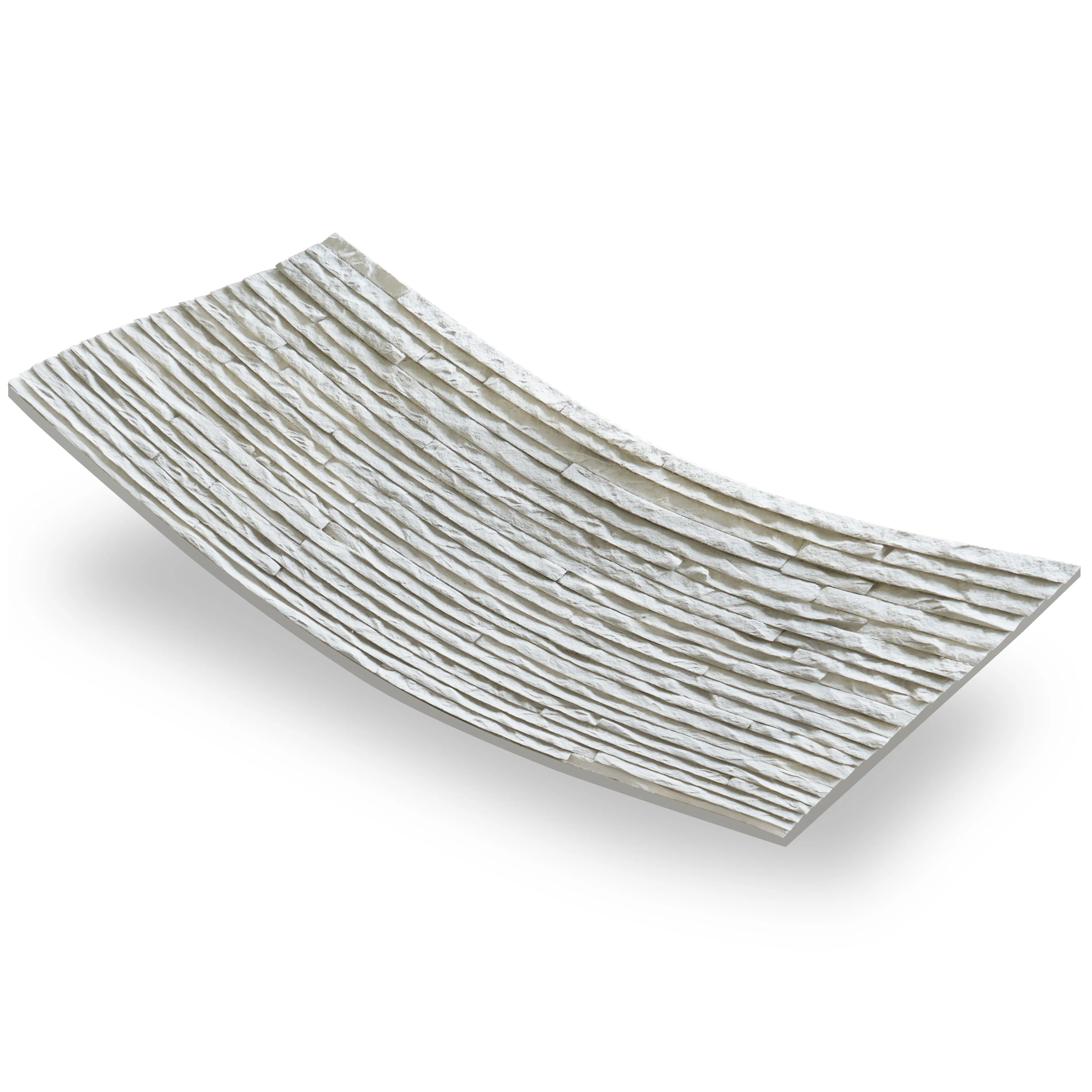
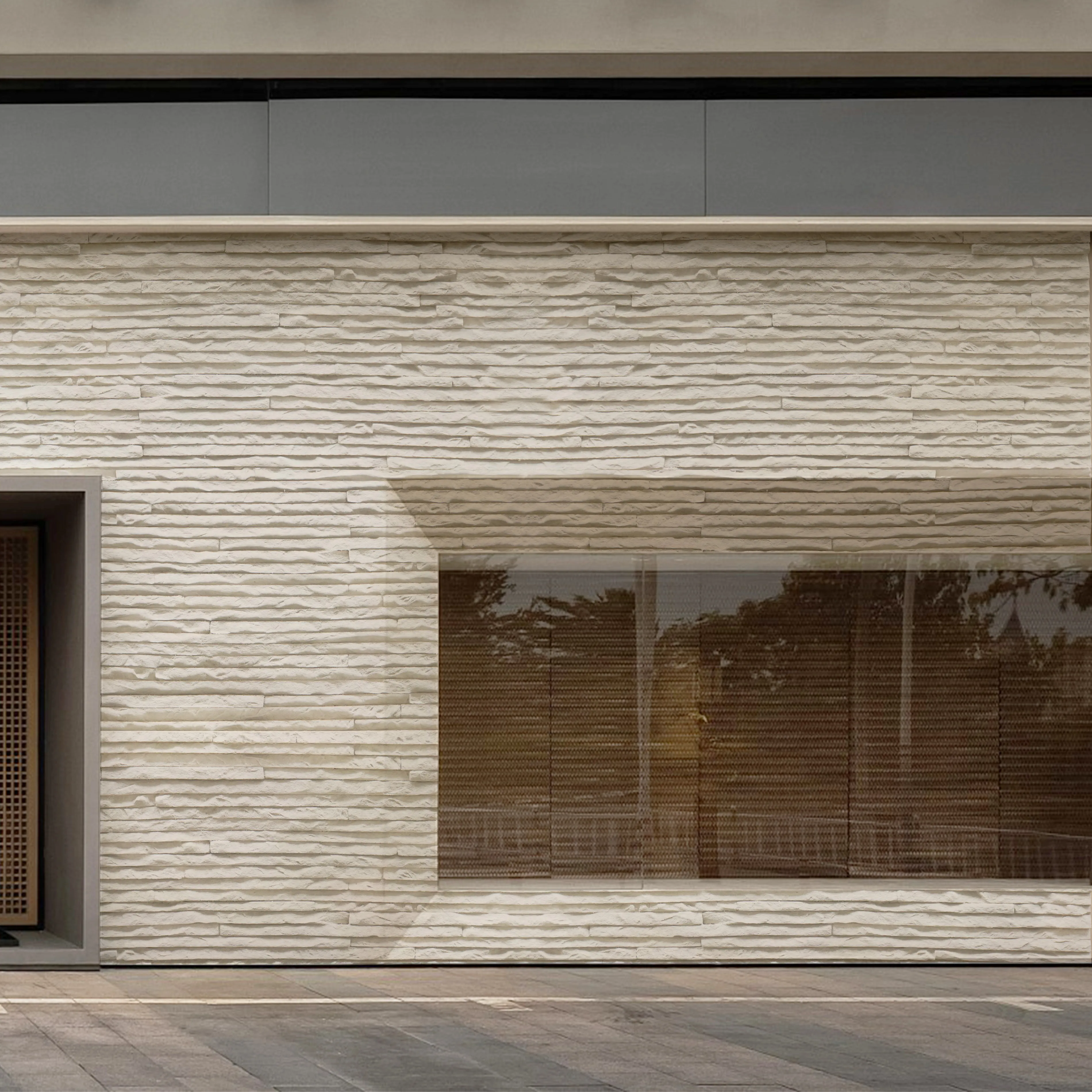
First things first: what exactly is Muretto Stone (Beige)? Hailing from the Muretto Stone series—a line known for blending natural stone aesthetics with modern engineering—this variant stands out for its soft, warm beige hue and subtle, textured surface. It's not your average natural stone, though. Unlike porous travertine or brittle marble, Muretto Stone (Beige) is a modified composite material , crafted by binding natural stone aggregates with a mineral-based binder. This engineering gives it properties that pure natural stones often lack—including, crucially, enhanced fire resistance.
But don't let the "composite" label fool you. Muretto Stone (Beige) looks and feels like quarried stone, with all the organic charm of natural materials. Run your hand over its surface, and you'll feel the slight roughness of stone grains; step back, and its neutral beige tone complements everything from sleek modern glass to rustic wood accents. It's versatile enough to fit a boutique café's cozy vibe or a corporate headquarters' polished look. But what really sets it apart is what happens when the heat turns up.
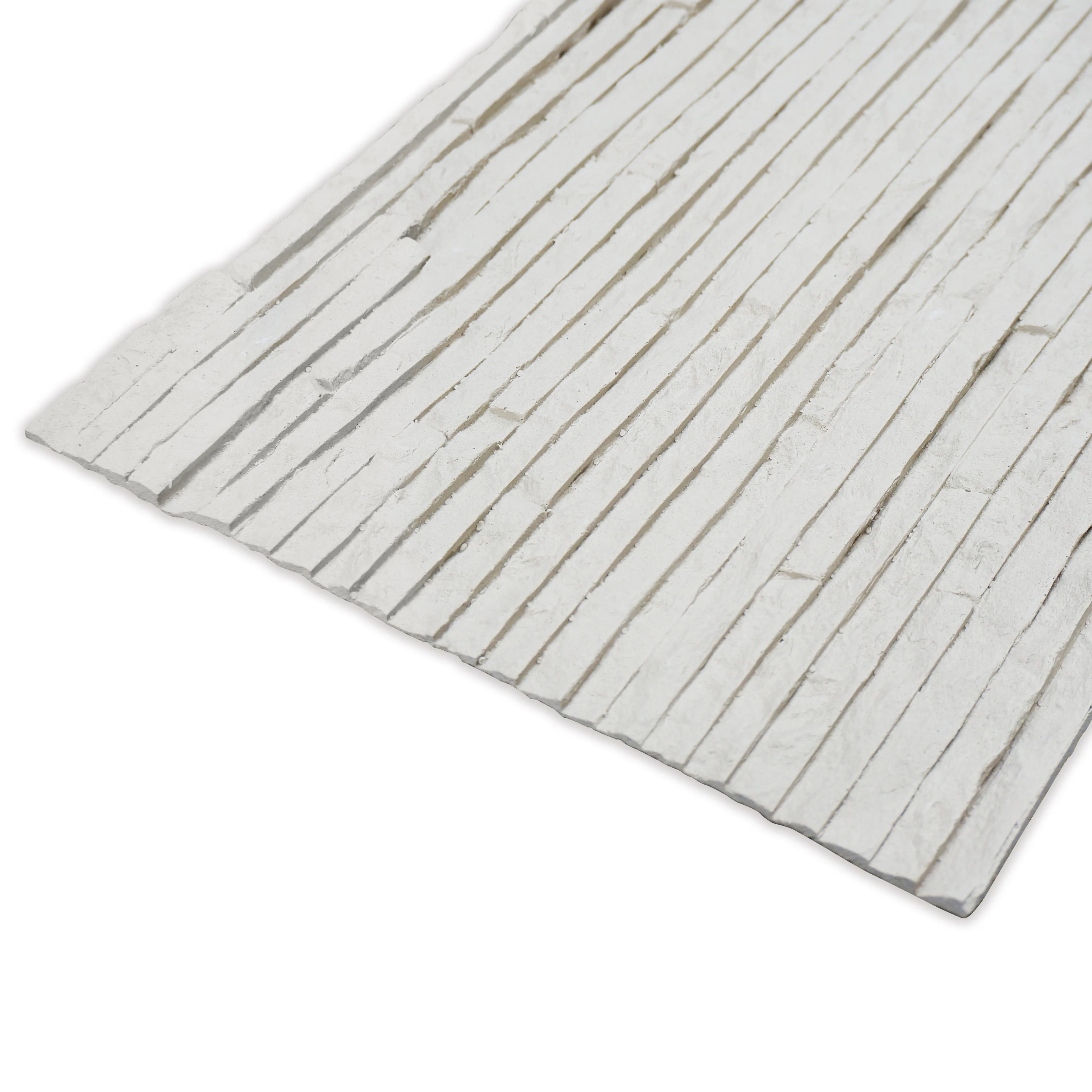
Fire resistance rating (FRR) isn't just a buzzword—it's a rigorous measure of how long a material can withstand fire before failing. Ratings are determined through standardized tests, where samples are exposed to intense heat (often over 1,000°C) and evaluated for three key factors: structural integrity (can it support weight?), insulation (does it prevent heat transfer?), and flame spread (does it resist catching fire?).
So, how does Muretto Stone (Beige) perform? In independent tests conducted to ASTM E119—the gold standard for fire resistance testing in North America—Muretto Stone (Beige) achieved a 2-hour fire resistance rating . That means, under controlled conditions, it can withstand direct fire exposure for two full hours without collapsing, allowing heat to transfer, or spreading flames. For context, many traditional cladding materials (like some wood composites or thin veneers) struggle to hit even a 30-minute rating. Even some fire-resistant options, like standard cement board, often top out at 1 hour. Muretto Stone (Beige) doubles that.
Equally impressive is its Smoke Development Index (SDI) , a measure of how much smoke a material releases when burned. Smoke inhalation is the leading cause of fire-related deaths, so a low SDI is critical. Muretto Stone (Beige) scored an SDI of less than 50, well below the 450 threshold for "low smoke" materials set by ASTM E84. In plain terms: even if exposed to fire, it won't fill the air with toxic smoke—a lifesaver in enclosed commercial spaces.
| Material | Fire Resistance Rating (ASTM E119) | Smoke Development Index (SDI, ASTM E84) | Key Fire Safety Features |
|---|---|---|---|
| Muretto Stone (Beige) | 2 hours | <50 | Non-combustible; low heat transfer; minimal smoke emission |
| Fair-Faced Concrete | 2+ hours | <40 | Excellent insulation; high structural integrity; limited design flexibility |
| Cement Board | 1 hour | <60 | Lightweight; budget-friendly; less aesthetic appeal |
| Travertine (Beige) | 0.5–1 hour | 70–100 | Natural look; porous (may absorb moisture); lower heat resistance |
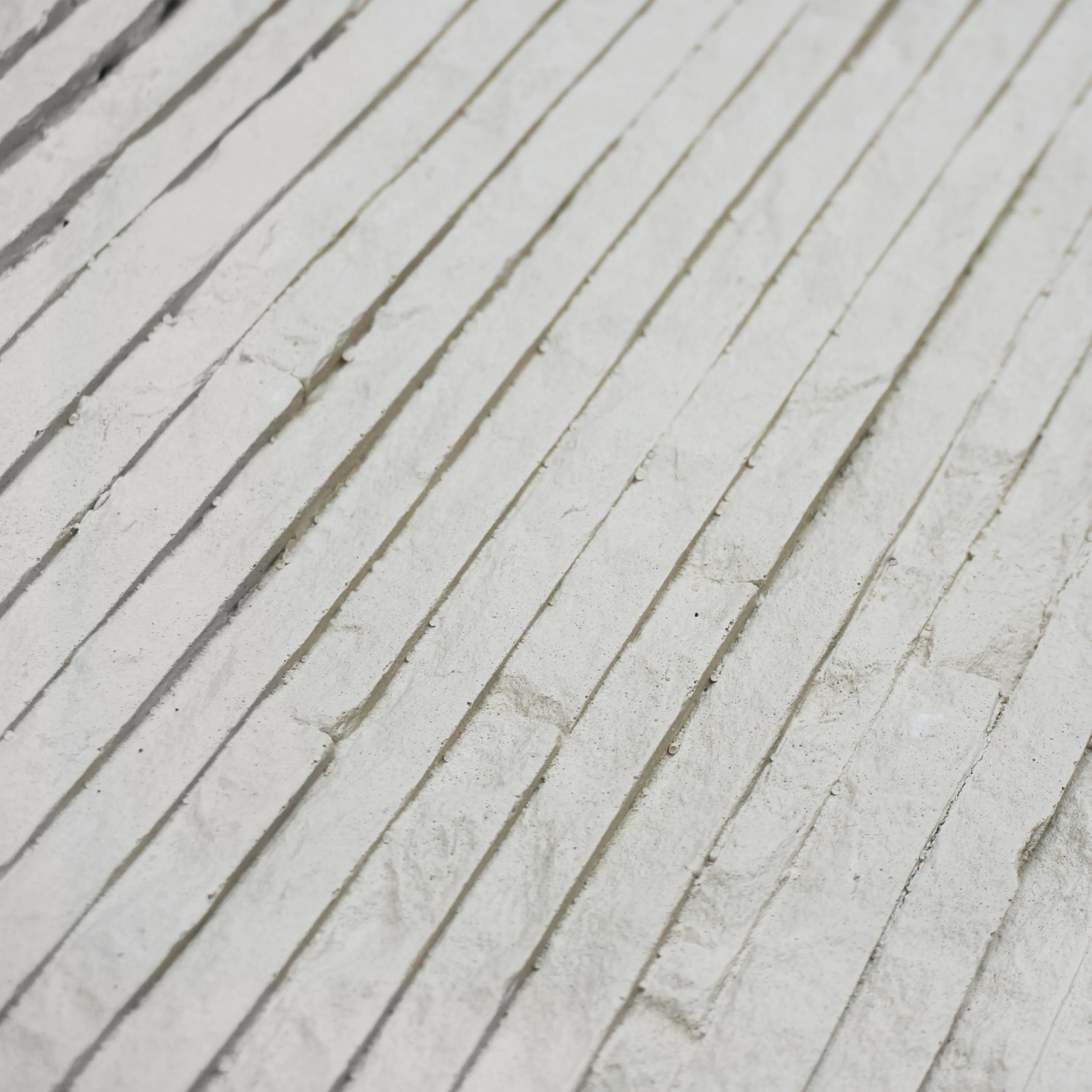
To truly appreciate Muretto Stone (Beige)'s fire credentials, it helps to see how it compares to other common cladding materials. Take a look at the table above: alongside fair-faced concrete (a known fire-resistant heavyweight), cement board (a budget staple), and travertine (a popular natural stone), Muretto Stone (Beige) holds its own—and often outperforms.
Fair-faced concrete, for example, has a slightly higher FRR (2+ hours) and lower SDI, but it's heavy, hard to install, and lacks the warmth of Muretto's stone-like texture. Cement board is cheaper and lightweight but maxes out at 1 hour of fire resistance and looks industrial, limiting its use in high-end spaces. Travertine (Beige), while beautiful, is porous and prone to heat damage, making its FRR inconsistent. Muretto Stone (Beige) hits the sweet spot: 2-hour FRR, low smoke, and the aesthetic versatility to fit any commercial project.
Another competitor worth mentioning is fair-faced concrete —a material celebrated for its raw, minimalist look and fire resistance. While fair-faced concrete does offer excellent FRR, it's often thicker and heavier than Muretto Stone (Beige), which can add to construction costs and limit design flexibility. Muretto, by contrast, is lighter (thanks to its composite makeup) and easier to cut and shape, making it ideal for complex facades or interior accent walls.
Let's be clear: fire resistance is non-negotiable, but it's rarely the only factor in material selection. Commercial builders and owners care about durability, maintenance, and cost, too. Here's where Muretto Stone (Beige) continues to shine:
In 2024, the Riverside Mall—a 300,000-square-foot shopping center in Chicago—needed a cladding material that could meet strict fire codes (since it houses restaurants and a cinema, high-risk areas for fire) while matching the developer's vision of a "warm, inviting community hub." The architects initially considered fair-faced concrete but worried it would feel too cold and industrial. Enter Muretto Stone (Beige).
"We were blown away by how it balanced safety and style," says Maria Gonzalez, the project's lead architect. "The 2-hour FRR checked all the fire code boxes, and the stone-like texture made the mall's exterior feel welcoming, not institutional. Plus, it was easier to install than concrete, which helped us stay on schedule."
Post-construction, the mall passed its fire safety inspection with flying colors, and tenants praised the material's ability to reflect natural light, making storefronts brighter and more attractive to shoppers. "It's rare to find a material that makes both the fire marshal and the marketing team happy," Gonzalez laughs.
Talk is cheap—certifications aren't. Muretto Stone (Beige) doesn't just claim fire resistance; it proves it through third-party testing and certifications. Here are a few key ones:
These certifications aren't just badges—they're peace of mind. For building owners, they mean lower insurance premiums and compliance with local codes. For architects, they mean fewer headaches during permitting. For occupants, they mean a safer space to work, shop, or play.
Muretto Stone (Beige) isn't a one-trick pony. Its versatility makes it suitable for a range of commercial applications, including:
At the end of the day, commercial buildings are more than just structures—they're spaces where people live, work, and connect. The materials we choose to build them with send a message: We care about your safety. Muretto Stone (Beige) doesn't just send that message; it shouts it, loud and clear—without sacrificing an ounce of style.
Fire resistance ratings and certifications are important, but what truly matters is how a material makes people feel. When you walk into a building clad in Muretto Stone (Beige), you feel the warmth of natural stone and the confidence of knowing that behind that beauty is a material designed to protect. In a world where "safety first" can sometimes feel like "style last," Muretto Stone (Beige) is a reminder that we don't have to choose.
So, to the architects, builders, and owners out there: if you're looking for a cladding material that checks every box—fire safety, durability, aesthetics, and sustainability—look no further. Muretto Stone (Beige) isn't just a material. It's a commitment to building spaces that are as safe as they are inspiring.
Recommend Products












