
How a Warm, Resilient Material Transforms Busy School and University Spaces
Walk into any school or university, and you'll feel it immediately—the energy. It's in the chatter of students comparing notes before class, the clatter of lunch trays in the cafeteria, the quick footsteps of someone late to a lecture, and the faint scrape of a chair being dragged across the floor during a group project. These spaces aren't just buildings; they're living, breathing ecosystems where learning, growth, and connection happen. But all that life comes with a cost: floors, walls, and surfaces take a daily beating.
Think about it: A single high school might see 1,500 students rush through its hallways between classes. A university campus could host 50,000 footsteps a day in its main quad. Add in backpacks slung over shoulders, lockers slamming shut, spilled coffee from early-morning cram sessions, and the occasional art class mishap with paint or clay—and it's clear: educational spaces need materials that don't just "survive" but thrive under pressure. They need to stand up to chaos without losing their charm, because a space that looks worn and tired doesn't just feel neglected—it can dampen the very energy that makes learning possible.
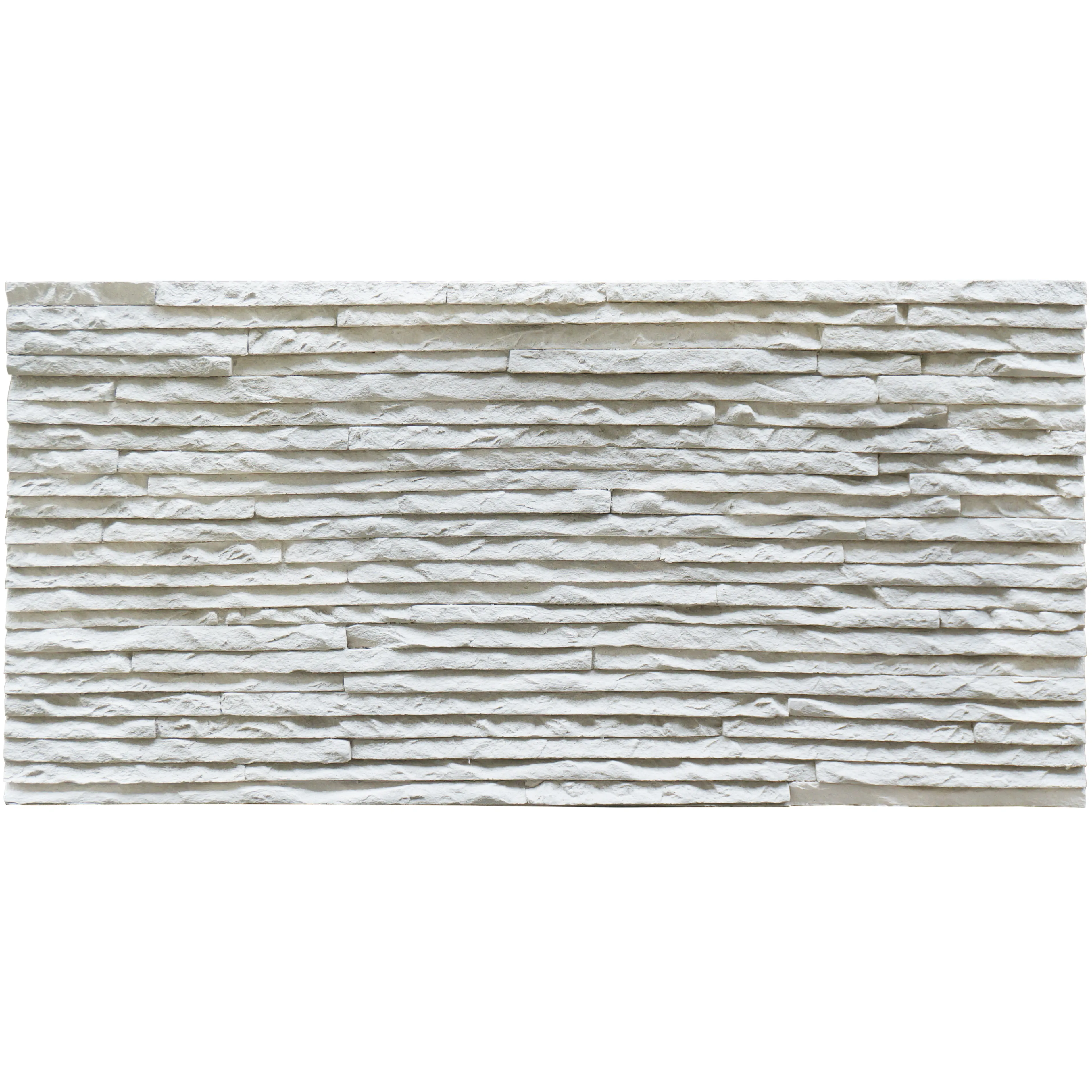
Enter Muretto Stone (Beige). In a world of cold concrete, porous natural stone, and easily scuffed wood, this material quietly redefines what it means to be "built for schools." It's not just durable—it's thoughtful . Designed to handle the messiness of education while keeping spaces warm, bright, and welcoming. Let's dive into why this unassuming beige stone is becoming a favorite for architects, facility managers, and educators alike.
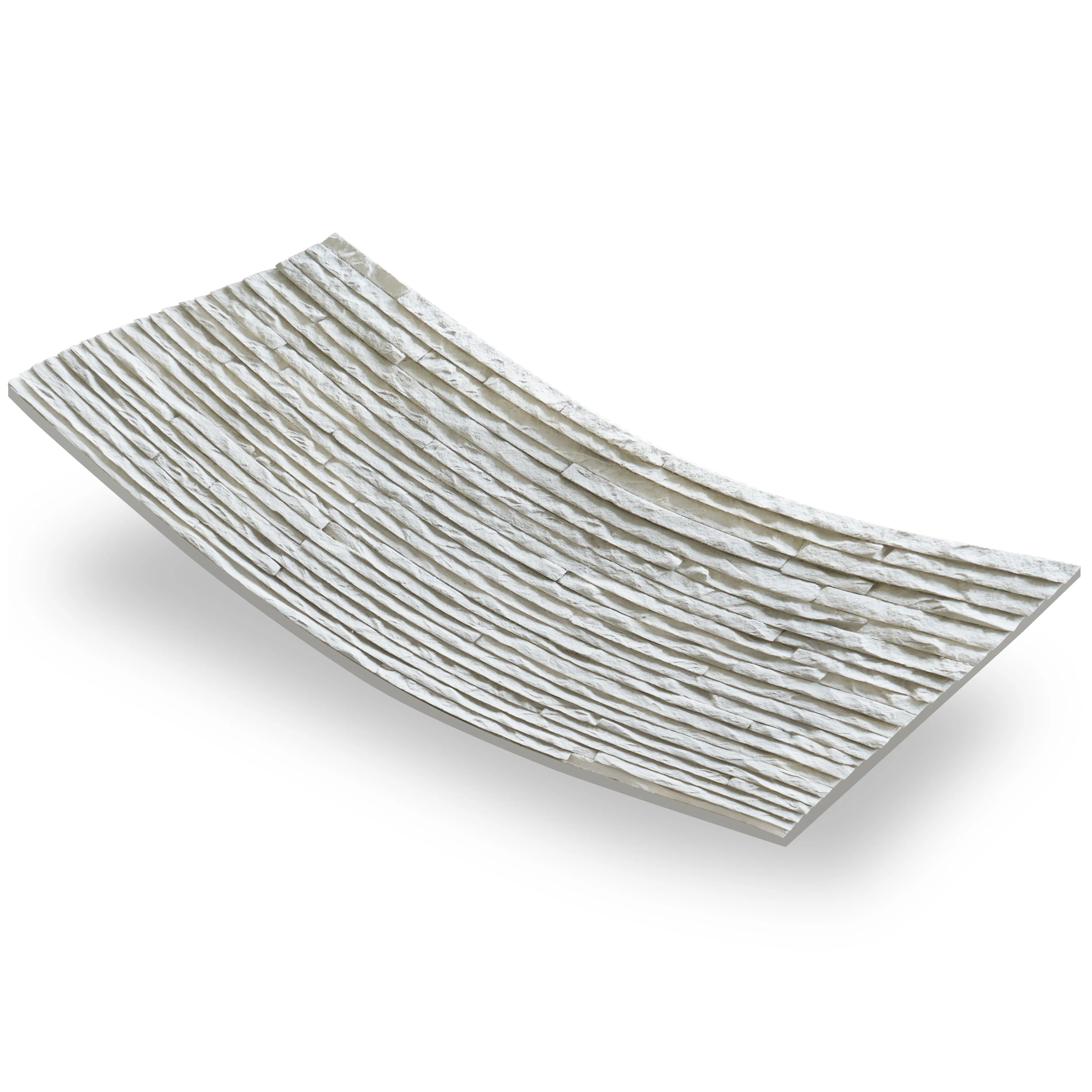
First things first: Let's get to know Muretto Stone (Beige). Part of the broader family of MCM (Modified Composite Material) products—including innovations like flexible stone—Muretto Stone isn't your average natural stone. It's a engineered material, crafted by blending natural minerals with advanced polymers to create something that borrows the best from nature and science. Think of it as stone with a "superpower upgrade."
The "beige" in its name is key. It's not a stark, clinical beige, but a warm, earthy tone—reminiscent of sandstone or aged ivory—that feels organic and inviting. Picture the soft glow of morning light filtering through a classroom window, hitting walls clad in Muretto Stone (Beige): it doesn't compete with colorful posters or student artwork; instead, it acts as a calm, neutral backdrop that makes those vibrant elements pop. In libraries, it adds a touch of timelessness; in cafeterias, it feels clean without being sterile; in hallways, it softens the noise of bustling crowds (yes, even color can affect how sound feels).
But its beauty is more than skin-deep. Muretto Stone (Beige) is built to address the specific headaches of high-traffic educational spaces—and we're about to break down exactly how.
To understand why Muretto Stone (Beige) works, let's first talk about the "enemies" it's up against. High-traffic educational spaces throw a unique set of challenges at building materials—ones that go beyond just "being strong."
Let's start with the obvious: feet. Lots and lots of feet. A busy high school hallway might see 2,000 students pass through between classes—each step wearing down the surface, scuffing it with dirt from outside, or leaving marks from rubber-soled shoes. Over time, even "tough" materials start to look dull, with visible wear patterns (like dark paths where everyone walks) or micro-scratches that catch the light and make the space feel tired.
Students aren't just walking—they're moving . Lockers get slammed shut, backpacks (loaded with textbooks) get dropped, chairs scrape against floors during group work, and gym equipment might even find its way into hallways during setup for events. All of this creates impact: sudden, forceful contact that can chip, crack, or dent weaker materials. A single dropped basketball in a gymnasium hallway shouldn't leave a permanent mark—but with some materials, it does.
Schools are places of experimentation—and that includes spills. Coffee from the teacher's lounge, juice boxes in the cafeteria, paint from art class, marker smudges from hallway murals, even the occasional ketchup explosion during lunch. Porous materials (looking at you, travertine) absorb these liquids like a sponge, leading to stains that are hard to remove and impossible to ignore. And once a stain sets? It becomes a permanent reminder of that one time someone spilled grape soda in the hallway—and no one wants that.
Educational spaces need to be clean—for health, for hygiene, and for that "fresh start" feeling that helps students focus. But here's the catch: harsh cleaners, daily mopping, and abrasive scrubbing (to get rid of those aforementioned stains) can wear down materials over time. A floor that looks great after a week might start to fade or lose its finish after six months of daily cleaning. Materials need to stand up to both the mess and the cleanup.
Finally, there's the issue of looking durable. A material might be tough, but if it shows every scratch, scuff, or water spot, it still fails. Educational spaces need to feel welcoming for years—not just the first semester. Faded colors, chipped edges, or dull surfaces can make a school feel outdated or underfunded, even if it's not. The material needs to age gracefully, maintaining its original look (or close to it) for the long haul.
Now, let's talk about how Muretto Stone (Beige) tackles these challenges head-on. It's not just one feature—it's a combination of properties that make it uniquely suited for educational chaos.
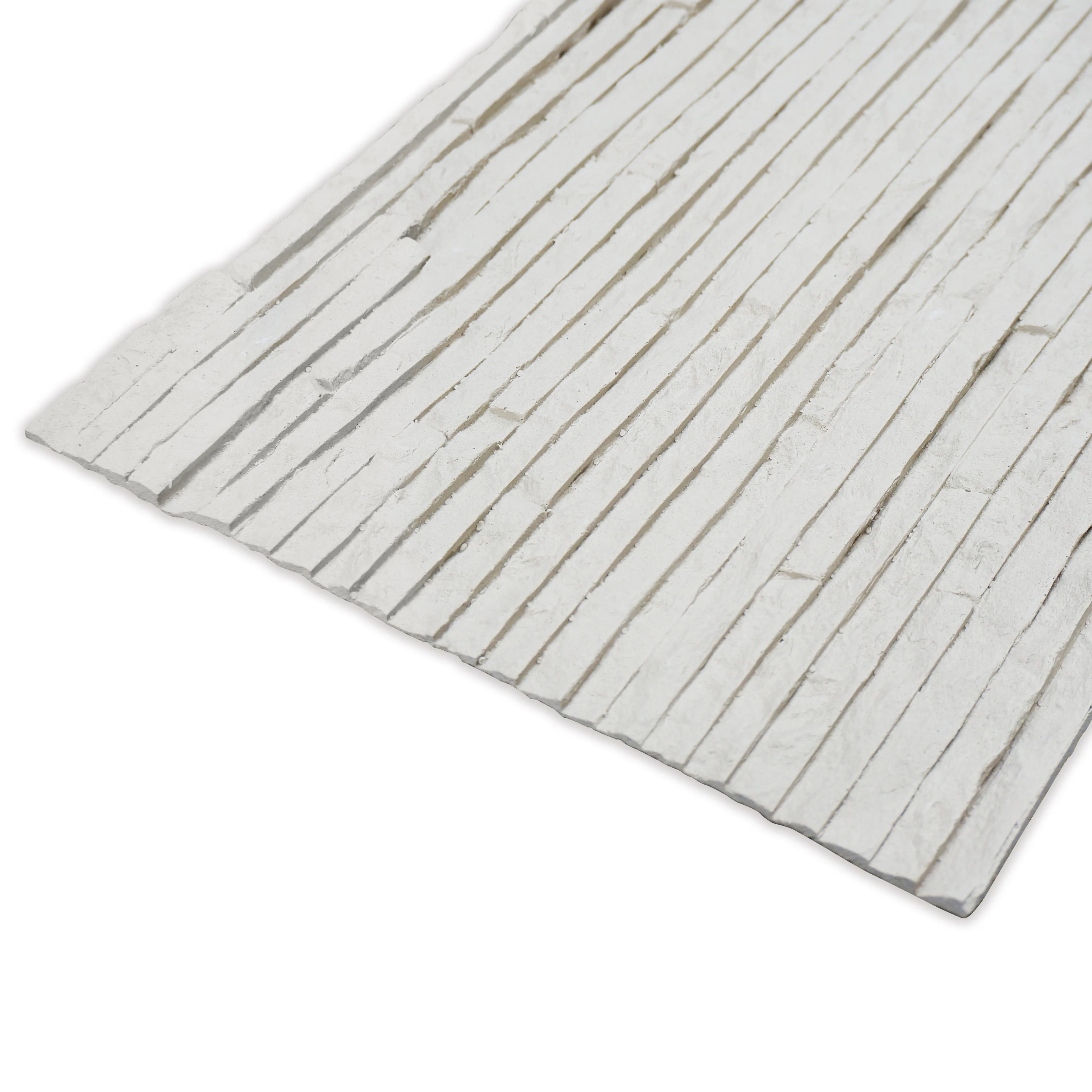
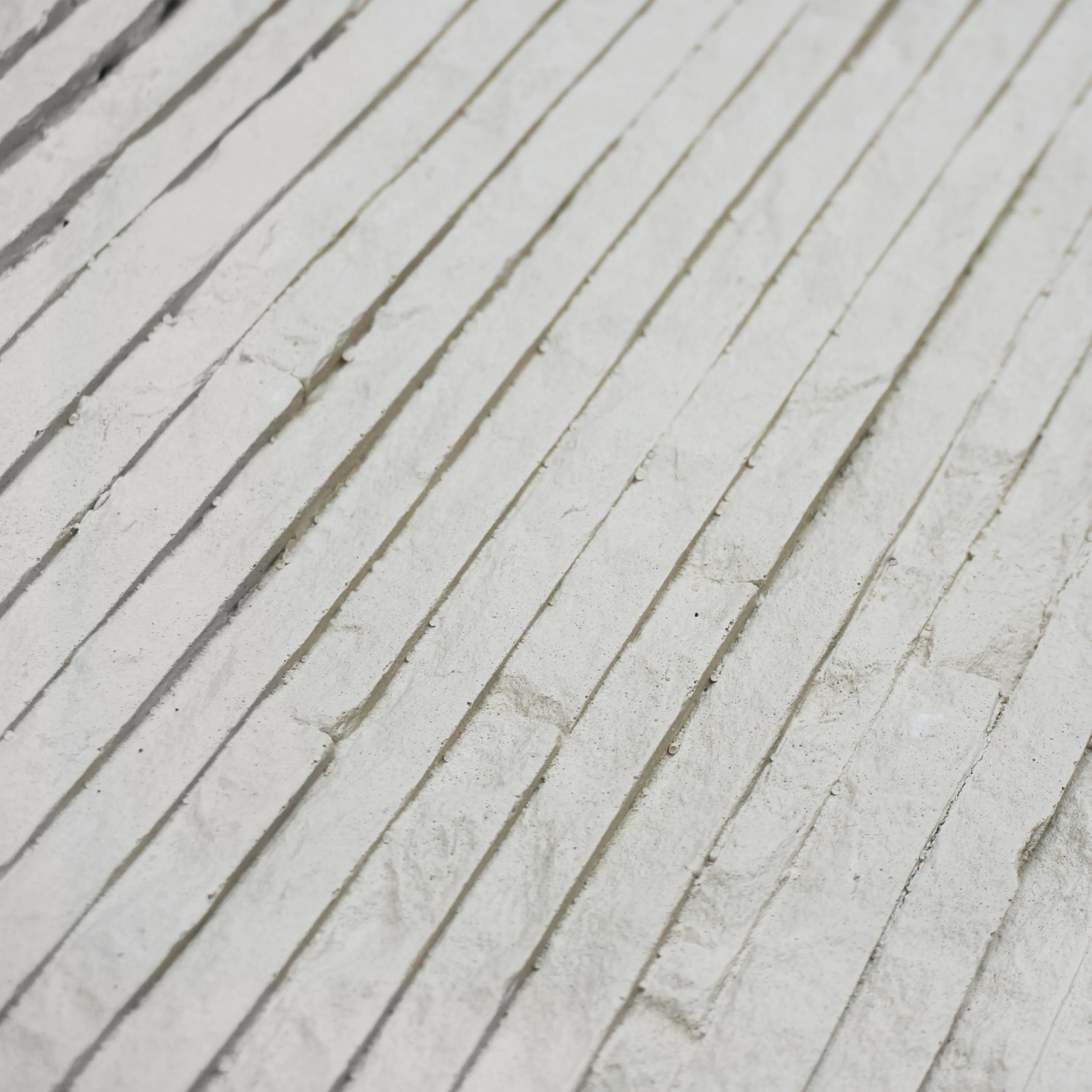
At its core, Muretto Stone (Beige) is tough. Really tough. Thanks to its MCM composition—natural minerals reinforced with polymers—it boasts impressive scratch resistance. Those scuff marks from shoes? They're far less likely to show up. Dropped backpacks? The material's impact resistance means chips and dents are rare. Even repeated chair scrapes in classrooms leave minimal (trace). But here's the kicker: it doesn't feel "industrial" or cold, like fair-faced concrete. The beige color and subtle texture (think: a soft, sandblasted finish) keep it warm and inviting, so you don't feel like you're walking through a factory.
Unlike porous natural stones like travertine (which, while beautiful, can absorb liquids and stain permanently), Muretto Stone (Beige) has a low-porosity surface. That means spilled coffee, juice, or even paint beads up on top, giving you time to wipe it away before it seeps in. A quick wipe with a damp cloth is usually all it takes to remove most stains. For tougher ones (looking at you, acrylic paint), a mild detergent works—no need for harsh chemicals that damage the material or release fumes in classrooms.
Ever noticed how some floors develop dark, shiny paths where everyone walks, or how walls near doorways fade from sunlight? Muretto Stone (Beige) resists both. Its color is integrated throughout the material, not just a top coat, so even if there's minor wear, the color remains consistent. It's also UV-resistant, so sunlight streaming through windows won't bleach it over time. That means after five years, your hallways will still look as fresh and uniform as the day they were installed—no "zebra stripes" from foot traffic or patchy fading.
Natural stone is heavy—so heavy that installing it can require reinforcing walls or floors, adding time and cost to renovations. Muretto Stone (Beige), being an MCM product, is lightweight. That makes installation faster and cheaper, which is a big win for schools working with tight budgets and schedules (since renovations often happen during summer breaks). Plus, it's flexible. Unlike rigid materials that crack if the building shifts slightly (common in older schools), Muretto Stone can bend slightly without breaking. It can even be used on curved surfaces—like the rounded walls of a library reading nook or a circular auditorium—adding design versatility that rigid materials like traditional stone or wood grain board can't match.
Schools don't have endless budgets for maintenance crews. Muretto Stone (Beige) plays nice here, too. Because it's stain-resistant and scratch-resistant, it needs less frequent deep cleaning. Daily sweeping or mopping is usually enough to keep it looking great. No need for expensive sealants (like you might with natural stone) or specialized cleaning products. That translates to lower long-term costs and less downtime for spaces being closed for maintenance—meaning more time for students to use the areas they need.
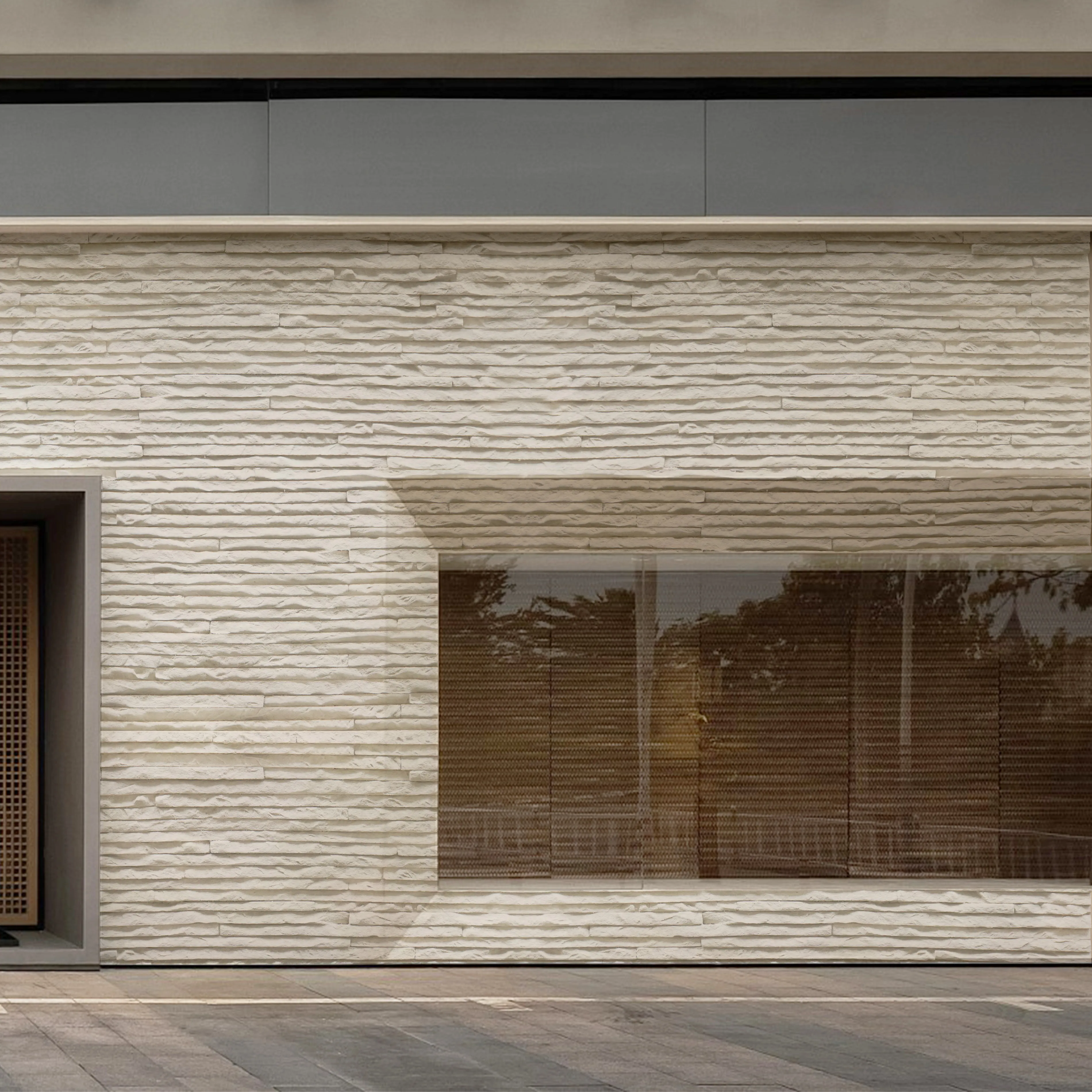
Still not convinced? Let's put Muretto Stone (Beige) head-to-head with other materials commonly used in educational spaces. The results might surprise you.
| Material | Durability (Scratch/Impact) | Stain Resistance | Aesthetic Longevity | Maintenance Ease |
|---|---|---|---|---|
| Muretto Stone (Beige) | Excellent (scratch/impact resistant) | High (low porosity, easy to clean) | Outstanding (color-fast, no wear lines) | Very Easy (daily sweep/mop, no sealants) |
| Fair-Faced Concrete | Good (but prone to cracks over time) | Low (porous, stains set easily) | Poor (fades, shows stains, looks industrial) | Hard (needs sealing, stains hard to remove) |
| Travertine (Natural Stone) | Moderate (prone to scratches, chips) | Low (highly porous, stains quickly) | Poor (fades, wears unevenly, stains show) | Hard (needs frequent sealing, specialized cleaning) |
| Wood Grain Board | Low (easily scratched, dented) | Low (moisture warps, stains absorb) | Poor (fades, scratches show prominently) | Moderate (needs refinishing, avoids water) |
| Rammed Earth Board | Moderate (brittle, prone to chipping) | Moderate (some porosity, stains possible) | Moderate (fades in sunlight, wears unevenly) | Moderate (gentle cleaning, avoid harsh chemicals) |
The table tells the story: Muretto Stone (Beige) outperforms traditional options across the board, especially in the areas that matter most for schools—durability, stain resistance, and low maintenance.
Muretto Stone (Beige) isn't just a one-trick pony. Its versatility makes it suitable for almost every corner of an educational campus. Let's explore some real-world applications where it truly shines.
Hallways are the arteries of a school—constantly flowing with students, teachers, and staff. Muretto Stone (Beige) floors here handle the endless foot traffic without showing wear lines. Its neutral color also helps brighten these often-narrow spaces, making them feel more open and less cramped. Plus, the material's sound-dampening properties (thanks to its texture) can help reduce echo, making the chaos of passing periods feel a little calmer.
If there's a place where spills are inevitable, it's the cafeteria. Soda, milk, ketchup, pizza grease—you name it, it's hitting the floor or walls. Muretto Stone (Beige) walls and floors here are a lifesaver. Stains wipe away easily, and the material stands up to the daily deep cleaning (think: industrial floor scrubbers) without losing its finish. The warm beige also makes the space feel more inviting than cold tile, encouraging students to linger and socialize.
Auditoriums need to look good—they're where assemblies, plays, and guest lectures happen. Muretto Stone (Beige) walls add a touch of elegance without being overly formal. Its flexibility also means it can be used on curved walls or stage backdrops, creating visual interest. And when the auditorium doubles as a gym or event space (as they often do), the material's impact resistance ensures chairs, staging, and equipment don't leave marks.
Muretto Stone (Beige) isn't just for indoors. Its weather resistance makes it ideal for outdoor walkways between buildings. Rain, snow, UV rays—none of these faze it. Unlike wood grain board (which warps in moisture) or rammed earth board (which can erode in heavy rain), Muretto holds up, maintaining its color and texture year after year. It also provides good traction, reducing slip risks for students rushing to class in the rain.
Classrooms see daily use: desks sliding, backpacks hitting walls, whiteboard markers accidentally marking surfaces. Muretto Stone (Beige) walls here are durable enough to handle the chaos, while the warm color creates a calm environment that's conducive to learning. It's also easy to mount posters, whiteboards, or student work (no need to worry about damaging the surface with tape or pins).
Today's schools aren't just about educating students—they're about teaching them to care for the planet, too. Muretto Stone (Beige) aligns with this mission, thanks to its sustainable credentials.
First, as an MCM product, it uses less natural resources than solid stone. Traditional stone mining can be environmentally intensive, but Muretto's composite nature means it requires fewer raw materials. Plus, its lightweight design reduces transportation emissions (less fuel needed to ship it) and lowers installation energy use (no heavy machinery required for lifting).
Second, its longevity means less frequent replacement. When materials wear out quickly, they end up in landfills, creating waste. Muretto Stone (Beige) lasts for decades, reducing the need for constant renovations and the associated environmental impact of manufacturing and installing new materials.
Finally, many MCM products, including Muretto, are low-VOC (volatile organic compounds), meaning they don't release harmful chemicals into the air. That's better for indoor air quality—a crucial factor in schools, where students and staff spend hours each day.
At the end of the day, Muretto Stone (Beige) isn't just about durability or aesthetics. It's about creating spaces that support education. When floors don't stain, walls don't scratch, and surfaces stay looking fresh, schools can focus on what matters: teaching, learning, and fostering community. It's a material that understands the messiness of growth—and grows right along with it.
Whether you're designing a new school, renovating an old one, or just looking to upgrade a high-traffic area, Muretto Stone (Beige) offers something rare: a balance of strength and warmth, practicality and beauty. It's not just built for the chaos of today's educational spaces—it's built for the students of tomorrow, too.
So the next time you walk through a school hallway and notice how fresh and inviting it feels, take a closer look. Chances are, you might be standing on Muretto Stone (Beige)—quietly working hard, so education can, too.
Recommend Products












