
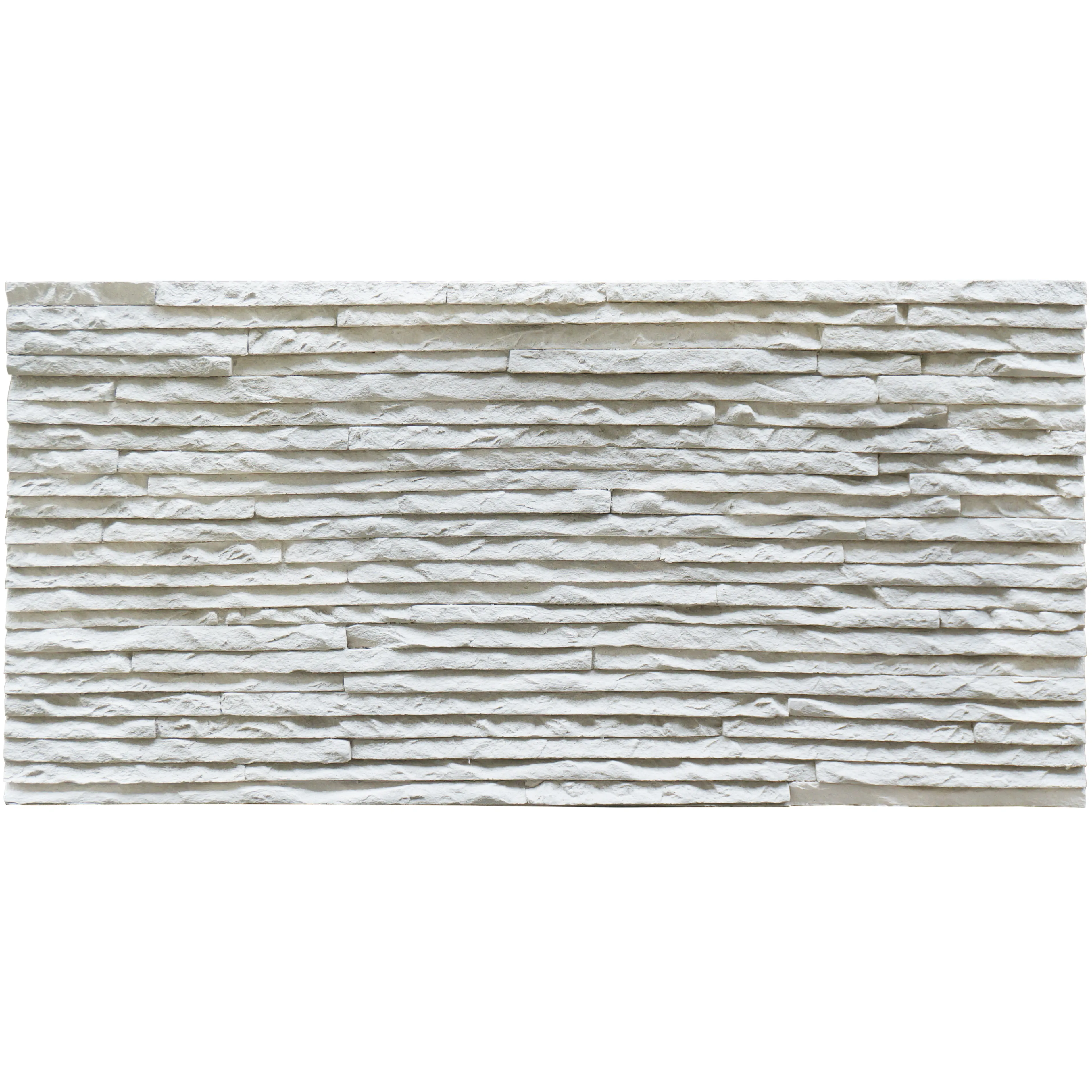
Walk into any modern healthcare facility, and you'll notice something beyond the hustle of medical staff and the soft hum of equipment: the walls, floors, and surfaces. They're not just there to look nice—they're silent partners in patient care. In hospitals, clinics, and long-term care centers, the materials chosen for these surfaces play a critical role in preventing infections, ensuring safety, and creating environments that feel calm and healing. Today, we're shining a light on a material that's quietly revolutionizing healthcare design: Muretto Stone (Beige) . More than just a pretty face, this unassuming stone brings together the trifecta of healthcare needs—hygiene, sanitation, and durability—with a warmth that feels almost human. Let's dive into why it's becoming a go-to choice for architects and facility managers who refuse to compromise on patient safety or aesthetics.
First things first: What exactly is Muretto Stone (Beige)? Imagine a material that looks like it was carved from the earth, with a soft, warm beige tone that feels both timeless and modern. But don't let its natural appearance fool you—this isn't your average stone. Muretto Stone is engineered to be dense, smooth, and remarkably non-porous, making it a far cry from porous alternatives like traditional sandstone or even some marbles. Its surface is gently textured, not rough, with a matte finish that diffuses light, reducing glare in spaces where patients might be resting or recovering. And that beige hue? It's no accident. Beige is known to evoke calmness, a subtle psychological boost in environments where stress levels run high. But beyond looks, it's the stone's (inner) properties that make it a star in healthcare settings.
Unlike some materials that feel cold or industrial, Muretto Stone (Beige) has a tactile warmth to it. Run your hand across it, and you'll notice a smoothness that's easy to clean but not so slick that it becomes a slip hazard—a crucial detail in busy hospitals where spills (from water to medical fluids) are inevitable. It's also surprisingly lightweight compared to natural granite or marble, which means it's easier to install and puts less strain on building structures. But let's get to the heart of why healthcare facilities care most: hygiene and sanitation. These are non-negotiable in spaces where infections can spread rapidly, and patients with compromised immune systems are at risk. Muretto Stone (Beige) checks boxes here that many other materials can't.
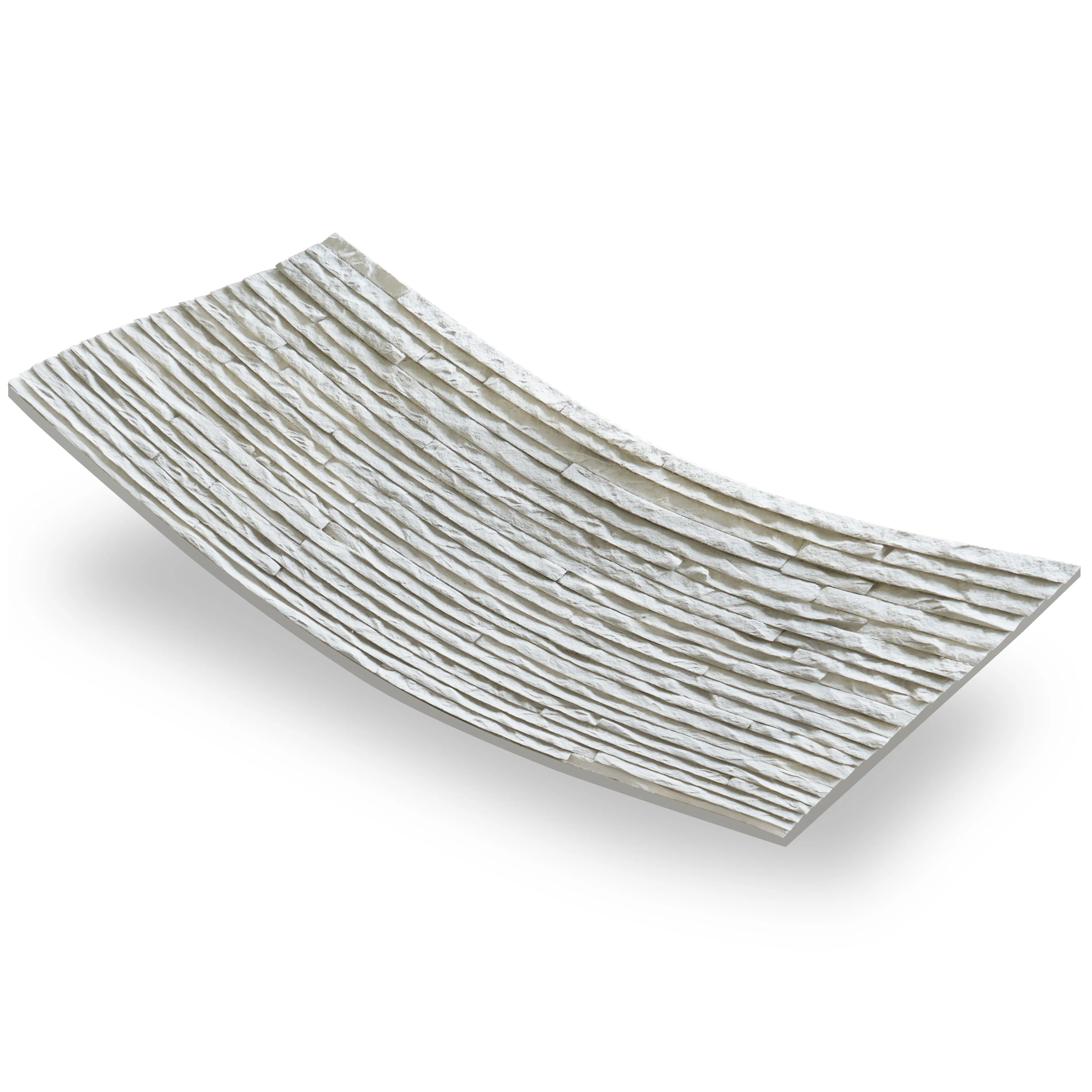
Hygiene in healthcare isn't just about wiping down surfaces—it's about preventing the growth and spread of harmful bacteria, viruses, and fungi. Traditional materials like rough granite stone (beige) , for example, have natural pits and crevices that can trap dirt, moisture, and microbes, even after cleaning. Over time, these tiny hideouts become breeding grounds for pathogens, turning surfaces into silent threats. Muretto Stone (Beige), by contrast, has a dense, non-porous structure that leaves nowhere for bacteria to hide. Think of it like a tightly woven blanket versus a loose knit—there are no gaps for unwanted guests to sneak into.
Studies have shown that porous materials can retain up to 10 times more bacteria than non-porous ones, even after standard cleaning protocols. In a hospital setting, where a single contaminated surface can lead to a healthcare-associated infection (HAI), that's a risk no facility can afford. Muretto Stone (Beige)'s smooth surface means that when you wipe it down with hospital-grade disinfectants, you're not just cleaning the top layer—you're eliminating pathogens entirely, with nowhere for them to linger. This is especially important in high-traffic areas like corridors, waiting rooms, and patient bathrooms, where surfaces are touched hundreds of times a day by staff, patients, and visitors.
Another hygiene win? Muretto Stone (Beige) is resistant to mold and mildew. Healthcare facilities are humid environments—think showers in patient rooms, laundry areas, or even just the moisture from breathing in crowded waiting spaces. Materials that absorb water, like some types of travertine (beige) , can develop mold over time, which not only looks unsightly but also releases spores that can trigger allergies or respiratory issues. Muretto Stone repels water, so even in damp conditions, it stays dry and mold-free. This isn't just about cleanliness; it's about protecting the most vulnerable patients, like those with asthma or compromised immune systems, from unnecessary health risks.
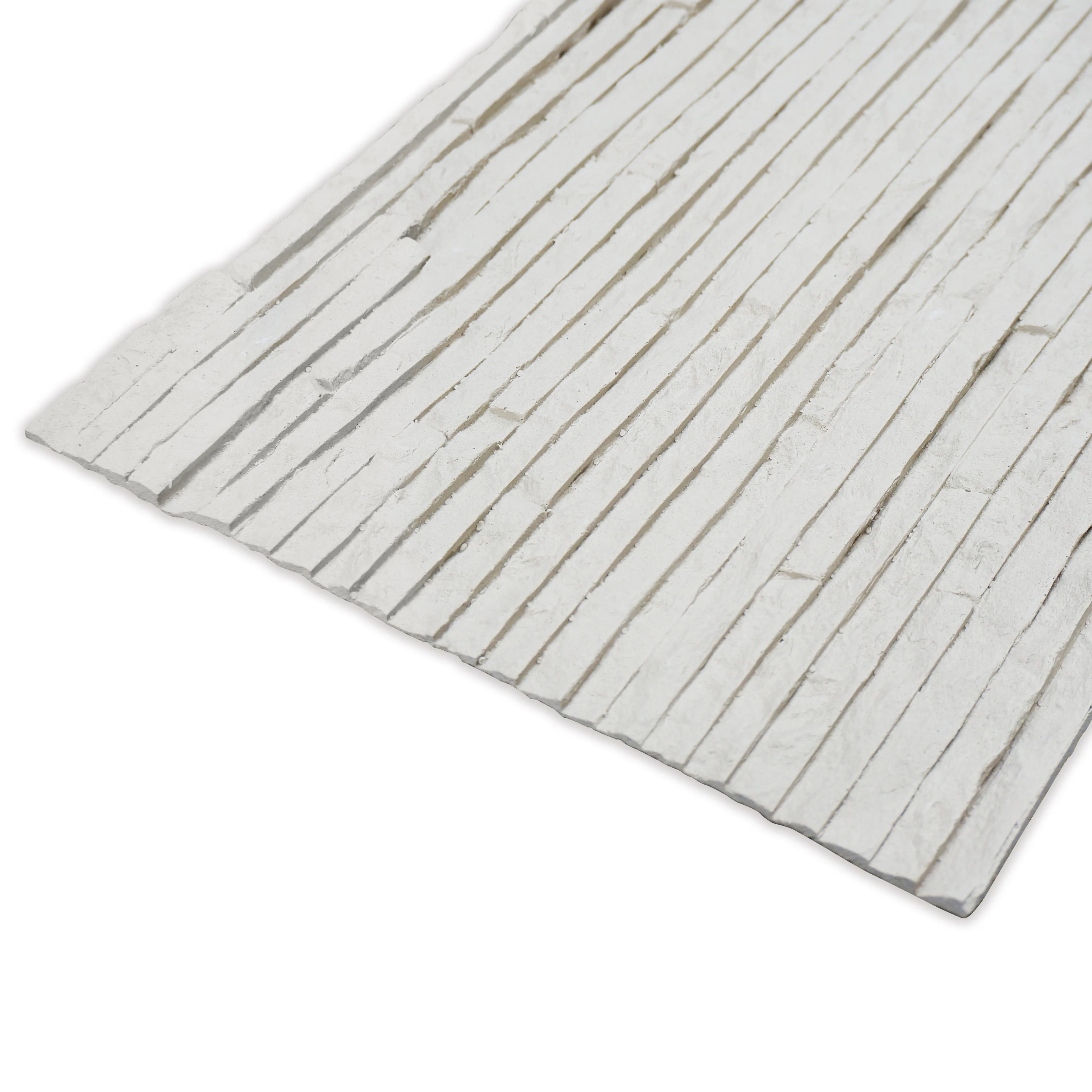
Sanitation goes hand-in-hand with hygiene, but it's more about the practicality of keeping surfaces clean day in and day out. Healthcare staff are stretched thin, and the last thing they need is a surface that requires special cleaners, extra scrubbing, or frequent maintenance. Muretto Stone (Beige) is a sanitation dream in this regard. Let's start with cleaning ease: Its smooth surface means that a quick wipe with a damp cloth and a hospital-approved disinfectant is often enough to remove dirt and grime. No need for harsh abrasives or specialized tools that could damage the surface over time.
Compare that to polish concrete , a material often praised for its durability. While polished concrete is strong, its glossy finish can show scratches and stains easily, requiring frequent re-polishing to maintain its appearance. Muretto Stone (Beige), with its matte finish, hides minor scuffs and marks, reducing the need for constant touch-ups. This is a big deal for healthcare facilities, where maintenance budgets are tight and downtime for repairs can disrupt patient care. Imagine a busy emergency room—you can't shut down a corridor for a day to re-polish concrete floors. Muretto Stone holds up, looking good even after years of heavy foot traffic, wheelchairs, and medical carts rolling over it.
Another sanitation perk? Muretto Stone (Beige) is compatible with all hospital-grade cleaners, from bleach-based solutions to enzymatic disinfectants. Some materials, like foamed aluminium alloy board (vintage silver) , can react poorly to strong chemicals, tarnishing or corroding over time. But Muretto Stone is chemically resistant, meaning you can use the tough stuff needed to kill superbugs like MRSA or C. difficile without worrying about damaging the surface. This flexibility is a relief for cleaning staff, who need to adapt to evolving infection control protocols without second-guessing if their tools will harm the building materials.
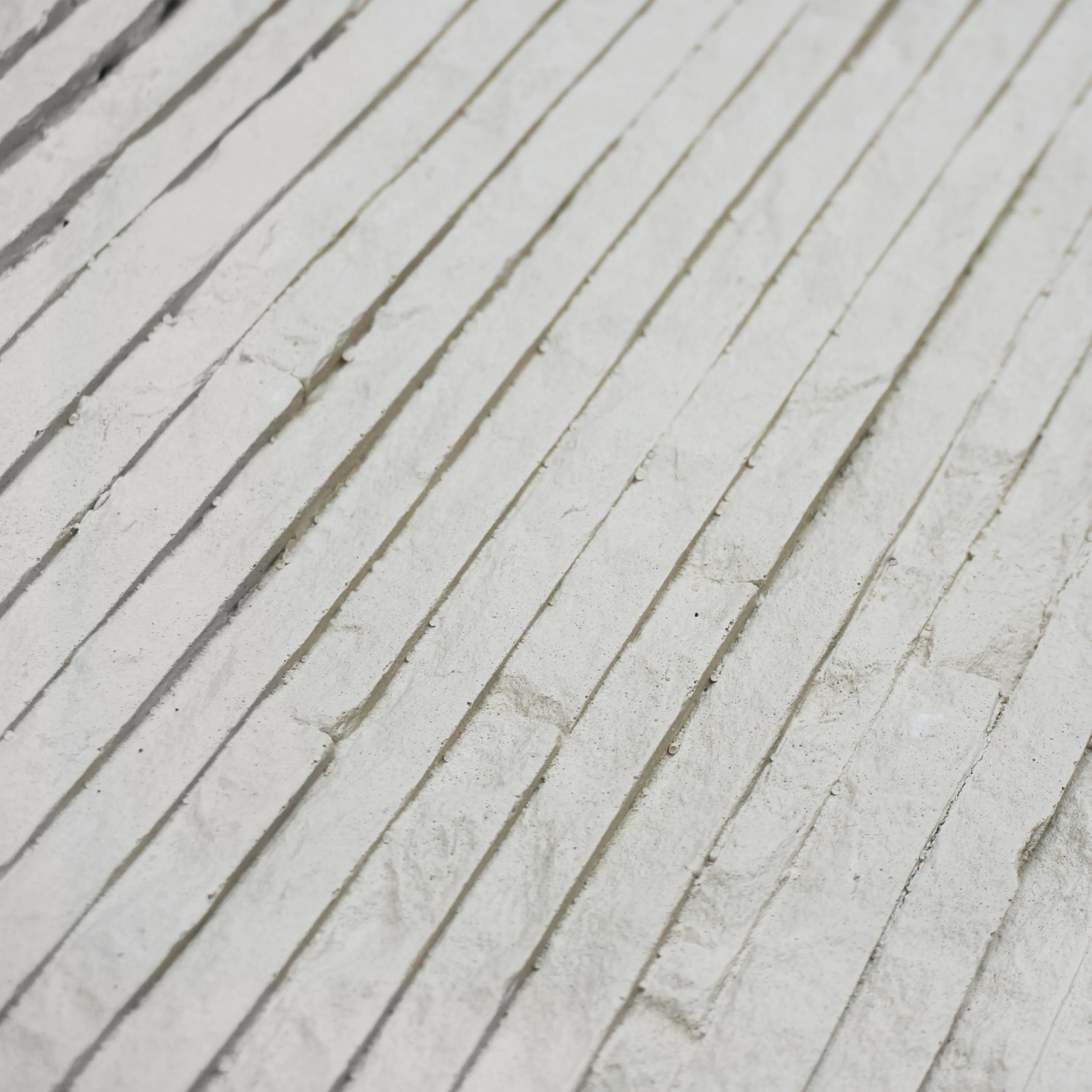
To really understand why Muretto Stone (Beige) is gaining traction, let's put it head-to-head with other common materials used in healthcare facilities. The table below breaks down key factors like porosity (a big indicator of hygiene), ease of cleaning, bacteria resistance, durability, and aesthetic appeal—all critical for healthcare settings.
| Material | Porosity | Ease of Cleaning | Bacteria Resistance | Durability | Aesthetic Appeal |
|---|---|---|---|---|---|
| Muretto Stone (Beige) | Low (non-porous surface) | Easy—wipe with disinfectant; no special tools | High—no pores for bacteria to hide | Excellent—resists scratches, stains, and chemical damage | Warm, natural beige; matte finish reduces glare; calming |
| Fair-Faced Concrete | Medium (can develop micro-cracks over time) | Moderate—requires sealing to prevent staining; prone to dust buildup | Medium—porous if unsealed; can harbor bacteria | High—strong but can chip or crack with heavy impact | Industrial, cold; limited color options |
| Travertine (Beige) | High (natural pores and voids) | Difficult—requires regular sealing; pores trap dirt | Low—porous structure ideal for bacterial growth | Moderate—prone to etching from acidic cleaners | Natural, earthy look but can appear worn quickly |
| Rough Granite Stone (Beige) | Medium (rough texture traps debris) | Challenging—rough surface hard to wipe clean; crevices hold dirt | Medium—texture provides hiding spots for bacteria | High—extremely durable but heavy | Natural, rugged; can feel harsh in patient spaces |
| Polish Concrete | Low (when sealed) | Moderate—prone to scratches and stains; needs re-polishing | High (if properly sealed) | High—strong but glossy finish shows wear | Modern, sleek but can feel cold; reflective surface may cause glare |
As the table shows, Muretto Stone (Beige) outperforms competitors in key areas. Its low porosity and high bacteria resistance make it a hygiene standout, while its ease of cleaning and durability keep sanitation manageable. And unlike cold, industrial materials like fair-faced concrete or polished concrete, its warm beige tone and natural texture create spaces that feel less like "medical facilities" and more like places of healing. That matters—studies have shown that patients recover faster in environments that feel calm and welcoming, not sterile and intimidating.
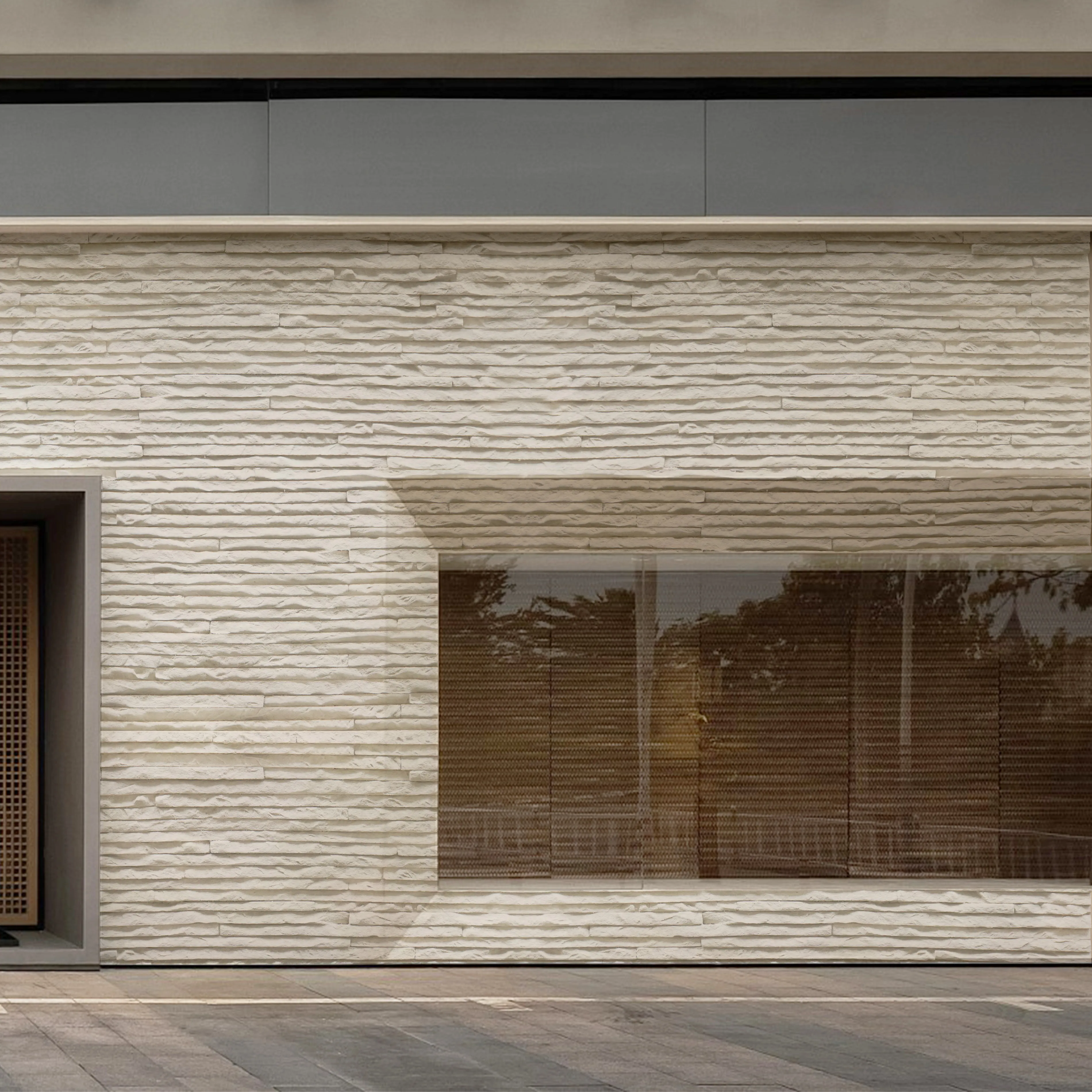
Let's step beyond the specs and talk about real places where Muretto Stone (Beige) is making a difference. Take the recent renovation of Riverview Medical Center, a 300-bed hospital in the Midwest. Before the upgrade, their patient rooms and corridors used a combination of rough granite stone (beige) floors and painted drywall walls. The maintenance team struggled with keeping the granite clean—its rough texture meant daily mopping barely touched the grime in the crevices, and bacteria counts in high-touch areas like door frames and handrails were consistently above recommended levels. The drywall, meanwhile, chipped easily and absorbed moisture, leading to frequent repainting and mold issues in bathroom areas.
After switching to Muretto Stone (Beige) for walls and floors in the renovated wing, the results were striking. Within six months, surface bacteria counts dropped by 65%, according to the hospital's infection control team. Cleaning time per room decreased by 20 minutes, freeing up staff to focus on patient care instead of scrubbing stubborn surfaces. Patients and visitors also noted the difference: "The new walls feel warmer," one patient told hospital administrators. "It doesn't feel like I'm in a cold, sterile place anymore." Even the maintenance budget saw a boost—fewer repairs and less frequent deep cleaning meant savings of nearly $50,000 in the first year alone.
Another example is Greenfield Pediatrics, a clinic that specializes in treating children with chronic illnesses. Their old waiting area had travertine (beige) floors, which looked lovely initially but quickly became a nightmare. The porous stone trapped juice spills, crumbs, and marker stains, no matter how often the staff cleaned. Parents worried about their kids crawling on the floor, and the clinic's infection control officer flagged it as a risk. Switching to Muretto Stone (Beige) transformed the space. Now, spills wipe up in seconds, and the clinic's monthly deep cleaning bill has been cut in half. "We used to dread flu season because the floors would get so gross, so fast," says the clinic manager. "Now, even with kids running around, the floors stay clean. It's one less thing to stress about."
Healthcare design is evolving. Gone are the days when facilities prioritized function over feeling, assuming that "clean" had to mean "cold." Today, architects and designers are tasked with creating spaces that are not just safe but also healing—environments that reduce anxiety, promote relaxation, and support patient well-being. Muretto Stone (Beige) fits perfectly into this vision because it refuses to choose between safety and soul. It's a material that works as hard as the healthcare staff who rely on it, keeping surfaces clean and patients safe, while also adding a touch of warmth that makes a hospital feel a little more like home.
As we look ahead, materials like Muretto Stone (Beige) will likely become even more popular. With the rise of antibiotic-resistant bacteria and a growing focus on infection prevention, healthcare facilities can't afford to take chances with subpar surfaces. But they also can't ignore the emotional needs of patients and families. Muretto Stone bridges that gap, proving that you don't have to sacrifice one for the other. It's a reminder that in healthcare, every detail matters—even the color and texture of a wall or floor. After all, healing isn't just about medicine; it's about creating spaces where patients feel cared for, in every sense of the word.
At the end of the day, Muretto Stone (Beige) isn't just a building material—it's a partner in patient care. Its non-porous surface fights bacteria, its durability stands up to the chaos of healthcare life, and its warm beige tone soothes frayed nerves. It's easy to clean, cost-effective over time, and aesthetically versatile, fitting into everything from modern clinics to historic hospital wings. When compared to alternatives like rough granite, travertine, or even polished concrete, it's clear that Muretto Stone (Beige) offers a rare balance of hygiene, sanitation, and heart.
For healthcare facilities looking to upgrade their spaces—whether for infection control, patient satisfaction, or long-term savings—Muretto Stone (Beige) is more than a good choice. It's a smart one. It's a material that understands the unique demands of healthcare, where every surface must work harder, last longer, and feel better. And in a world where healthcare is about more than just treating illness—it's about healing people—Muretto Stone (Beige) is helping to build the kind of spaces where healing can truly thrive.
Recommend Products












