
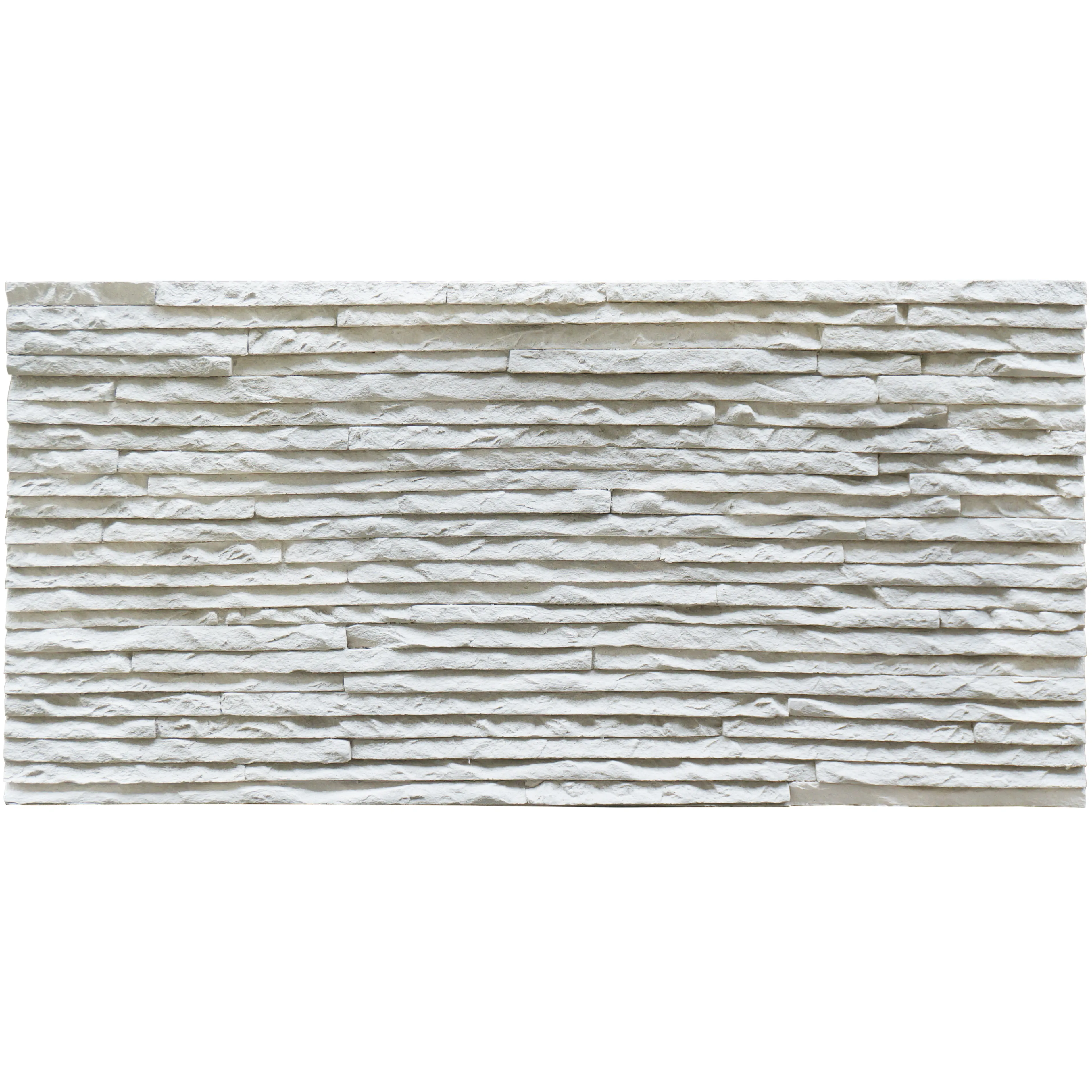
Because your stone deserves to age like fine wine—gracefully, beautifully, and full of character
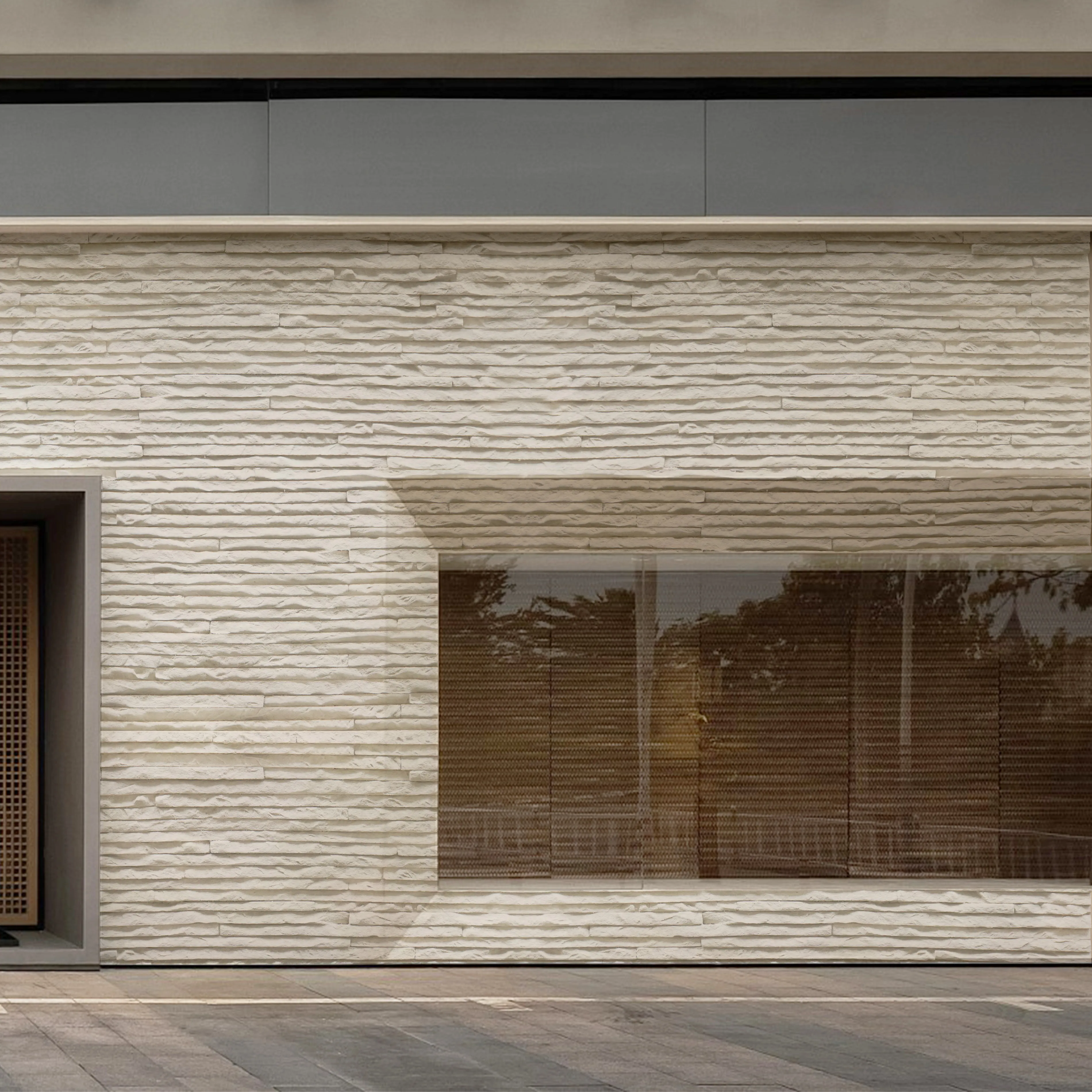
If you've ever walked into a room and thought, "This feels like home," chances are Muretto Stone (Beige) had something to do with it. Its soft, earthy hue—warm like a cup of tea on a rainy day—blends seamlessly with everything from modern minimalism to rustic charm. Whether it's cladding your kitchen backsplash, wrapping your fireplace, or lining your outdoor patio, this stone doesn't just decorate spaces; it breathes life into them.
But here's the thing about beauty: it needs care. A neglected Muretto Stone (Beige) surface can lose its luster, dull its color, and even develop stubborn stains that feel impossible to remove. The good news? With a little know-how and consistent love, your stone can stay as radiant as the day it was installed. Let's dive into how to make that happen.
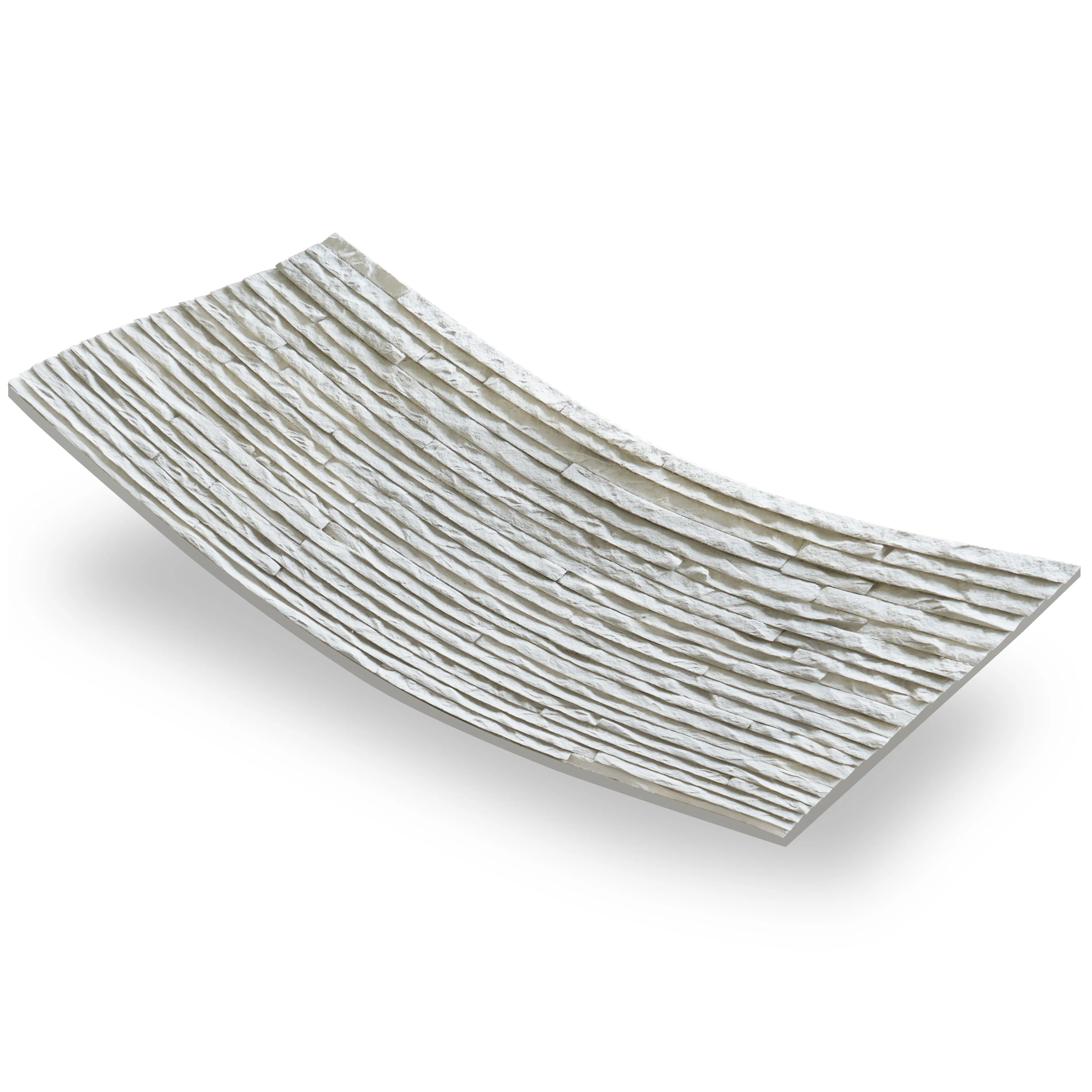
Before we jump into cleaning hacks, let's get to know your stone a little better. Muretto Stone (Beige) is a type of sedimentary rock, formed over centuries from compressed minerals and organic materials. Its porous nature gives it that lovely, textured finish—think tiny, natural "pores" that add depth and character. But those pores are also why it's prone to absorbing liquids and stains. Think of it like a sponge: if you spill something and don't wipe it up quickly, it might seep in.
Another thing to love? Its neutral beige tone. Unlike bolder stones (looking at you, red travertine or slate portoro), Muretto Stone (Beige) acts like a blank canvas, complementing both vibrant accents and muted palettes. It's why designers often pair it with materials like fair-faced concrete for a sleek, modern look or wood grain board for a cozier, organic vibe. But no matter what you pair it with, the key to keeping your Muretto Stone shining is understanding its needs.
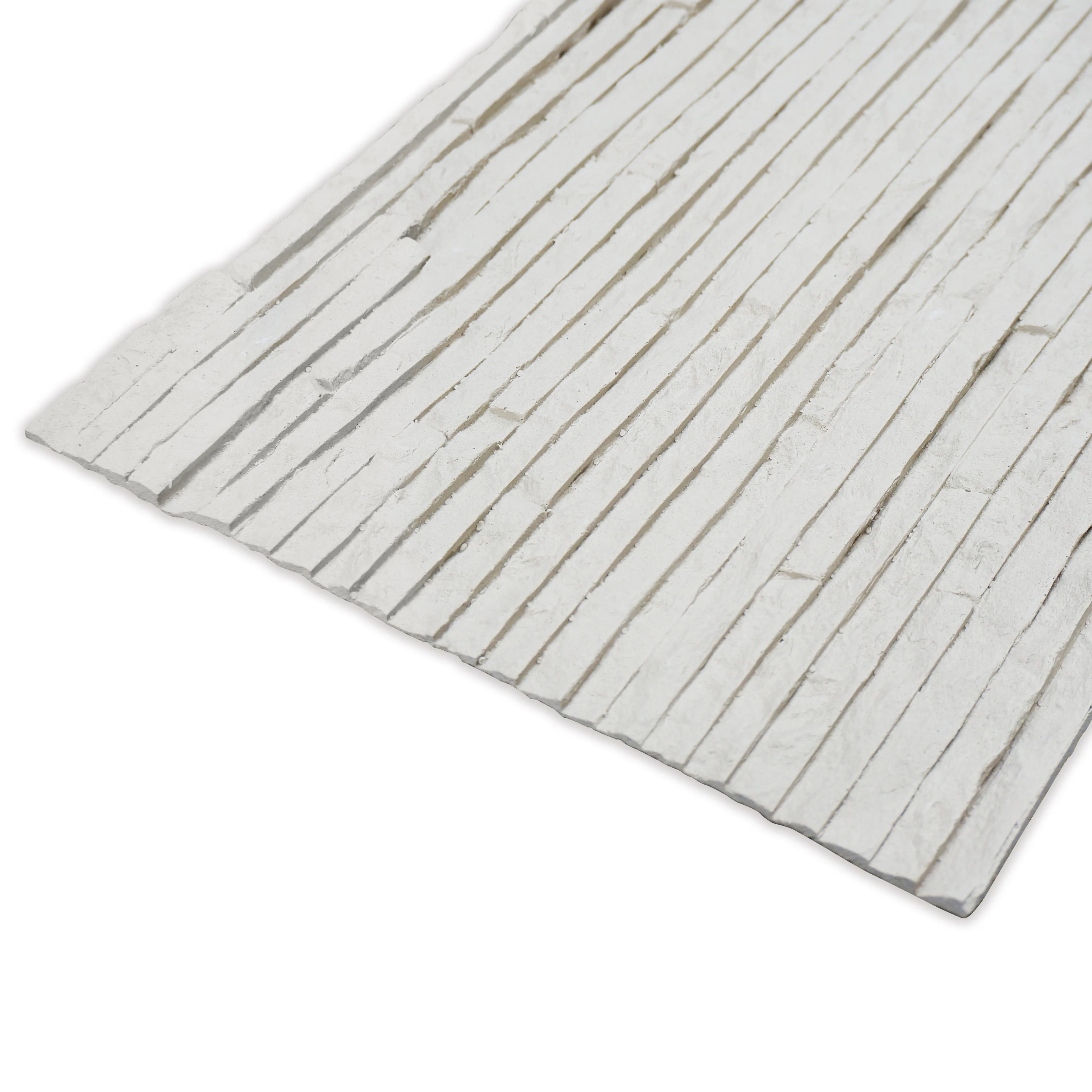
Maintenance doesn't have to be a chore—especially when it comes to daily care. Think of it like brushing your teeth: quick, simple, and totally worth it to avoid bigger issues later. Here's how to keep your Muretto Stone (Beige) fresh day in and day out:
Dust, dirt, and pet hair might seem harmless, but over time, they can scratch the stone's surface—especially if you drag a rough broom over it. Instead, use a soft-bristled brush (like a clean paintbrush or a feather duster) to sweep away loose debris. For floors, a microfiber mop works wonders—its tiny fibers trap dust without scratching. I like to do this every morning in high-traffic areas (hello, kitchen floors!) and every other day in less busy spots (like that accent wall in the living room).
Once the dust is gone, it's time for a quick wipe-down. Grab a soft, lint-free cloth (microfiber is ideal) and dampen it with warm water. Gently wipe the surface in circular motions—no scrubbing needed! This removes fingerprints, smudges, and light spills before they have a chance to set. Pro tip: Avoid using hot water, as extreme temperatures can cause the stone to expand or contract, leading to cracks over time.
Water spots are the silent killers of stone beauty. Even clean water can leave mineral deposits (especially if you have hard water) that dull the surface. After wiping, use a dry microfiber cloth to buff the stone until it's completely dry. You'll be amazed at how much brighter it looks—like giving it a little post-shower glow-up.
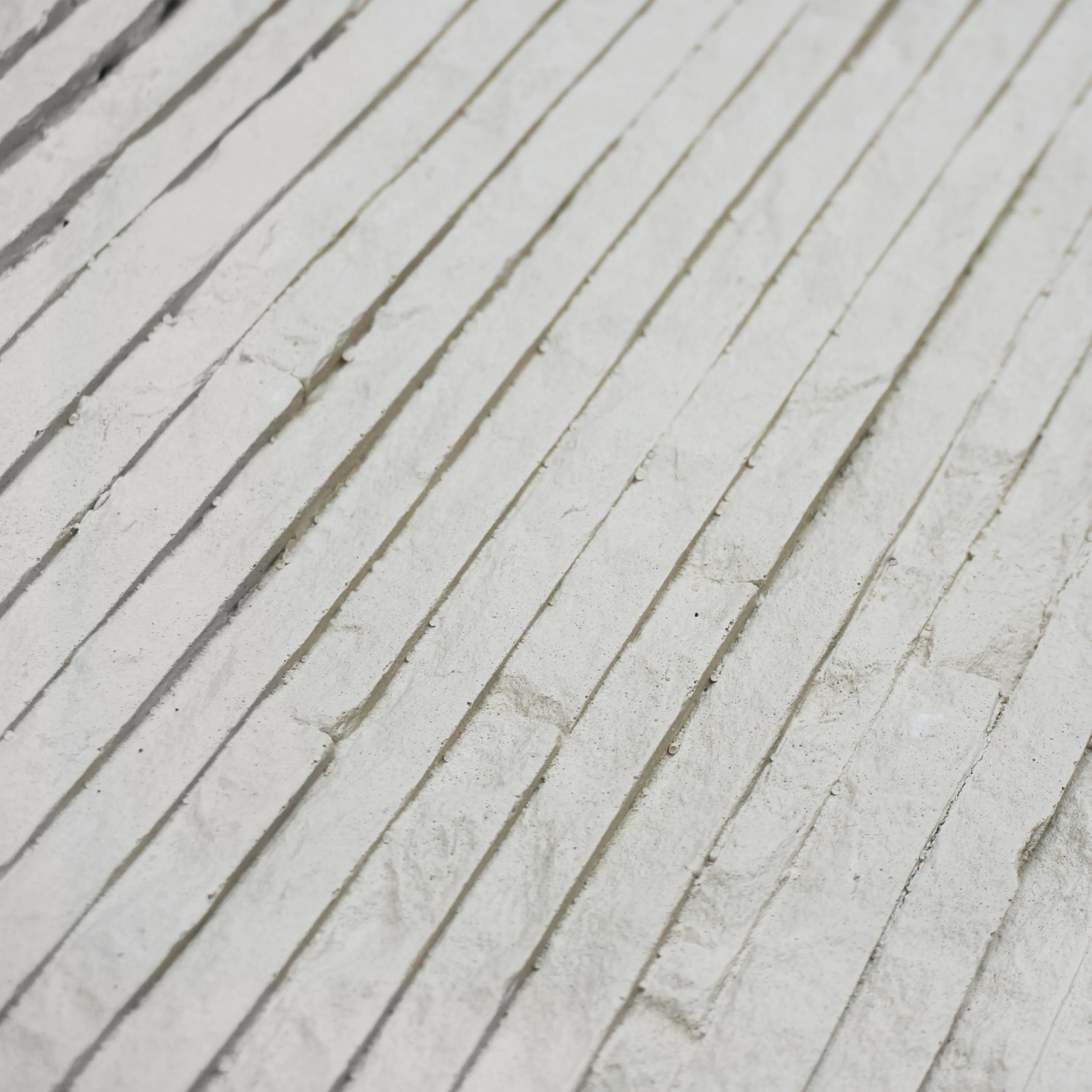
Let's be real: spills happen. Whether it's a coffee splash during your morning rush, a wine glass that tips over during dinner, or mud tracked in from a rainy day, stains are part of life. The key is to act fast—and use the right tools. Here's how to tackle the most common culprits:
| Stain Type | Cleaning Solution | Step-by-Step |
|---|---|---|
| Coffee, Tea, or Juice | 1 tbsp dish soap + 2 cups warm water | 1. Blot up excess liquid with a paper towel (don't rub!). 2. Mix soap and water, dip a soft cloth in, and gently dab the stain. 3. Rinse with clean water and dry immediately. |
| Oil or Grease (e.g., cooking oil, lotion) | Baking soda + water paste | 1. Blot up as much oil as possible. 2. Mix baking soda and water to make a thick paste, spread over the stain, and let sit for 15–20 minutes. 3. Wipe away with a damp cloth, rinse, and dry. |
| Red Wine or Tomato Sauce | Hydrogen peroxide (3%) + drop of dish soap | 1. Blot, blot, blot! (Rubbing pushes the stain deeper.) 2. Mix peroxide and soap, apply to the stain with a cotton ball. 3. Let sit 5 minutes, then rinse and dry. Test on a hidden spot first—peroxide can lighten some stones. |
| Mud or Dirt | Lukewarm water | 1. Let the mud dry completely (wet mud smears!). 2. Gently brush off the dried dirt with a soft brush. 3. Wipe with a damp cloth and dry. |
| Rust (e.g., from metal furniture) | Commercial stone-safe rust remover | 1. Follow the product instructions—most need to sit for 10–15 minutes. 2. Rinse thoroughly and dry. Avoid DIY rust removers (like vinegar)—acids can etch the stone! |
Pro Tip: Always test any cleaning solution on a hidden corner of the stone first (like behind a cabinet or under a rug). Better safe than sorry!
If daily cleaning is the "brushing," sealing is the "flossing" of stone maintenance: not glamorous, but crucial for long-term health. Sealing creates a protective barrier over the stone's pores, making it harder for liquids and stains to seep in. Here's what you need to know:
Sealing doesn't require a pro—you can do it yourself in an afternoon. Here's how:
Sometimes, what you don't do is just as important as what you do. Here are the biggest mistakes to steer clear of:
Acidic cleaners (like vinegar, lemon juice, or toilet bowl cleaner) and abrasive products (scrubbing pads, bleach, ammonia) are stone enemies. They eat away at the sealant and can etch the surface, leaving permanent marks. Stick to pH-neutral cleaners labeled "safe for natural stone."
Leaky faucets, wet towels left on the floor, or rain pooling on outdoor stone can seep into the pores and cause mold, mildew, or discoloration. Wipe up spills immediately, fix leaks fast, and ensure outdoor areas have proper drainage.
Muretto Stone (Beige) is durable, but it's not indestructible. Dragging heavy furniture across floors, dropping pots on countertops, or using sharp tools directly on the stone can chip or crack it. Use furniture pads, trivets, and cutting boards to protect surfaces.
Outdoor Muretto Stone needs extra love in extreme weather. In winter, salt and ice melt can damage the surface—use sand instead for traction. In summer, direct sunlight can fade the color over time; consider a UV-protective sealer if your stone gets hours of harsh sun.
Muretto Stone (Beige) rarely shines alone—it's often paired with other materials to create stunning, layered designs. If your space mixes Muretto with fair-faced concrete, wood grain board, or even travertine (beige), good news: many maintenance rules overlap. Here's how to care for these combinations:
This combo is modern, industrial, and totally on-trend. Both materials love pH-neutral cleaners, so you can use the same soap-and-water mix for both. Just note that concrete is even more porous than Muretto Stone—seal it every 6–12 months to prevent staining.
Warm wood and soft stone? Chef's kiss. Wood grain board needs to avoid excess moisture (it can warp!), so when cleaning near wood, wring out your cloth extra well. For spills that hit both materials, blot the wood first (it's more sensitive) before tackling the stone.
Double the beige, double the beauty! Travertine is a cousin of Muretto Stone, so care is almost identical. The only difference? Travertine often has larger pores, so it might need sealing a little more frequently (every 6–12 months for high-traffic areas).
Even with the best care, problems can pop up. Here's how to handle the most frustrating ones:
If your stone looks cloudy, it might be from soap residue or water spots. Mix equal parts water and isopropyl alcohol, wipe the surface, and dry with a microfiber cloth. The alcohol cuts through residue, and the dry cloth buffs away haze.
Etching happens when acid (like lemon juice or vinegar) eats into the stone, leaving a dull mark. For light etching, a stone polishing powder (available at home improvement stores) can help. Mix with water to make a paste, rub gently with a soft cloth, then rinse and seal.
Small cracks can be fixed with a stone repair epoxy (match the color to your Muretto Stone). For larger damage, call a professional—they can fill and refinish the area to make it blend in.
At the end of the day, maintaining your Muretto Stone (Beige) isn't just about keeping it clean—it's about preserving the stories it holds. That kitchen backsplash where you burned pancakes on Sunday mornings, that patio where your kids learned to ride bikes, that accent wall that's hosted a hundred family dinners. These moments deserve a backdrop that feels alive, warm, and full of character.
With these tips, your Muretto Stone (Beige) won't just last— it will thrive . It'll develop a gentle patina over time, a few subtle marks that tell the story of your life, but it will never lose that inherent beauty that made you fall in love with it in the first place. So grab your microfiber cloth, your sealer, and a little patience—your stone (and your future self) will thank you.
Recommend Products












