
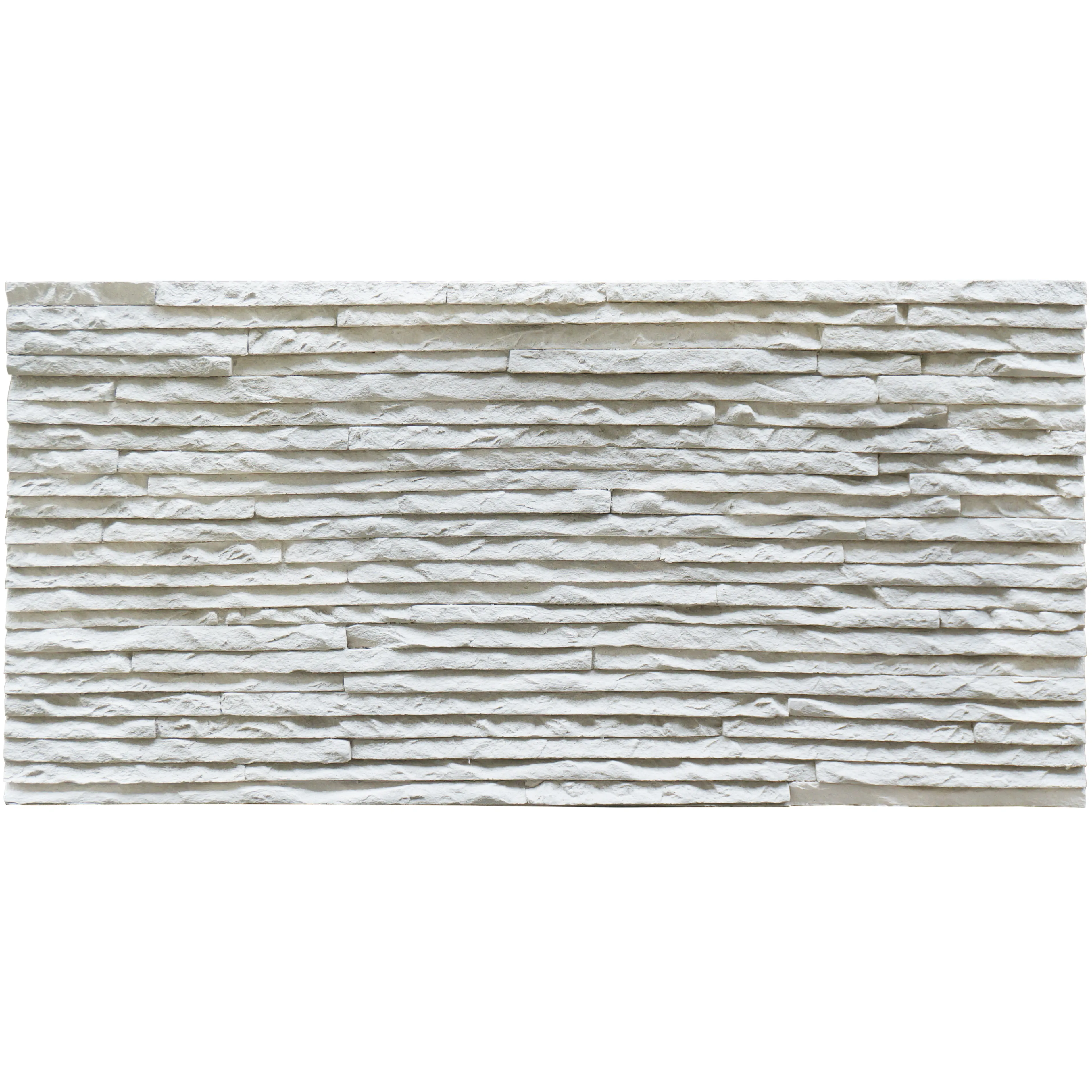
Walk into a space clad in Muretto Stone (Beige) , and you'll feel it before you can name it—the quiet warmth of sunlit sand, the understated elegance of aged limestone, the comfort of a material that doesn't just occupy space, but comforts it. This isn't just another building material; it's a bridge between nature's patience and human ingenuity. As part of the MCM project board series , Muretto Stone (Beige) embodies the core of what makes Modern Composite Materials (MCM) revolutionary: durability without excess, beauty without waste, and flexibility that bends to the needs of architects and dreamers alike. Today, we're pulling back the curtain on how this beige beauty comes to life—from raw earth to finished wall—and why every step matters.
Before diving into the process, let's talk about what makes Muretto Stone (Beige) special. Unlike traditional stone slabs that are heavy, brittle, and resource-intensive to quarry, Muretto is part of the MCM flexible stone family—a category of materials designed to mimic the look and texture of natural stone while being up to 80% lighter. Imagine holding a piece of stone that feels almost feathery in comparison to its solid counterparts; that's the magic of MCM. But flexibility here isn't just physical—it's about adaptability. Whether it's curved walls, high-rise facades, or cozy home interiors, Muretto Stone (Beige) bends (literally) to the vision, without compromising on strength.
And then there's the color: that soft, earthy beige. It's not a random choice. The team at MCM spent months testing pigments and natural aggregates to land on a hue that feels both timeless and versatile—something that complements warm woods, contrasts with cool metals, and stands alone as a neutral that never fades into the background. "We wanted it to feel like a hug," says Elena, a senior material designer at MCM. "Not too bright, not too dull—just that perfect shade that makes a room feel lived-in, even on day one."
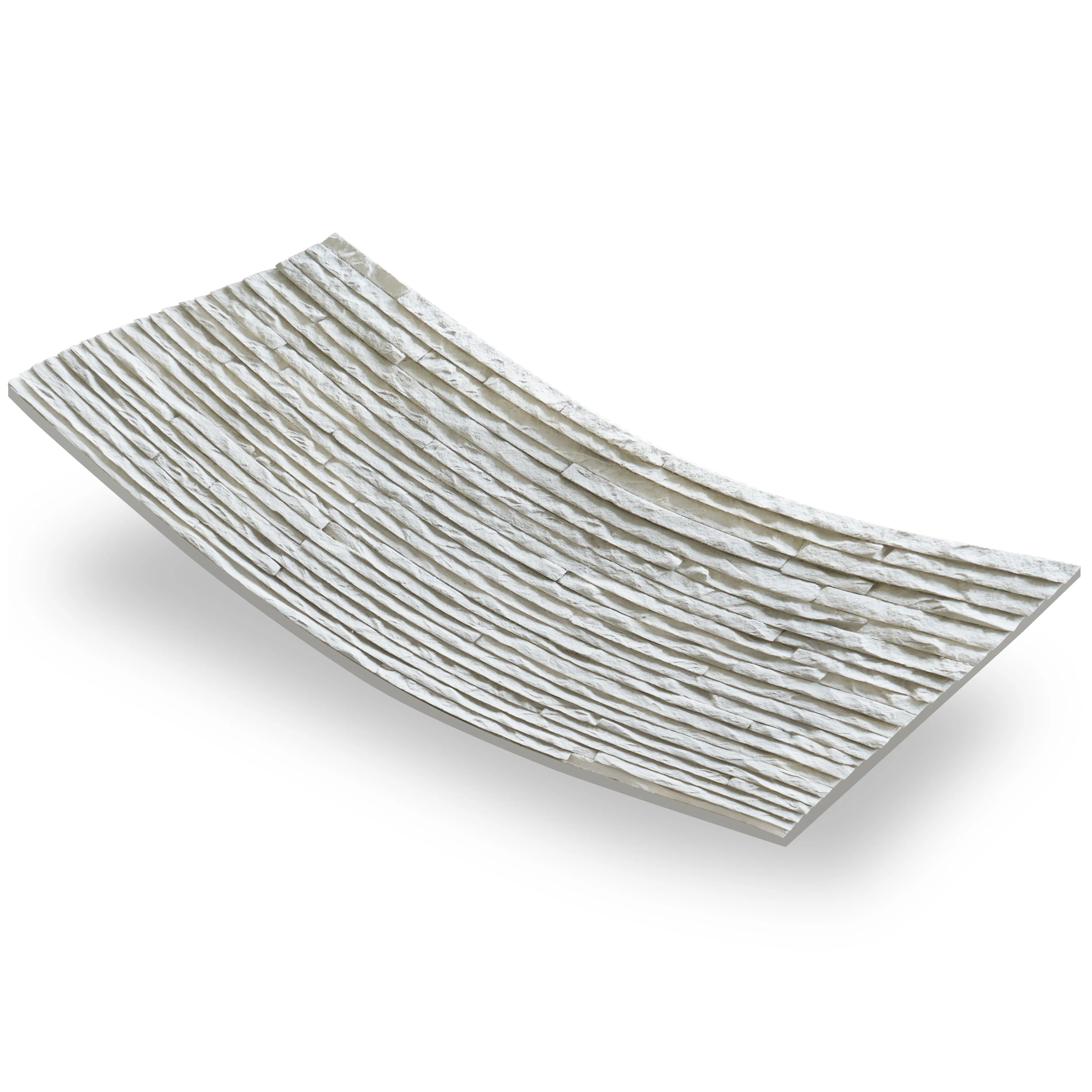
Every great product starts with great ingredients, and Muretto Stone (Beige) is no exception. But here's the twist: MCM's sourcing philosophy isn't just about "good materials"—it's about responsible ones. The process begins at quarries and recycling facilities, where the team hand-selects two key components: natural limestone aggregates (sourced from regions with strict sustainability practices, ensuring minimal impact on local ecosystems) and recycled mineral composites (leftover stone dust and concrete from construction sites, diverted from landfills). "We see waste as a resource in disguise," explains Marco, MCM's sustainability lead. "That concrete dust from a demolished building? It adds texture and strength to Muretto. It's our way of closing the loop."
The star of the show, though, is the limestone. Not just any limestone—specifically chosen for its warm, creamy base and subtle veining. "We visit the quarries ourselves," Marco adds. "We talk to the miners, check the soil health around the site, even test the water runoff to ensure we're not contributing to pollution. If a quarry doesn't meet our standards, we walk away. It's non-negotiable." This commitment to ethics isn't just good for the planet; it shows up in the final product. You can feel the care in the stone's consistency—the way the beige hue doesn't vary wildly from batch to batch, a testament to meticulous sourcing.
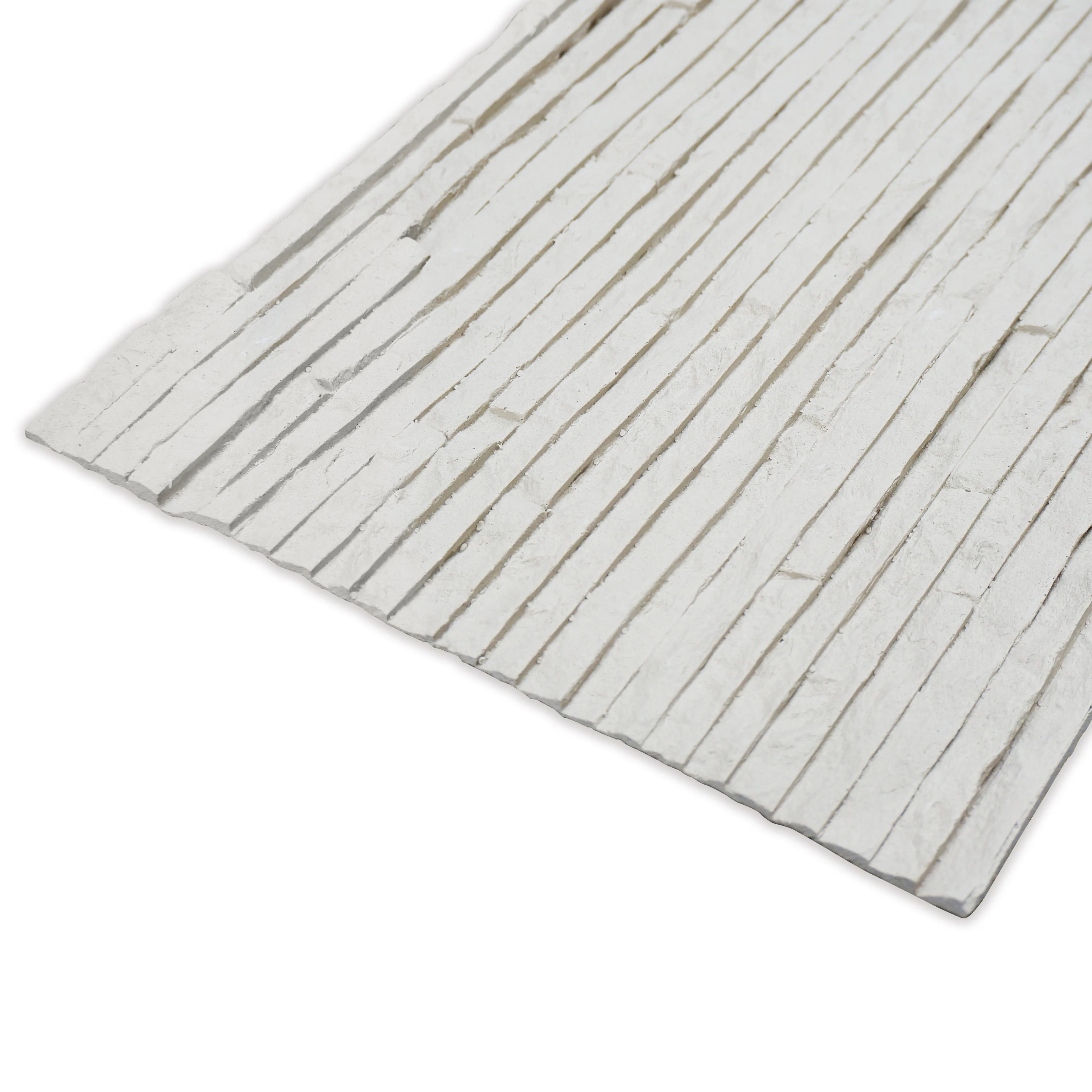
Once the materials are back at the MCM facility, the real craft begins. Picture a large, sunlit room where artisans in dust coats move with the rhythm of a well-rehearsed dance. This is the mixing area, where the limestone aggregates, recycled minerals, and a proprietary eco-resin binder come together. The goal? To create a paste that's smooth enough to mold but hearty enough to hold its shape.
The mixer itself is a marvel of engineering—slow-turning, with gentle blades that fold the ingredients together instead of brute-forcing them. "Aggression kills texture," says Lina, a master mixer with 15 years of experience. "If you mix too fast, you break down the aggregates, and you lose that natural, gritty feel that makes Muretto look like real stone." She pauses, adding a pinch of iron oxide pigment to the mix. "This is where the beige comes alive. Too much, and it's orange; too little, and it's washed out. It's about balance—like cooking, but with minerals."
What's missing from this mix? Harmful chemicals. Unlike some composite materials that rely on toxic resins, MCM uses a water-based binder that's low in VOCs (volatile organic compounds). "We want installers to breathe easy when they're working with our products," Lina says. "And we want homeowners to feel safe in spaces clad with Muretto. No off-gassing, no harsh smells—just stone, plain and simple."
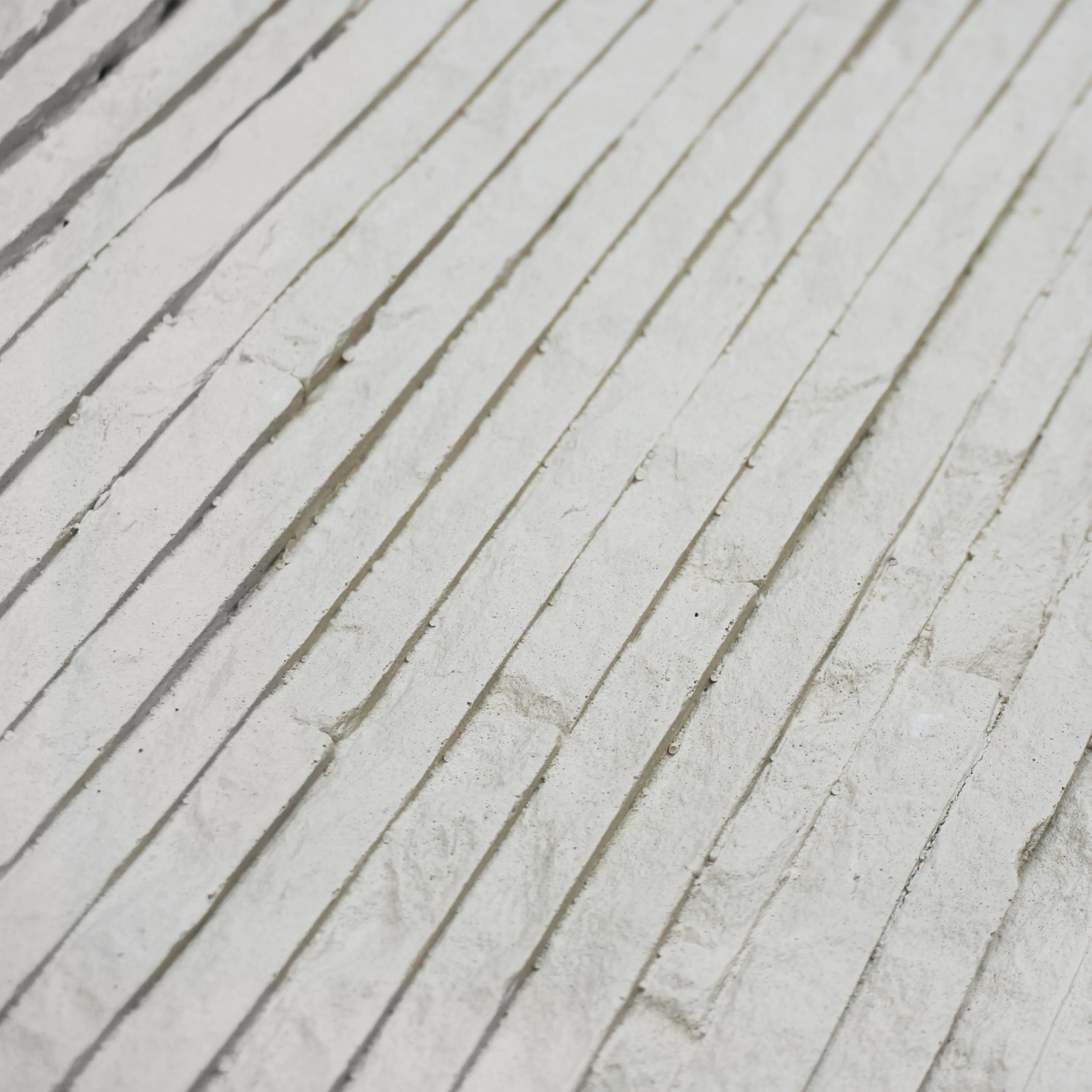
Now, the mixed paste heads to the molding station—a line of custom-designed molds that mimic the texture of natural Muretto stone. These molds are works of art in themselves, created by scanning real stone surfaces (think weathered cliffs, ancient walls, even river rocks) to capture every groove, pit, and ridge. "We don't just want it to look like stone—we want it to feel like stone," says Raj, who oversees the molding process. "Run your hand over a finished Muretto panel, and you'll feel the same subtle roughness as a piece of limestone you'd pick up in a field. That's intentional."
The molding process is a study in patience. The paste is spread into the molds by hand (yes, hand!) to ensure every nook and cranny is filled. "Machines can do a lot, but they can't feel when a corner is underfilled," Raj explains, as he uses a small trowel to press paste into a particularly deep groove. "An artisan's touch here makes all the difference. We're not just making panels—we're crafting stories." Once filled, the molds are placed in a low-heat oven for curing—a gentle process that allows the binder to set without warping the texture. Traditional stone curing can take weeks, but MCM's technology cuts that time to 48 hours, thanks to precise temperature control. "Faster, but never rushed," Raj adds. "Quality can't be hurried."
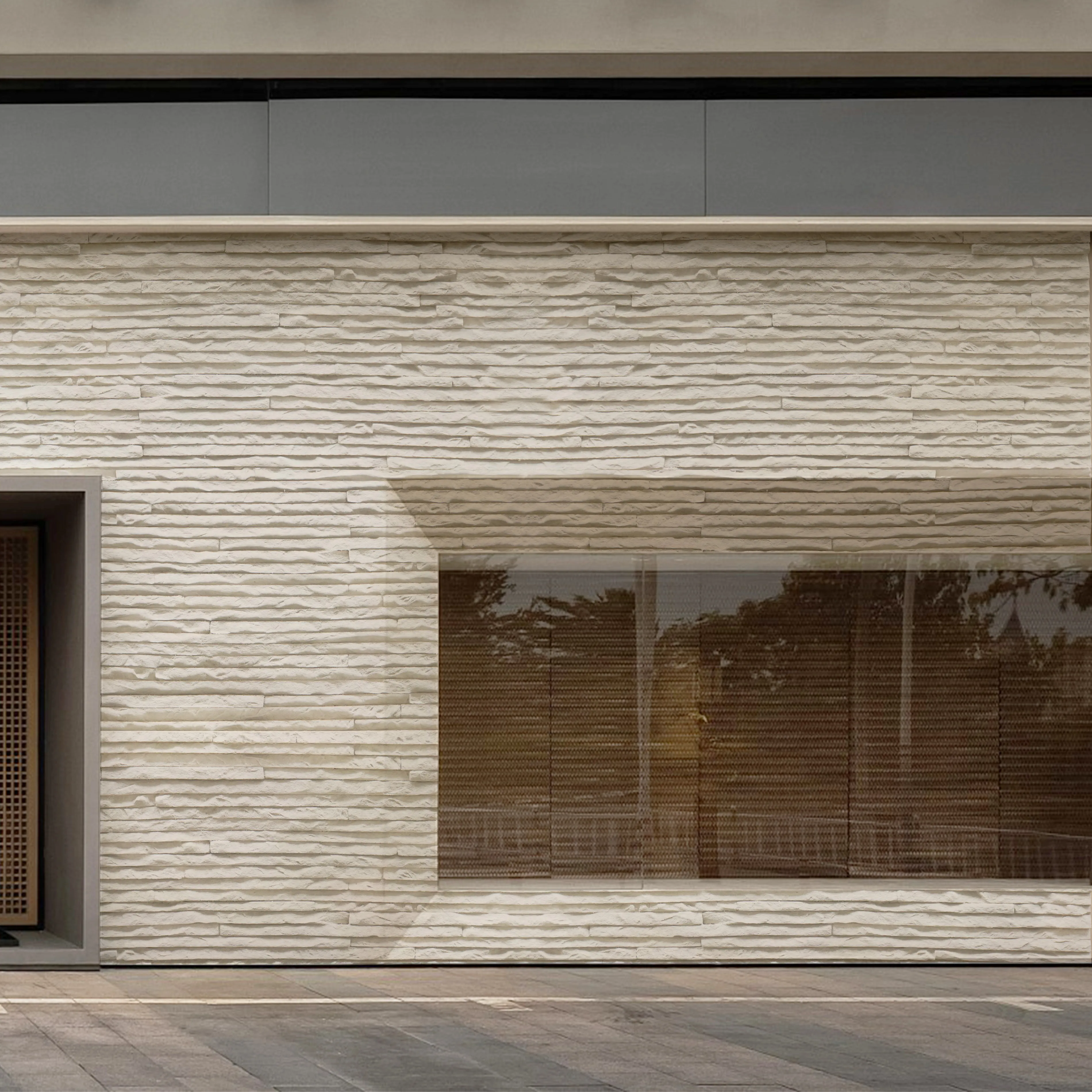
After curing, the panels emerge from the molds as rough-hewn beauties—textured, but not yet ready for the world. They then move to the finishing station, where a team of sanders and sealers works their magic. But here's another eco-friendly twist: instead of using harsh chemical sealers, MCM opts for a water-based, breathable sealant that protects the stone from moisture and stains without trapping in vapor (a common problem with traditional sealers that can lead to mold). "Breathability is key," says Mia, who's been sealing MCM panels for over a decade. "Stone is a living material—even composite stone. It needs to 'breathe' to stay healthy, especially in humid climates."
Sanding is done with recycled abrasive pads, and any dust generated is collected and reused in future mixes. "Nothing goes to waste here," Mia says, tapping a bin labeled "Reclaimed Dust." "That dust will be back in a new batch of Muretto next week. It's our little (loop)—Chinese for 'cycle.' We borrowed the idea from traditional pottery, where clay scraps are reworked into new pieces. Why reinvent the wheel when ancient wisdom works?"
| Feature | Muretto Stone (Beige) | Traditional Natural Stone | Fair-Faced Concrete |
|---|---|---|---|
| Environmental Impact | Low (recycled materials, water-based binders, minimal quarrying) | High (intensive quarrying, heavy transportation emissions) | Moderate (cement production emits CO2; limited recycling) |
| Weight (kg/m²) | 6-8 kg (lightweight, easy to install) | 40-60 kg (requires heavy support structures) | 20-25 kg (heavier than MCM, but lighter than stone) |
| Design Flexibility | High (bends to curves, thin profiles for unique shapes) | Low (brittle, hard to cut for complex designs) | Moderate (moldable but less texture variation) |
| Installation Ease | Easy (lightweight, can be cut on-site with basic tools) | Challenging (requires cranes, specialized labor) | Moderate (heavier than MCM, needs precise formwork) |
Before any Muretto Stone (Beige) panel leaves the facility, it undergoes a battery of tests—but the most important one isn't done by a machine. It's done by Anna, the head of quality control, who's been with MCM since day one. "I don't just check for cracks or color consistency," she says, holding a panel up to the light. "I check for character . Does this panel feel like Muretto? Does it have that warmth we're known for?" She runs her fingers over the surface, closes her eyes for a moment, and smiles. "This one's a keeper."
Technical tests are rigorous, too: panels are subjected to impact tests (to ensure they can handle bumps during installation), water absorption tests (to prevent mold), and flex tests (to confirm they can bend without breaking). "We simulate 20 years of weathering in just a few days," Anna explains. "If a panel fails, we don't just toss it—we figure out why. Was the mix off? Did the curing temperature dip? Every failure teaches us something, so the next batch is even better."
Once approved, the panels are packed into recycled cardboard boxes (no plastic bubble wrap here—just biodegradable padding) and shipped to job sites around the world. But MCM's commitment to sustainability doesn't end there. The company partners with local installers trained in eco-friendly practices, ensuring that even the installation process minimizes waste. "We provide detailed guides on cutting panels to reduce scraps, and we offer take-back programs for any leftover material," says Elena. "A panel that's too small for one project might be perfect for a backsplash or a accent wall somewhere else. Nothing should end up in a landfill if we can help it."
And when Muretto Stone (Beige) finally finds its home—whether it's a cozy café in Paris, a sleek office in Tokyo, or a family home in Sydney—it brings more than just beauty. It brings peace of mind. Homeowners know their walls are made with materials that respect the planet; architects know they've chosen a stone that can keep up with their boldest ideas; and everyone who walks into that space? They just know it feels right .
Muretto Stone (Beige) isn't just a product of a manufacturing process—it's a product of a philosophy: that great design and sustainability don't have to be enemies, that beauty can be accessible without being extractive, and that every material should tell a story of care. From the hands that select the limestone to the artisans who mold its texture, from the recycled dust that adds character to the breathable sealant that protects it, every step is a promise—to the planet, to the people who use it, and to the future spaces that will be shaped by it.
So the next time you see a wall clad in Muretto Stone (Beige), take a moment to appreciate it. Run your hand over its surface, notice the way the light plays on its beige hue, and remember: this isn't just stone. It's a small, beautiful step toward a world where we build with the earth, not just on it.
Recommend Products












