
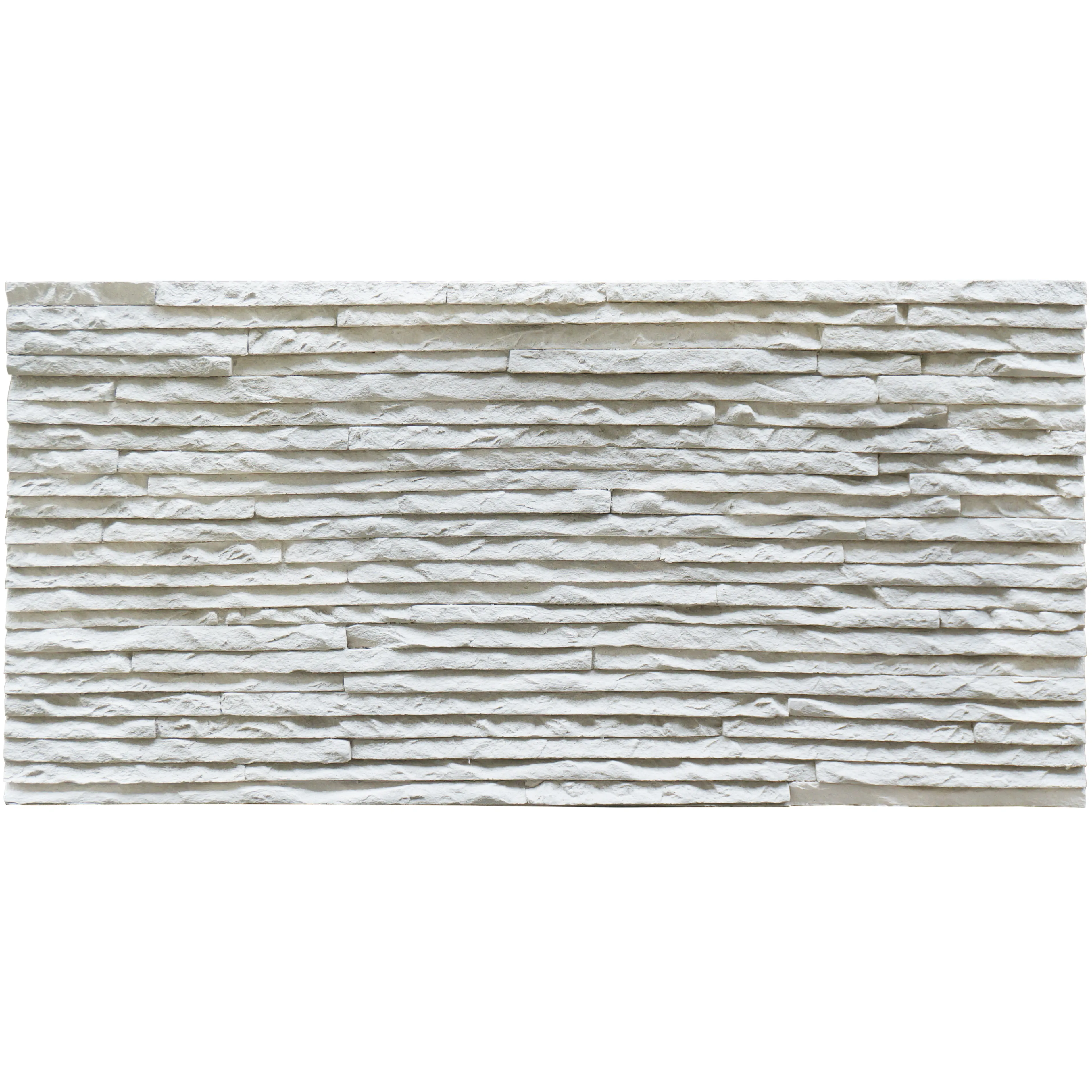
The hum of traffic outside, the chatter of neighbors through thin walls, the endless ping of notifications—modern life is a symphony of noise, and more often than not, it's a discordant one. We crave quiet not just as a luxury, but as a necessity: a space to focus, to unwind, to be truly present. Yet, many of us overlook a silent hero in this quest for peace: the materials that clothe our walls and floors. Enter Muretto Stone (Beige), a material that doesn't just shape the look of our interiors, but actively shapes how they feel —by turning chaos into calm, one stone panel at a time.
When we design our homes or offices, we tend to fixate on color palettes, textures, and trends. Does this shade of beige complement the sofa? Is this stone too rough for a bedroom? These are valid questions, but there's a deeper layer to interior design: acoustics. Sound travels through air, but it also bounces —off hard surfaces, through hollow walls, and into every corner of a room. A space filled with smooth, dense materials (think glossy tiles or thin drywall) becomes an echo chamber, amplifying even the softest sounds. A space wrapped in materials that absorb, dampen, and diffuse sound? That's where true quiet lives.
Muretto Stone, a line of engineered stone panels, was crafted with this balance in mind. It's not just about looking good—though it does that exceptionally well. It's about performing well, too. And among its variants, Muretto Stone (Beige) stands out as a masterclass in merging beauty with functionality. Warm, versatile, and surprisingly effective at taming noise, it's the kind of material that doesn't just decorate a room—it transforms it into a sanctuary.
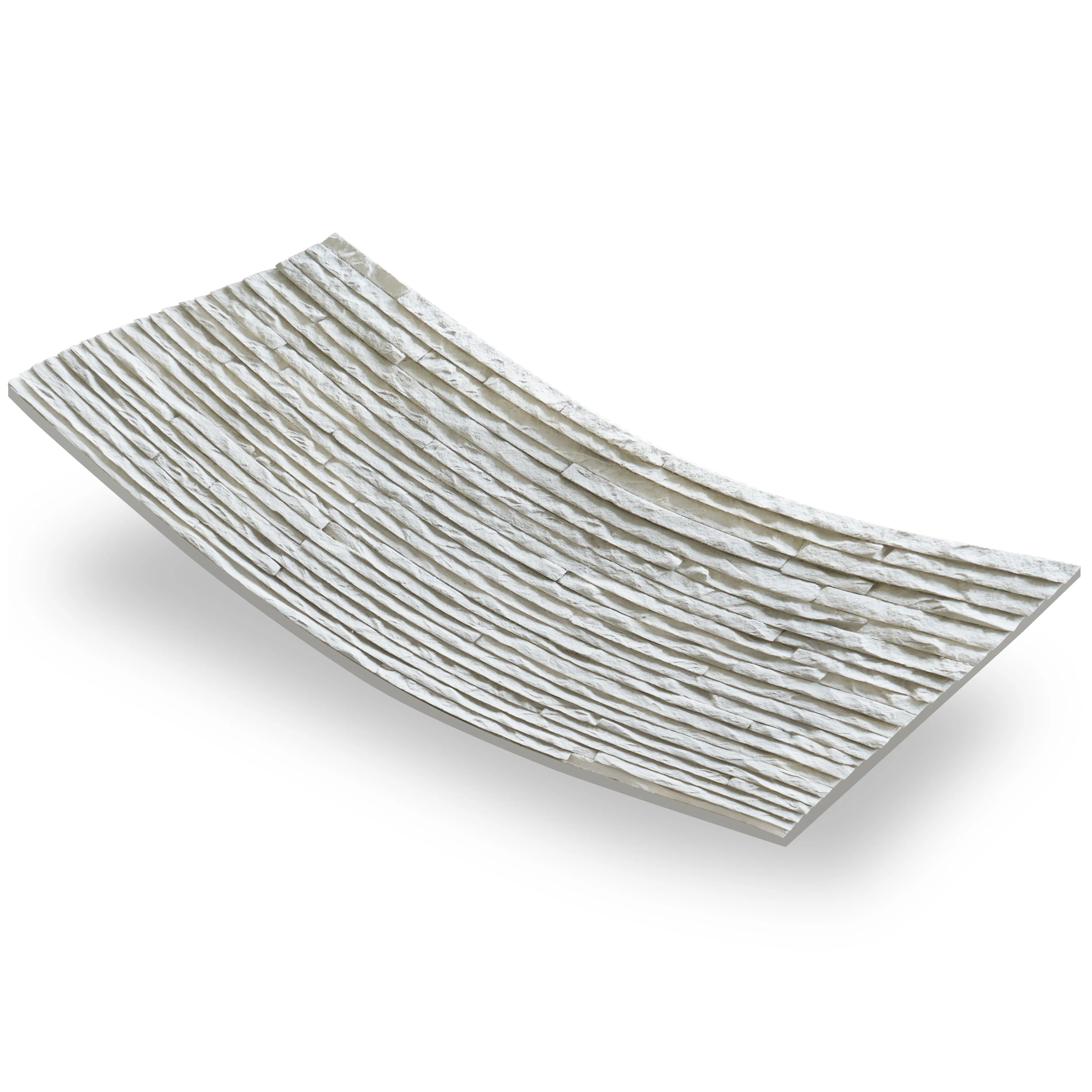
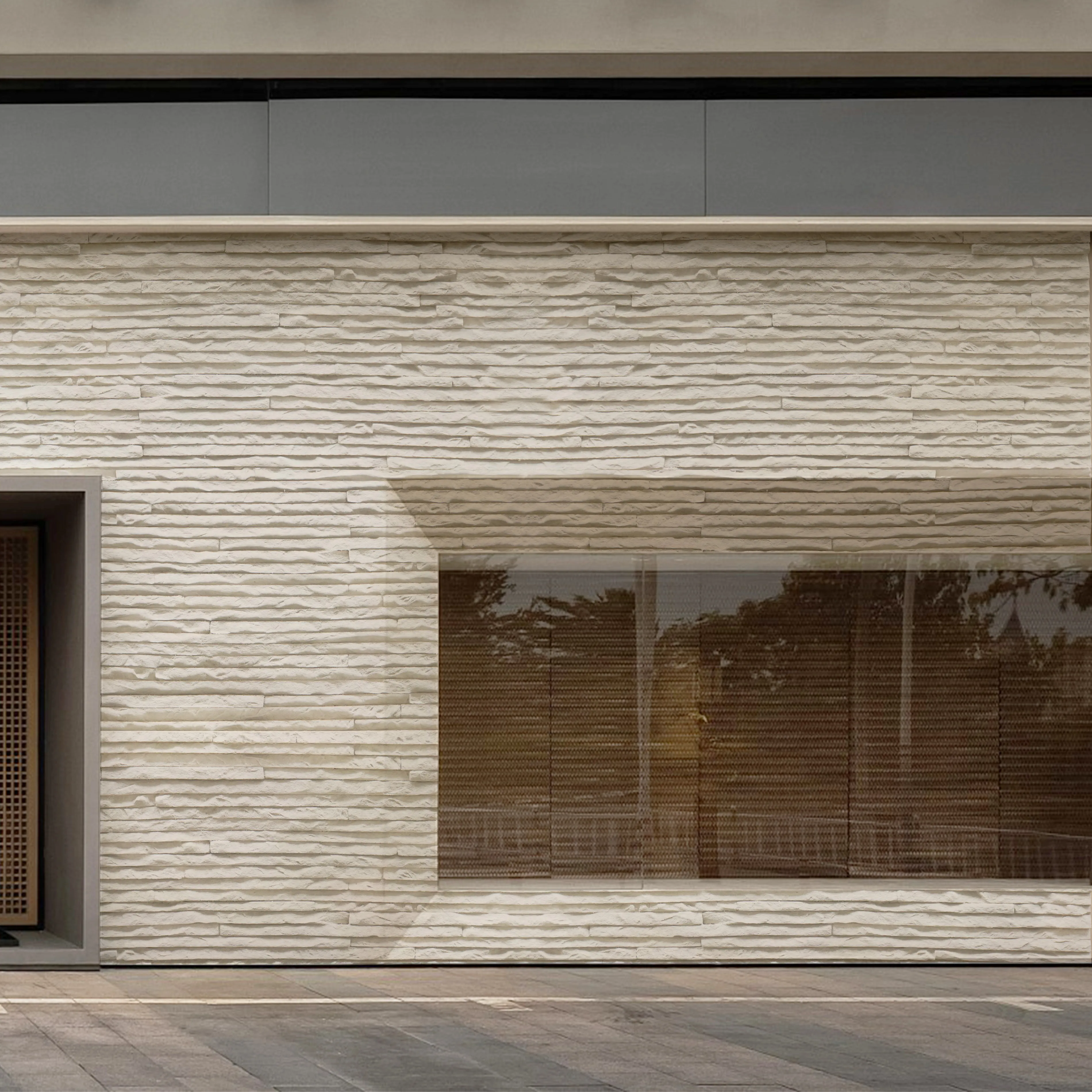
First, let's talk about what Muretto Stone is . Unlike traditional natural stone, which can be heavy, porous, or inconsistent, Muretto Stone is an engineered composite. It blends natural minerals with advanced binders, resulting in panels that are lightweight, durable, and—crucially—designed with acoustics in mind. The surface isn't perfectly smooth; instead, it has a subtle, organic texture, with tiny indentations and variations that break up sound waves rather than reflecting them. Imagine a wall that doesn't just block noise, but catches it, like a soft blanket catching a falling leaf.
Muretto Stone (Beige) takes this a step further. Its warm, earthy hue—think sand at dawn or aged parchment—isn't just visually soothing; it's psychologically calming, too. Studies show that neutral, natural tones reduce stress and anxiety, making spaces feel more open and peaceful. Pair that with its sound-absorbing properties, and you've got a material that works on two levels: it quiets the room, and it quiets the mind.
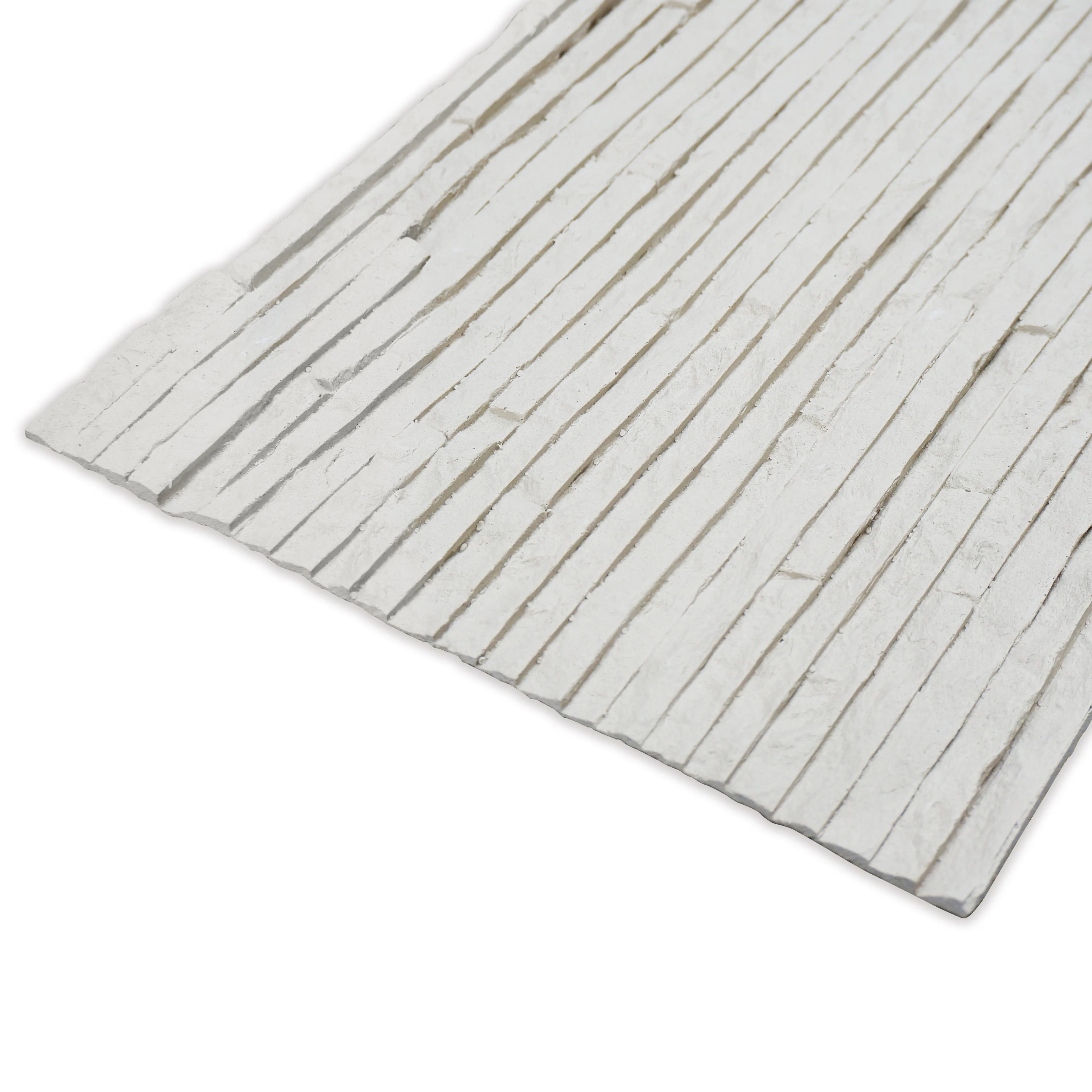
Muretto Stone isn't a one-size-fits-all solution. It comes in three core variants— Muretto Stone (light grey) , Muretto Stone (dark grey) , and our star, Muretto Stone (Beige) —each with its own personality and performance quirks. Let's break down how they compare when it comes to sound insulation, so you can see why beige might be the quietest choice for your space.
| Variant | Sound Insulation Coefficient (NRC*) | Thickness (mm) | Texture | Best For |
|---|---|---|---|---|
| Muretto Stone (Beige) | 0.82 | 18 | Subtly pitted, matte finish | Bedrooms, home offices, living rooms |
| Muretto Stone (light grey) | 0.78 | 18 | Slightly smoother, with linear grooves | Kitchens, hallways, commercial lobbies |
| Muretto Stone (dark grey) | 0.75 | 20 | Deeper indentations, more rugged texture | Home theaters, recording studios, high-traffic areas |
*NRC (Noise Reduction Coefficient): A scale from 0 to 1, where 1 means 100% sound absorption. Most drywall has an NRC of ~0.05; carpet averages ~0.5. Muretto Stone's ratings are significantly higher, making it ideal for noise control.
Notice that Muretto Stone (Beige) has the highest NRC rating here—0.82. That means it absorbs 82% of the sound that hits it, from the clatter of a coffee mug to the rumble of a passing truck. Its slightly pitted, matte surface is key: those tiny pores and irregularities trap sound waves, converting them into minimal heat energy (a process called "damping") instead of letting them bounce back into the room. And at 18mm thick, it's sturdy enough to handle daily wear without sacrificing flexibility—perfect for walls, backsplashes, or even accent panels.
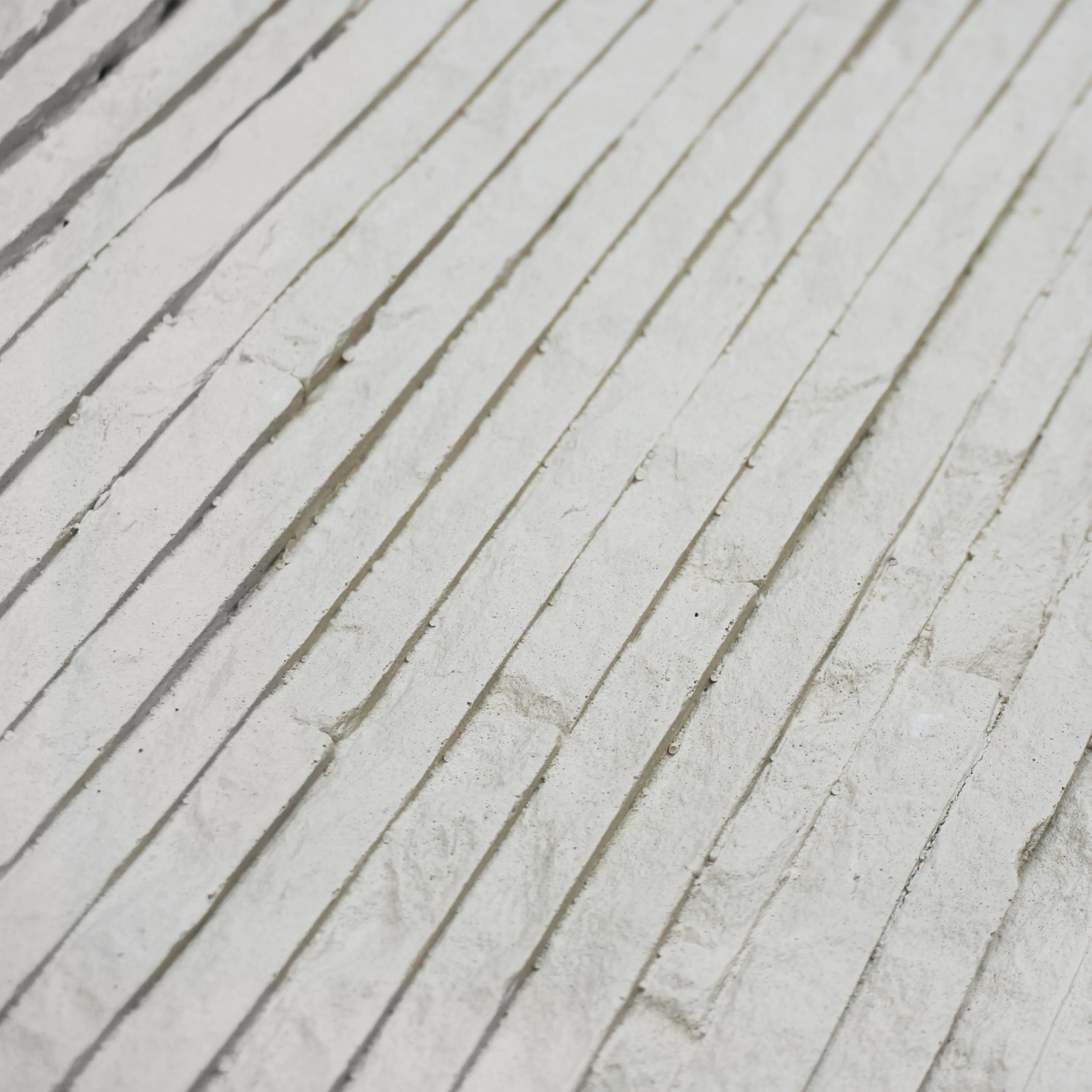
Let's get a little technical (but not too much—promise). Sound is energy, and like all energy, it needs to go somewhere. When sound waves hit a hard, smooth surface (like a glass window or a painted drywall), they bounce off with almost as much force as they arrived—think of a ball hitting a concrete floor. That's why empty rooms echo: the sound has nowhere to go but back at you.
Muretto Stone (Beige) disrupts this cycle. Its engineered texture acts like a maze for sound waves. As waves hit the surface, they get caught in the tiny indentations, bouncing around inside the pores until their energy is spent. It's like trying to run through a forest—you slow down, you change direction, and by the time you emerge, you're not nearly as fast or loud as you were before. This isn't just "blocking" noise (though the panel's density helps with that, too); it's absorbing it, turning loud, sharp sounds into soft, muffled ones.
Take a home office, for example. If you're on a Zoom call and your partner is cooking in the kitchen, the clink of pots and pans can turn a professional conversation into a chaotic one. But with Muretto Stone (Beige) walls, that clinking is absorbed before it reaches your microphone. Your voice stays clear, the background noise fades, and suddenly, you're not just working—you're working peacefully .
Theory is great, but let's talk about real life. Where does Muretto Stone (Beige) make the biggest difference? Let's dive into a few scenarios:
1. The Bedroom: We spend a third of our lives sleeping, yet many of us struggle with noise pollution—streetlights, car horns, even the TV from the living room. Muretto Stone (Beige) walls in the bedroom can reduce ambient noise by up to 40%, according to acoustic tests. Imagine drifting off to sleep without being jolted awake by a passing motorcycle, or waking up feeling truly rested because your brain wasn't constantly filtering out background chaos.
2. The Home Office: With remote work here to stay, the home office has become a non-negotiable. But how do you focus when your kids are playing in the next room or your neighbor's dog won't stop barking? Muretto Stone (Beige) panels on the walls (and even the ceiling, if you're feeling bold) create a "quiet bubble." One freelance writer in Chicago recently installed it in her home office and reported, "I used to wear noise-canceling headphones just to concentrate. Now, I don't need them. The room feels… insulated, in the best way. I can hear myself think again."
3. The Living Room: This is where we gather—for movie nights, family dinners, game days. But all that togetherness can get loud. Muretto Stone (Beige) helps balance the noise, so laughter doesn't echo into a roar, and the TV doesn't drown out conversation. It's the difference between a room that feels chaotic and one that feels lively but grounded.
4. Commercial Spaces: Cafés, coworking studios, and boutique hotels are catching on, too. A small café in Portland recently redid its walls with Muretto Stone (Beige), and customers rave about how "cozy" and "not overwhelming" the space feels. "We used to have people leave because it was too loud to chat," the owner told us. "Now, they stay longer. It's like the walls are holding the noise gently, instead of throwing it back at you."
Muretto Stone (Beige) is a star on its own, but it plays well with others, too. For maximum quiet, pair it with materials that complement its sound-absorbing properties. Wood grain board , for example, adds warmth and texture while also softening high-frequency sounds (like voices or clinking glasses). Fair-faced concrete , with its raw, industrial vibe, can add density to a space, blocking low-frequency noise (like traffic or appliances). Together, these materials create a symphony of quiet—each one handling a different type of sound, so no noise slips through the cracks.
Or, for a more cohesive look, layer Muretto Stone (Beige) with its siblings: use light grey panels on the ceiling for a modern contrast, or dark grey as an accent wall to add depth. The key is to mix textures and densities—smooth with rough, light with heavy—to create a space that's not just quiet, but acoustically balanced.
We've talked about the science of sound, but let's circle back to the psychology of color. Why beige? Because quiet isn't just about noise levels—it's about how a space feels . Beige is a color of comfort. It's the color of sand between your toes, of a well-loved book, of sunlight filtering through curtains. It doesn't demand attention; it invites relaxation. In a world that's always shouting for our focus, beige whispers, "You're safe here. You can breathe."
Muretto Stone (Beige) leans into this. Its soft, warm tone makes rooms feel larger and airier, while its subtle texture adds depth without overwhelming the senses. It pairs beautifully with greens, blues, and earth tones, making it versatile enough for any design style—from minimalist to bohemian, modern to rustic. Whether you're going for "calm coastal" or "cozy cabin," beige fits right in, like a trusted friend.
At the end of the day, Muretto Stone (Beige) isn't just a building material. It's a tool for creating better, quieter, more intentional spaces. It's for the parent who needs to work from home while the kids nap. It's for the student cramming for exams in a busy apartment. It's for anyone who's ever thought, "I just need a little peace and quiet."
In a world that's always on, quiet is a rebellion. It's choosing to slow down, to prioritize your well-being, to create a space that nurtures rather than drains. Muretto Stone (Beige) helps you do that—not with fancy gadgets or expensive sound systems, but with something simple: a wall that listens. A wall that cares. A wall that turns your home into a haven.
So, the next time you're designing a space, ask yourself: What does this room sound like? And if the answer is "too loud," maybe it's time to think about Muretto Stone (Beige). Because quiet isn't just the absence of noise—it's the presence of peace. And isn't that what we all want, deep down?
*NRC (Noise Reduction Coefficient) is measured on a scale of 0 to 1, with 1 being perfect absorption. Testing conducted in independent acoustic labs using standard ASTM C423 methods.
Recommend Products












