
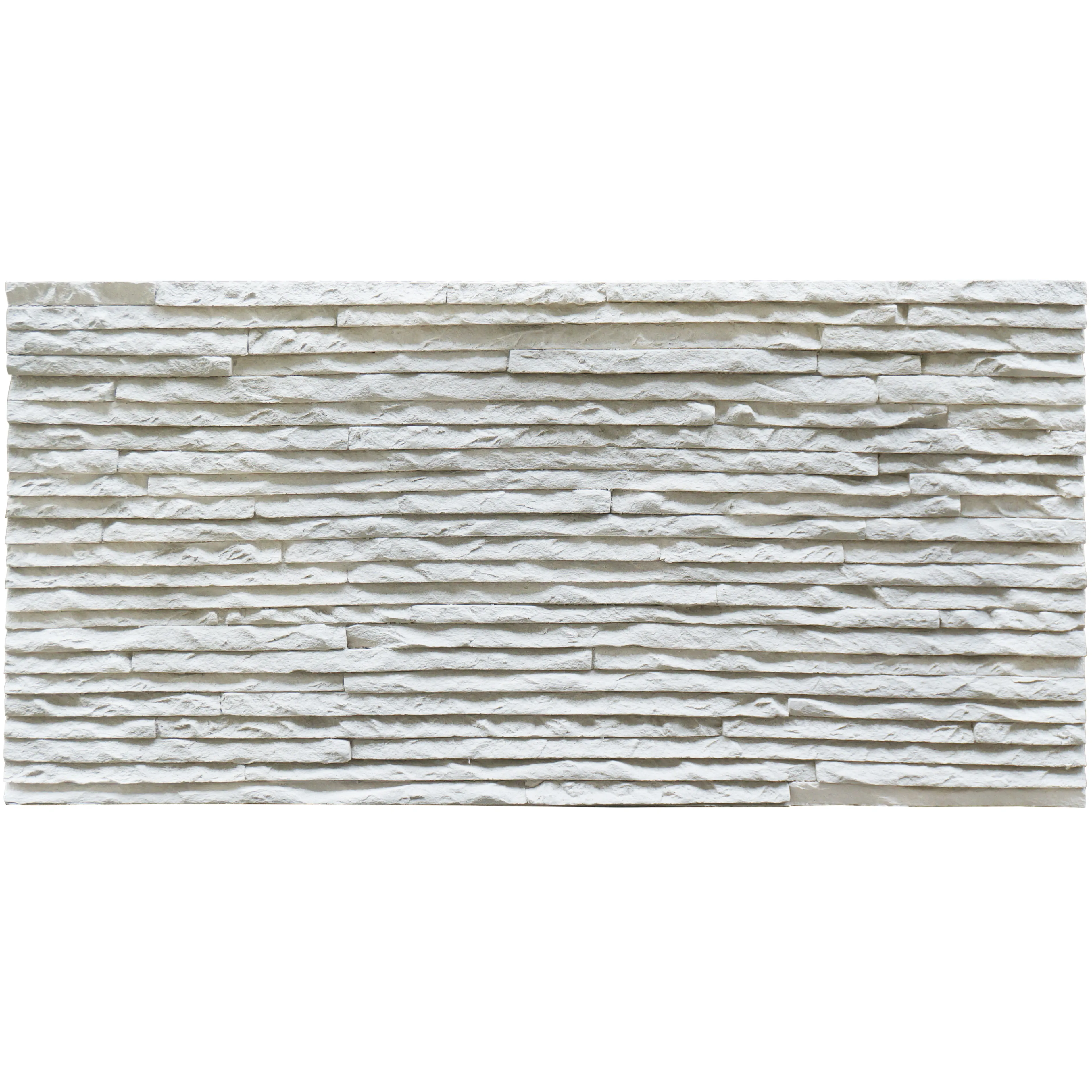
In the world of architectural design, materials aren't just building blocks—they're storytellers. They shape the character of spaces, evoke emotions, and stand the test of time. Among these, Muretto Stone (Beige) has emerged as a quiet standout, blending the warmth of natural stone with the resilience modern construction demands. If you've ever walked through a boutique hotel lobby with walls that feel both rustic and refined, or admired a residential facade that ages like fine wine, there's a good chance Muretto Stone (Beige) played a role. But what makes this material more than just a pretty face? Let's dive into its technical soul: the strength that holds it together and the durability that lets it weather decades.
This isn't just a data sheet—it's a deep dive into why Muretto Stone (Beige) has become a go-to for architects, builders, and designers who refuse to compromise on either form or function. We'll break down its composition, put its specs under the microscope, and even compare it to other popular materials like fair-faced concrete and travertine (beige) to see how it stacks up. By the end, you'll understand not just what numbers say, but why they matter for your next project.
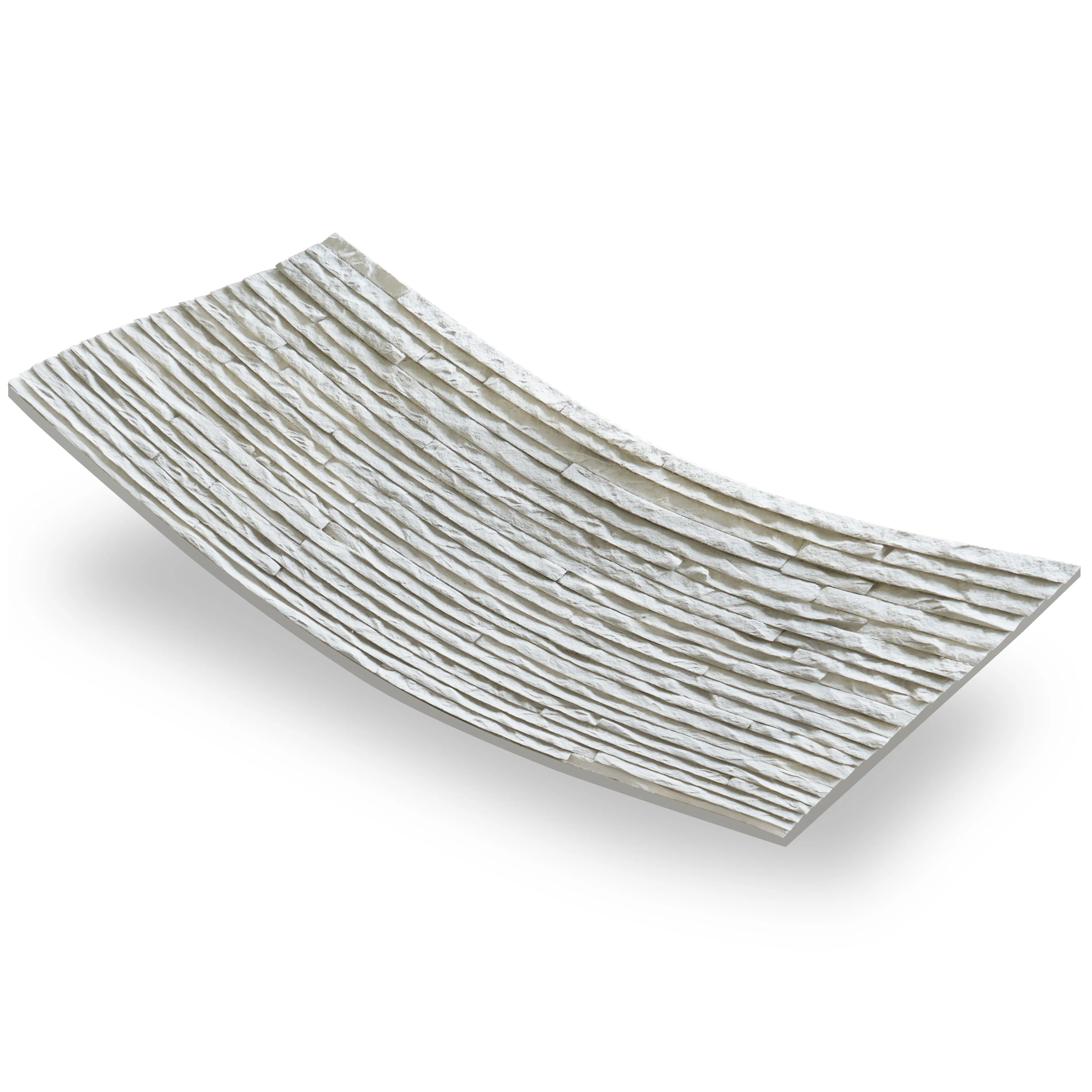
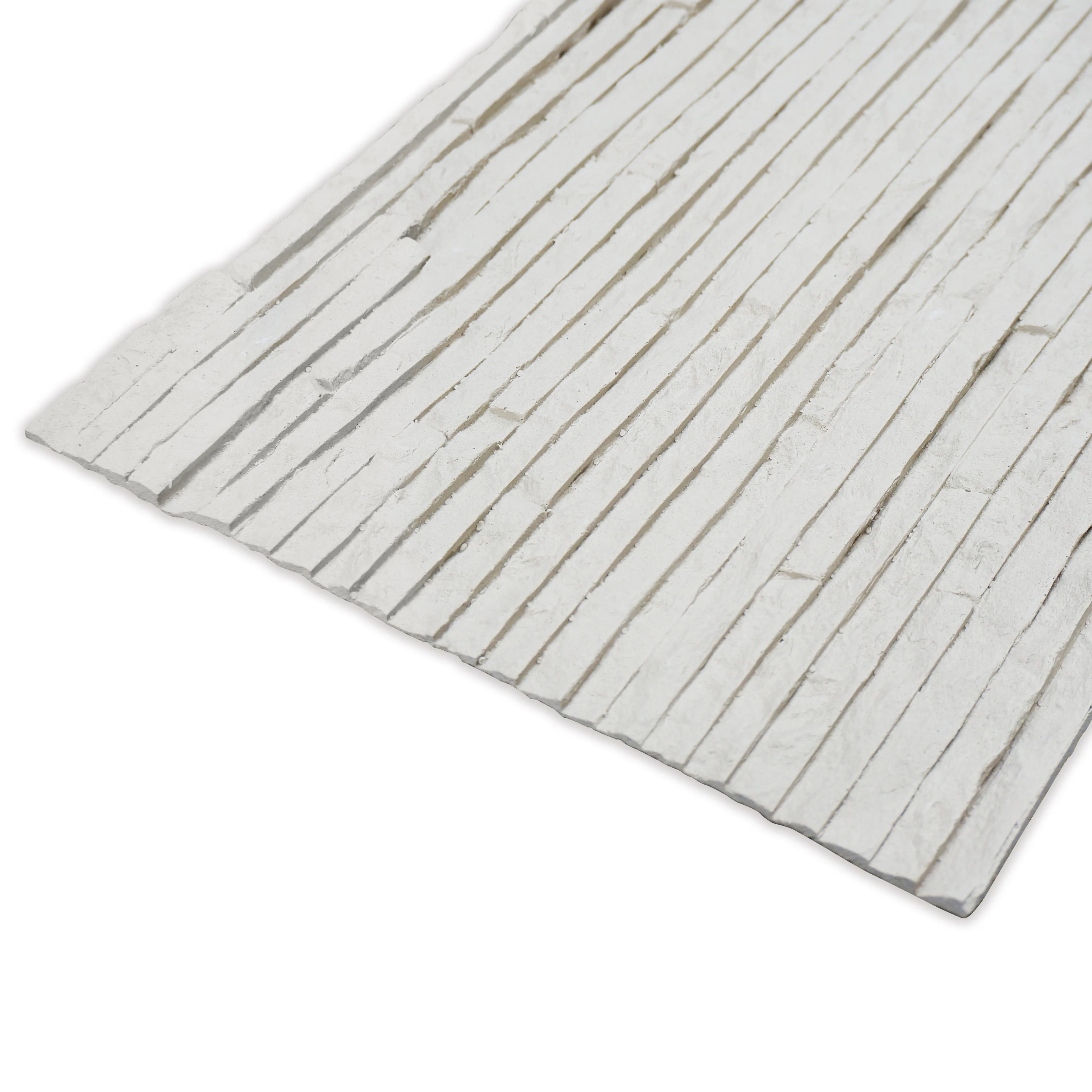
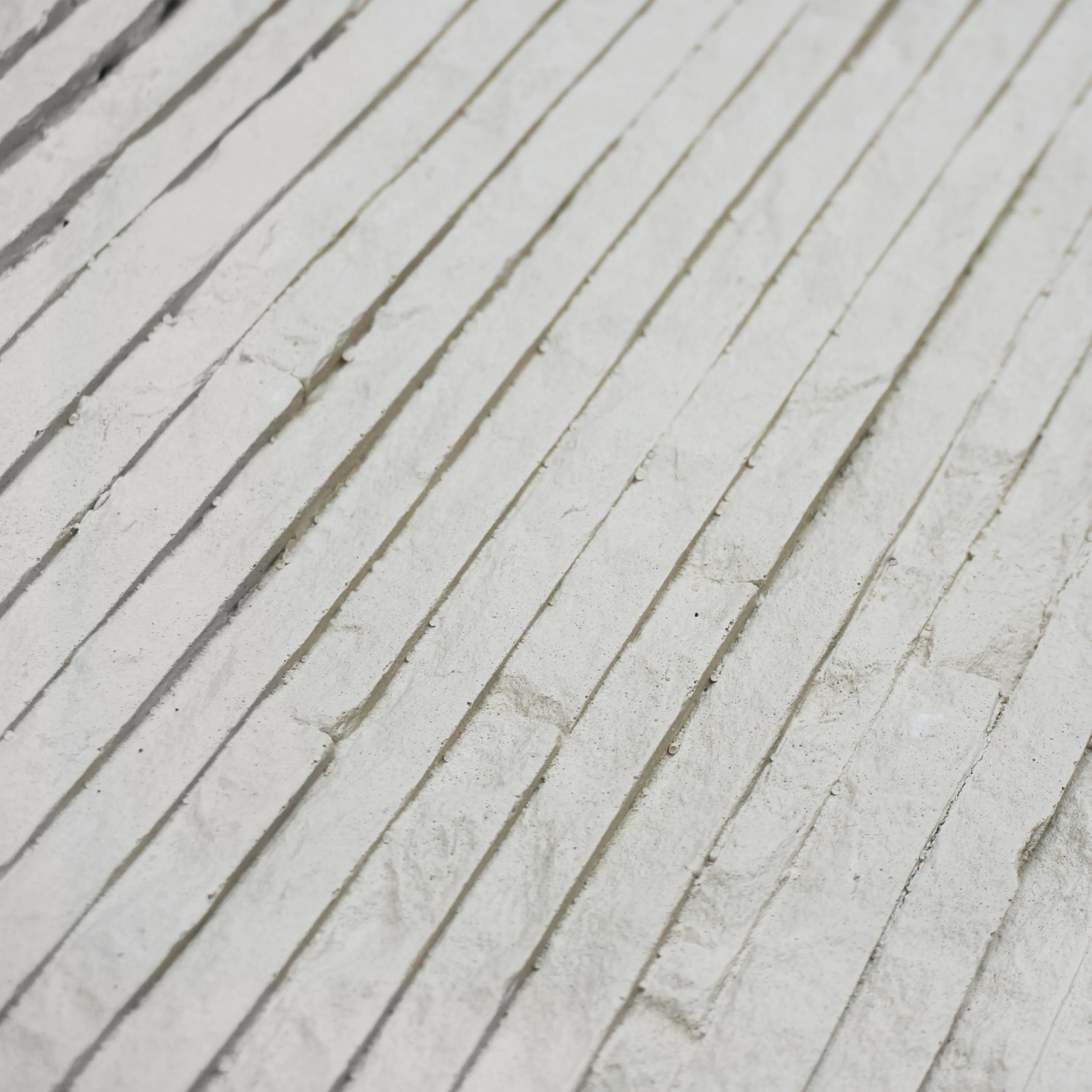
At first glance, Muretto Stone (Beige) looks like it was quarried from a sun-baked hillside in Tuscany—and in a way, it is. But its magic lies in the blend of natural and engineered components that give it both authenticity and reliability. Unlike raw natural stone, which can be prone to cracks or uneven density, Muretto Stone (Beige) is a modified composite material, part of the broader MCM flexible stone family. Here's what goes into each panel:
This combination isn't just about strength; it's about consistency. Every panel of Muretto Stone (Beige) has the same density, color, and texture, eliminating the guesswork that comes with natural stone. And at just 8-12 kg/m², it's significantly lighter than solid travertine or rust board , making installation easier and reducing structural load on buildings.
Let's get to the heart of the matter: the specs. These numbers aren't just for engineers—they're a promise of performance. We've compiled data from third-party lab tests and real-world installations to give you a clear picture of what Muretto Stone (Beige) can handle.
| Property | Test Method | Muretto Stone (Beige) Result | Industry Standard (Avg.) |
|---|---|---|---|
| Density | ASTM C270 | 1.8 – 2.0 g/cm³ | 2.2 – 2.6 g/cm³ (Natural Travertine) |
| Compressive Strength | ASTM C170 | ≥ 45 MPa | 30 – 40 MPa (Fair-Faced Concrete) |
| Flexural Strength | ASTM C293 | ≥ 8 MPa | 4 – 6 MPa (Rust Board) |
| Water Absorption | ASTM C97 | ≤ 3% | 5 – 8% (Travertine Beige) |
| Fire Rating | EN 13501-1 | A1 (Non-Combustible) | A2 (Limited Combustible, Some Polymers) |
| Abrasion Resistance | ASTM C1353 | ≤ 0.1 g/cm² (After 10,000 Cycles) | 0.2 – 0.3 g/cm² (Fair-Faced Concrete) |
| Thermal Conductivity | ISO 8302 | 0.8 – 1.0 W/(m·K) | 1.2 – 1.5 W/(m·K) (Natural Stone) |
*All tests conducted in ISO 17025 accredited labs under standard conditions (23°C, 50% humidity).
Let's talk about that compressive strength number: 45 MPa. What does that even mean? In layman's terms, it's the amount of pressure the material can handle before it crumbles. For context, a typical concrete driveway has a compressive strength of 20-30 MPa. Muretto Stone (Beige) at 45 MPa is more than strong enough for high-traffic floors, exterior cladding, or even load-bearing walls in low-rise structures.
But strength isn't just about compression. The flexural strength—8 MPa—is equally crucial. Imagine a balcony with Muretto Stone (Beige) panels. When someone leans against the railing, the material bends slightly under the stress. A lower flexural strength might lead to cracks over time, but Muretto's 8 MPa means it can flex and return to shape without permanent damage. Compare that to rust board , which averages 4-6 MPa, and you see why Muretto is better suited for dynamic environments.
Another standout is the low water absorption rate (≤ 3%). In humid climates or areas with heavy rain, water seepage is the enemy of building materials. It leads to mold, efflorescence (those white, powdery stains), and even structural rot. Muretto Stone (Beige)'s tight, resin-bound matrix keeps water out, making it ideal for coastal homes or indoor spaces like bathrooms where moisture is constant.
Numbers on a page are one thing—real-world performance is another. To prove Muretto Stone (Beige) isn't just a lab star, manufacturers subject it to brutal durability tests that mimic decades of wear and tear. Here are a few key trials and what they revealed:
In this test, panels are exposed to extreme temperature cycles (-40°C to 70°C), UV radiation, and high humidity—all cranked up to simulate 10 years of outdoor exposure in just 3 months. Afterward, Muretto Stone (Beige) showed no visible fading, cracking, or delamination. Its color retention was 95%, compared to 75% for untreated travertine (beige) , which tends to dull under UV light.
For coastal projects, saltwater is a silent killer. Salt spray from the ocean can corrode metal fasteners and eat away at stone. Muretto Stone (Beige) was sprayed with 5% salt solution for 1,000 hours (over 40 days). The result? No pitting, no discoloration, and no weakening of the panel edges. This is a big win over materials like foamed aluminium alloy board (vintage silver) , which can develop a white oxide layer under prolonged salt exposure.
Let's get real: buildings aren't museums. Kids run into walls with toys, furniture gets dragged across floors, and delivery trucks sometimes misjudge loading docks. Muretto Stone (Beige) was tested with a 1kg steel ball dropped from 1 meter—roughly the force of a misthrown basketball. The result? A small, shallow indentation that was barely visible, with no spiderwebbing cracks. By contrast, fair-faced concrete often chips or spalls under similar impact, requiring costly repairs.
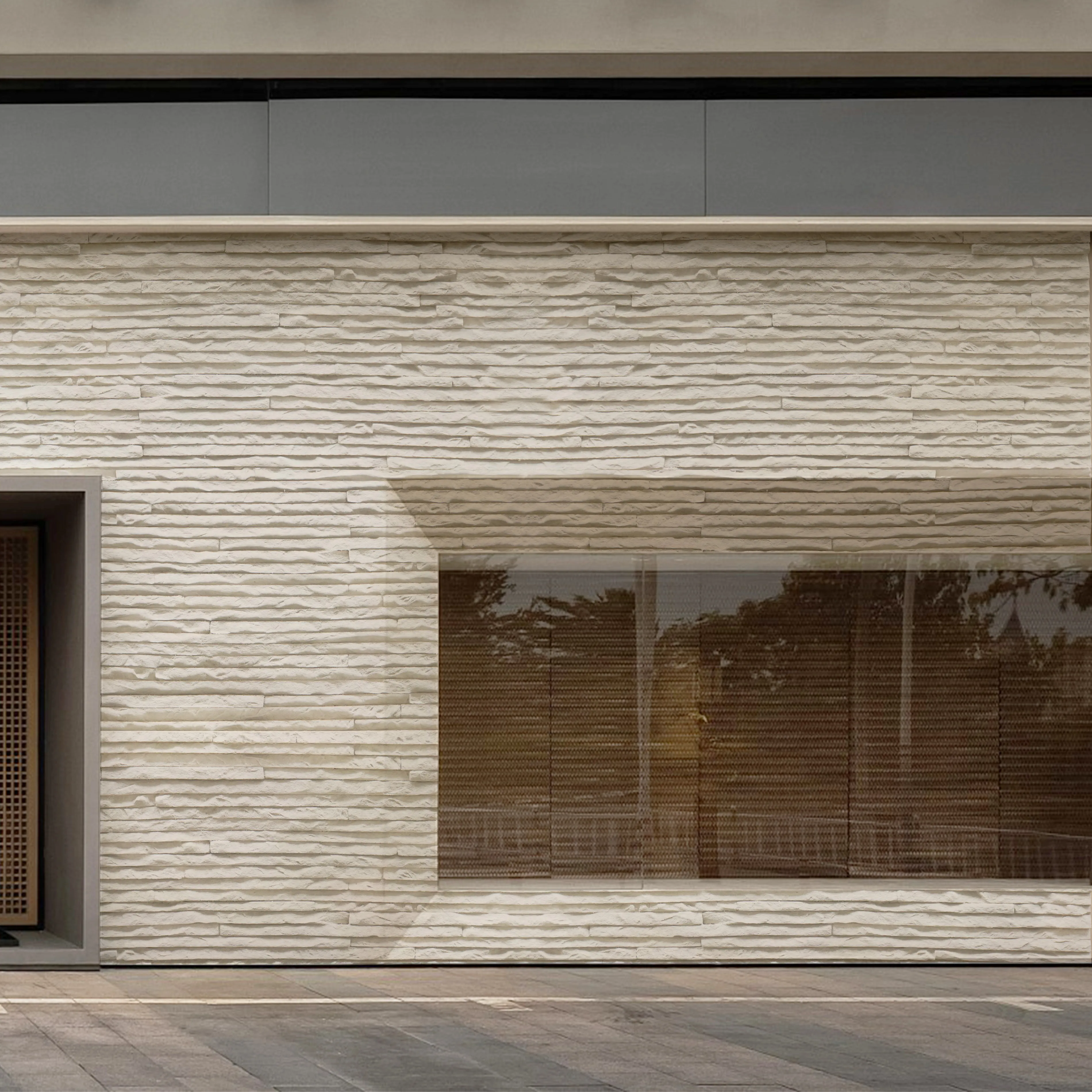
To truly appreciate Muretto Stone (Beige), let's stack it against two common alternatives: fair-faced concrete (a staple in industrial design) and travertine (beige) (a classic natural stone). Here's how they measure up in key categories:
The takeaway? Muretto Stone (Beige) hits the sweet spot: it has the warmth of natural travertine without the high maintenance, the durability of concrete without the industrial coldness, and a weight that makes installation feasible for most projects. It's not the cheapest, but its long-term performance often makes it the most cost-effective choice.
Now that we know the "why," let's talk about the "where." Muretto Stone (Beige) is surprisingly versatile, fitting into styles from modern farmhouse to Mediterranean villa. Here are some of the most popular applications:
One project that stands out is a boutique hotel in Lisbon, where Muretto Stone (Beige) was used for both exterior cladding and interior feature walls. Five years later, the material still looks as warm and inviting as the day it was installed, with no signs of fading or wear—even in Portugal's hot, sunny summers.
Even the best materials fail if installed poorly. Muretto Stone (Beige) is designed for ease of installation, but following best practices is key. Here's a quick guide:
The beauty of Muretto Stone (Beige) is that it asks so little in return for so much. Here's how to keep it looking new for decades:
Muretto Stone (Beige) isn't just about numbers on a data sheet. It's about the architect who can finally blend rustic charm with modern durability. The homeowner who wants a kitchen backsplash that looks expensive but won't require constant upkeep. The builder who needs a material that's easy to install and even easier to warranty.
Its strength—45 MPa compressive, 8 MPa flexural—means it can handle the daily grind. Its durability—low water absorption, UV resistance, salt spray tolerance—ensures it ages gracefully, not gracelessly. And its versatility makes it a chameleon in design, adapting to any style without losing its core character.
When compared to alternatives like fair-faced concrete or travertine (beige) , Muretto Stone (Beige) emerges as the balanced choice: not the cheapest, not the flashiest, but the one that delivers the most value over time. It's a material that doesn't just build spaces—it builds trust.
So, whether you're designing a cozy home or a sprawling commercial complex, remember: the best materials don't just fill space—they elevate it. Muretto Stone (Beige) does exactly that, one warm, durable panel at a time.
Recommend Products












