
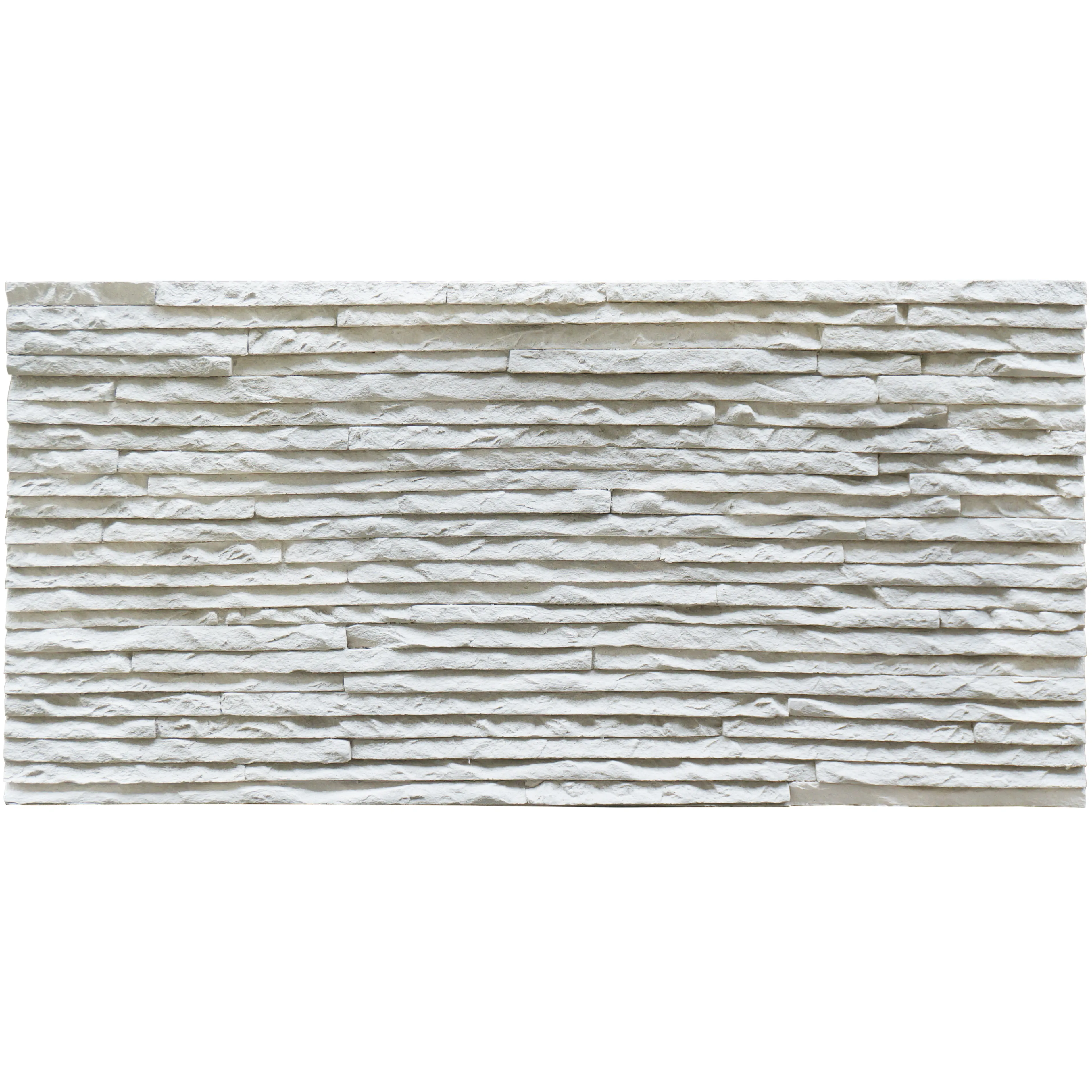
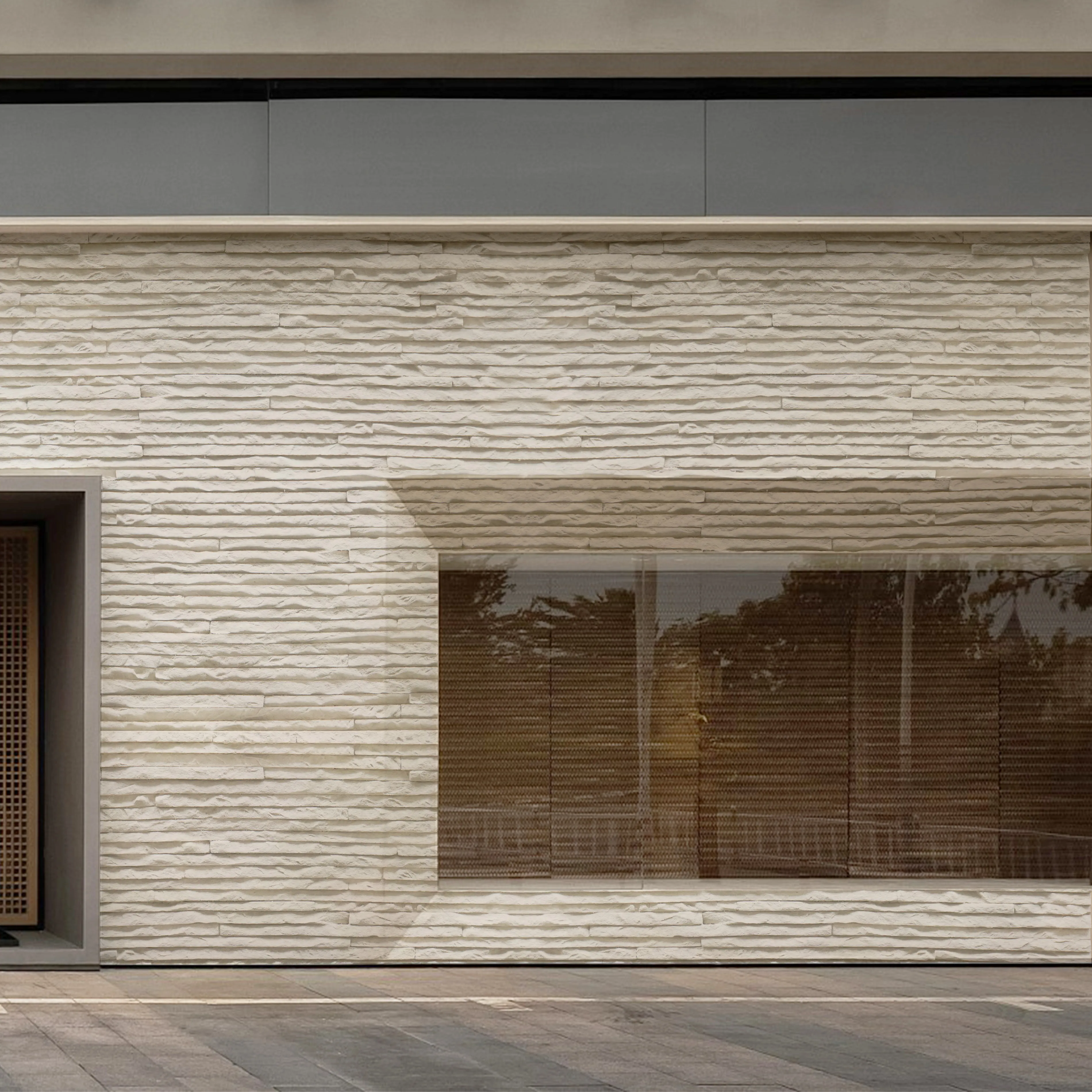
Every space tells a story—and the materials we choose write its first chapter. When it comes to adding warmth, texture, and timeless appeal to walls, floors, or facades, Muretto Stone (Beige) has emerged as a favorite among designers, homeowners, and contractors alike. Its soft, earthy hue evokes the calm of sunlit meadows and the coziness of a well-loved cottage, making it versatile enough for modern lofts, rustic villas, and everything in between. But here's the thing: even the most beautiful stone can fall flat if its thickness isn't right for the job. Thickness isn't just a number on a spec sheet; it's the quiet architect of durability, ease of installation, and visual balance. Let's dive into why thickness matters, explore the options available for Muretto Stone (Beige), and help you pick the perfect panel to bring your vision to life.
Think about the last time you walked into a room and felt instantly "at home." Chances are, the walls had something to do with it—not just their color, but their presence. A wall that feels flimsy can make a space feel temporary; one that's overly bulky can crush a room's airiness. Thickness is the sweet spot between these two extremes. For Muretto Stone (Beige), a panel's thickness dictates how it holds up over time, how easy it is to install, and even how it interacts with light. Let's break it down:
Outdoor walls face rain, wind, and temperature swings; indoor accent walls take hits from furniture, curious kids, or the occasional stray soccer ball. A thicker panel adds layers of protection. Muretto Stone (Beige), crafted from MCM flexible stone , already boasts impressive resilience thanks to its modified composite material core, but thickness amplifies that. Thicker panels resist cracks, dents, and warping, ensuring your investment looks fresh for decades.
Contractors will tell you: nobody wants to wrestle with overly heavy panels on a tight deadline. Thinner Muretto Stone (Beige) sheets are lighter, making them a breeze to transport up stairwells or onto scaffolding. But go too thin, and you risk flexing or damaging the panel during installation. It's a dance between strength and manageability—and getting the thickness right keeps the process smooth (and your contractor happy).
Design isn't just about color; it's about texture and proportion. A 6mm-thick Muretto Stone (Beige) panel lies flat against the wall, creating a sleek, almost paper-thin illusion that's perfect for minimalist spaces. Step up to 12mm, and suddenly the stone has depth—it casts soft shadows, catches light differently, and feels more "present" in the room. It's the difference between a wall that "exists" and one that commands attention .
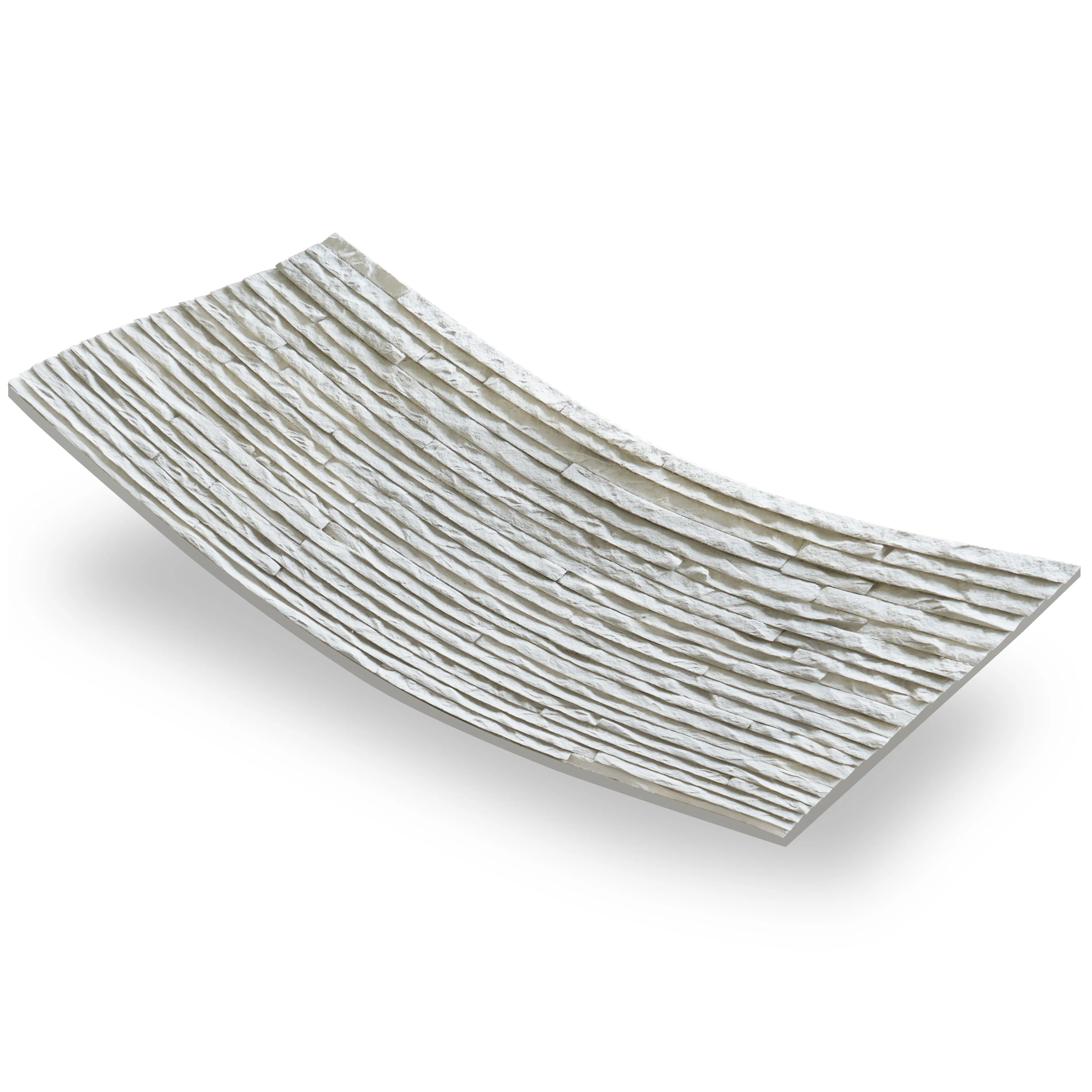
Muretto Stone (Beige) isn't a one-size-fits-all material—and neither are its thicknesses. Whether you're cladding a bathroom backsplash or an entire commercial facade, there's a thickness tailored to your project. Let's walk through the most common options, what they're best for, and why they might (or might not) work for you.
| Thickness | Best For | Key Benefits | Considerations |
|---|---|---|---|
| 6mm | Indoor accent walls, backsplashes, furniture facades | Ultra-lightweight (easy to install on drywall), sleek profile, budget-friendly | Not ideal for high-impact areas; requires a perfectly flat substrate |
| 8mm | Living room walls, bedroom headboards, retail store interiors | Balances durability and weight; works with most substrates (plywood, concrete) | Still too thin for exterior use in harsh climates |
| 10mm | Outdoor patios, garage exteriors, commercial lobbies | Withstands rain, UV rays, and light impacts; adds subtle depth to large surfaces | Requires stronger adhesive; heavier than 6-8mm (plan for 2-person installation) |
| 12mm | Exterior facades, pool surrounds, high-traffic commercial spaces | Maximum durability; resists extreme weather and heavy wear; creates bold texture | Heaviest option; needs structural support (e.g., cement board backing) for vertical use |
*All thicknesses are based on standard MCM flexible stone technology, which combines natural stone aggregates with a reinforced polymer core for flexibility and strength.
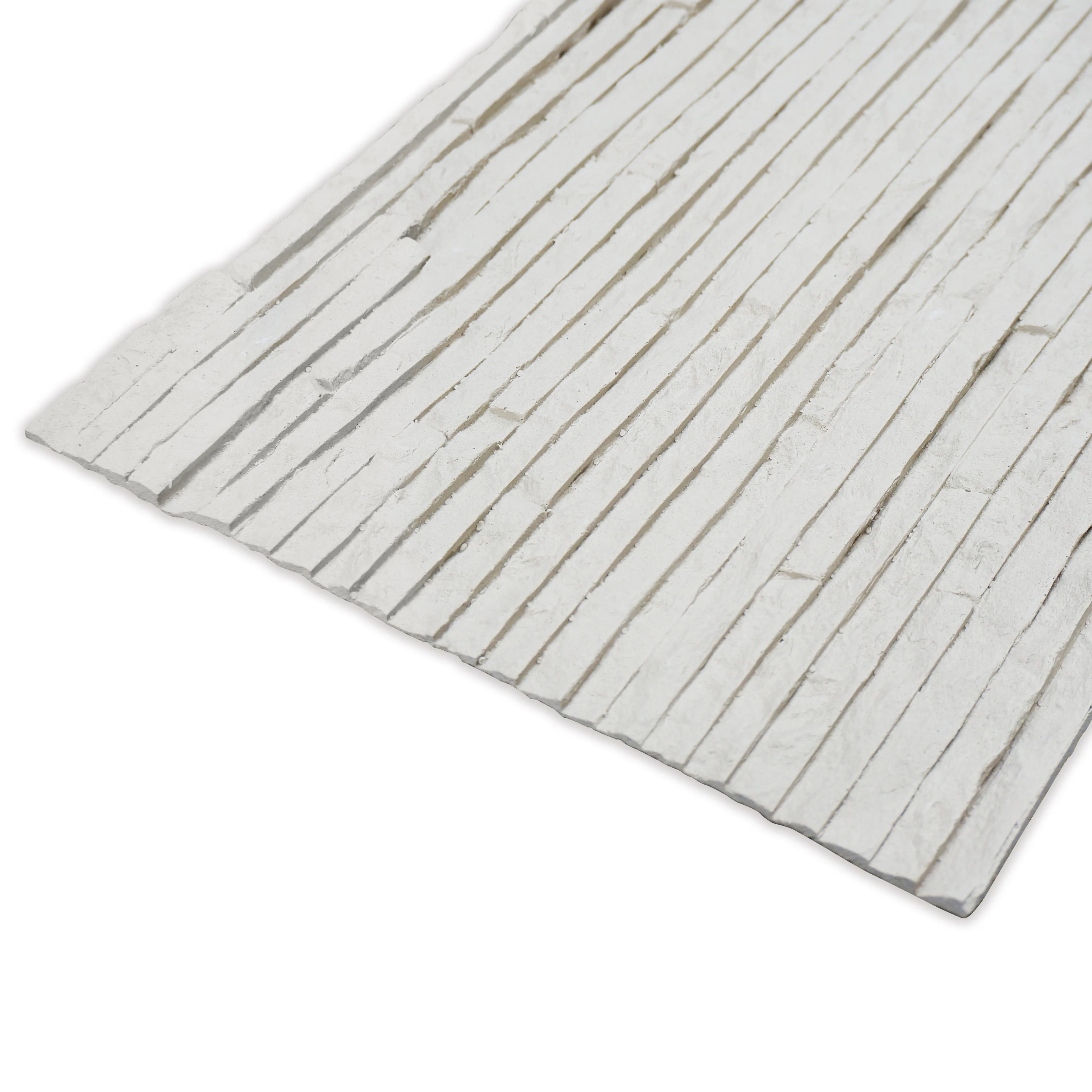
Choosing a thickness isn't about picking the "best" option—it's about picking the right one for your project. Here are five questions to guide your decision:
Indoor spaces (like a kitchen backsplash) can often get away with 6-8mm panels, since they're sheltered from the elements. Outdoor areas? Think 10-12mm. For example, a patio wall exposed to rain and snow needs the extra heft of 12mm to avoid water seepage or cracking. Even covered porches benefit from thicker panels—humidity and temperature swings can take a toll over time.
Drywall or thin plywood can't support heavy 12mm panels—they'll sag over time. Stick to 6-8mm here. Concrete or cement board, though? They're sturdy enough for 10-12mm. If you're unsure, ask your contractor to test the substrate's load capacity. It's better to be safe than to deal with loose panels later.
A powder room wall might see nothing harsher than a towel brush—6mm works. But a kids' playroom? A garage where bikes get leaned against walls? Go 10mm. I once worked with a client who chose 8mm for their mudroom, and within a year, the panels had small dents from boots and backpacks. We replaced them with 10mm, and they've held up perfectly since.
Minimalist or Scandi-inspired? 6-8mm keeps the look clean and uncluttered. Rustic, industrial, or Mediterranean? 10-12mm adds the "hand-chiseled" depth that makes those styles sing. Pair 12mm Muretto Stone (Beige) with rammed earth board (another earthy favorite) for a warm, organic exterior that feels like it's been there for centuries.
Thicker panels cost more—both in material and installation (thanks to heavier lifting and stronger adhesives). If you're working with a tight budget, 6-8mm lets you get the Muretto Stone (Beige) look without breaking the bank. Just prioritize high-impact areas: splurge on 10mm for the fireplace surround, save with 6mm for the guest bedroom accent wall.
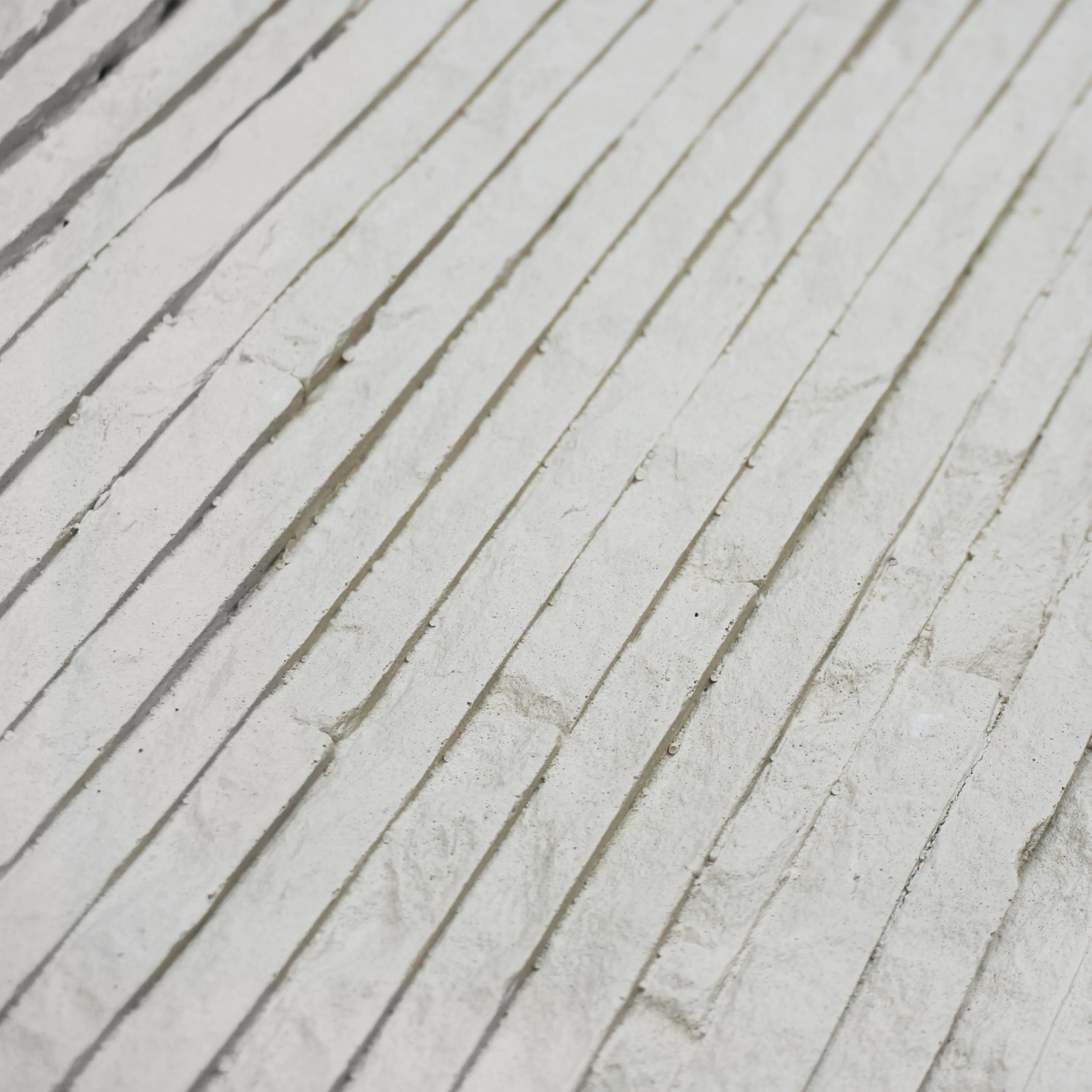
Still on the fence? Let's look at three projects where choosing the right Muretto Stone (Beige) thickness turned a good design into a great one.
When Sarah, a homeowner in upstate New York, renovated her 1920s cottage, she wanted to keep the charm but add modern durability. Her kitchen backsplash was a priority—she loved Muretto Stone (Beige) for its soft color, which complemented her wooden cabinets. Her contractor recommended 8mm panels: "Thin enough to install over the existing drywall without adding bulk, but thick enough to handle splatters and scrubbing," he said. Two years later, Sarah's backsplash still looks brand-new. "I was worried about chips from pots and pans, but it's held up better than my old tile," she laughs. "And it feels so much warmer than stainless steel!"
A boutique clothing store in downtown Chicago needed a facade that would stand out on a busy street. The designer chose Muretto Stone (Beige) for its neutral backdrop, which let the store's colorful merchandise pop. But with thousands of pedestrians passing by daily (and the occasional stray shopping cart), durability was key. They went with 10mm panels. "We needed something that could take a bump but still look refined," the designer explained. "10mm was perfect—sturdy enough to handle the foot traffic, but not so thick that it made the narrow storefront feel cramped." Today, the facade still looks fresh, even after harsh Chicago winters and summer heatwaves.
Mark and Lisa built their dream home on the coast of Maine, where salt spray, high winds, and freezing rain are part of life. They fell in love with Muretto Stone (Beige) for their exterior walls, but knew they needed maximum protection. "Our contractor said 12mm was non-negotiable," Lisa recalls. "He'd seen thinner panels fail in coastal areas—water seeps in, and the stone starts to peel." They paired the 12mm Muretto Stone (Beige) with travertine (starry blue) accents for a beachy twist. Three years later, the exterior hasn't faded, cracked, or warped. "We get compliments all the time," Mark says. "And we never worry about storms—those panels are rock solid."
No material exists in a vacuum—and Muretto Stone (Beige) plays well with others. Here are a few pairings that shine, depending on your thickness choice:
Fair-faced concrete's raw, industrial vibe balances Muretto Stone (Beige)'s warmth. Use 6mm Muretto on a bedroom wall and fair-faced concrete for the adjacent desk surface—sleek, modern, and surprisingly cozy.
The metallic sheen of vintage silver foamed aluminium adds a contemporary edge to Muretto's earthiness. Perfect for a patio wall: 10mm Muretto for the base, aluminium panels for the upper half. It's like bringing the outdoors in, but with a modern twist.
Historical Pathfinders Stone has a weathered, timeworn look that pairs beautifully with Muretto's soft beige. Use 12mm Muretto for the main facade and Pathfinders Stone for the chimney or entryway pillars—your home will look like it's been rooted in the landscape for generations.
At the end of the day, Muretto Stone (Beige) is more than a pretty face—it's a material that adapts to your needs, your space, and your story. Whether you choose 6mm for a minimalist nook or 12mm for a fortress-like exterior, the right thickness ensures that beauty and durability go hand in hand. So take your time, ask the tough questions, and don't be afraid to mix and match. After all, the best projects aren't just built—they're crafted, with care, detail, and a little help from the right materials.
Ready to start your project? Reach out to a local supplier to request samples of different thicknesses. Run your hand over them, hold them up to the light, and imagine them in your space. Trust me—you'll know which one feels like home.
Recommend Products












