
Let's be real—bathroom renovations can feel like walking a tightrope. On one side, you've got dreams of a space that feels like a mini spa, where every tile and texture makes you smile when you step in. On the other? The budget spreadsheet staring back at you, reminding you that "spa-like" often comes with a price tag. If you've found yourself stuck between choosing materials that look amazing and those that won't break the bank, you're not alone. Today, we're diving deep into two popular options: Muretto Stone (Beige) and the ever-familiar ceramic tiles . We'll break down their costs, from the initial price tag to long-term upkeep, so you can decide which one fits your project (and wallet) best.
But first, let's get one thing straight: This isn't just about numbers. It's about investing in a space you'll use every day. Whether you're renovating a tiny guest bathroom or gutting your master en suite, the materials you choose will shape how that room feels for years to come. So grab a cup of coffee, and let's start by understanding what makes these two materials tick.
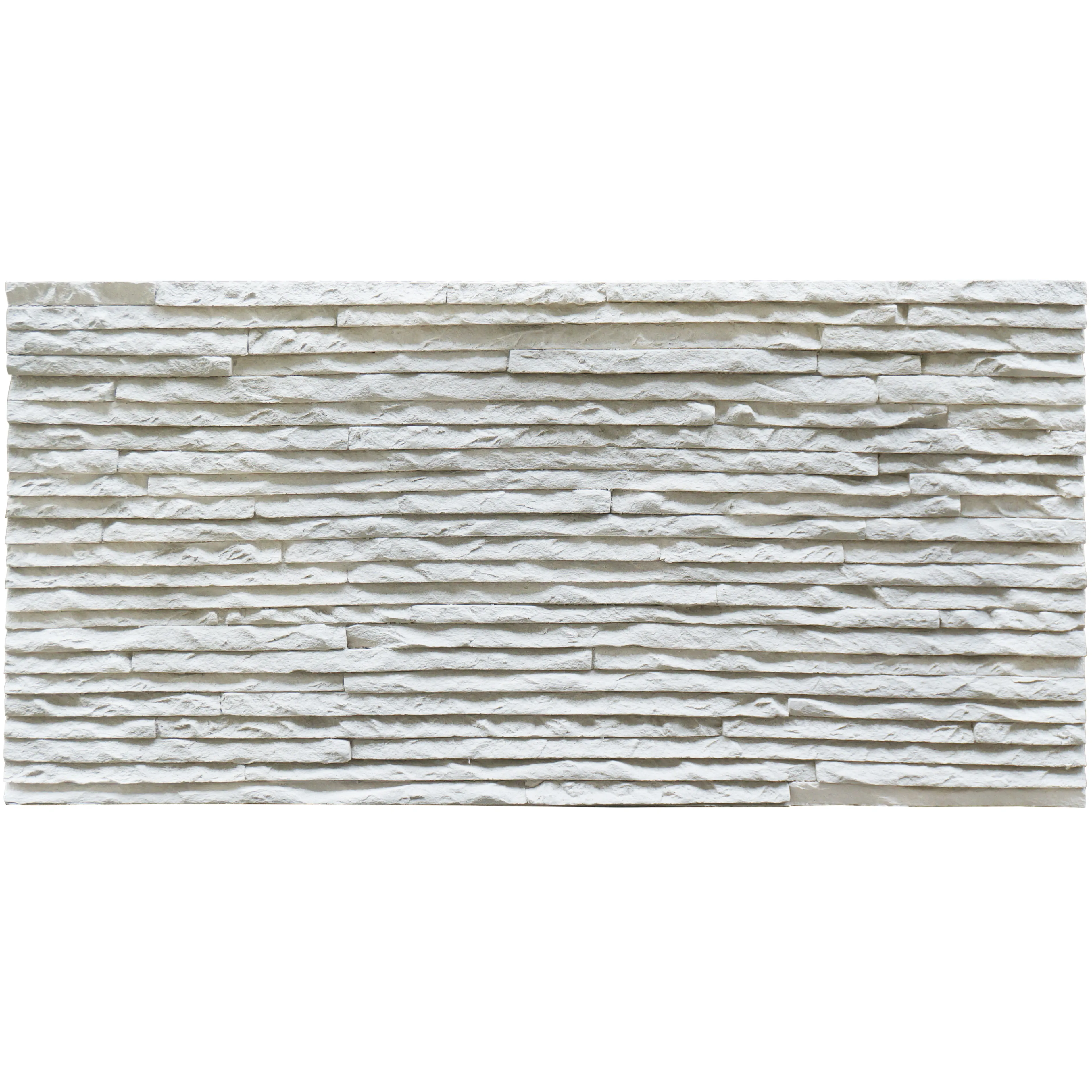
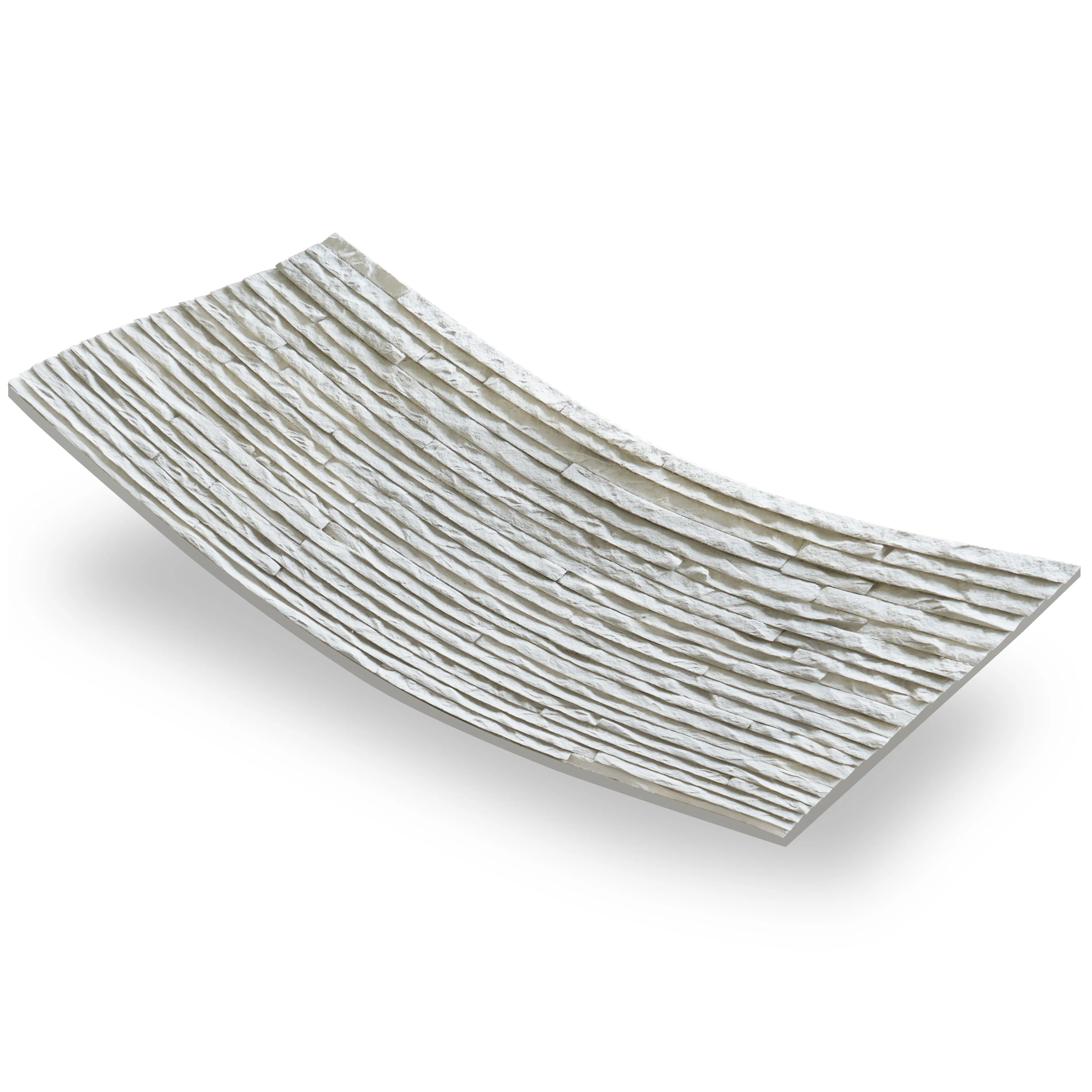
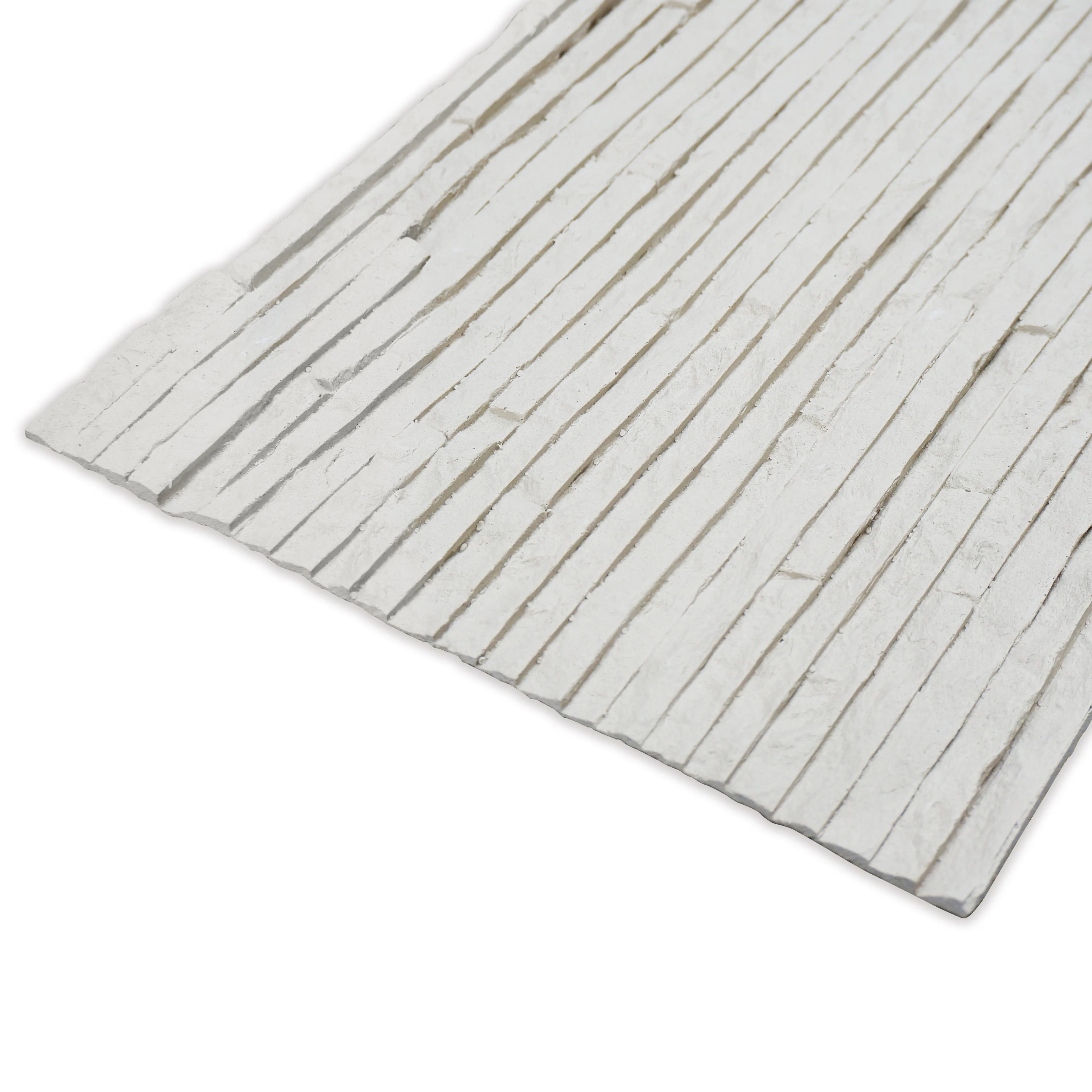
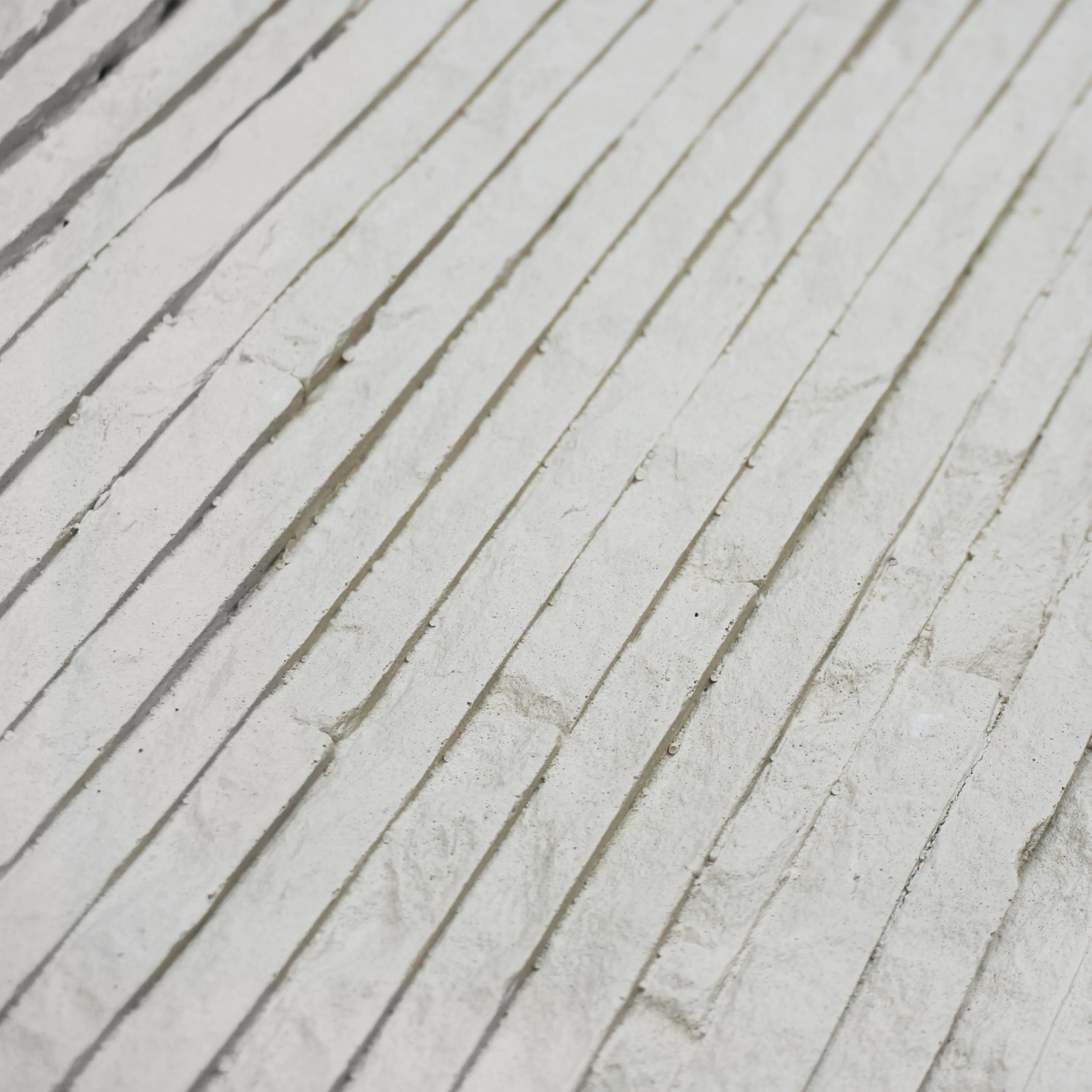
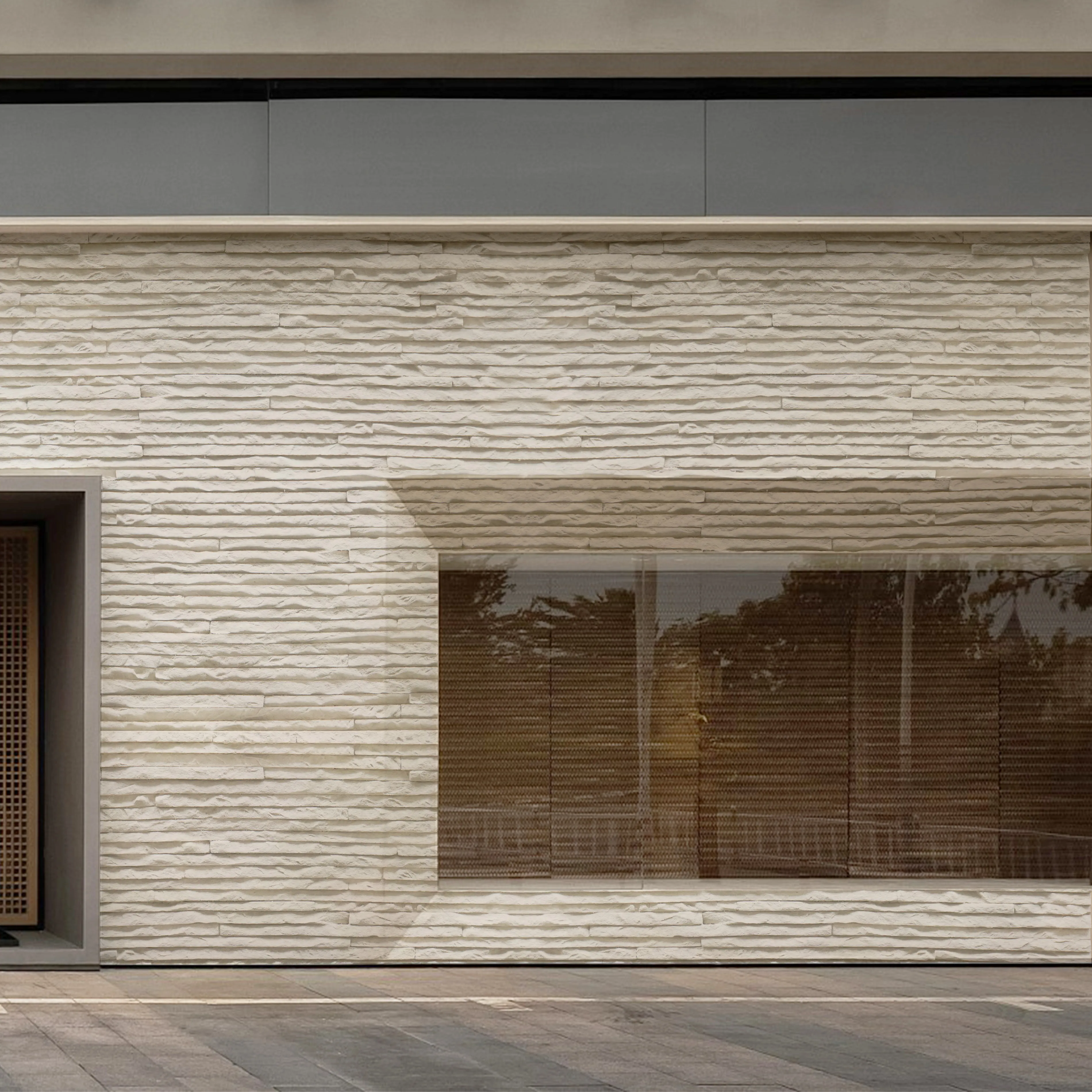
If you haven't heard of Muretto Stone (Beige) before, you're not alone—but once you see it, you might find yourself hooked. Picture this: a warm, earthy beige stone with a subtle, textured surface that looks like it was plucked straight from a sunlit Italian villa. It's part of MCM's lineup of masonry stone products, designed to mimic the charm of traditional European stonework but with modern durability. Unlike some synthetic materials that feel plasticky, Muretto Stone (Beige) has depth—tiny variations in color, gentle ridges, and a matte finish that softens light instead of reflecting it harshly. It's the kind of material that makes a bathroom feel cozy, not clinical.
But what really sets it apart? Muretto Stone (Beige) is a modified composite material, which means it's made by blending natural stone aggregates with polymers to strength without losing that authentic stone look. That combo makes it lighter than full natural stone (good for installation) and more resistant to cracks, chips, and water damage—key for a bathroom, where moisture is always lingering. Homeowners who lean into the "organic modern" or "rustic luxury" aesthetic can't get enough of it, and it's easy to see why: it pairs beautifully with wood grain board accents, brass fixtures, or even sleek black hardware for a balanced look.
Still, let's cut to the chase: all that charm comes with a cost. But is it worth it? Let's hold that thought and take a closer look at the other contender.
Ceramic tiles are the quiet workhorses of bathroom design. Chances are, you've stood on them in hotels, friend's houses, or maybe even your current bathroom. They're everywhere for a reason: they're affordable, versatile, and pretty much built to handle the chaos of daily life. Ceramic tiles are made from clay that's fired at high temperatures, then glazed (or left unglazed) to create different finishes. You can find them in every color under the sun, from crisp whites to bold blues, and in sizes ranging from tiny mosaics to large-format slabs that mimic marble or concrete.
What do people love most about ceramic tiles? The options. Want a retro 1950s vibe? Go for small, hexagonal tiles in pastel pink. Dreaming of a minimalist oasis? Opt for large, matte white tiles with thin grout lines. And let's not forget the price—ceramic tiles are often the go-to for homeowners on a budget, especially when compared to natural stone or specialty materials like fair-faced concrete . They're also low-maintenance: a quick wipe with a damp cloth and some tile cleaner, and they're good as new. No sealing required, no fancy treatments—just simple, reliable functionality.
But they're not perfect. While durable, ceramic tiles can chip if something heavy (like a falling shampoo bottle) hits them just right. And if the grout lines aren't sealed properly, they can stain or grow mold over time. Still, for many, the trade-off between cost and convenience is a no-brainer. So how do these two stack up when it comes to dollars and cents?
Here's where things get real. When we talk about "cost," we're not just talking about the price you pay at the hardware store. We're talking materials, installation, maintenance, and even how much you might shell out 10 years down the line when something needs fixing. Let's break it all down.
First, the material itself. Muretto Stone (Beige) is definitely the pricier option here. On average, you'll pay between $12 and $20 per square foot for the material alone. Why the range? It depends on where you buy it (specialty suppliers might charge more than big-box stores), the thickness of the panels, and whether you opt for custom cuts (which can add $3–$5 per square foot). For a standard 50-square-foot bathroom, that's $600 to $1,000 just for the stone.
Ceramic tiles, on the other hand, start at a much friendlier $2 to $5 per square foot for basic glazed options. If you want something fancier—think large-format tiles with a marble look or hand-painted designs—you might hit $8 to $12 per square foot. But even at the high end, that's still cheaper than Muretto Stone. For that same 50-square-foot bathroom, ceramic tiles would run you $100 to $600, which is a huge difference upfront.
Here's the catch, though: Muretto Stone (Beige) often comes in larger panels (some up to 4x8 feet), which means fewer seams and a more seamless look. Ceramic tiles, especially smaller ones, require more grout lines, which can affect the overall aesthetic. So if you're prioritizing a "luxury" feel, that higher material cost might feel justified.
Materials are just one piece of the puzzle. Installation costs can sneak up on you if you're not prepared. Let's start with Muretto Stone (Beige). Because it's a composite material, it's lighter than natural stone, but it still requires a skilled installer. You can't just grab a DIY YouTube tutorial and wing it—those large panels need precise cutting, and the adhesive has to be applied evenly to prevent air bubbles or shifting over time. Expect to pay $8 to $12 per square foot for installation, which adds $400 to $600 for our 50-square-foot bathroom. Some installers might charge extra if your bathroom has tricky angles, niches, or built-in shelves (looking at you, shower corners).
Ceramic tile installation is more straightforward, but that doesn't mean it's cheap. Basic ceramic tile installation runs $5 to $8 per square foot, but again, it depends on the tile size and complexity. Small mosaic tiles? Those tiny pieces take forever to lay, so installers might charge $10 to $15 per square foot. Large-format tiles (12x24 inches or bigger) are easier to lay but require a perfectly flat subfloor, which might mean extra prep work (like leveling compound) if your current floor is uneven. For our 50-square-foot bathroom, ceramic tile installation could be $250 to $750. So while the material is cheaper, installation can narrow the gap—especially if you're eyeing those fancy mosaic tiles.
Okay, so you've paid for materials and installation—now what? The true cost of a material reveals itself over time. Let's talk maintenance, repairs, and lifespan.
Muretto Stone (Beige) is a low-maintenance star. Its composite makeup resists water, so you won't have to seal it every year like you would with natural marble or travertine . A quick wipe with a mild soap and water is usually all it takes to keep it clean. And because it's durable, chips and cracks are rare. Most manufacturers back it with a 10–15 year warranty, but many homeowners report it lasting 20+ years with proper care. The only real long-term cost? Maybe replacing the grout every 8–10 years, which is standard for any tiled surface.
Ceramic tiles are also low-maintenance, but they're not indestructible. drop a heavy object, and you might end up with a cracked tile. Replacing a single tile isn't too bad ($20–$50 for materials and labor), but if you have a unique tile that's discontinued, you could end up replacing an entire section. Grout is also a nemesis here—even sealed grout can get moldy in humid bathrooms, requiring deep cleaning or regrouting every 5–7 years. Lifespan-wise, ceramic tiles can last 15–20 years, but the glaze on cheaper tiles might start to fade or scratch after 10 years, making the bathroom look dated before its time.
| Material | Average Material Cost (per sq ft) | Average Installation Cost (per sq ft) | Estimated Lifespan | Annual Maintenance Cost |
|---|---|---|---|---|
| Muretto Stone (Beige) | $12–$20 | $8–$12 | 20+ years | $10–$20 (grout cleaning) |
| Ceramic Tiles (Basic) | $2–$5 | $5–$8 | 15–20 years | $20–$40 (grout cleaning, occasional tile replacement) |
| Ceramic Tiles (High-End) | $8–$12 | $10–$15 | 15–20 years | $30–$50 (grout cleaning, specialized cleaners) |
| Fair-Faced Concrete* | $6–$10 | $10–$15 | 50+ years | $50–$100 (sealing every 2–3 years) |
*Included for reference—fair-faced concrete is another durable option but requires more maintenance than Muretto Stone.
Let's do some math to see the total 10-year cost for our 50-square-foot bathroom. For Muretto Stone (Beige):
For high-end ceramic tiles (let's say $12/sq ft material + $15/sq ft installation):
Wait—suddenly the gap closes? That's right. While Muretto Stone has a higher upfront cost, its lower maintenance and longer lifespan mean that over 10 years, it might actually be cheaper than high-end ceramic tiles. And if you go with basic ceramic tiles ($5/sq ft material + $8/sq ft installation), the 10-year total drops to around $1,150—but remember, basic tiles might not last the full 10 years without showing wear, which could mean a full replacement sooner.
Before you run to the store to buy Muretto Stone or ceramic tiles, there are a few wildcards that can swing costs one way or another. Let's talk about them.
Location, Location, Location: If you live in a big city (think New York, Los Angeles, or Chicago), expect to pay more for both materials and installation. Suppliers in urban areas often have higher overhead, and installers charge premium rates for tight schedules and city permits. In smaller towns, you might find materials 10–15% cheaper, and installers might be more flexible on pricing.
Subfloor Prep: Old bathrooms can hide all sorts of surprises—water-damaged subfloors, uneven surfaces, or rotting wood. If your installer has to tear out and replace subfloor material before laying tiles or stone, that's an extra $2–$5 per square foot. Muretto Stone (Beige) is lighter, so it might require less structural support than heavy natural stone, but it still needs a flat base.
Custom Cuts and Design: Love the idea of a herringbone pattern or a decorative border? Custom designs look amazing, but they require more labor. For Muretto Stone, custom cuts (like curved edges for a shower niche) can add $50–$100 per cut. For ceramic tiles, intricate patterns mean more waste (tiles get cut down to fit, and offcuts often can't be reused), so you'll need to buy 10–15% extra material.
Warranty and Brand: Not all Muretto Stone (Beige) or ceramic tiles are created equal. A no-name ceramic tile from a discount store might be $2/sq ft, but it could crack after a year. A reputable brand with a 20-year warranty? That might be $5/sq ft, but it's worth the peace of mind. Same with Muretto Stone—stick to trusted manufacturers like MCM, and you'll avoid cheap imitations that fade or warp.
At the end of the day, there's no "one size fits all" answer. It depends on your priorities, budget, and how you use your bathroom. Let's break it down with a few scenarios:
If you're on a tight budget but want something durable: Basic ceramic tiles are your best bet. They're affordable, easy to replace if needed, and come in enough styles to keep things from feeling boring. Just stick to neutral colors (beige, white, light gray) so they don't look dated in a few years.
If you want luxury and long-term value: Muretto Stone (Beige) is worth the splurge. Its warm, textured look elevates a bathroom from "nice" to "wow," and its durability means you won't be renovating again in 5 years. Plus, if you ever sell your home, unique materials like Muretto Stone can be a selling point for buyers who want something beyond basic tiles.
If you rent or plan to move in 3–5 years: Ceramic tiles are the safer choice. They're universally liked, so they'll appeal to most buyers, and you won't sink too much money into a space you won't keep long-term. Save the Muretto Stone for your forever home.
If you hate cleaning and maintenance: Muretto Stone (Beige) is your new best friend. No sealing, no scrubbing grout for hours—just quick wipe-downs and zero stress. Ceramic tiles aren't high-maintenance, but grout lines can get grimy, especially in showers. If you're short on time (or patience), the extra upfront cost for Muretto Stone will feel like a gift.
Let's circle back to where we started: bathroom renovations are about balancing dreams and dollars. Muretto Stone (Beige) and ceramic tiles both have their strengths—one offers luxury and longevity, the other affordability and versatility. If you value a space that feels unique and requires minimal upkeep, Muretto Stone (Beige) is worth every penny. If budget is your top concern, or you love switching up styles every few years, ceramic tiles give you flexibility without breaking the bank.
Here's the thing no one tells you about home renovations: the materials you choose should make you happy every time you walk in the room. If Muretto Stone (Beige) makes you smile because it feels like a little piece of Tuscany in your bathroom, that joy is priceless. If ceramic tiles let you splurge on a fancy showerhead or heated floors instead, that's a win too.
So grab your measuring tape, talk to a few suppliers, and maybe even order samples (most stores will send you a small piece for free or a nominal fee). Hold the Muretto Stone (Beige) sample next to the ceramic tile, run your hand over the texture, and imagine waking up to it every morning. The right choice will feel obvious once you do.
Happy renovating—your dream bathroom is closer than you think.
Recommend Products












