
When it comes to building materials, two factors can make or break a project: weight and installation efficiency. These aren't just technical details—they shape everything from structural planning to labor costs, and even the final aesthetic of a space. Today, we're diving into a head-to-head comparison between two popular options: Muretto Stone (Beige) , a rising star in modified composite materials, and the tried-and-true Concrete Panels . Let's explore how they stack up, and why one might just be the smarter choice for your next build.
Before we jump into the nitty-gritty, let's get to know our two materials. Think of this as a first impression—what do they bring to the table, and who might they appeal to?
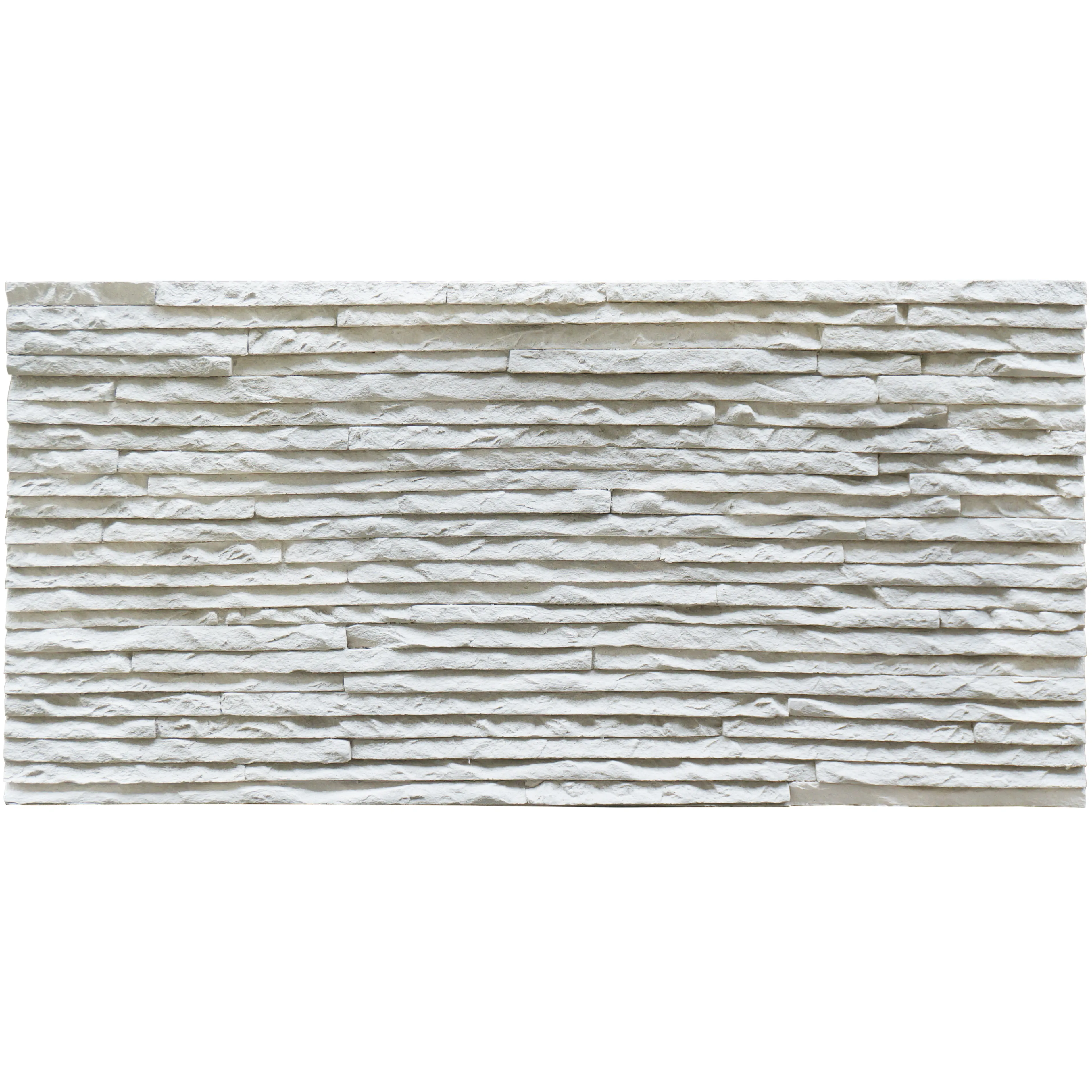
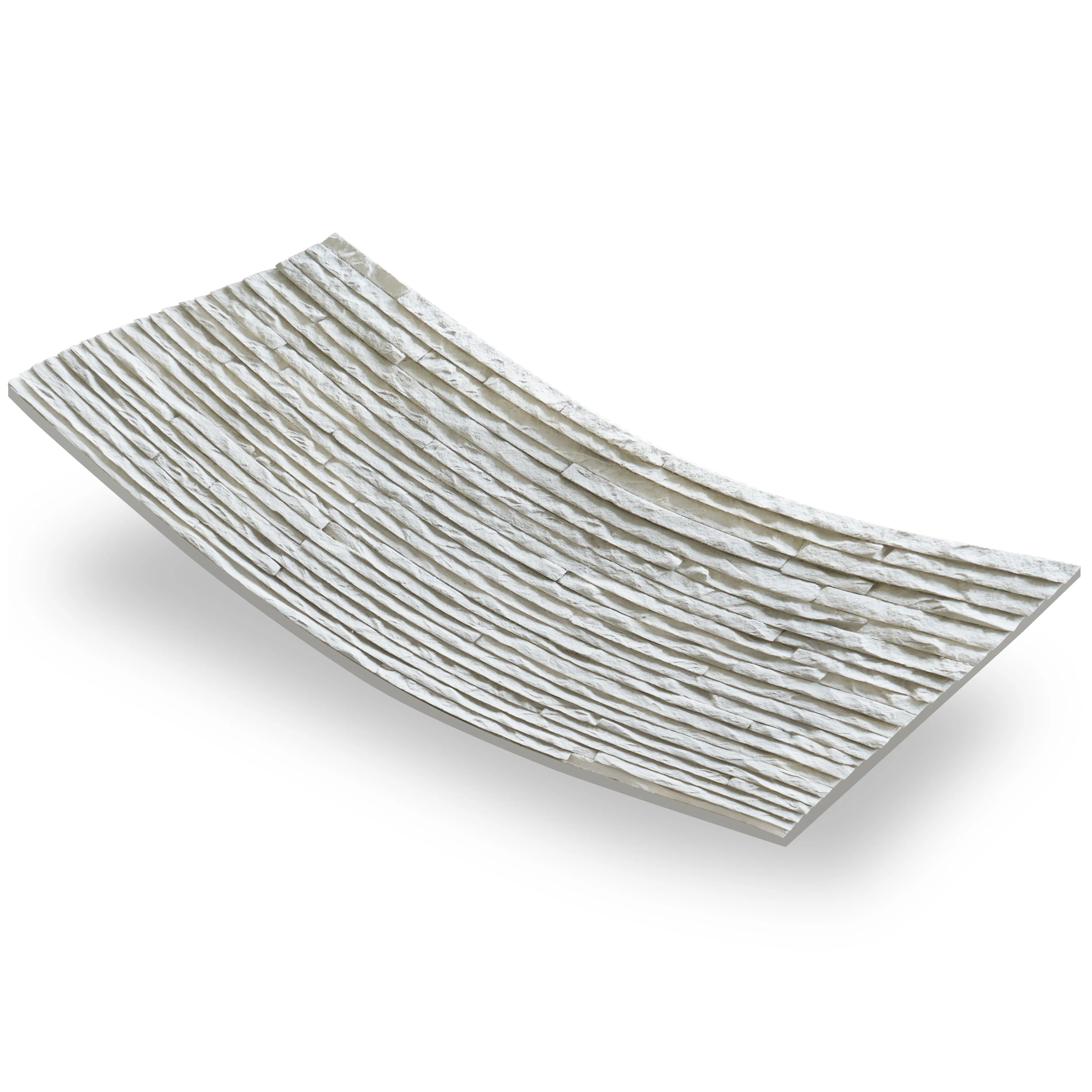
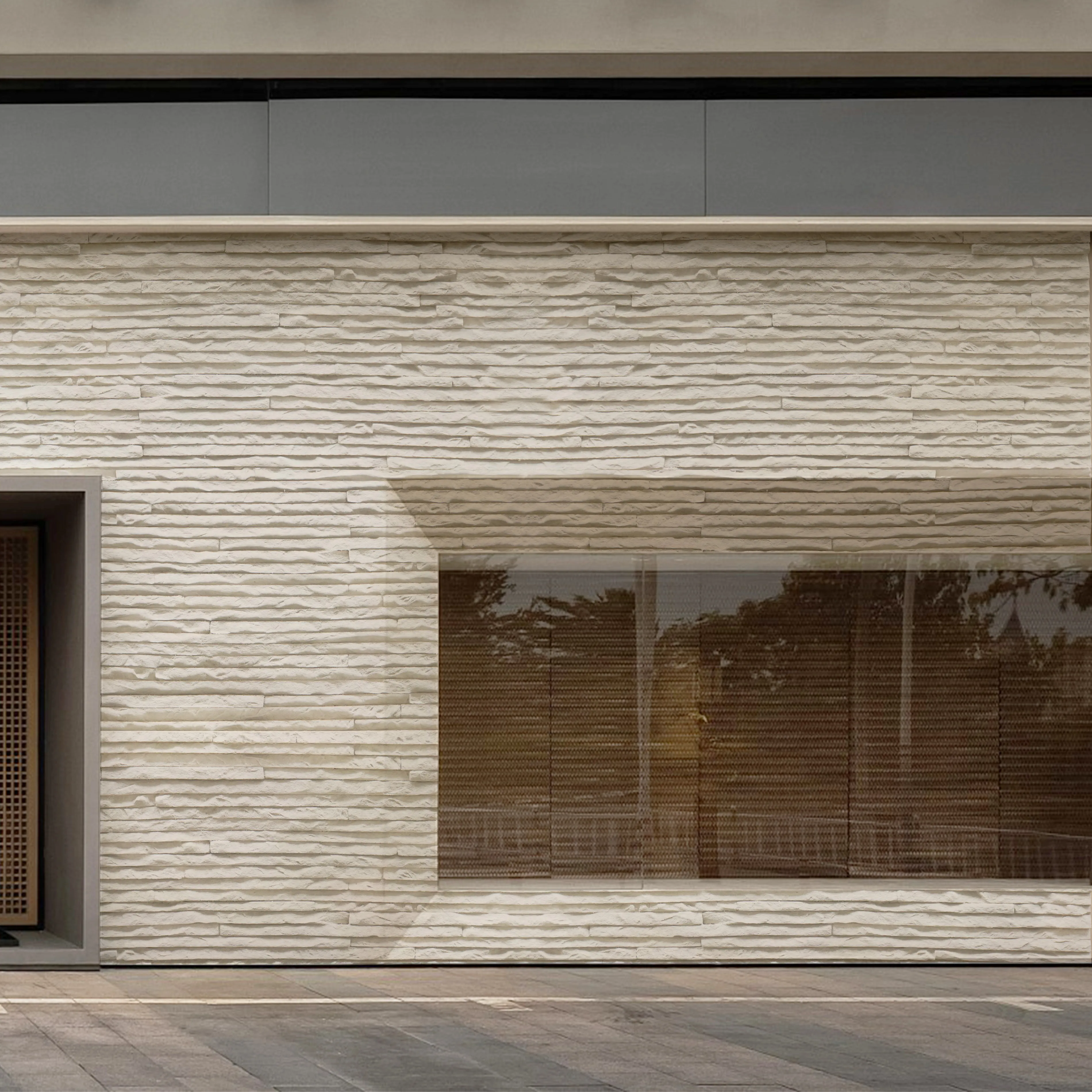
If you've ever walked through a sunlit Italian villa or a cozy rustic café, you might recognize the charm of Muretto Stone (Beige) . Part of MCM's innovative lineup of modified composite materials, this stone captures the essence of traditional masonry with a modern twist. Its warm beige hue—soft, earthy, and versatile—adds a touch of organic elegance to any space, whether you're designing a residential exterior or a commercial lobby. But it's not just about looks: Muretto Stone (Beige) is engineered to be flexible and lightweight , a far cry from the heavy, brittle stone of the past. It's part of MCM's broader flexible stone family, designed to mimic natural stone's beauty without the logistical headaches.
Concrete panels need no introduction. For decades, they've been the backbone of industrial and minimalist design—think sleek office buildings, warehouse conversions, and urban lofts. With their raw, textured surfaces and monochromatic tones, they exude strength and durability. Made from a mix of cement, aggregates, and water, these panels are prized for their structural integrity; they can withstand harsh weather, heavy impacts, and the test of time. But there's a tradeoff: all that strength comes with significant heft. Concrete panels are thick, dense, and notoriously heavy, which can complicate everything from transportation to installation.
Let's talk about weight—a factor that quietly dictates so much of a construction project. From the moment materials leave the factory to the day they're mounted on a wall, weight affects costs, safety, and feasibility. Let's break down how Muretto Stone (Beige) and concrete panels compare.
| Material | Typical Weight (per m²) | Key Implications |
|---|---|---|
| Muretto Stone (Beige) | 8–12 kg |
- Easy to transport (fits more per truck)
- Minimal structural load (no need for reinforced framing) - Safer handling (reduces risk of worker injury) |
| Concrete Panels | 50–80 kg |
- Requires heavy-duty transportation (fewer panels per trip)
- High structural load (needs reinforced walls/foundations) - Riskier handling (requires cranes and specialized equipment) |
Let's put these numbers in perspective. Imagine you're cladding a 500 m² commercial building. With Muretto Stone (Beige), the total weight would be around 4,000–6,000 kg—about the weight of a small truck. With concrete panels? That jumps to 25,000–40,000 kg, or the weight of 3–5 fully loaded trucks. That's a massive difference in transportation costs, not to mention the strain on the building's structure. For high-rise projects or retrofits of older buildings, where every kilogram counts, Muretto's lightweight nature is a game-changer. You won't need to reinforce the existing walls or upgrade the foundation—saving tens of thousands of dollars in structural work.
If weight is the silent constraint, installation efficiency is the loud, deadline-driven reality of construction. Every day saved on-site translates to lower labor costs, fewer delays, and happier clients. Let's see how our two materials stack up when the clock is ticking.
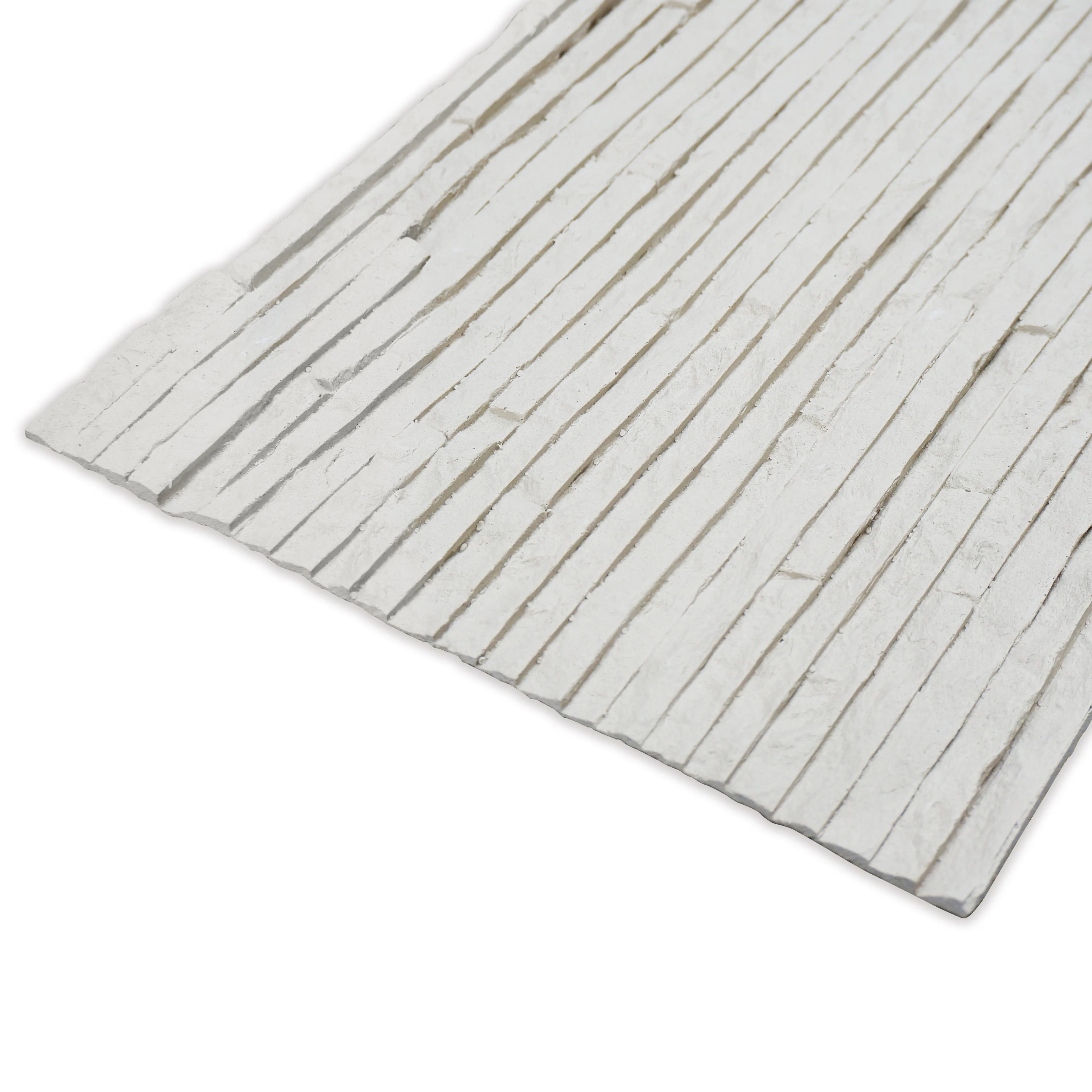
Installing Muretto Stone (Beige) feels almost too easy compared to traditional materials. Thanks to its flexibility and lightweight design, it can be cut on-site with standard tools (no need for heavy saws or water jets). Most installers use simple adhesives or mechanical fasteners, and since the panels are thin (usually 3–5 mm thick), they conform easily to uneven surfaces—no need for perfectly flat walls. A crew of 2–3 people can install 200–300 m² of Muretto in a single day. That's enough to clad an entire house exterior in a week, or a small commercial space in a weekend.
Take the example of a recent hotel renovation in Dubai. The project manager initially planned to use traditional stone for the lobby walls but switched to Muretto Stone (Beige) after learning about its installation speed. The crew finished the 800 m² lobby in just 4 days—half the time estimated for stone—and the client saved $20,000 in labor costs. "We didn't need cranes, we didn't need to close off the lobby for weeks," the contractor noted. "It was like putting up large wallpaper, but with the look of real stone."
Concrete panels, by contrast, demand precision and patience. They're heavy, so you'll need a crane to lift them into place—adding rental costs and scheduling headaches (cranes are often booked weeks in advance). Each panel must be perfectly aligned, and the mounting system (usually steel brackets) requires careful engineering to support the weight. If a panel is cut wrong? You're out the cost of the panel and the time to replace it. A crew might lucky to install 50–100 m² per day, and that's with ideal conditions. Factor in weather delays (concrete can't be installed in rain) or misaligned brackets, and your timeline can stretch from weeks to months.
One commercial builder I spoke with described a project where concrete panel installation dragged on for 6 weeks instead of the planned 3. "We had to wait for the crane, then a panel cracked during lifting, then the rain hit… it was a domino effect," he said. "If we'd gone with a lighter material, we could've stayed on schedule and avoided paying the crew overtime."
I can almost hear the skepticism: "If Muretto is so light, is it strong enough?" It's a fair question. After all, building materials need to stand up to rain, wind, UV rays, and the occasional stray basketball. Let's put those fears to rest.
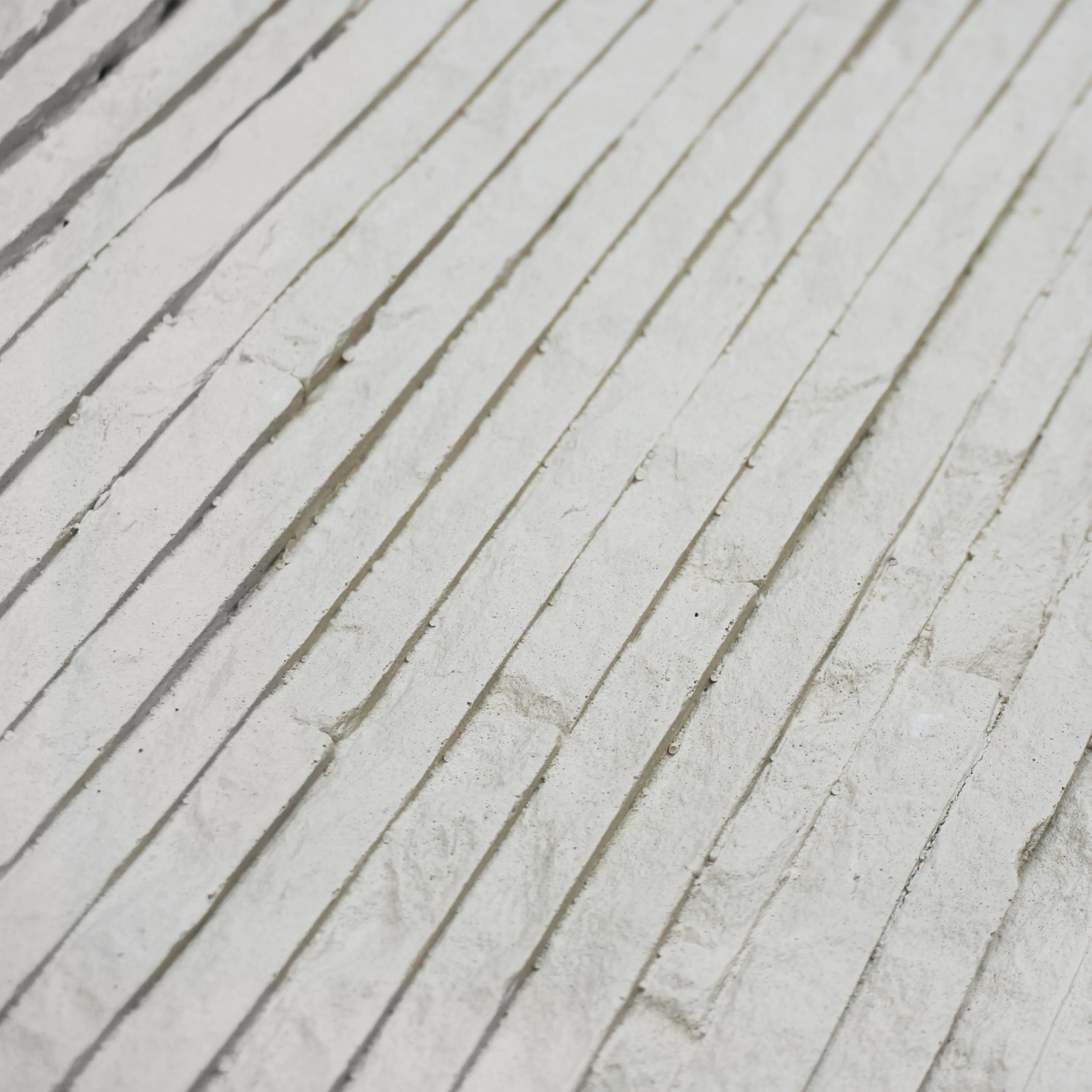
Muretto Stone (Beige) is made from a modified composite material—a blend of natural stone particles, polymers, and reinforcing fibers. This isn't cheap plastic; it's engineered to be impact-resistant, water-resistant, and UV-stable. In lab tests, it withstands temperatures from -40°C to 80°C, resists mold and mildew, and even holds up to pressure washing. I visited a restaurant in Barcelona that's had Muretto cladding for 5 years, and it still looks brand-new—no cracks, no fading, just the same warm beige tone as day one.
Concrete panels, of course, are famously durable—they're used in bridges and highways for a reason. But they're not invincible. Over time, concrete can crack due to thermal expansion, and if not sealed properly, it absorbs water, leading to mold or spalling (surface flaking). Repairs are messy and expensive—you'll need to chisel out the damaged area, mix new concrete, and repaint to match. Muretto, on the other hand, requires almost no maintenance: a quick hose-down with soap once a year is usually enough.
At the end of the day, materials don't just perform—they look good doing it. Let's talk design versatility, because even the most efficient material won't win if it clashes with the vision.
Muretto Stone (Beige) shines here. Its natural, textured surface mimics the depth of real stone, with subtle variations in color that add warmth to any space. It pairs beautifully with other MCM products, too—imagine combining it with Lunar Peak Golden accents for a modern, earthy palette, or with Travertine (Starry Blue) for a bold, artistic feature wall. Since it's flexible, it can be used on curved surfaces, columns, or even ceilings—something concrete panels (rigid and heavy) can't match.
Concrete panels have their own appeal—sleek, industrial, and minimalist. But their texture is limited (usually smooth or lightly brushed), and color options are mostly grays, whites, and blacks. If you're going for a raw, urban look, they work—but if you want warmth, depth, or versatility, Muretto has the edge.
In today's world, sustainability isn't a buzzword—it's a requirement. Clients, regulators, and even consumers care about the environmental impact of building materials. Let's see how Muretto and concrete stack up here.
Muretto Stone (Beige) is a sustainability standout. Its lightweight design reduces transportation emissions (fewer trucks = less fuel). The manufacturing process uses recycled stone particles and low-VOC (volatile organic compound) polymers, and since it's durable, it won't need replacement for decades—reducing waste. MCM also offers take-back programs for old panels, ensuring they're recycled or repurposed.
Concrete, unfortunately, has a bigger carbon footprint. Cement production alone accounts for 8% of global CO₂ emissions, and the heavy transportation only adds to that. While there are eco-friendly concrete mixes (like those with recycled aggregates), they're still heavier and more energy-intensive to produce than Muretto.
Let's recap. Muretto Stone (Beige) is lightweight (8–12 kg/m² vs. 50–80 kg/m² for concrete), installs 2–3 times faster, requires less structural support, offers better design versatility, and has a lower environmental impact. Concrete panels are strong and iconic, but they're heavy, slow to install, and less flexible.
Does that mean concrete panels are obsolete? Not at all. For low-rise industrial buildings where weight isn't a concern and a raw aesthetic is desired, they still have a place. But for most projects—high-rises, retrofits, commercial spaces, or residential builds where time, cost, and design matter—Muretto Stone (Beige) is the smarter choice. It's proof that building materials can be both beautiful and practical, strong and lightweight, efficient and sustainable.
So, the next time you're planning a project, ask yourself: Do I want to spend extra on structural work, crane rentals, and weeks of installation? Or do I want a material that's light, fast, and stunning? For me, the answer is clear. Muretto Stone (Beige) isn't just a building material—it's a better way to build.
Recommend Products












