
In the world of commercial construction, every material choice is a balancing act between aesthetics, durability, and budget. When it comes to cladding—whether for a sleek office tower, a bustling retail center, or a boutique hotel—two names frequently land on the shortlist: Muretto Stone (Beige) and Granite. Both bring unique strengths to the table, but which one truly delivers the best cost-effectiveness for your project? Let's break down the details, from upfront costs to long-term value, and help you decide which material deserves a spot in your next build.
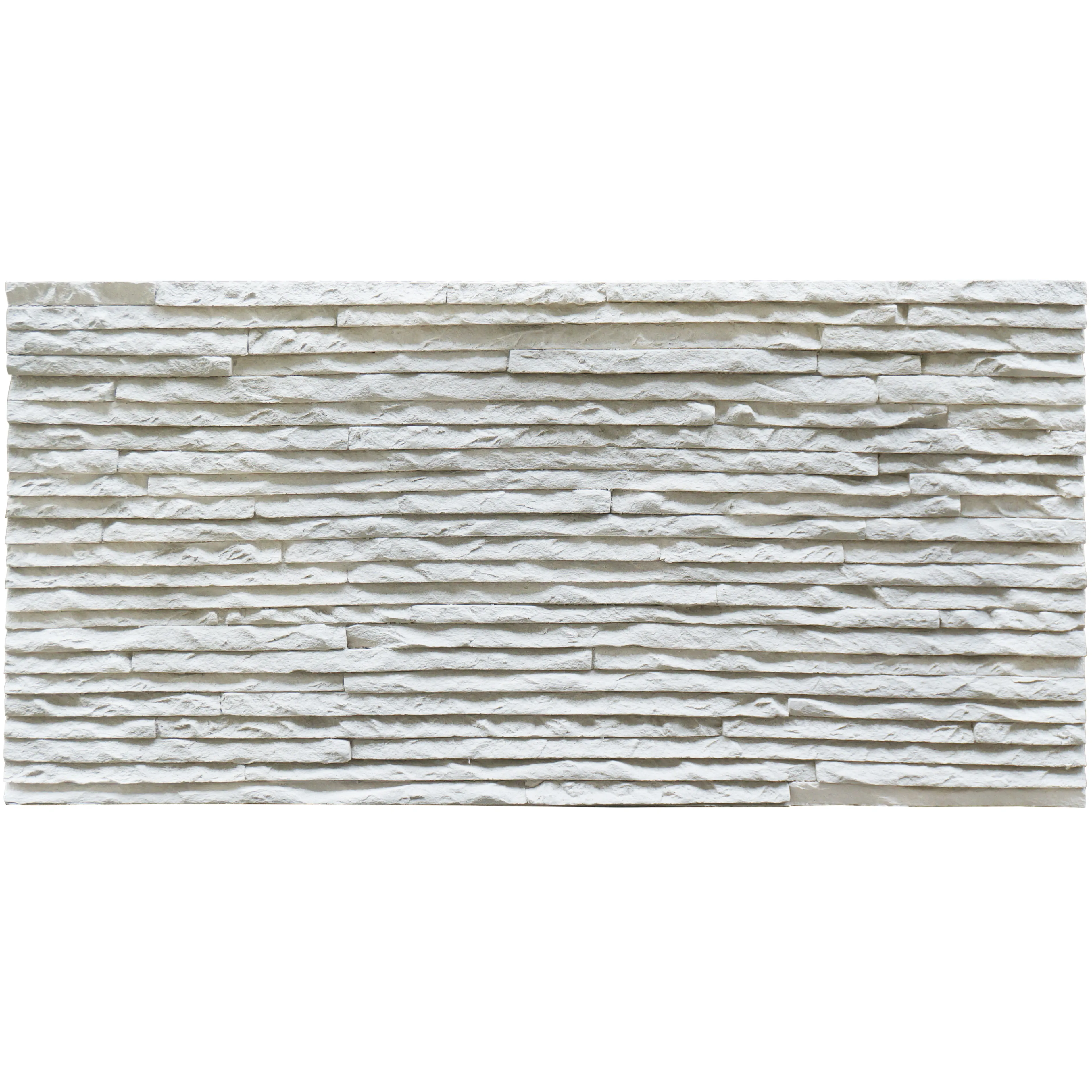
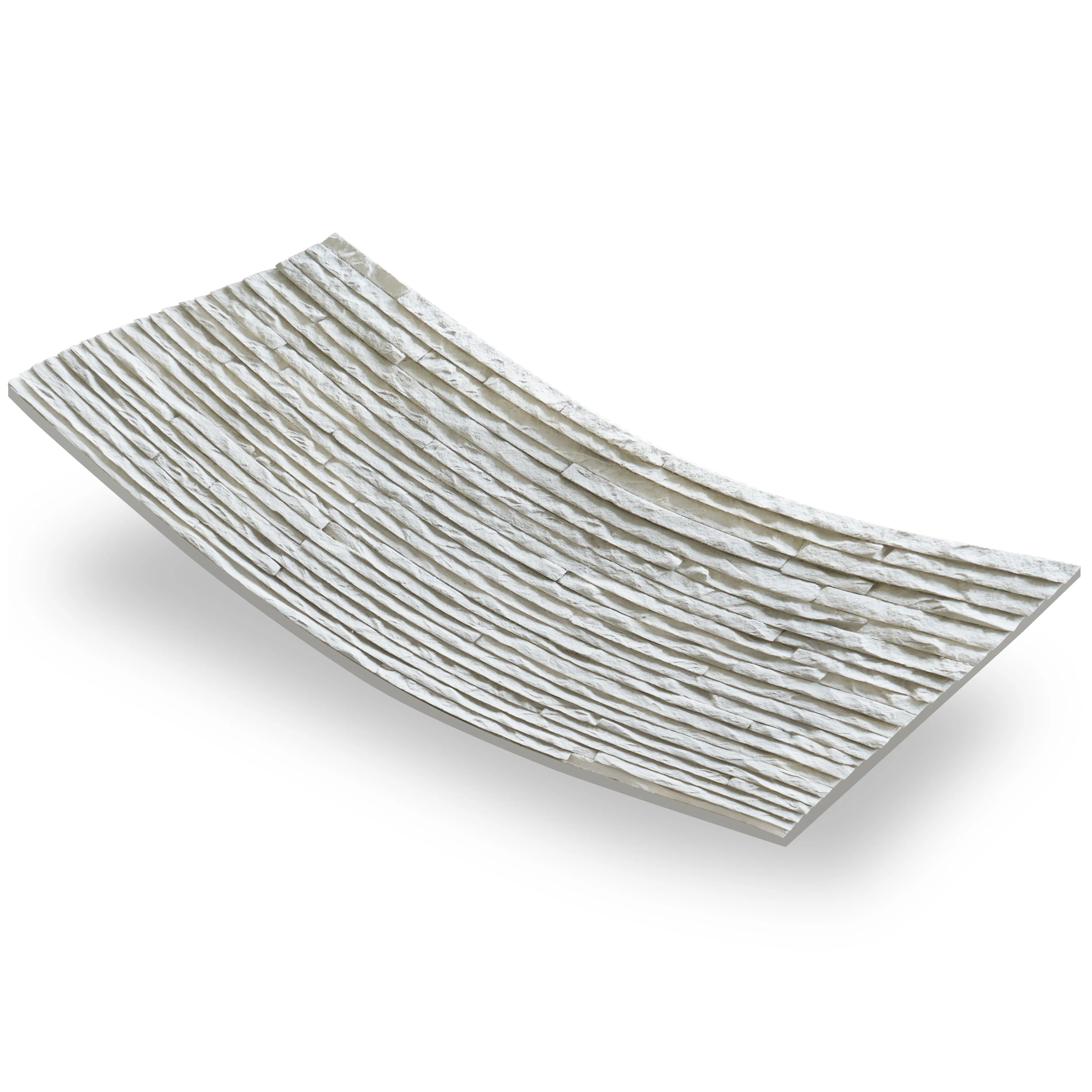
If you're not familiar with Muretto Stone, you're not alone—it's a rising star in the world of flexible stone cladding panels , a category of modified composite materials designed to mimic the look of natural stone without the heaviness or cost. Muretto Stone (Beige), in particular, has gained traction for its warm, earthy tone that pairs effortlessly with both modern and traditional architectures. Think of it as nature's beauty reimagined for the demands of today's construction projects.
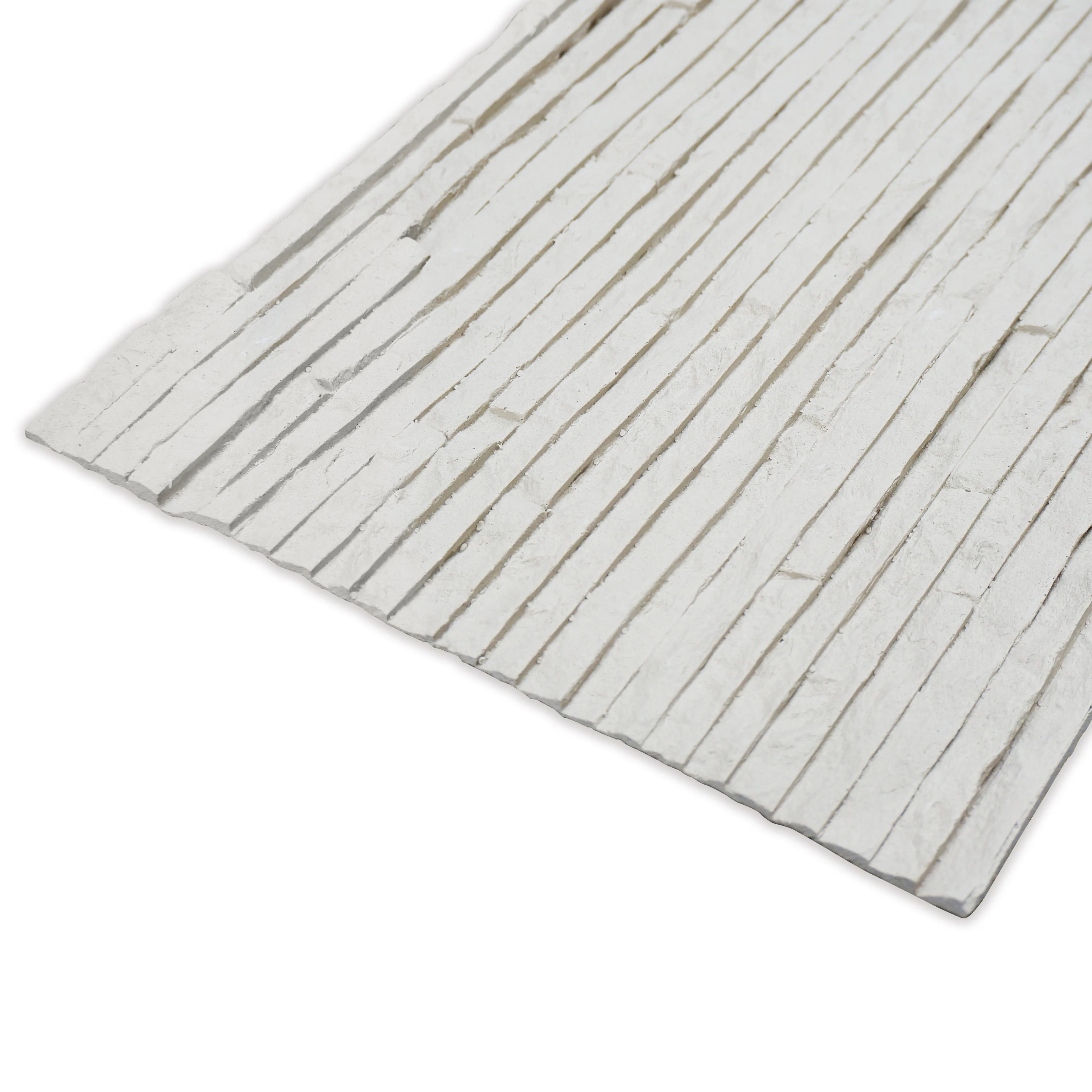
Unlike raw natural stone, Muretto is engineered using a blend of natural minerals, resins, and fibers, giving it flexibility (hence the "flexible" label) and a lightweight profile. This engineering isn't just about cutting costs—it's about solving real-world problems. For example, on high-rise buildings where structural load is a concern, Muretto's reduced weight (often 30-50% lighter than natural stone) eliminates the need for extra reinforcement, saving both time and money during construction.
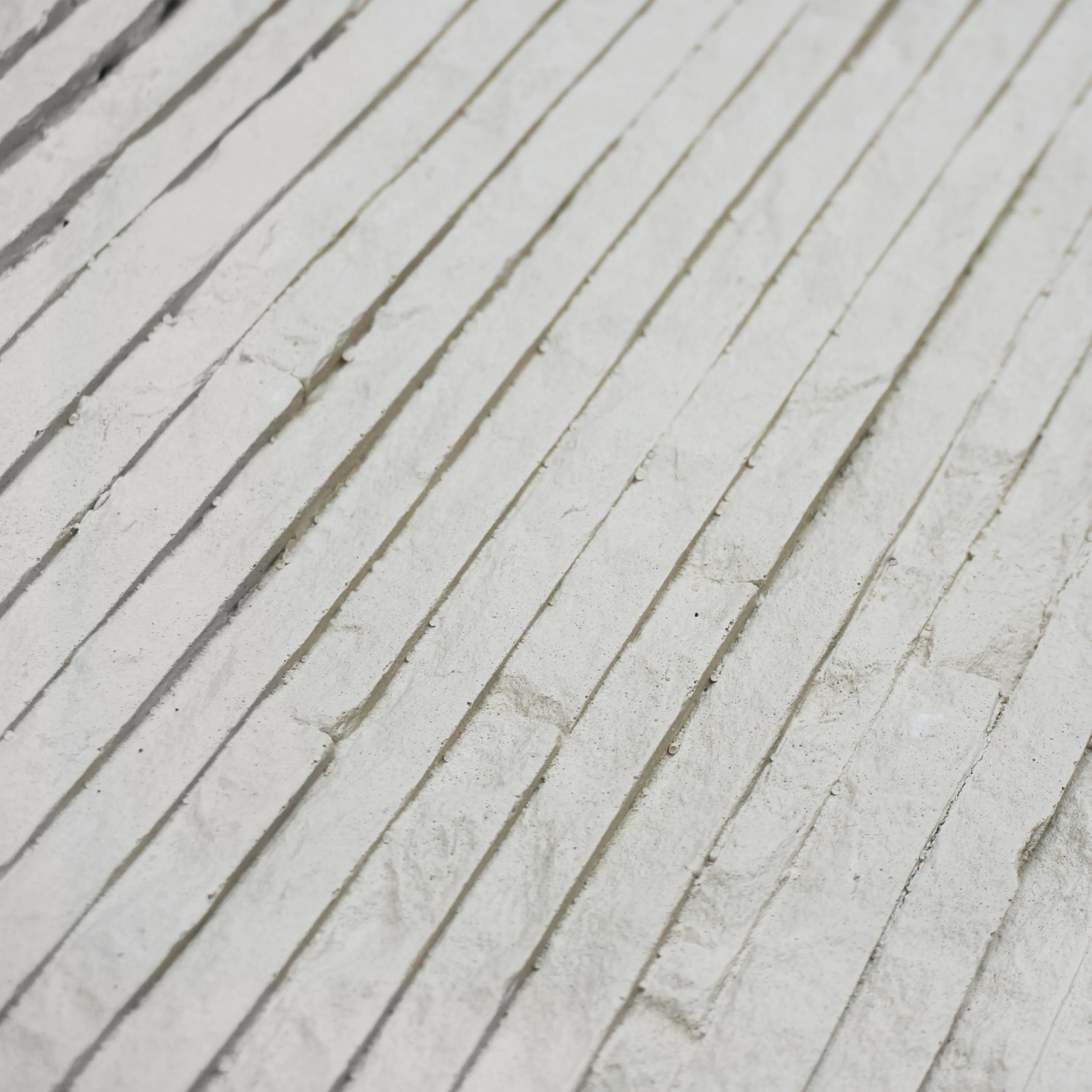
But don't mistake "engineered" for "cheap-looking." Muretto Stone (Beige) boasts a textured surface that mimics the subtle variations of natural travertine or limestone, complete with tiny pits and veining that add depth. It's available in large slabs (up to 1200x600mm), which means fewer seams on your facade—a detail that architects and clients alike appreciate for its clean, polished finish.
Granite, on the other hand, is a rockstar of the natural stone world—literally. Formed from cooling magma deep within the Earth, it's known for its hardness (second only to diamonds in some cases) and timeless appeal. From the lobby floors of luxury hotels to the countertops of high-end restaurants, granite has long been a symbol of durability and prestige. Varieties like Granite Portoro (with its dramatic black-and-gold veining) or Granite Nero Margiua (a sleek, dark gray) have become go-to choices for projects aiming to make a statement.
But granite's strengths come with trade-offs. As a natural material, each slab is unique—great for one-of-a-kind designs, but challenging when consistency is key across large surfaces. It's also heavy: a standard 2cm-thick granite slab can weigh 50-60 kg per square meter, which means structural engineers often need to reinforce walls or floors to support it. And then there's the cost of extraction: quarrying granite is labor-intensive, and transporting large slabs adds to the price tag, especially for projects far from stone-rich regions.
To truly compare these materials, we need to look beyond the upfront price tag. Cost-effectiveness in commercial projects hinges on a mix of initial costs, installation expenses, maintenance needs, longevity, and even how the material impacts the project's overall value. Let's break it down.
| Factor | Muretto Stone (Beige) | Granite |
|---|---|---|
| Initial Cost per sqm | $40–$80 (varies by supplier) | $100–$250 (higher for rare variants) |
| Installation Complexity | Low: Lightweight, flexible, can be cut on-site with basic tools | High: Requires heavy lifting equipment, skilled stonemasons, and structural reinforcement |
| Maintenance Frequency | Minimal: Wipe clean with water; no sealing required | Moderate: Seal every 2–3 years to prevent staining; prone to etching from acidic substances |
| Expected Lifespan | 20–30 years (with proper installation) | 50–100+ years (if well-maintained) |
| Weight per sqm | 8–12 kg | 50–60 kg (2cm thickness) |
| Sustainability | High: Often made with recycled materials; lower carbon footprint due to lightweight transport | Moderate: Quarrying impacts ecosystems; heavy transport increases carbon emissions |
Let's start with the numbers that hit the budget first: upfront material costs. Muretto Stone (Beige) typically ranges from $40 to $80 per square meter, depending on the supplier and order size. Compare that to granite, which starts at $100 per square meter for basic variants and can soar to $250+ for rare or imported types like Granite Portoro . For a commercial project with 10,000 sqm of cladding, that's a difference of $600,000 to $1.7 million upfront—a gap that can make or break a tight budget.
But why the price difference? Muretto's composite nature means it's manufactured in controlled facilities, reducing waste and ensuring consistent production costs. Granite, as a natural stone, is at the mercy of supply and demand: quarrying delays, shipping logistics, and slab quality can all drive up prices. A commercial building material supplier I spoke with recently noted that granite prices have risen by 15–20% in the past two years alone, thanks to global supply chain issues.
Initial material costs are just the start—installation can eat up another 30–50% of the total cladding budget, and here's where Muretto's lightweight design shines. Because it weighs 8–12 kg per sqm (compared to granite's 50–60 kg), Muretto doesn't require cranes or specialized lifting equipment for installation. A small team of workers can carry and mount panels by hand, cutting labor costs by 20–30%.
Granite, on the other hand, demands skilled stonemasons who can cut, shape, and secure heavy slabs without damaging them or the building structure. Many projects also need structural engineers to assess if walls or floors can support the weight—adding weeks to the timeline and thousands to the budget. For example, a 5-story retail building in Chicago I worked on required $80,000 in additional steel reinforcement just to support the granite facade. With Muretto, that cost would have been zero.
Commercial buildings don't just cost money to build—they cost money to maintain. Granite, while durable, is porous, meaning it absorbs liquids and stains if not sealed regularly. A typical maintenance schedule for granite cladding involves sealing every 2–3 years at a cost of $2–$5 per sqm. Over 20 years, that adds up to $20–$50 per sqm in maintenance alone.
Muretto Stone (Beige), by contrast, is non-porous and resistant to stains, mold, and mildew. A quick rinse with water is usually all it takes to keep it looking fresh. No sealing, no specialized cleaners, no ongoing costs. For busy facility managers, that's a huge win—less time coordinating maintenance, and more money saved for other priorities.
Granite has a trump card: lifespan. When properly maintained, it can last 50–100 years or more. Muretto, being a newer composite material, has a projected lifespan of 20–30 years. On paper, granite seems like the better long-term investment—but context matters. Many commercial buildings undergo renovations every 15–20 years to stay competitive, meaning Muretto's 20–30 year lifespan may align perfectly with a project's lifecycle. By the time Muretto needs replacing, the building might already be due for a facelift, allowing owners to update the design without feeling like they're "wasting" a longer-lasting material.
Cost aside, aesthetics drive many client decisions. Granite's natural veining and unique patterns are unmatched for creating luxury or one-of-a-kind looks. But that uniqueness can be a double-edged sword: if you need 10,000 sqm of matching cladding, granite slabs will vary in color and texture, requiring careful selection to avoid a patchy appearance. Muretto, being engineered, offers consistent color and texture across every panel—a boon for large projects where uniformity is key.
Muretto also comes in larger slab sizes (up to 1200x600mm), reducing the number of seams on the facade. For modern designs that prioritize clean lines, this is a major advantage. One architect I collaborated with on a tech campus project chose Muretto Beige specifically for its seamless look, noting that "the fewer seams, the more the building feels like a single, sculptural form."
A 20,000 sqm retail center in Houston needed to open in time for the holiday shopping season, with a strict budget of $12 million. The original plan called for granite cladding, but when bids came in $800,000 over budget, the team pivoted to Muretto Stone (Beige). The switch cut material costs by $600,000 and installation time by 4 weeks, allowing the center to open on schedule. Two years later, the facade still looks brand-new, and maintenance costs have been negligible.
A 5-star hotel in Dubai aimed to position itself as a luxury destination, so granite was non-negotiable for its lobby and exterior. The team selected Granite Nero Margiua for its sleek, sophisticated look, despite the higher cost. Five years later, the hotel reports that guests frequently comment on the "opulent" stonework, which has helped justify premium room rates. Maintenance costs are higher—about $15,000 per year for sealing—but the hotel views it as an investment in its brand image.
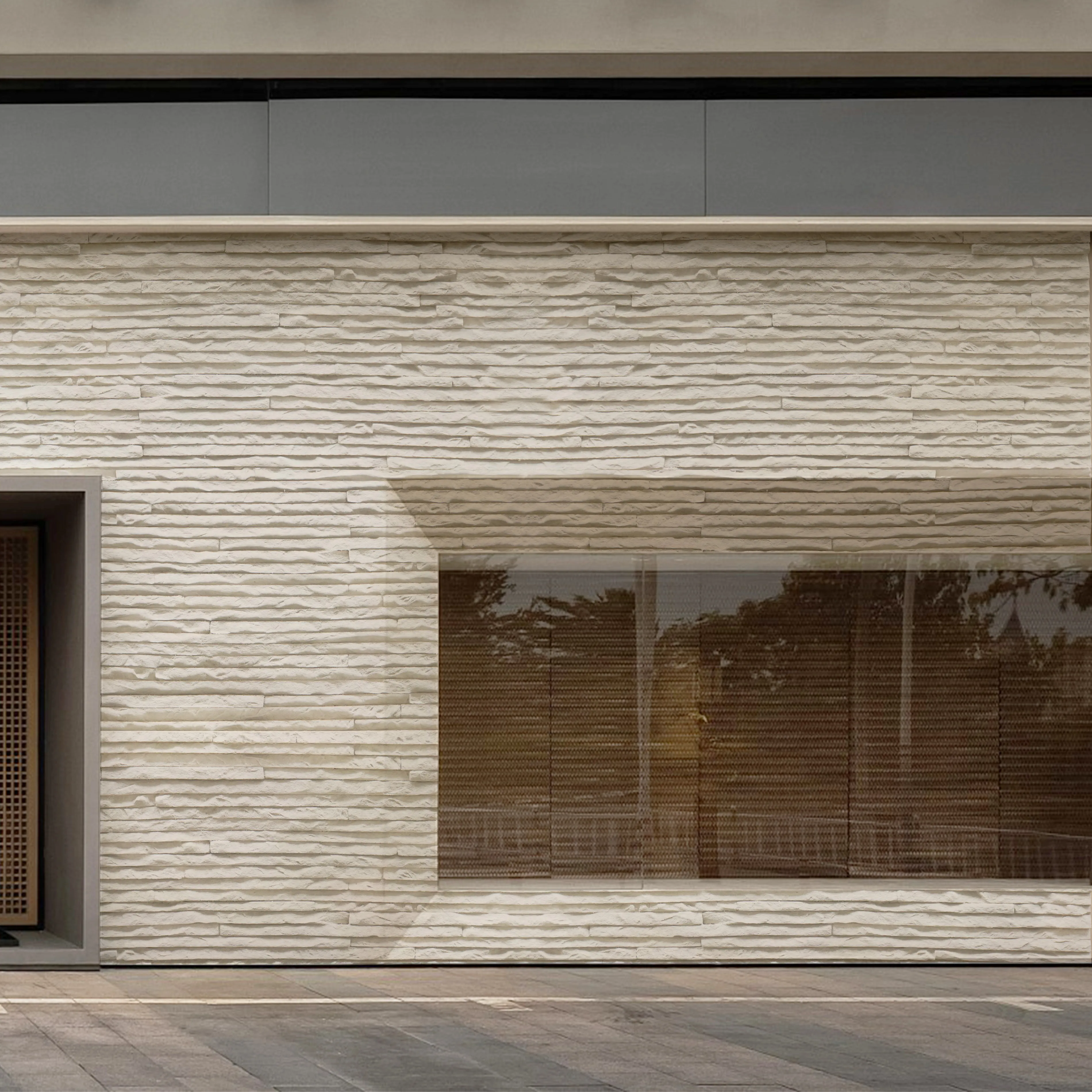
Muretto is the clear choice if:
Granite still reigns supreme if:
At the end of the day, Muretto Stone (Beige) and granite serve different project needs. Muretto excels in budget-sensitive, time-critical, or weight-restricted projects, offering low maintenance and consistent aesthetics. Granite, with its longevity and natural beauty, remains the gold standard for luxury and legacy builds.
The key to cost-effectiveness is aligning the material with your project's goals. If you're building a retail center that needs to open quickly and stay within budget, Muretto is the smarter choice. If you're creating a landmark hotel that aims to stand the test of time, granite's higher cost may be justified by its long-term value and prestige.
Whichever you choose, partnering with a reliable commercial building material supplier is critical. They can help you navigate pricing, availability, and installation best practices—ensuring that your choice not only looks good on paper but delivers real-world results.
Recommend Products












