
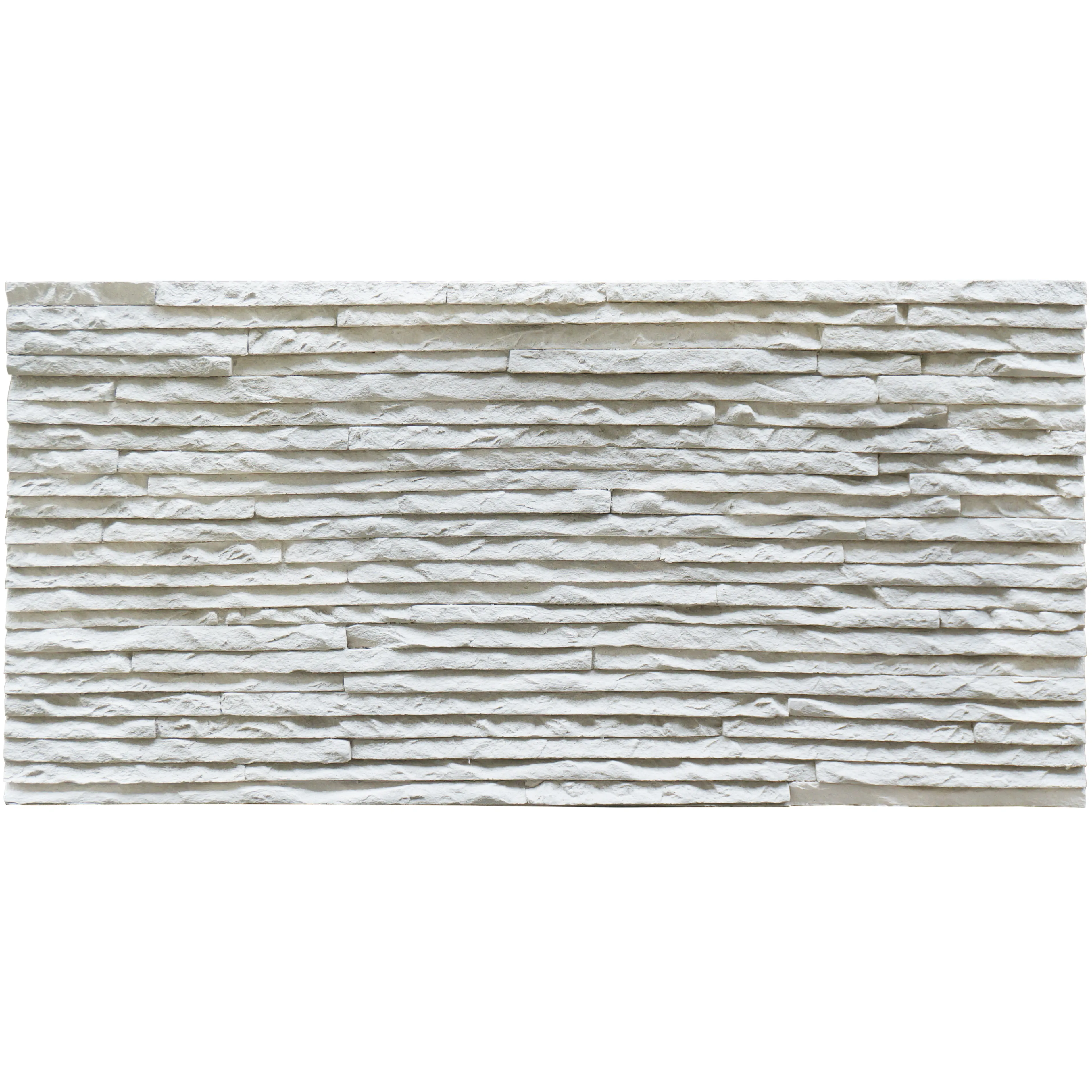
When it comes to building materials, the choice often boils down to two key factors: how it looks, and how long it lasts. Homeowners, architects, and designers spend hours poring over samples, debating hues, and visualizing spaces— but what good is a stunning facade if it chips, stains, or crumbles after a few years? That's where durability comes in. Today, we're putting two popular beige-hued contenders head-to-head: Muretto Stone (Beige) and traditional Limestone. Both are loved for their warm, earthy tones and versatility, but how do they stack up when the going gets tough? Let's dive into real-world tests, break down the results, and help you decide which one deserves a spot in your next project.
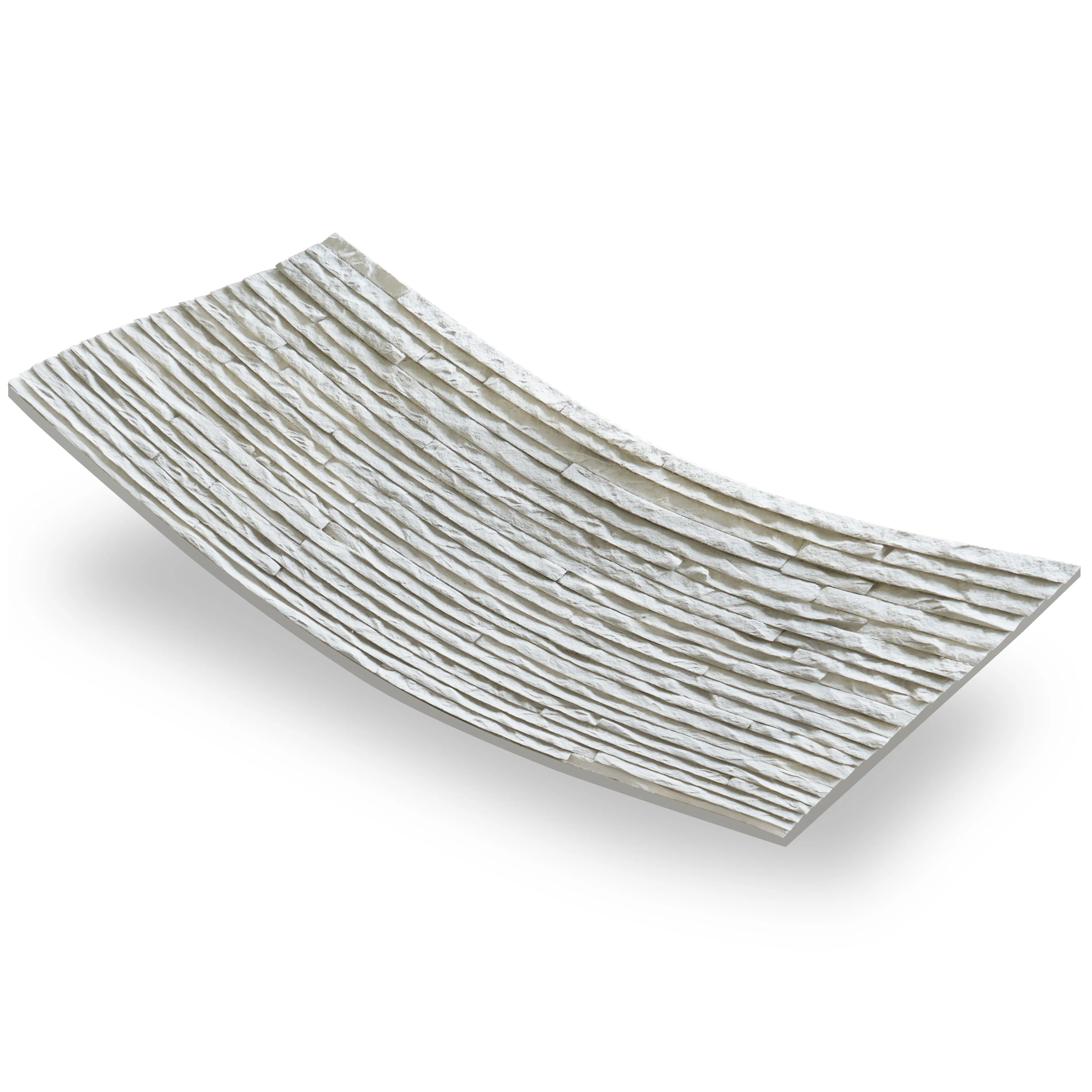
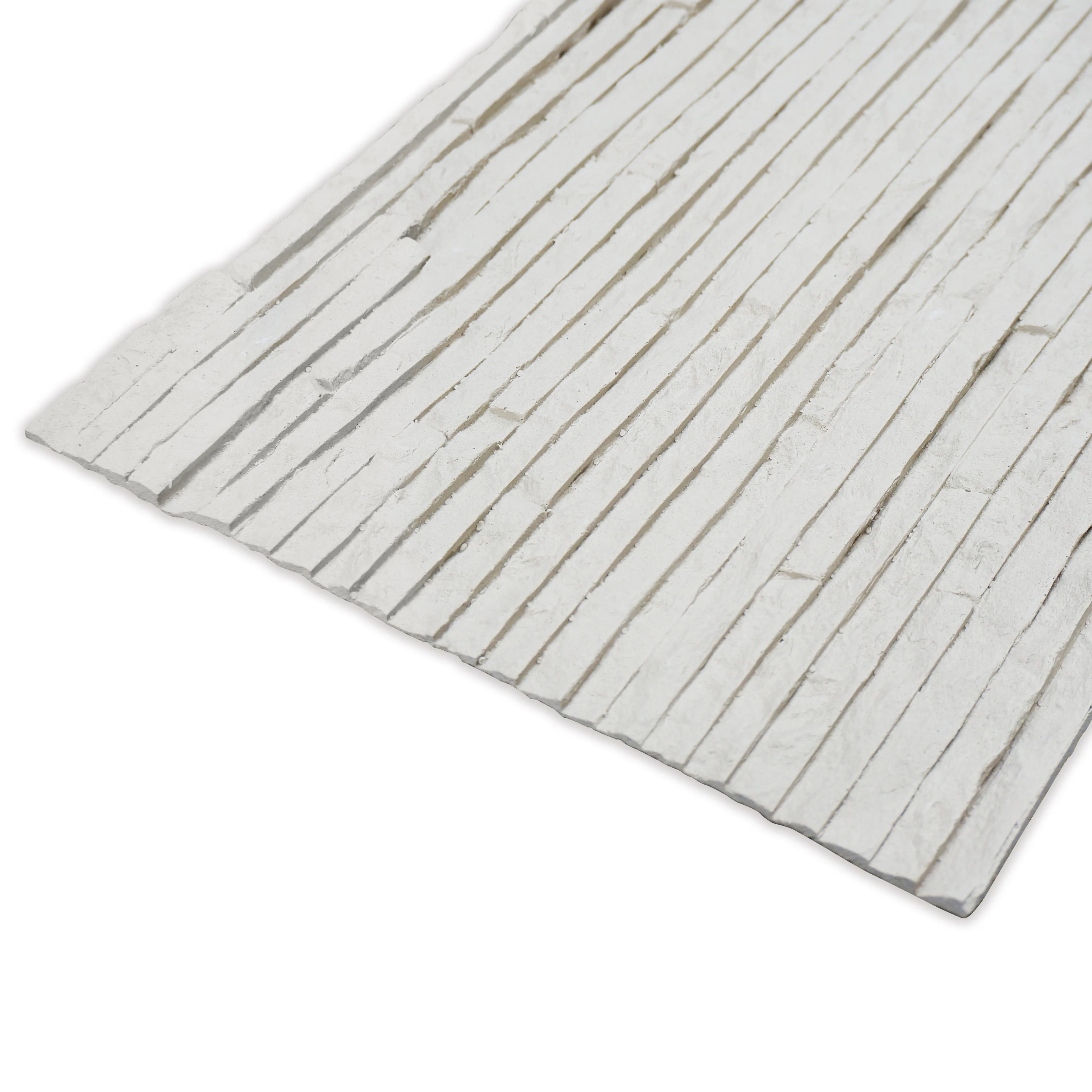
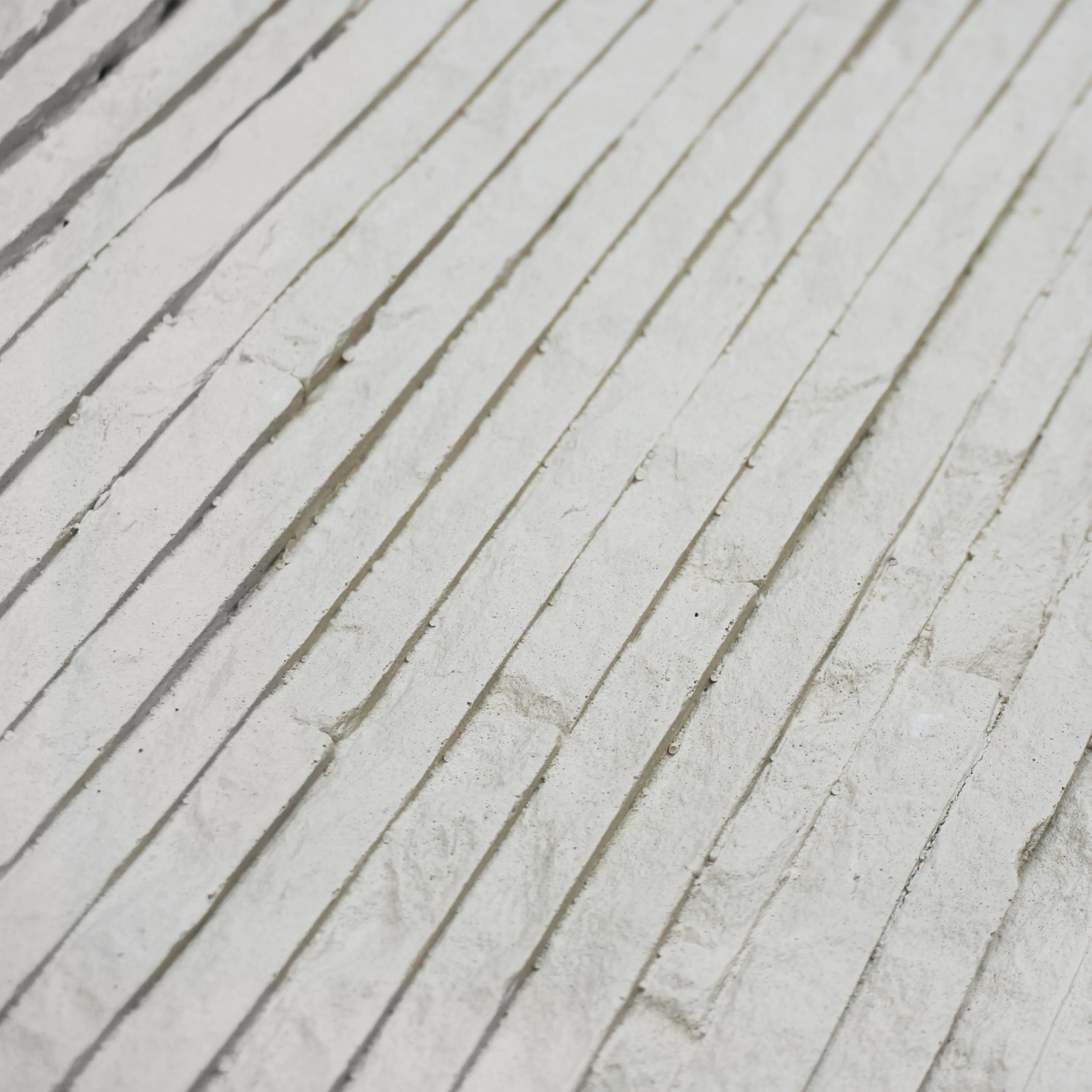
First up: Muretto Stone (Beige). Part of the broader Muretto Stone series— which also includes light grey and dark grey variants— this material is a modified composite stone, engineered to mimic the look of natural stone while boosting performance. Think of it as nature's best traits (that soft, sunlit beige with subtle texture) paired with modern science. It's made by blending natural stone aggregates with polymers and resins, creating a material that's denser and more uniform than many natural stones. Muretto Stone (Beige) has gained a reputation for being a workhorse in both indoor and outdoor settings, thanks to its resistance to wear and its ability to hold up in diverse climates.
On the other side of the ring is Limestone, a classic natural stone formed over millions of years from the accumulation of marine organisms like coral and shells. Beige limestone, in particular, is a staple in traditional and rustic designs, prized for its organic veining, porous texture, and warm, neutral color that complements everything from modern minimalism to country charm. It's been used in iconic structures for centuries— think ancient Roman aqueducts or European cathedrals— but that doesn't mean it's invincible. As a natural stone, its durability can vary widely based on its origin and density, with some types being softer and more porous than others.
To get to the bottom of which material is tougher, we subjected both Muretto Stone (Beige) and Limestone to a series of industry-standard durability tests. These aren't just lab experiments— they're designed to mimic the real-world challenges these stones face: rain, foot traffic, temperature swings, spills, and more. Here's what we tested, and how we did it:
Why it matters: Porous materials soak up water, which can lead to mold, mildew, or cracking (especially if the water freezes and expands). Lower absorption = better resistance to moisture damage.
How we tested: We cut 10cm x 10cm samples of each material, dried them completely, weighed them, then submerged them in water for 24 hours. After drying again, we weighed them to calculate how much water they'd absorbed (as a percentage of their dry weight).
Why it matters: Floors, countertops, and high-traffic walls take a beating from shoes, furniture, and everyday tools. A material that scratches easily will look worn fast.
How we tested: Using a Mohs hardness tester (a tool that rates scratch resistance on a scale of 1-10, with 10 being diamond), we scored each sample with progressively harder tips (from a fingernail to a steel file) and noted when visible scratches appeared.
Why it matters: Accidents happen— a dropped tool, a swinging door, or a hailstorm can deliver a sharp blow. Impact resistance measures how well a material withstands sudden force without chipping or breaking.
How we tested: We dropped a 500g steel ball from heights of 30cm, 50cm, and 100cm onto each sample. We checked for cracks, chips, or indentations after each drop.
Why it matters: For outdoor use in cold climates, materials must survive repeated freezing and thawing. Water trapped inside expands when frozen, which can split stone apart over time.
How we tested: We soaked samples in water for 4 hours, froze them at -20°C for 24 hours, then thawed them at 20°C for another 24 hours. We repeated this cycle 50 times (mimicking 50 winters) and checked for cracks or weakening.
Why it matters: Spills happen— coffee, wine, cleaning products, even acid rain. A stone that stains or etches easily will require constant upkeep.
How we tested: We applied common household/industrial substances (vinegar, lemon juice, coffee, motor oil, and a mild detergent) to the surface of each sample, let them sit for 24 hours, then wiped them clean. We checked for discoloration, etching, or stains.
After weeks of testing, we compiled the data. Let's break down how Muretto Stone (Beige) and Limestone fared in each category:
| Test Type | Muretto Stone (Beige) | Limestone | Key Takeaway |
|---|---|---|---|
| Water Absorption | 1.2% (low porosity) | 8.5% (moderate-high porosity) | Muretto Stone absorbs 7x less water, reducing mold and freeze-thaw risk. |
| Scratch Resistance (Mohs Scale) | 6-7 (resists steel, minor scratches from keys/coins) | 3-4 (scratched by steel; visible marks from furniture legs) | Muretto Stone is significantly harder; better for high-traffic areas. |
| Impact Resistance | No damage at 30cm/50cm drops; minor chip at 100cm | Chipped at 50cm drop; cracked at 100cm | Muretto Stone handles heavy impacts better than Limestone. |
| Freeze-Thaw Cycles (50 cycles) | No cracks or weakening; surface remained intact | Minor surface spalling (flaking) after 30 cycles; small cracks by 50 | Muretto Stone is more frost-resistant for cold climates. |
| Chemical Resistance | No staining from coffee/wine; slight dulling from vinegar (easily polished out) | Stained by coffee/wine; etched by vinegar (permanent marks) | Muretto Stone resists common spills better; Limestone needs sealant. |
Numbers tell a story, but let's translate that story into real-world advice. Here's where each material shines— and where it might fall short:
Muretto Stone (Beige) emerged as the clear winner in most durability tests, and it's easy to see why. Its low water absorption makes it a star for outdoor use— think patios, pool surrounds, or exterior facades in rainy or humid climates. The high scratch resistance? Perfect for busy family homes, commercial lobbies, or restaurant floors where foot traffic is constant. Even in freeze-thaw conditions, it held its ground, making it a solid choice for northern regions.
The only minor downside? It's slightly less "natural" than Limestone. While it mimics the look of stone beautifully, some purists might prefer the organic veining and texture of real Limestone. But for most, the trade-off— beauty plus durability— is worth it.
Limestone's performance was more mixed. It's a stunner, no doubt— that creamy beige with unique fossilized patterns adds warmth and character that's hard to replicate. But its high porosity and lower hardness mean it's better suited for low-traffic, indoor spaces. Think: a cozy living room floor, a bedroom accent wall, or a bathroom backsplash (with regular sealing). In dry, arid climates (like the American Southwest), where freeze-thaw cycles aren't an issue, it can work outdoors— but you'll need to seal it annually to prevent staining.
The biggest red flag? Acid sensitivity. A spilled glass of lemonade or a vinegar-based cleaner could leave permanent marks, so maintenance is key.
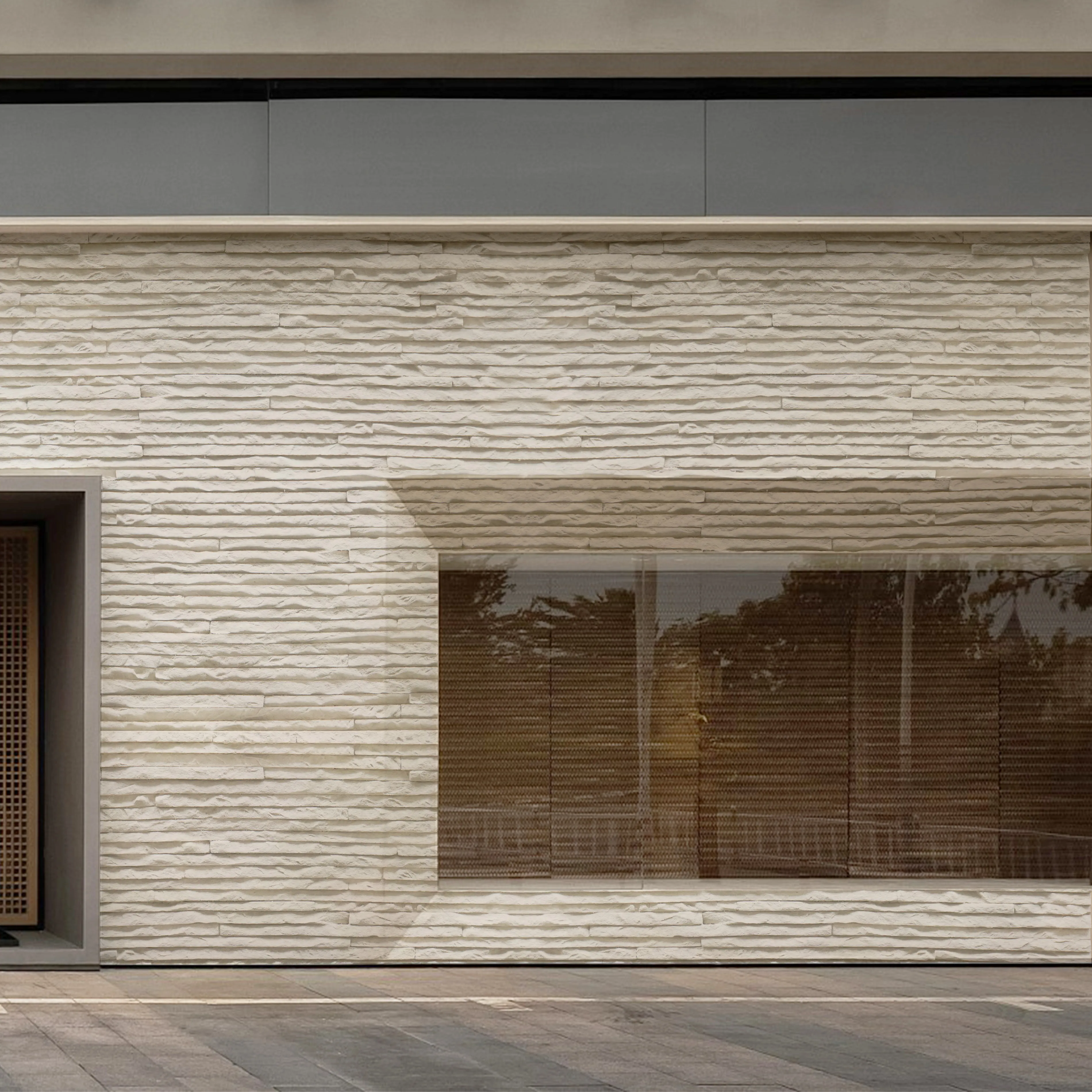
Now that we know how they perform, let's talk about where to use them. Here are the best scenarios for each:
Even the toughest materials need a little TLC. Here's how to extend the life of each:
At the end of the day, the choice between Muretto Stone (Beige) and Limestone depends on your priorities. If durability, low maintenance, and versatility are top of mind— especially for outdoor or high-traffic areas— Muretto Stone (Beige) is the way to go. It's a modern material that delivers on both looks and longevity, with performance that outpaces traditional Limestone in almost every test.
But if you're after that irreplaceable, organic charm of natural stone— and you're willing to put in the work to maintain it— Limestone might be worth the trade-off. Just be honest about your lifestyle: Do you have kids, pets, or frequent guests? Are you in a rainy or snowy climate? If the answer is "yes" to any of these, Muretto Stone will save you headaches (and money) in the long run.
Both materials bring beauty to a space— but only one brings beauty
and
resilience. And in the world of building materials, that's a combination that's hard to beat.
Recommend Products












