
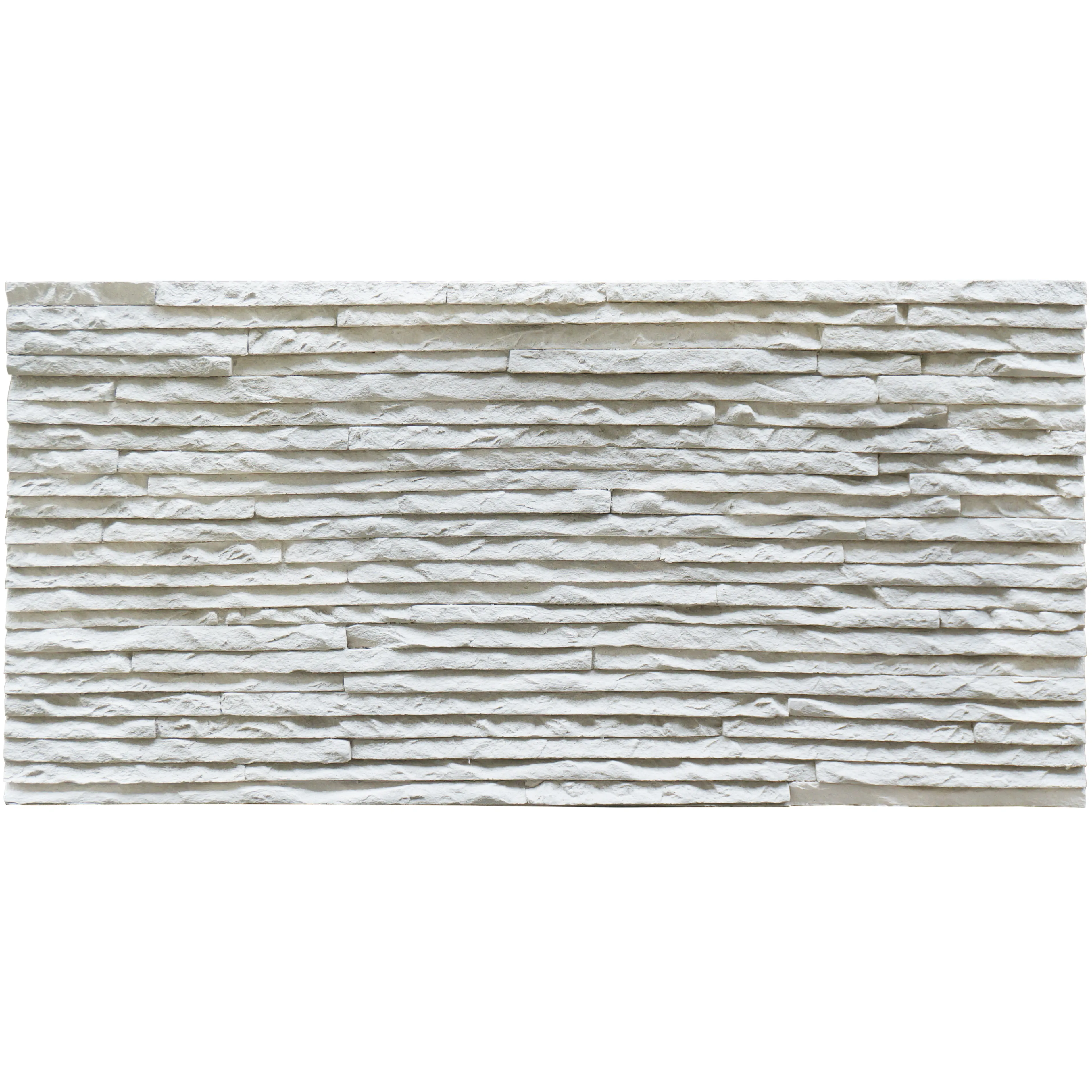
Walk into any thoughtfully designed space—a boutique hotel lobby, a cozy café, or even a friend's newly renovated home—and chances are, the walls or surfaces are making a statement. For decades, natural stone has reigned supreme here, its earthy textures and unique veining telling stories of millions of years of geological history. But in recent years, a new player has stepped into the spotlight: Muretto Stone (Beige) . Soft, warm, and eerily similar to the look of natural lime stone (beige) or travertine (beige) , it's caught the eye of designers and homeowners alike. But how does this modern material really stack up against the timelessness of natural stone? Today, we're diving deep into two critical factors that matter most: durability and sustainability. Let's break it down—no jargon, just honest talk about which one might be right for your next project.
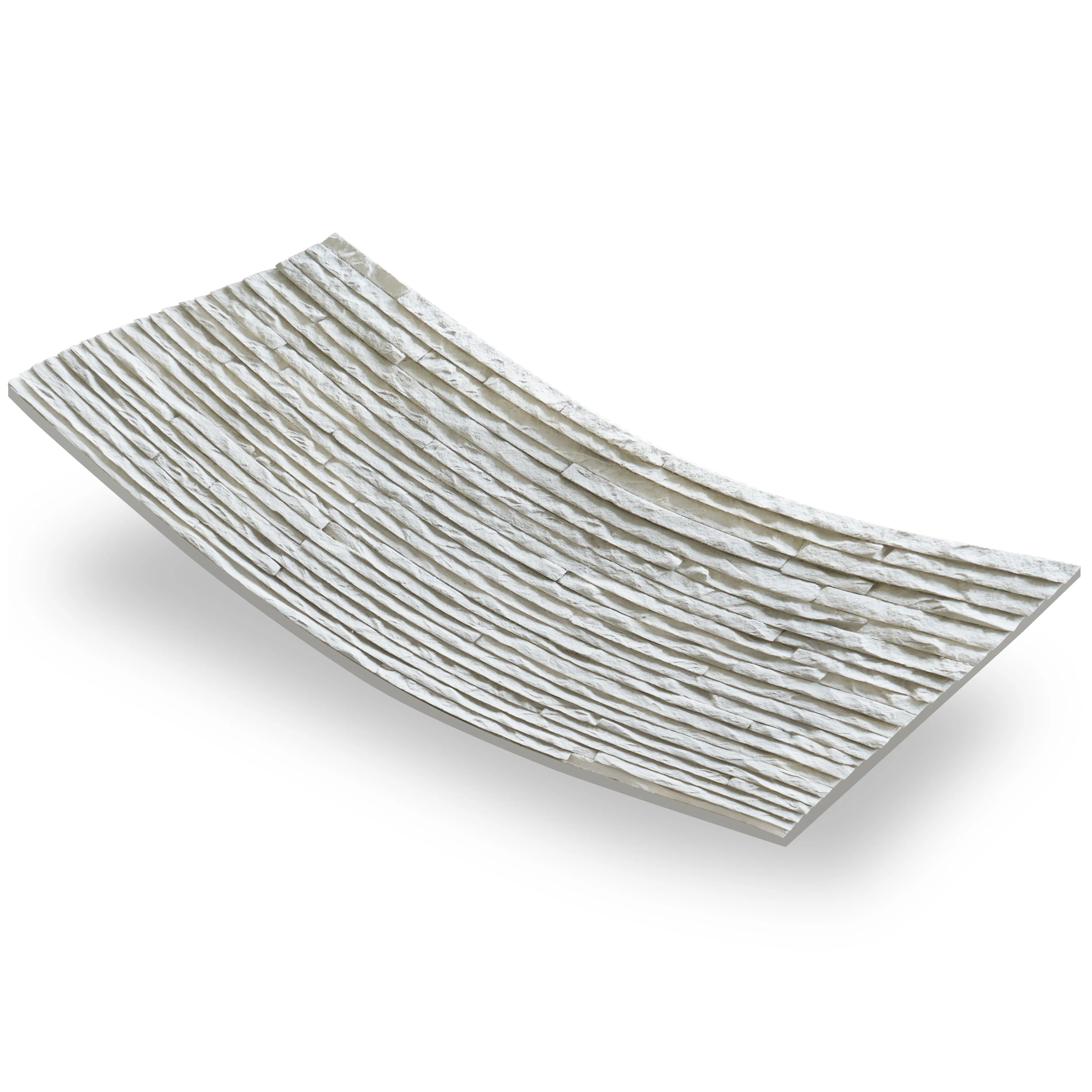
Let's start with the newcomer. Muretto Stone (Beige) isn't your average fake stone. It's part of a family of engineered materials known as MCM flexible stone —short for Modified Composite Material. Think of it as nature's beauty, reimagined with a practical twist. Manufacturers take ground stone particles (often recycled from natural stone waste), mix them with polymers or resins, and mold them into thin, flexible panels that mimic the texture and color of natural stone. The result? A material that looks like it was chiseled from the earth but behaves like a modern workhorse.
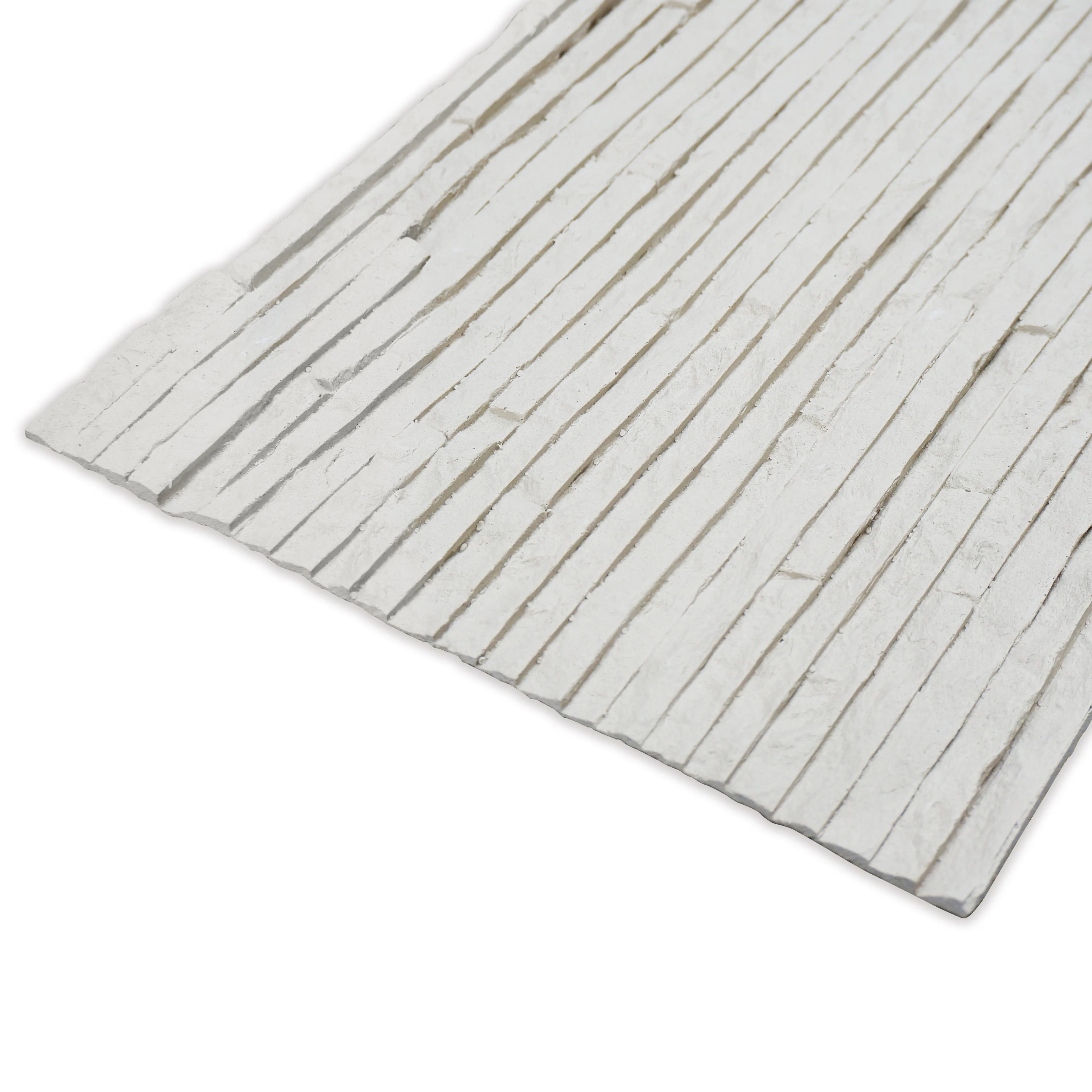
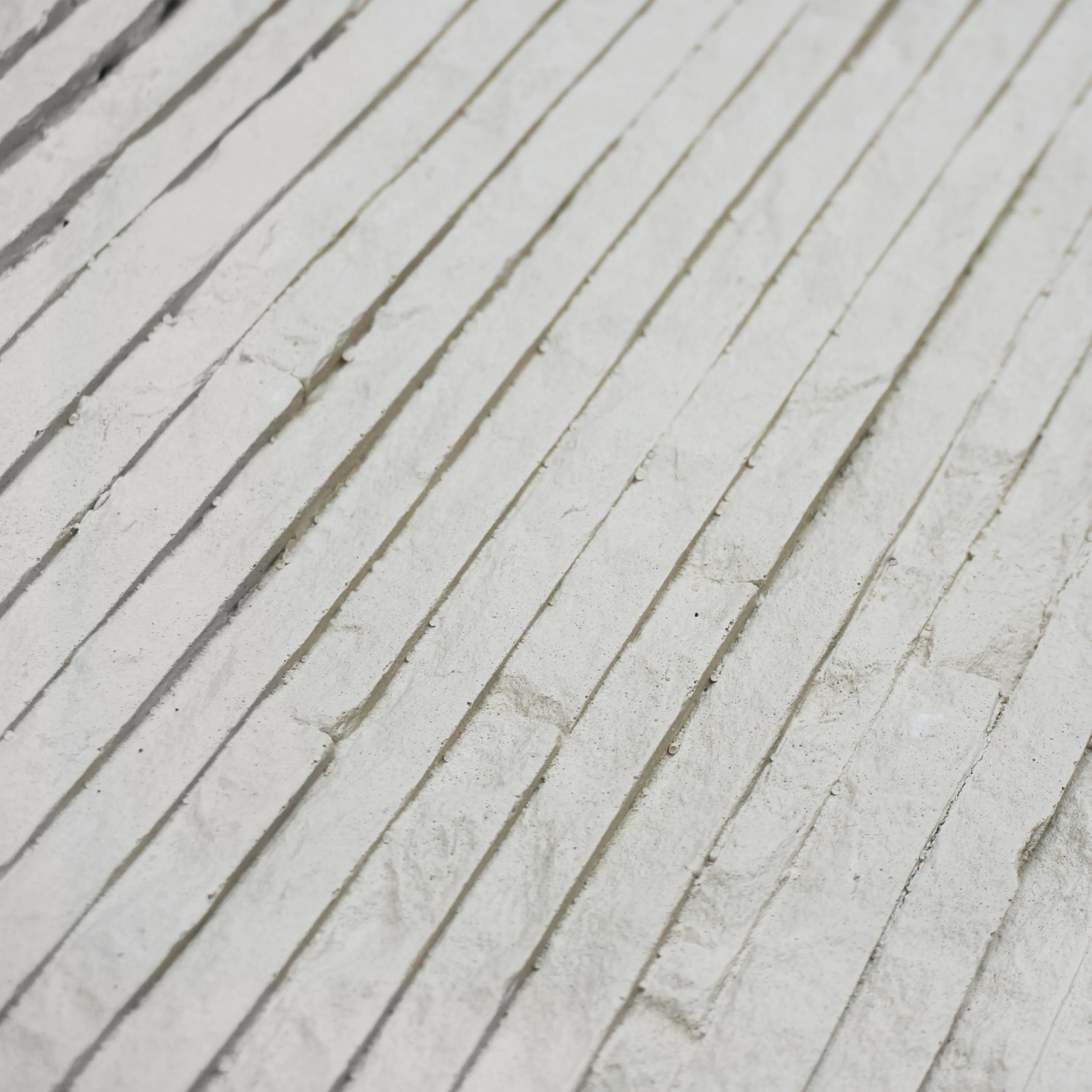
Its beige shade is intentional, designed to evoke the warmth of sun-baked lime stone (beige) or the soft glow of travertine (beige) . Run your hand over it, and you'll feel the subtle pits and ridges that make natural stone so charming—but without the vulnerabilities that come with Mother Nature's original recipe.
On the other side, we have natural stone —the OG of premium surfaces. Quarried from mountains, riverbeds, and underground deposits, stones like travertine , marble, granite , or lime stone (beige) are as old as the planet itself. Each slab is one-of-a-kind, with patterns formed by minerals, pressure, and time. There's a romance to natural stone that's hard to replicate: the way light dances off its crystalline surfaces, the slight variations in color that make no two pieces identical, and the knowledge that you're bringing a piece of the earth's history into your space.
But here's the catch: natural stone is a product of nature, which means it comes with nature's quirks. Porous stones like travertine (beige) have tiny holes that absorb water. Soft stones like marble scratch easily. And heavy stones? Well, they're just plain heavy—posing challenges for transport and installation.
Let's get practical. What good is a beautiful surface if it chips after a kid's soccer ball hits the wall or fades after a few years in the sun? Durability isn't just about toughness—it's about how well a material holds up to the chaos of daily life, the elements, and the passage of time. Let's pit Muretto Stone (Beige) and natural stone against each other in four key categories.
| Durability Factor | Muretto Stone (Beige) | Natural Stone (e.g., Travertine Beige, Limestone Beige) |
|---|---|---|
| Weather Resistance | Excellent. The MCM flexible stone composite resists moisture, so rain, snow, or humidity won't seep in and cause cracks. It also stands up to UV rays without fading—no more blotchy patches after a few summers. | Moderate to Low. Travertine (beige) and lime stone (beige) are porous; water soaks in, and if it freezes, it expands, cracking the stone. UV rays can fade colors, especially in lighter shades, leaving uneven discoloration. |
| Impact & Chipping | High. Thanks to its flexible polymer base, Muretto Stone (Beige) bends (just a little!) on impact, absorbing energy instead of shattering. Dropping a tool or a heavy pot? It might leave a small mark, but it won't chip or crack like natural stone. | Low. Natural stone is brittle—think of it like glass. A sharp impact (even a stray basketball) can chip edges or leave deep cracks. Repairing those chips often means filling them with resin, which never quite matches the original stone's texture. |
| Scratch Resistance | Very Good. The top layer of Muretto is reinforced with minerals, making it resistant to everyday scratches from keys, furniture, or pet claws. You'll still want to use coasters, but it's forgiving for busy households. | Depends on the stone. Granite is super scratch-resistant, but travertine (beige) or marble? Even dragging a chair across the floor can leave a visible mark. Soft stones require constant care to avoid unsightly scratches. |
| Lifespan | 20–30 years (with proper care). The composite materials are stable, so as long as you don't abuse it, Muretto should look good for decades. Some manufacturers even offer 15-year warranties against fading or cracking. | 50+ years (but with caveats). Natural stone can last centuries—just look at ancient Roman buildings! But that's with intensive maintenance: regular sealing, professional cleaning, and repairs. Skip a seal, and your travertine (beige) might start deteriorating in 10 years. |
So, who wins durability? It's a toss-up in some ways—natural stone can last longer if you baby it, but Muretto is the clear choice for low-effort toughness. For busy families, commercial spaces, or outdoor areas (like patios or pool surrounds), Muretto's ability to handle moisture, impacts, and scratches without constant upkeep is a game-changer.
These days, choosing a building material isn't just about looks or cost—it's about ethics. We all want our homes and businesses to reflect our values, and sustainability has become a non-negotiable factor. Let's dig into how Muretto Stone (Beige) and natural stone measure up in terms of environmental impact, from production to installation to end-of-life.
Natural stone production starts with quarrying, and it's a dramatic process. Imagine massive machines tearing into mountainsides, dynamite blasting rock, and trucks hauling tons of material to processing plants. For every beautiful slab of travertine (beige) or lime stone (beige) , there's often 2–3 times more waste rock left behind—rock that can't be used, piling up in landfills or scarring landscapes. Then there's the water: cutting and polishing natural stone uses gallons of water per slab, and that water often ends up contaminated with stone dust, which can harm local ecosystems if not treated.
Muretto Stone (Beige) , by contrast, is engineered to minimize waste. Most manufacturers start with recycled materials: ground-up stone waste from natural stone quarries (yes, they're using that "useless" rock!), recycled polymers, or even reclaimed minerals. The production process is controlled, so there's little excess material—no more hacking away at a mountain to get one perfect slab. And because it's a composite, it requires less energy to produce: studies show MCM flexible stone manufacturing uses up to 40% less energy than quarrying and processing natural stone.
Natural stone is heavy— really heavy. A standard slab of travertine (beige) can weigh 150–200 pounds, which means you need big trucks to transport it, cranes to lift it, and reinforced walls or floors to support it. All that weight adds up to carbon emissions: bigger trucks burn more fuel, and reinforcing structures requires steel or concrete (both high-carbon materials). Installers often need specialized training to handle natural stone, too, increasing labor costs and time.
Muretto Stone (Beige) is a lightweight champion. At just 3–5 pounds per square foot, it's easy to carry by hand, transport in small trucks, and install without cranes. No need for reinforced walls—even drywall can support it. This cuts down on transport emissions (smaller trucks = less fuel) and installation time (a crew can cover a wall in hours instead of days). For a homeowner or business owner, that means lower costs and a smaller carbon footprint.
Natural stone demands attention. Porous stones like travertine (beige) need to be sealed every 1–2 years with chemical sealants (some of which contain volatile organic compounds, or VOCs, that off-gas into your home). Stains? You'll reach for harsh cleaners to dissolve them, which can damage the stone's surface over time. And if you scratch or chip it? Repair kits often use epoxy resins that aren't biodegradable.
Muretto Stone (Beige) is the low-maintenance friend we all need. Its non-porous surface resists stains, so a spill of wine or coffee wipes up with soap and water—no harsh chemicals required. No sealing, no special cleaners, no fuss. That means fewer toxic products in your home and less packaging waste from those expensive stone-care kits.
What happens when your stone surfaces reach the end of their life? Natural stone is technically biodegradable—it will break down over centuries—but in reality, most old stone ends up in landfills. Why? Because removing it is labor-intensive (those heavy slabs!), and recycling options are limited. Quarries rarely reuse old stone, and grinding it up for aggregate is energy-heavy.
Muretto Stone (Beige) is designed with circularity in mind. When it's time to replace it, the panels can be ground down and the stone particles reused in new MCM flexible stone products. Some manufacturers even offer take-back programs to ensure old panels are recycled, not landfilled. It's not a perfect cycle yet, but it's a step in the right direction.
So, which one should you pick? It depends on your priorities, your space, and your lifestyle. Let's break it down with a few scenarios:
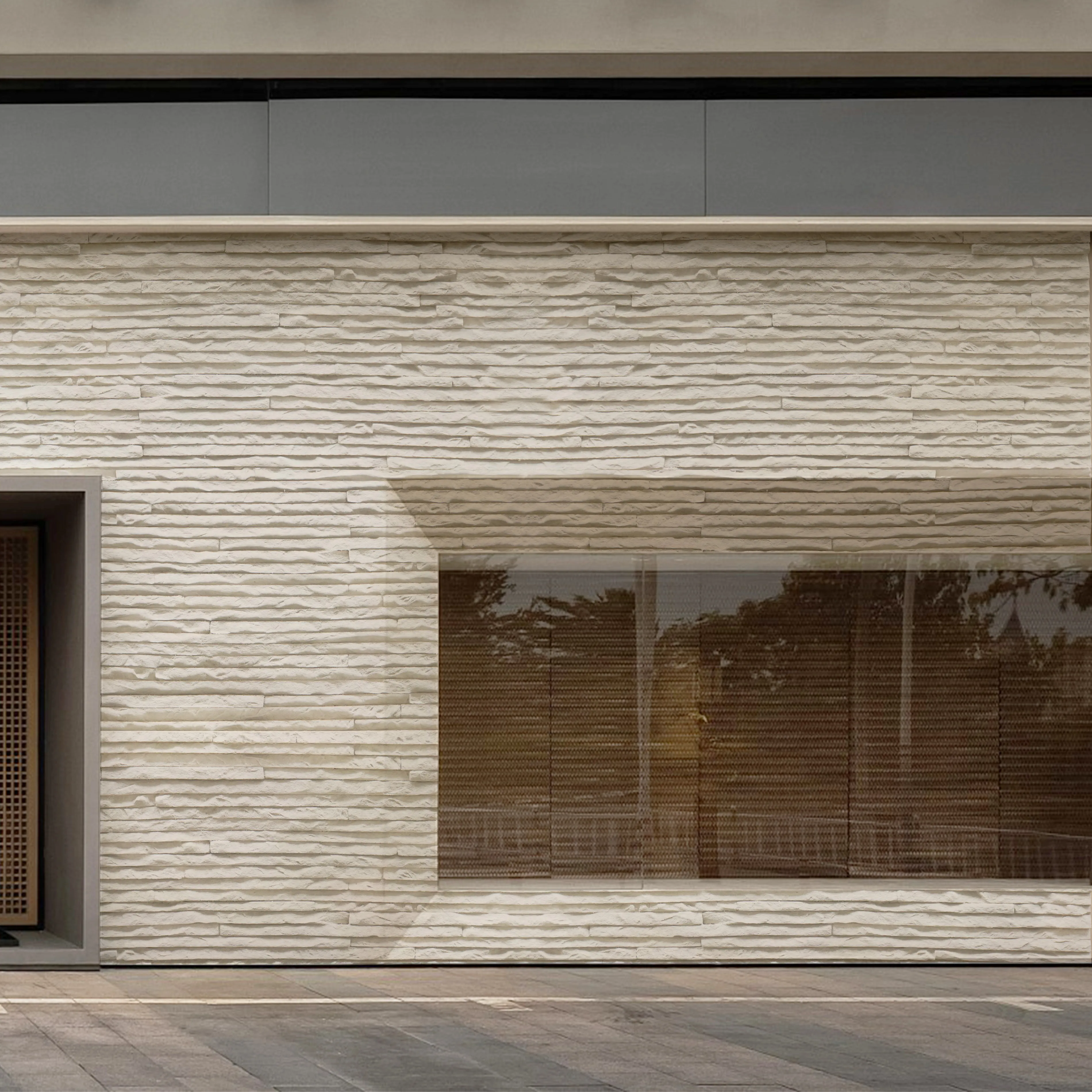
At the end of the day, Muretto Stone (Beige) and natural stone aren't enemies—they're just different tools for different jobs. Natural stone will always hold a special place in design for its timeless beauty and uniqueness, but Muretto Stone (Beige) represents the future: a material that honors nature's aesthetics while fixing its flaws.
Whether you're drawn to the earthy warmth of lime stone (beige) or the modern practicality of MCM flexible stone , the most important thing is to choose a material that fits your life, your values, and the story you want your space to tell. And hey—there's no rule against mixing them! Use natural stone for a focal wall and Muretto for high-traffic areas. Beauty and practicality? Now that's a design win.
Recommend Products












